Motorcycle boots sit at the point where crash protection, weather resistance, bike control, and everyday usability meet, which is why choosing the right pair matters more than many riders expect. In protective gear, boots are not an accessory; they are structural equipment designed to manage impact, abrasion, torsion, compression, and heat while still letting you shift, brake, stop, and walk. I have tested commuting boots through winter rain, stood all day in touring models, and compared race boots back to back on track and street, and the lesson is consistent: the best motorcycle boots are the pair you will actually wear on every ride because they protect well enough for your risks and remain comfortable off the bike.
For 2026, the category is broader than ever. Protective gear now ranges from low-profile riding shoes with ankle cups to full-height race boots with hinged bracing, replaceable toe sliders, and multi-density impact zones. Materials have also evolved. Full-grain leather remains a benchmark for abrasion resistance, but modern microfiber, TPU armor, bonded membrane laminates, Vibram-style soles, and BOA or ATOP dial closures have improved fit and convenience. Riders shopping today also face a new challenge: marketing language often highlights style or waterproof claims while obscuring whether a boot truly protects against ankle twisting, crush injuries, or sole failure in a slide.
A good motorcycle boot guide starts with clear definitions. Abrasion resistance is a boot’s ability to hold together when sliding on pavement. Impact protection refers to hard or semi-rigid structures that spread force from strikes at the ankle, shin, heel, and toe. Crush resistance matters when a bike lands on your foot. Torsional rigidity limits dangerous twisting in a crash, especially around the ankle. Walking comfort depends on flex points, midsole design, weight, sole pattern, internal volume, and breathability. If a boot feels like a ski boot off the bike, protection may be excellent but daily wear may suffer. If it feels like a sneaker, comfort may be high but safety can be compromised.
This hub article covers motorcycle boots as the foundation of protective gear, then connects the choice to the rest of a rider’s setup: helmet, jacket, pants, gloves, armor, visibility, weather layers, and fit strategy. The goal is simple. You should finish knowing how to evaluate motorcycle boots by riding style, what features matter most, where comfort tradeoffs are justified, and how to build a complete protective gear system around your boots rather than treating them as an afterthought.
Why motorcycle boots matter in a complete protective gear system
Feet and ankles are exposed in almost every riding scenario. In low-speed drops, they are often trapped under the motorcycle. In urban crashes, the first contact with the ground may happen at the foot as the rider dabs, slips, or gets thrown sideways. In higher-speed incidents, the sole can catch on the pavement and force the ankle into violent rotation. I have seen riders walk away from a slide with scuffed shin armor and intact feet because their boots had proper bracing, while others wearing work boots or hiking shoes suffered fractures despite otherwise decent gear.
Motorcycle boots matter because ordinary boots are not built for this mix of hazards. Most work boots emphasize puncture resistance and standing comfort, not lateral ankle support or controlled slide behavior. Hiking boots can offer grip and some structure, but their soft torsional flex and aggressive soles can grab the pavement during a crash. Purpose-built motorcycle boots use reinforced heel counters, internal shanks, ankle cups, shift pads, oil-resistant outsoles, and closure systems that reduce accidental opening. On premium models, you also see CE certification, transverse rigidity testing, and carefully shaped sliders that help the boot skim rather than snag.
As a hub for protective gear, boots also influence how the rest of your kit performs. Riding pants need to overlap correctly with the boot shaft to prevent skin exposure in a slide. Rain gear works better when waterproof membranes and gaiters integrate cleanly. Adventure riders need shin armor that does not fight with knee braces. Commuters want soles that grip wet pavement at traffic lights without transferring too much road vibration when walking. Choosing boots first often simplifies decisions about pants length, armor placement, and even whether you need separate rain layers.
Key boot types and the protection-versus-comfort tradeoff
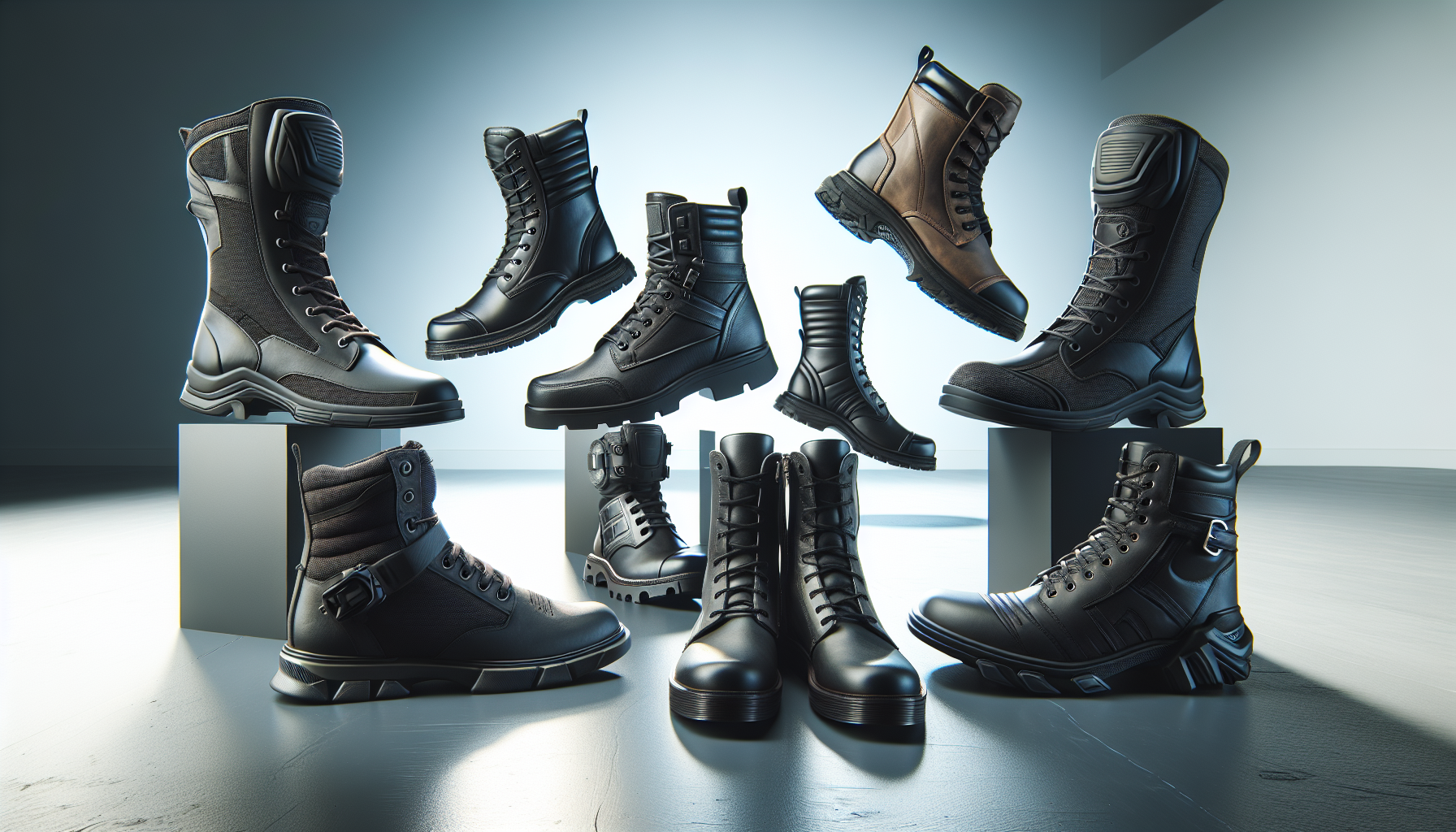
The easiest way to choose motorcycle boots is to start with riding use. Sport and race boots provide the highest level of ankle bracing, shin coverage, heel reinforcement, and slide management. They often include external bracing systems, toe sliders, and very stiff soles. These are excellent on track days and fast canyon rides, but many riders find them tiring for all-day city walking. Touring boots sit in the middle. They usually prioritize weather protection, all-day support, easier entry, and enough stiffness for serious road use. Adventure and off-road boots push even further into impact and crush protection, with tall shafts, robust buckles, and exceptional shin coverage, though walking comfort varies widely. Urban riding shoes and short boots improve convenience and style but usually sacrifice lower-leg coverage and some torsional support.
In practice, there is no single best motorcycle boot category. The right choice depends on speed, terrain, weather, time off the bike, and risk tolerance. A rider commuting 20 minutes in a dense city may reasonably choose a certified short boot with strong ankle cups and a reinforced sole. A rider covering 400 highway miles through unpredictable weather will appreciate a full-height touring boot with a laminated waterproof membrane. A rider taking a 550-pound adventure bike onto rocky trails needs serious crush protection and buckled closure, not just comfort. Matching the boot to the ride is the core of balancing protection and walking comfort.
| Boot type | Best use | Protection level | Walking comfort | Typical features |
|---|---|---|---|---|
| Race/Sport | Track days, aggressive street riding | Very high | Low to moderate | Hinged bracing, toe sliders, stiff sole, shin armor |
| Touring | Commuting, road touring, mixed weather | Moderate to high | Moderate to high | Waterproof membrane, zip and Velcro closure, grippy sole |
| Adventure | ADV travel, gravel, light to hard off-road | High to very high | Low to moderate | Buckles, tall shaft, shin plate, strong lateral support |
| Urban/Short | City riding, short trips, casual wear | Low to moderate | High | Ankle cups, sneaker-like sole, low profile styling |
Protection features that actually matter in real crashes
When I assess motorcycle boots, I ignore fashion cues and start with structural features. The first is ankle protection. Look for internal or external ankle cups on both sides, not just padding. The second is torsional control. If you can twist the boot sharply with your hands, it will not do much to resist rotational injury. The third is sole integrity. A motorcycle sole should resist folding in half, especially across the midfoot, because peg loads and crash forces can overwhelm soft footwear. The fourth is heel and toe reinforcement. These sections absorb repeated impacts, protect during slides, and preserve boot shape after hard use.
Height matters too. Full-height boots protect the shin and reduce the chance of the pant leg riding up. Short boots can still be worthwhile for commuting, but they leave the tibia and lower calf exposed. Closure design is another overlooked factor. Side zips should be backed by a flap or retained by Velcro, ratchets, or buckles so they do not burst open. Laces are convenient for walking, yet they must be secured under a gaiter or lace garage to avoid snagging on pegs. Dial systems can improve fit consistency, but durability and field repairability vary by brand.
Certification helps separate protective design from styling. In Europe and many export markets, CE-tested motorcycle boots are commonly evaluated under EN 13634, which covers impact abrasion, cut resistance, transverse rigidity, and minimum height requirements for motorcycle footwear. A certified boot is not automatically the safest in every scenario, but certification is a meaningful baseline because it proves the footwear was tested as motorcycle equipment rather than simply marketed that way. Premium brands such as Alpinestars, Sidi, TCX, Forma, Daytona, Gaerne, Dainese, Klim, and REV’IT! publish certification and technical construction details more consistently than fashion-led labels.
How walking comfort is engineered without giving away too much safety
Walking comfort is not softness alone. In fact, some of the worst boots to walk in feel plush in the store but become fatiguing because they lack support and create hot spots. The best walking motorcycle boots balance forefoot flex, heel hold, and sole damping while keeping enough rigidity for protection. Touring boots often do this best. They use articulated panels at the front and rear, supportive midsoles, and less aggressive ankle bracing than race boots. Good insoles also matter. Many riders improve long-distance comfort by replacing stock footbeds with options from Superfeet, Sidas, or orthopedic-grade trim-to-fit insoles, provided internal volume allows it.
Outsole design strongly affects real-world comfort. A flat race sole works well on pegs but can be slippery on fuel-stained pavement and awkward on stairs. An adventure lug sole adds walking traction yet may catch on pegs if too bulky. Commuter boots usually split the difference with a moderately treaded, oil-resistant sole. Weight is another major factor. Heavy ADV boots can protect extremely well, but after a day of airport transfers, campsite setup, or city sightseeing, every extra ounce becomes noticeable. Breathability also changes comfort more than many buyers expect. Waterproof membranes like Gore-Tex, Drystar, Dryway, or proprietary laminates are useful in foul weather, but in hot climates they can trap heat and moisture unless venting is excellent.
Fit remains the deciding factor. Heel lift should be minimal, toes should not hit the front under braking stance, and the boot should hold the midfoot securely without creating numbness. I always recommend trying boots late in the day with the socks you ride in, then simulating shift and brake movement. If your ankle bones are painfully compressed in the store, break-in will not solve it. Quality motorcycle boots do break in, especially leather models, but protective structure should feel supportive from day one rather than brutally restrictive.
Choosing boots by riding style, climate, and motorcycle type
Different motorcycles create different boot demands. Sportbike riders place more weight on the balls of the feet and often need slim toe boxes that fit under rearsets. Touring riders spend long hours in one position, so pressure distribution and waterproofing become more important. Cruiser riders often prefer easier-on, easier-off boots, but they still benefit from reinforced soles and ankle armor, especially because forward controls can encourage awkward footing at stops. Adventure riders need a mix of standing comfort, impact coverage, and mud-ready traction. Dual-sport and enduro riders should lean closer to off-road boots than soft adventure touring models if technical terrain is involved.
Climate should shape your decision as much as protection level. In wet, cool regions, laminated waterproof touring boots reduce water absorption and dry faster than insert-style membrane boots. In hot, humid climates, vented non-waterproof boots may be safer overall because riders are more likely to wear them consistently. Cold-weather riders should think beyond insulation and consider sock systems, room for circulation, and whether pants funnel rain into the shaft. One common mistake is buying a waterproof boot that is too tight for winter socks, which reduces warmth and increases fatigue.
This protective gear hub also points riders toward adjacent decisions. If you choose a tall ADV boot, pair it with pants cut to go over the shaft and with knee armor that does not overlap awkwardly. If you choose short urban boots, consider stronger riding jeans or armored pants because your lower leg is less protected. If you ride year-round, building a two-boot rotation often makes more sense than chasing one do-everything model. A vented summer boot plus a waterproof touring boot usually delivers better comfort and more consistent safety than a compromised all-season option.
Care, lifespan, and smart buying decisions for 2026
Even excellent motorcycle boots have a service life. Soles wear down, waterproof membranes fail, internal foam packs out, and armor can loosen after repeated impact or compression. I advise riders to inspect boots at the start of every season. Check for delamination, flattened ankle padding, torn gaiters, uneven sole wear, damaged closures, and stitching failure around flex zones. Leather needs cleaning and conditioning with products compatible with any membrane. Microfiber boots benefit from gentle washing and careful drying away from direct heat. Stuffing with paper and air-drying preserves shape better than putting them near a radiator.
Budget matters, but value should be measured by cost per protected ride, not shelf price alone. Entry-level certified boots from established brands often outperform stylish premium-priced lifestyle models. Mid-range touring boots are usually the sweet spot for most road riders because they deliver serious protection, weather utility, and tolerable walking comfort. High-end race and ADV boots justify their price when their specific protection features are truly needed. The smartest buyers look for fit, certification, replaceable wear parts, and realistic use-case alignment before they care about trend-driven styling.
The main takeaway is straightforward: buy motorcycle boots for the crash first, then refine for comfort, climate, and convenience. Protection and walking comfort are not opposites; they are design variables that must be balanced around your actual riding. Start with certified construction, ankle stability, sole strength, and proper height. Then assess waterproofing, weight, flex, and off-bike comfort. If your current pair falls short, use this Garage & Gear protective gear hub to audit the rest of your setup and choose boots that make every ride safer without making every stop miserable.
Frequently Asked Questions
How do I balance motorcycle boot protection with all-day walking comfort?
The key is understanding that the best motorcycle boot is not the one with the most armor on paper, but the one that gives you enough real protection for your riding style while remaining comfortable enough to wear consistently. A boot that is extremely stiff, tall, and track-focused may offer excellent impact and torsional control, but if it is miserable to walk in, many riders end up leaving it at home for shorter trips. That defeats the purpose. For most street riders, the sweet spot is a boot with reinforced ankle protection, crush-resistant sole structure, heel and toe reinforcement, abrasion-resistant outer materials, and enough flex in the forefoot to walk naturally once you are off the bike.
Walking comfort comes from several design details working together: a sole that bends at the right point, a footbed with real support, a boot shape that does not pinch the toes, and internal construction that avoids pressure points at the ankle or shin. Protection comes from different details: bracing around the ankle, a sole that resists twisting and folding, quality closure systems that keep the boot on during a crash, and materials that can hold up to abrasion and impact. In practice, commuting and touring riders usually do best with mid-height or full-height street boots that are protective but not as rigid as race boots. If you spend a lot of time walking at work, sightseeing, or standing all day, prioritize a stable sole, moderate weight, and comfort straight out of the box. If your riding is faster, more aggressive, or longer-distance, lean more toward structural support and impact protection. The right balance depends less on marketing labels and more on how honestly you assess your riding environment.
What safety features actually matter most in a motorcycle boot?
The most important features are the ones that address the kinds of injuries riders actually face in crashes and tip-overs: ankle damage, crushing, twisting, abrasion, and impact to the toes, heel, and shin. Strong ankle protection is one of the biggest priorities because the ankle is vulnerable both in low-speed falls and more serious crashes. Good boots stabilize the ankle area without turning the boot into a ski boot. Reinforced heel cups and toe boxes matter because feet often take hard hits against pavement, pegs, controls, or the motorcycle itself. A sole with enough rigidity to resist folding or twisting is also critical, because one of the hidden dangers in casual-looking boots is excessive flex that may feel comfortable while walking but gives up too much support during a crash.
Beyond that, closure security matters more than many riders realize. Laces alone can be a weak point unless they are well managed and backed up by straps, zippers, or retention systems. In a crash, you want the boot to stay on your foot. Shin coverage becomes increasingly important as you move from urban commuting into sport, adventure, and touring use. Material quality also matters, but not in the simplistic leather-versus-synthetic way many buyers assume. Both can work well if the design is sound. Waterproof membranes, anti-slip outsoles, shift-pad reinforcement, and heat-resistant inner panels are useful functional features, but they should come after structural protection in your priority list. A comfortable waterproof boot with weak ankle support and a soft sole may feel great in a showroom yet still be a poor protective choice. Start with structure, then evaluate comfort, weather performance, and convenience.
Are race boots too uncomfortable for everyday street riding, or are they worth considering?
Race boots are purpose-built around maximum support, impact management, and sliding performance at speed, so they often make compromises in everyday flexibility and walking ease. That does not automatically make them uncomfortable, but it does mean they feel different from commuting or touring boots. On the bike, high-quality race boots can feel precise and supportive, especially when you are riding aggressively. Off the bike, their rigid bracing systems, tall cuffs, replaceable sliders, and firm soles can make long walks or hours of standing less pleasant. If your daily routine includes climbing stairs, office wear, errands, and casual walking, a full race boot will usually feel like more boot than you need.
That said, some riders genuinely benefit from sport-oriented boots even on the street. If you ride a supersport, spend time on canyon roads, attend track days, or simply want the highest level of ankle and shin support available, a race-derived street boot can be an excellent compromise. These models often borrow protective architecture from race boots while softening the sole and improving walkability. The most common mistake is assuming that the most aggressive boot is always the smartest buy. For normal road use, you are often better served by a high-quality sport-touring or protective street boot that still offers serious ankle reinforcement and full-height coverage but is easier to live with day after day. Race boots are worth considering when your riding pace, bike type, and risk tolerance justify the extra rigidity. Otherwise, they can be unnecessarily restrictive for everyday use.
How important is waterproofing, and does it reduce comfort or protection?
Waterproofing is extremely important if you ride in wet climates, commute regularly, or tour across changing weather, because wet feet quickly turn a ride from manageable to miserable. Cold, soaked feet reduce comfort, concentration, and endurance, and repeated wet-dry cycles can also shorten the life of a poorly made boot. A good waterproof motorcycle boot should keep water out while still maintaining enough breathability for long hours in the saddle. In the real world, however, waterproofing is always a tradeoff. Membranes can trap more heat than non-waterproof designs, and some waterproof boots feel less airy in hot weather. That does not make them bad; it simply means you should choose based on the conditions you actually ride in rather than the conditions you hope for.
Waterproofing does not inherently reduce protection, but it can affect comfort and flexibility depending on the boot’s construction. A well-designed touring or commuting boot can be both protective and weather resistant, with reinforced structure, secure closures, and a membrane that does its job without making the boot bulky. Problems arise when brands use waterproofing as a selling point while neglecting the underlying boot architecture. In other words, dry feet are valuable, but not if they come in a boot with weak ankle support or a floppy sole. Also pay attention to boot height and gaiter design, because many “waterproof” failures happen from water entering over the top rather than through the membrane. If you ride in rain often, choose a boot with a reputable waterproof liner, good sealing around zippers and gussets, and enough height to resist splash and runoff. For hot-weather riders in mostly dry climates, a non-waterproof boot may be more comfortable and still the better overall choice.
What type of motorcycle boot is best for commuting, touring, and everyday use in 2026?
For most riders, the best all-around choice is a protective street or touring boot that combines meaningful safety features with realistic off-bike comfort. In commuting and everyday use, you need a boot that works across multiple tasks: riding in traffic, putting a foot down on slick pavement, walking into work, standing for stretches, dealing with changing weather, and occasionally spending a full day in the same pair. That is why the ideal daily boot usually sits between a casual riding shoe and a race boot. It should have solid ankle reinforcement, a stable and moderately stiff sole, heel and toe protection, quality abrasion-resistant materials, a secure closure system, and enough height to protect more than just the foot itself. If you tour, add weather resistance, all-day comfort, and a sole that remains supportive after hours of standing and walking.
In 2026, the strongest category for many riders remains the modern sport-touring or commuting boot: cleaner in appearance than old-school touring boots, more walkable than race boots, and significantly more protective than casual moto sneakers. These boots often hide a lot of engineering under understated styling, which is exactly what many riders need. If your riding is city-heavy and includes frequent walking, a shorter protective boot may be enough, but only if it still provides real ankle support and sole structure. If you ride long distances, through mixed weather, or on larger bikes, a taller touring boot usually makes more sense. The best way to choose is to start with your primary use case, then verify three things before buying: the boot fits securely without pressure points, the sole is supportive rather than floppy, and the protection is built into the structure rather than just suggested by styling. When a boot gets those fundamentals right, it tends to perform well both on the bike and everywhere else your day takes you.