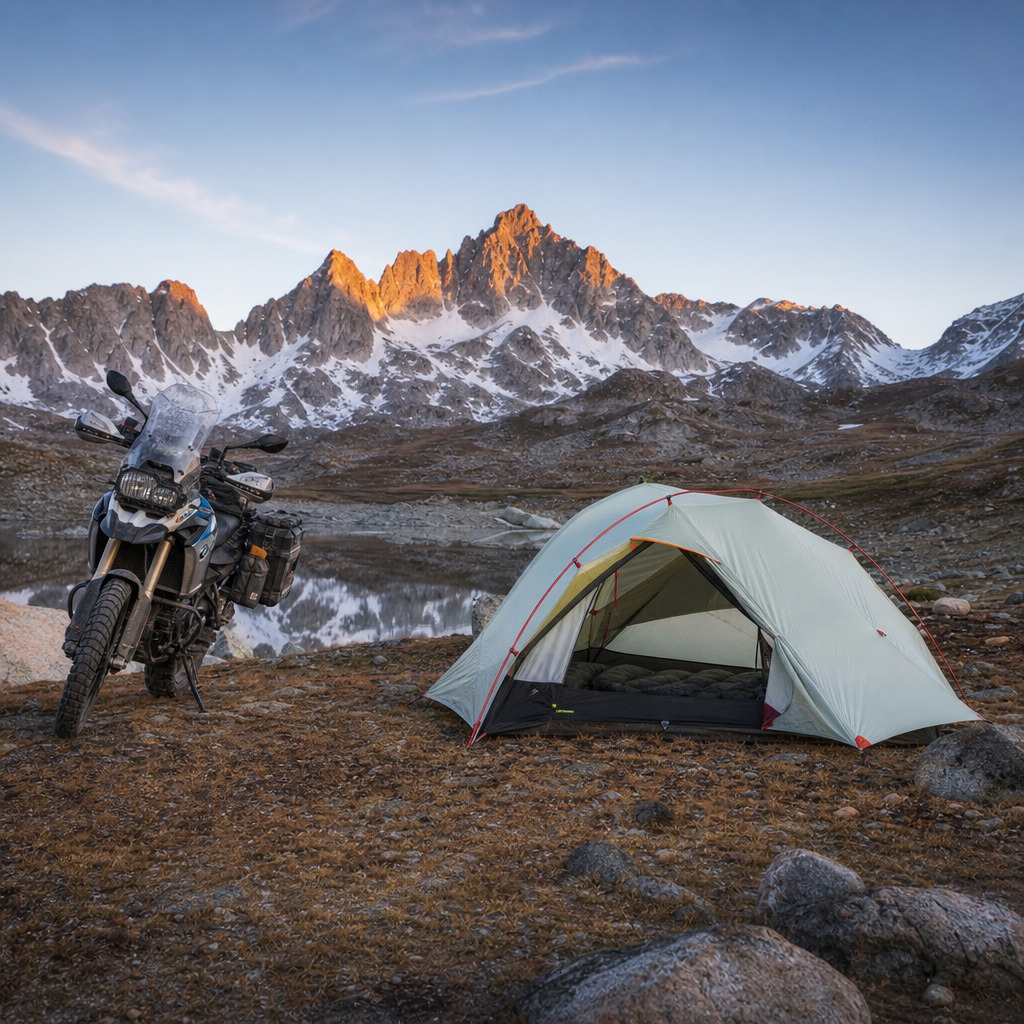
Adventure motorcyclists need camping gear that earns its place by surviving miles of vibration, sudden weather shifts, and tight packing limits, which is why the best lightweight tents for adventure motorcyclists in 2026 are not simply the lightest backpacking shelters on a store shelf. A lightweight motorcycle camping tent must balance packed size, wet-weather security, fast setup, repairability, and enough interior space to manage riding kit after a long day. In practical terms, most riders shopping this category are looking for solo or two-person shelters that pack under roughly 18 inches long, weigh between 2 and 5 pounds, and can be deployed quickly on gravel, hardpan, or imperfect campsites. This matters because motorcycle touring and camping impose different constraints than backpacking or car camping: panniers are rigid, weight is concentrated high and rearward, camps are often made at dusk, and gear failures can derail a route. I have learned on multi-day dual-sport trips that tent choice affects sleep, next-day energy, and even route confidence; when your shelter goes up in ten minutes and stays dry through wind-driven rain, everything from cooking to charging electronics becomes easier. This hub article covers the full touring and camping picture, from what makes a tent motorcycle-friendly to the standout lightweight models for 2026, how to choose by trip style, how to pack and maintain your shelter, and what supporting gear turns a basic campsite into a reliable road base.
What makes a tent motorcycle-friendly
A motorcycle-friendly tent starts with packed dimensions, not marketing weight. Many excellent backpacking tents use long pole segments that fit poorly across panniers or in duffels. For most adventure bikes, pole lengths around 12 to 17 inches are far easier to pack than 20-inch-plus bundles. Weight still matters, especially on smaller ADV and dual-sport machines, but compact shape often matters more because it determines whether the tent fits low and secure instead of strapped awkwardly across the tail. Freestanding or semi-freestanding designs also offer a real advantage for riders who camp on rocky clearings, compacted roadside sites, and established campgrounds where staking can be inconsistent.
Weather resistance is the next filter. A tent suitable for motorcycle touring should have a fully enclosed inner or strong solid-panel protection in key areas, a bathtub floor, dependable rainfly coverage, and quality guylines that hold in gusts. Hydrostatic head numbers alone do not tell the whole story, but fabrics in the 1200 to 3000 millimeter range with good coatings and factory-taped seams are common in quality lightweight tents. Equally important is architecture: low-profile geodesic and cross-pole designs tend to handle exposed camps better than ultralight single-arch shelters. Vestibule storage matters more for riders than hikers because helmets, armored jackets, wet boots, and tank bags need sheltered space without coming inside the sleeping area.
Setup speed and repairability are often overlooked until conditions deteriorate. Color-coded clips, hubbed pole systems, and simple fly-first or all-in-one pitching methods reduce frustration when arriving late. DAC, Yunan, and Easton poles have strong reputations because replacement sections and repair sleeves are easier to source than obscure proprietary hardware. Good tent ownership also extends beyond the shelter itself. This touring and camping hub connects naturally to deeper planning topics such as motorcycle luggage systems, sleep kits, camp cooking, and route-specific weather strategy, because a tent performs best when it is part of a complete campsite system rather than an isolated purchase.
Best lightweight tents for adventure motorcyclists in 2026
The strongest 2026 field includes proven backpacking tents, bikepacking-friendly shelters, and motorcycle-specific options. The Big Agnes Copper Spur HV UL2 Bikepack remains one of the smartest choices for riders who prioritize compact packed size. Its short pole segments fit panniers and rear duffels easily, the freestanding structure works on mixed surfaces, and the dual vestibules help separate riding gear from sleeping gear. It is not the cheapest option, and like many ultralight tents it rewards careful handling, but for solo riders wanting premium livability without bulk, it consistently delivers. The MSR Hubba Hubba Bikepack 2 is another top-tier pick, combining excellent interior space, short collapsed poles, and strong stormworthiness for a tent in its class.
For riders expecting harsher weather or more exposed camping, the Hilleberg Anaris and Hilleberg Niak deserve attention, though they target different users. The Anaris is trekking-pole dependent, making it less natural for some motorcyclists unless substitute poles are carried, but its weather pedigree and low weight are excellent. The Niak is more straightforward for touring use, offering notable ventilation and high-end construction with Hilleberg’s known fabric durability. Riders wanting value should look closely at the Nemo Dragonfly OSMO Bikepack series and Sea to Summit Telos TR2 Bikepack. Both offer compact pole lengths and thoughtful storage, and the Nemo in particular has impressed many riders with fast setup and balanced interior room. Durston’s X-Mid series continues to attract attention for efficient space-to-weight performance, though non-freestanding geometry means campsite selection matters more on motorcycle trips than on backpacking routes.
Motorcycle-specific tents still have a place, especially for riders who want garage space for gear changes or extended foul weather. Redverz and Lone Rider shelters are less “lightweight” in strict backpacking terms, yet they serve a real touring function by providing covered staging areas. For this article’s lightweight focus, however, they sit on the outer edge of suitability, best for larger ADV bikes and slower travel styles. Most riders are better served by a high-quality two-person backpacking tent used as a solo shelter. That gives enough room to bring soft luggage inside, change clothes without touching damp walls, and wait out rain comfortably. In my experience, moving from a minimal one-person bivy-style tent to a livable two-person shelter improves recovery enough to justify the modest weight increase.
Quick comparison of top 2026 tent options
The right choice depends on whether your priority is smallest packed size, strongest all-weather performance, best value, or comfort for longer tours. This comparison highlights where each option fits.
| Tent | Best for | Strengths | Tradeoffs |
|---|---|---|---|
| Big Agnes Copper Spur HV UL2 Bikepack | Premium solo touring | Short poles, roomy interior, easy freestanding setup | Higher price, lighter fabrics need care |
| MSR Hubba Hubba Bikepack 2 | Balanced all-around use | Compact packed size, strong weather protection, quality hardware | Premium cost, not the lightest in class |
| Nemo Dragonfly OSMO Bikepack | Value plus packability | Compact carry length, good ventilation, practical storage | Less robust feel than expedition-oriented tents |
| Sea to Summit Telos TR2 Bikepack | Interior comfort | Excellent headroom, smart organization, good airflow | More setup complexity, premium pricing |
| Hilleberg Niak | Durability-focused touring | Superb materials, reliable storm performance, long service life | Expensive, not bikepack-specific in packed format |
How to choose by trip style, bike, and climate
If you ride a middleweight or small-displacement adventure bike, every pound and every inch of packed length matters. A Yamaha Ténéré 700, KTM 390 Adventure, Honda CRF300L Rally, or Suzuki DR650 can carry camping gear well, but a bulky shelter still affects handling when mounted high. In that use case, a compact two-person tent around 3 to 4 pounds is the sweet spot. Riders on larger platforms such as the BMW R 1300 GS or Africa Twin have more luggage capacity, yet that does not mean they should ignore bulk. Larger bikes encourage overpacking, which adds fatigue in technical sections and complicates camp setup. Lightweight touring and camping works best when the tent supports a disciplined packing system rather than inviting extra gear.
Climate should guide architecture. Hot, humid summer routes across the Southeast reward mesh-rich inner tents with high-venting flies, while shoulder-season mountain travel in the Rockies, Alps, or Patagonia benefits from more protected inners, stronger guyout points, and lower profiles. Three-season tents cover the vast majority of motorcycle travel, but all three-season tents are not equal. A desert route with warm nights can tolerate more mesh and less fabric mass; a storm-prone route along the North Atlantic coast cannot. If your typical camp includes above-tree-line exposure or persistent wind, prioritize pole strength and fly geometry over saving the last few ounces.
Trip duration also changes the equation. Weekend riders can accept tighter living space because the shelter is used mainly for sleep. On a three-week tour, interior comfort becomes operationally important. You need room to dry gloves, sort electronics, and get dressed without grinding fabric against abrasive armor. For two-up travel, many couples discover that a lightweight three-person tent is more realistic than a two-person model once riding kit enters the picture. The key buying question is simple: what problem is the tent solving on your actual rides? If the answer is “pack tiny and disappear,” choose bikepack-style compactness. If the answer is “remain comfortable through repeated bad-weather stops,” choose stronger livability and weather security.
Packing, setup, and campsite strategy for touring and camping
Even the best lightweight tent performs poorly if it is packed wet, strapped loosely, or pitched in the wrong location. On the bike, I recommend separating poles from the tent body and fly when possible. Poles can ride in a pannier lid, tool tube, or low side compartment, while the soft tent bundle compresses into a dry bag. This improves shape efficiency and makes it easier to distribute mass. Always pack the shelter in a waterproof sack or lined luggage, because road spray and river crossings soak rear luggage faster than many riders expect. A dedicated footprint is optional on soft forest duff but valuable on gravel pads, desert sites, and established campgrounds where abrasion shortens floor life.
At camp, site selection matters more than tent specifications. Look for slight elevation, natural windbreaks, and ground that will not pool water if an overnight storm arrives. Avoid camping in dry washes, obvious runoff channels, or under dead branches. Face the narrowest tent profile into prevailing wind when possible and guy out the fly even if the weather looks calm; mountain weather can shift quickly after dark. Keep boots and helmets in the vestibule, not pressed against the fly, because hard edges transfer moisture and abrade fabric coatings. If you arrive wet, pitch the fly first whenever design allows, then bring the inner underneath to keep the sleeping area dry.
Touring and camping efficiency comes from repeatable routines. Store stakes, repair sleeve, spare guylines, and seam-compatible patch materials in the same pouch every trip. Practice one fast setup method at home until you can do it in failing light. If condensation is heavy, open high vents before sleeping and wipe walls with a pack towel in the morning before packing. These small habits preserve comfort and extend tent life. They also connect to the broader camping system: the right sleeping pad, a realistic camp chair choice, compact cooking kit, and organized charging setup reduce clutter inside the shelter and make a lightweight tent feel bigger than it is.
Maintenance, longevity, and related gear that complete the system
A good lightweight tent can last for years of motorcycle travel if it is maintained deliberately. The biggest enemies are UV exposure, dirt in zippers, and storing the tent compressed after wet trips. When you return home, dry every component fully, shake out grit, and store the tent loosely in a large sack or shelf bin rather than its stuff sack. Wash only when necessary, using manufacturer guidance and mild non-detergent soap. Reapply durable water repellent coatings when water stops beading on the fly, and inspect seam tape annually for peeling or hydrolysis. If elastic shock cord in the poles relaxes, replace it before a trip instead of fighting sloppy setup in bad weather.
Repairability should influence any purchase decision. Carry tenacious tape or a fabric repair patch, a zipper lubricant stick, one pole splint, and at least one spare stake compatible with your shelter. These items weigh very little and solve common field failures. If your route includes remote areas, verify whether the tent brand offers replacement poles, rainflies, and hardware quickly through domestic service centers. Brands with dependable parts support save money over time even when the initial purchase price is higher. That is one reason premium names continue to dominate among frequent travelers: ownership experience after the sale is often better, and that matters when your shelter is mission-critical on a long ride.
The best lightweight tents for adventure motorcyclists in 2026 succeed because they respect the realities of the road: limited packing space, unpredictable weather, and the need for quick, reliable shelter after demanding miles. Choose compact packed dimensions first, then evaluate weather protection, vestibule utility, setup speed, and long-term serviceability. For most riders, a premium or mid-range two-person bikepack-style tent is the smartest all-around answer, with the Big Agnes Copper Spur HV UL2 Bikepack, MSR Hubba Hubba Bikepack 2, Nemo Dragonfly OSMO Bikepack, Sea to Summit Telos TR2 Bikepack, and Hilleberg Niak standing out for different reasons. Build your touring and camping kit around the shelter, not the other way around, and the payoff is better sleep, smoother mornings, and more confidence to keep riding. Use this hub as your starting point, then refine your luggage, sleep system, cooking setup, and route planning so every overnight stop works as well as the miles that got you there.
Frequently Asked Questions
What makes a tent truly good for adventure motorcycling instead of just good for backpacking?
A tent that works well for adventure motorcyclists has to do more than post a low weight on a spec sheet. Backpacking tents are often designed around the assumption that a hiker is carrying everything on their back and setting up in relatively predictable campsites. Motorcycle travel changes that equation. Riders need a shelter that packs small in panniers or a duffel, but also holds up to repeated vibration, rough handling, and frequent setup and teardown over long trips. That means durable pole architecture, reinforced stake points, quality zippers, and fabrics that can survive real travel rather than a few fair-weather weekends.
The best lightweight motorcycle camping tents also need to manage weather uncertainty better than many ultralight backpacking models. Adventure riders may cross temperature swings, wind, rain, and altitude changes in a single day, then arrive at camp tired and wanting a quick, foolproof setup. A good motorcycle tent should pitch fast, offer reliable rain protection, and provide enough vestibule and interior room to deal with boots, armor layers, wet gloves, and other riding gear. In other words, the best option is usually not the absolute lightest tent available, but the one with the best balance of packed size, weather protection, livability, and long-term reliability on the road.
How light should a tent be for adventure motorcycle travel in 2026?
For most solo adventure riders, the practical sweet spot is usually a tent that is lightweight without becoming fragile or cramped. In real-world terms, many riders look for a shelter that is easy to compress into a compact load and does not consume valuable luggage space needed for tools, layers, cooking gear, and emergency items. The right target is less about chasing the lowest possible weight and more about choosing a tent that packs efficiently and still delivers dependable performance after repeated use.
In 2026, lightweight tents for motorcycle travel are generally expected to offer a better weight-to-durability ratio than older designs, thanks to improved fabrics, DAC-style pole systems, and more efficient geometry. However, riders should still be cautious with extremely minimal shelters. A very light tent can look attractive on paper but may sacrifice headroom, vestibule space, condensation control, or storm worthiness. For adventure use, shaving a few extra ounces rarely matters as much as having enough structure to handle wind, enough floor space to organize gear, and enough fabric strength to survive rough camps and long-distance travel. A slightly heavier tent that packs neatly and performs consistently is often the smarter choice than a delicate ultralight shelter that saves little space once packed.
Is a one-person tent enough for an adventure motorcyclist, or is a two-person tent the better choice?
For many solo riders, a two-person tent is actually the better motorcycle camping choice. A one-person tent may save some weight and packed bulk, but it can feel extremely tight once you bring in riding gear, electronics, layers, and the general clutter that comes with life on the road. Adventure motorcyclists are not just sleeping in the tent; they are often using it as a changing space, a storm shelter, and a place to dry or protect expensive gear. After a long day in the saddle, that extra room matters more than many people expect.
A lightweight two-person tent often hits the ideal balance for solo travel because it provides enough interior space to sit up, sort equipment, and keep critical items protected without becoming excessively large. If the design includes a useful vestibule, you can store muddy boots, luggage liners, or wet outerwear outside the sleeping area while still keeping them sheltered. A true one-person tent can still make sense for riders who prioritize minimalism above all else, especially on compact bikes with limited luggage capacity, but it usually involves comfort compromises. For extended trips or mixed weather travel, most adventure riders are happier with a compact two-person tent than a cramped solo shelter.
Which tent features matter most for bad weather and fast setup on a motorcycle trip?
When weather turns quickly, the most important features are a reliable full-coverage rainfly, a stable pole design, solid ventilation, and a setup process that can be completed quickly even when you are tired or dealing with fading light. Full rain coverage is essential because partial flies and highly exposed tent bodies can struggle in wind-driven rain. A bathtub floor, well-taped seams, and quality guy-out points also matter because storms on a motorcycle trip rarely arrive on a convenient schedule. Riders need a shelter that can handle wet ground, shifting gusts, and overnight rain without demanding constant adjustment.
Fast setup is equally important. Freestanding or semi-freestanding tents are especially popular with adventure motorcyclists because they are easier to pitch on variable surfaces, including gravel pads, hard-packed dirt, and imperfect campsites. Color-coded clips, simple hubbed poles, and inner-and-fly systems that go together without confusion can make a major difference after a long riding day. Ventilation should not be overlooked either. Condensation can become a real problem when temperatures drop or gear is damp, so a tent with well-placed vents and mesh balance is usually more comfortable than a sealed shelter. In short, the best bad-weather motorcycle tent is one that goes up quickly, sheds water confidently, stands firm in wind, and still breathes well enough for multi-day travel.
How can riders choose a lightweight tent that will last through years of adventure travel?
Long-term durability starts with choosing a tent from a reputable manufacturer that offers replacement parts, repair support, and a proven track record in field use. Adventure motorcycle travel puts repeated stress on gear through compression, vibration, dust, moisture, and frequent setup cycles, so construction quality matters. Strong poles, dependable hardware, durable floor material, reinforced stake loops, and smooth, sturdy zippers are all signs that a tent is built for the long haul. It is also wise to look for models with readily available repair sleeves, replacement pole sections, and patch kits, because field serviceability is a major advantage when you are far from home.
Care and packing habits are just as important as the original purchase. Riders can greatly extend tent life by drying it before long-term storage, avoiding repeated stuffing while soaked, clearing sharp debris from campsites, and using a footprint or groundsheet when appropriate. Packing poles separately from the tent body can also help create more efficient luggage layouts and reduce wear. If a tent is marketed as ultralight, it deserves extra scrutiny, since some ultralight materials perform brilliantly when used carefully but may wear faster under hard travel conditions. The best 2026 lightweight tents for adventure motorcyclists are the ones that combine compact packing and low weight with enough real-world toughness to be trusted night after night, trip after trip.