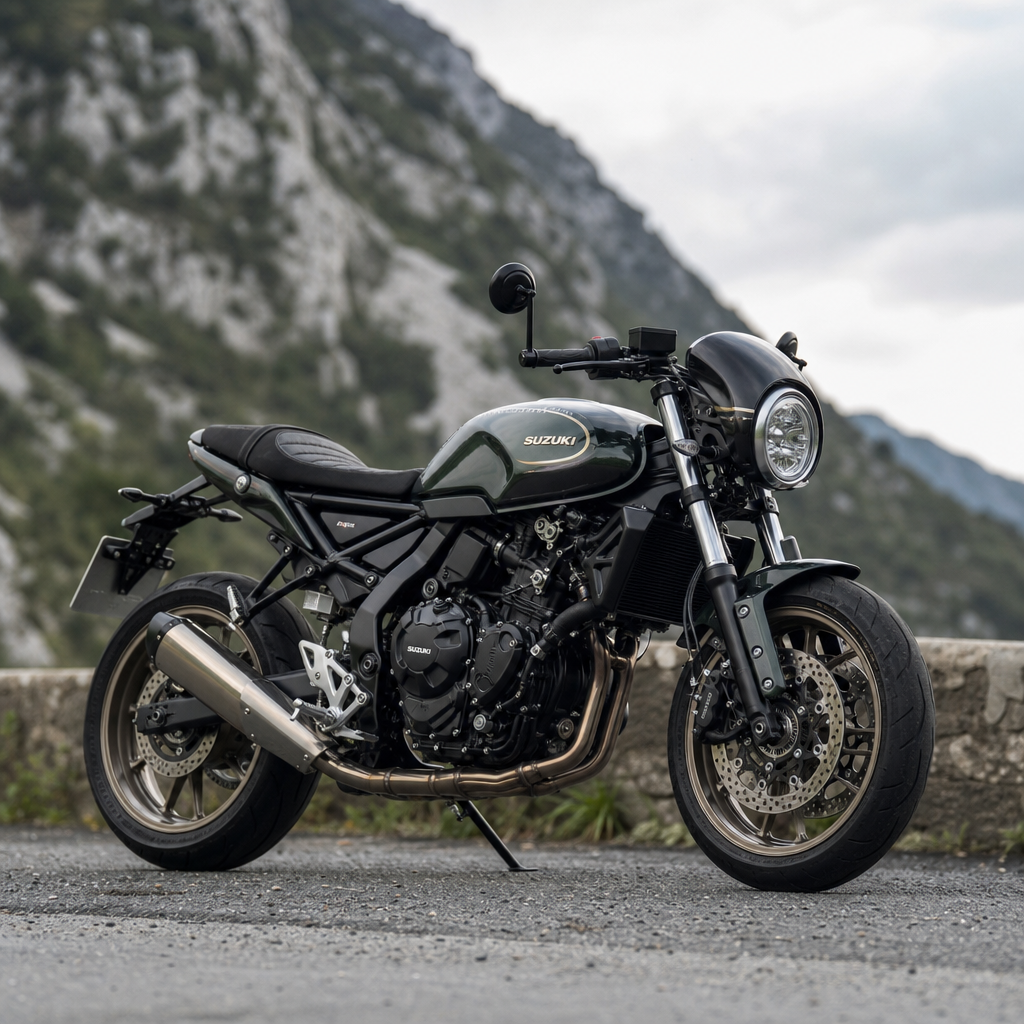
ADV Moto Club’s “100 Days of BDR” 2026 Challenge Itinerary is the practical roadmap riders need to prepare for a full season of Backcountry Discovery Routes, with equal focus on technical setup, route planning, and the updates shaping 2026 and 2027 travel. In this context, BDR refers to the nonprofit Backcountry Discovery Routes network of mostly unpaved, state-spanning adventure motorcycle routes built for dual-sport and ADV riding, while technical prep means the machine, luggage, navigation, safety, and maintenance decisions that let a rider finish long off-pavement days without avoidable breakdowns. This matters because the difference between a memorable week and a recovery truck usually comes down to details handled before departure: tire carcass choice, suspension sag, fuel range, clutch wear, current GPX files, and seasonal closures. I have planned and ridden enough mixed-surface trips to know that the most expensive mistakes are rarely dramatic; they are small oversights compounded by remoteness, fatigue, and weather.
As a hub article under The Open Road, this guide connects the practical questions riders ask before committing to a BDR season. Which routes are best for a first year? What changed in 2026 route access, mapping, and bike technology? How should riders prepare for the coming 2027 model and regulation cycle? The answer is not a single packing list. It is an itinerary framework that ties route difficulty, maintenance intervals, and logistics into a hundred-day planning window. Riders considering Washington BDR, Idaho BDR, Colorado BDR, or newer eastern routes face very different elevation, heat, water-crossing, and resupply profiles. A loaded middleweight ADV bike that is comfortable on Utah’s wide gravel can become a liability in rocky ledges or slick clay. Preparation therefore starts with matching motorcycle, rider skill, and route season rather than assuming every BDR is interchangeable.
What the 2026 Challenge Itinerary Should Accomplish
The strongest version of a 100-day BDR challenge is not necessarily 100 consecutive riding days. For most club riders, it is a structured season built across roughly one hundred calendar days that includes training rides, workshop time, route research, shakedowns, and one or more major BDR completions. That distinction matters because successful BDR travel is cumulative. Day rides test ergonomics. Weekend overnighters expose luggage weaknesses. A three-day gravel loop reveals whether your stator can support heated gear, GPS, auxiliary lighting, and device charging without battery drain. By the time the flagship route begins, every major system should already have failed in a controlled environment if it was going to fail at all.
A realistic itinerary uses phases. Days 1 through 20 are baseline assessment: service history review, compression and charging checks where relevant, wheel bearing inspection, chain and sprocket measurement, brake pad thickness, and suspension setup for loaded weight. Days 21 through 45 are equipment validation: navigation stack, tool roll, tire repair method, soft luggage placement, and camping kit minimization. Days 46 through 70 are route-specific preparation: snowpack monitoring for mountain states, state fire restrictions, local OHV rule checks, and current BDR reroute notices. Days 71 through 100 are execution and review, where riders complete the target route, document fuel stops and hazards, and refine the machine for the next route. That is how a challenge itinerary becomes repeatable rather than aspirational.
Motorcycle Technical Prep for ADV and BDR Riding
Technical prep begins with reliability, not accessories. Start with the service manual and the manufacturer’s maintenance schedule, then adjust for dust, heat, load, and low-speed technical riding. On many ADV motorcycles, oil service intervals assume mixed on-road use. Sustained clutch work in sand or slow rocky climbs oxidizes oil faster and raises temperatures, so conservative riders shorten intervals before and after a BDR. Air filtration is even more critical. Fine silt on western routes can overwhelm a neglected filter in a single group ride. Oiled foam systems, spare filter skins, and proper sealing grease around the airbox lip prevent the top-end wear that turns a season plan into an engine rebuild.
Protection and chassis setup deserve the same seriousness. A skid plate, hand guards, radiator protection, and case covers are foundational on exposed routes, but protective parts should not create service headaches or trap heat. Suspension sag should be set with actual luggage weight, because too little rear preload slows steering and increases bottoming, while too much preload unloads the front tire on climbs. Wheels should be trued, spokes checked, and tubeless riders should inspect rim tape and valve stems before departure. If the bike uses tubes, carry the correct front and rear tube sizes, patches, levers, and a pump you have already tested. I have seen riders carry elegant repair kits they had never used; practice matters more than brand names.
| Prep Area | What to Check | Why It Matters on a BDR |
|---|---|---|
| Tires | Tread depth, sidewall condition, carcass type, pressure plan | Traction and puncture resistance vary drastically between rock, mud, and pavement transfers |
| Suspension | Static/rider sag, preload, damping, fork seal condition | Loaded bikes handle poorly and fatigue riders when suspension is not tuned for travel weight |
| Drivetrain | Chain stretch, sprocket wear, lubrication, gearing choice | Incorrect gearing increases clutch heat and reduces control on steep technical sections |
| Electrical | Battery health, charging output, fuse access, accessory draw | Navigation and communication failures often trace back to weak charging systems |
| Brakes | Pad thickness, rotor wear, fluid age, ABS behavior off road | Long descents and loaded mass expose weak brakes quickly |
Navigation, Communications, and Route Integrity in 2026
For 2026 BDR planning, navigation discipline is as important as riding skill. Riders should use the latest official GPX tracks from the route source, compare them with current forest and BLM closure information, and preload offline basemaps into at least two devices. A primary rugged GPS such as a Garmin Tread, Garmin Zumo XT2, or tablet running Gaia GPS, onX Offroad, or OsmAnd should be paired with a backup phone or compact navigator. Do not rely on cell service for route integrity. In mountain states, one storm, one washout, or one active fire can force an unplanned bypass, and a rider without alternate maps often loses hours backtracking.
Communication standards have also changed rider expectations. InReach and Zoleo satellite messengers are now effectively baseline safety equipment for solo travel, not luxury items. Group riders still benefit from helmet comms, but satellite check-ins matter more when plans change. A simple communications protocol works best: morning route review, known bailouts marked on devices, check-in windows, and a hard turnaround time if a section becomes slower than expected. In 2026, route integrity also means respecting temporary reroutes rather than trying to force outdated tracks through closures. BDR travel depends on continued access, and the fastest way to lose that access is to ignore land management restrictions, private property boundaries, or seasonal gates.
2026 and 2027 Updates Riders Should Track Now
The most important 2026 and 2027 updates are not just new motorcycles; they are access conditions, digital mapping maturity, and equipment trends affecting field reliability. First, route season windows are shifting. Lower snow years can open alpine sections earlier, but intense spring runoff, monsoon washouts, and late fire closures can reverse assumptions quickly. Riders should monitor NOAA forecasts, state DOT mountain pass data, U.S. Forest Service alerts, and official route advisories from the route provider. Second, electronic rider aids continue to improve. Modern ADV bikes offer more useful off-road ABS, rear ABS disable settings, configurable traction control, and rally-style ride modes than many riders fully exploit. Learn what each setting changes before the route starts.
Looking toward 2027, emissions compliance and platform redesigns will continue to influence motorcycle choice. That can mean more ride-by-wire refinement, tighter fueling control, and in some cases more integrated electronics that are excellent in use but harder to field-diagnose far from a dealership. Riders shopping in 2026 should evaluate not just horsepower, but serviceability: battery access, air filter access, wheel removal complexity, and whether common failure items can be addressed trailside. Tire technology is also improving, with stronger adventure-touring carcasses and better wet-pavement manners from aggressive patterns, yet no tire eliminates the tradeoff between longevity and dirt traction. The right tire for a 3,000-mile mixed itinerary may not be the right tire for a shorter route with deep mud and rock shelves.
Route Strategy, Logistics, and Skill Building for the Challenge
Choosing a route sequence is the heart of the itinerary. Newer BDR riders usually do better starting with routes that offer frequent resupply, clearer bypass options, and easier exits to pavement. That does not always mean easy terrain, but it reduces consequence while skills catch up. More experienced riders can stack a season around terrain progression: fast gravel first, then embedded rock, then higher-altitude technical sections. Logistics should be documented in a ride plan that includes fuel spacing, likely lodging or camps, water capacity, weather contingency days, maintenance checkpoints, and transport details to and from the route. A support truck is unnecessary for most riders, but pre-booked tire shipments or service stops can make a long challenge sustainable.
Skill work should mirror the route demands. If the season target includes loose hill climbs, practice clutch-throttle coordination, braking on descents, line choice through baby-head rocks, and picking up the motorcycle alone on uneven ground. If sand is likely, train with momentum, body position, and vision rather than trying to steer the front wheel rigidly. Build fitness too. BDR fatigue is cumulative, and many crashes happen late in the day during simple maneuvers around gates, ruts, or parking surfaces. The best itinerary includes recovery days and post-ride inspection windows. After every multiday shakedown, review what rubbed through, loosened, leaked, or overloaded. That feedback loop is the real value of the 100-day concept: every ride improves the next one, and every correction protects the larger goal.
ADV Moto Club’s 100 Days of BDR 2026 challenge works best when riders treat it as a disciplined preparation cycle rather than a slogan. The core lesson is simple: BDR success comes from matching the route to the rider, then building a motorcycle and logistics plan that can absorb real-world friction. Service the bike to a standard higher than the factory minimum, validate luggage and navigation before the main trip, and use current route intelligence instead of assumptions from old ride reports. Track the 2026 access picture closely, especially snow, fires, and closures, and make 2027 buying decisions with field serviceability in mind, not just showroom specifications.
As the hub for ADV and BDR technical prep plus 2026 and 2027 updates, this page should anchor your planning for route selection, bike setup, electronics, tires, and seasonal logistics. The benefit is confidence: fewer preventable failures, better daily mileage decisions, and more margin when conditions turn difficult. If you are building your own challenge itinerary now, start with a full mechanical baseline, download the latest official tracks, schedule two loaded shakedown rides, and document every issue you find. That process will do more for your season than any last-minute accessory order, and it is the clearest path to finishing strong on the backcountry miles that matter most.
Frequently Asked Questions
What is the ADV Moto Club “100 Days of BDR” 2026 Challenge Itinerary, and who is it designed for?
The ADV Moto Club “100 Days of BDR” 2026 Challenge Itinerary is a season-long planning framework built around riding, preparing for, and successfully managing multiple Backcountry Discovery Routes during the 2026 adventure riding season. In this article’s context, BDR refers to the Backcountry Discovery Routes organization and its nonprofit network of mostly unpaved, state-spanning dual-sport and adventure motorcycle routes. The itinerary is not just a list of rides. It is a practical roadmap that helps riders organize the entire experience, including route selection, bike setup, luggage strategy, navigation tools, maintenance intervals, rider fitness, timing, weather awareness, and the policy or access updates likely to affect 2026 and 2027 travel.
It is designed for a wide range of riders. Newer ADV and dual-sport riders can use it to break a big season into manageable steps, avoid common planning mistakes, and understand what “technical prep” really means before committing to remote backcountry miles. Experienced riders benefit because the itinerary brings structure to a long season, especially when juggling multiple routes, changing regional conditions, wildfire closures, public land restrictions, permit considerations, and equipment wear across several states. It is also valuable for groups, ride leaders, and solo travelers who want a repeatable system for turning a bucket-list concept into a realistic calendar with checkpoints, maintenance windows, and route-specific preparation.
In short, this challenge itinerary is for riders who want more than inspiration. It is for people who want a methodical way to prepare for a full BDR season and make smart decisions about where to ride, what to pack, how to navigate, and when to adapt plans as 2026 unfolds.
How should riders prepare their motorcycle and gear for a full season of BDR travel in 2026?
For a full season of BDR travel, the most important mindset is to prepare for reliability, not just capability. Many riders focus on accessories first, but the real foundation is a mechanically sound motorcycle with a setup matched to terrain, rider skill, and expected load. Start with a complete service baseline: fresh fluids, air filter, brake inspection, chain and sprocket assessment, wheel bearings, battery health, spokes, tires, tubes or tubeless repair readiness, and suspension condition. If any component is near the end of its service life, replace it before the season rather than hoping it lasts through several remote routes. A bike that starts every morning, handles rough terrain predictably, and can be repaired trailside is more valuable than one overloaded with unnecessary add-ons.
Technical prep also includes how the machine is configured for backcountry travel. Protection items such as a skid plate, handguards, radiator protection where appropriate, and solid luggage mounting matter because BDR routes frequently include rocky sections, ruts, washboard, baby heads, steep climbs, and occasional drops at low speed. Tire choice should reflect the most difficult terrain you realistically expect to encounter, not the easiest miles on the route. Riders planning multiple BDRs in one season should also think in maintenance cycles: how many miles each tire will last, when to schedule oil changes, how to carry route-specific spares, and what consumables may be hard to source in small towns along the way.
Gear preparation is equally important. Luggage should be compact, weather-resistant, and organized so essential items are always accessible. That usually means separating repair tools, medical gear, hydration, rain layers, camp kit, and electronics rather than burying everything in one large duffel. Navigation equipment deserves special attention. Riders should carry a primary system such as a GPS unit or smartphone-based navigation app loaded with BDR tracks, plus an offline backup and charging strategy. The best setup is one you have already tested on local rides, because the backcountry is the wrong place to discover a mount that fails, a cable that disconnects, or a screen that becomes unreadable in sun and dust.
Finally, riders should prepare themselves, not just the motorcycle. Fatigue, dehydration, and poor decision-making cause more trouble than many mechanical issues. A successful 2026 BDR season depends on matching the bike, the luggage, the pace, and the route difficulty to the rider’s real endurance and off-pavement skill level.
What should riders consider when planning routes, schedules, and seasonal timing for the 2026 and 2027 BDR travel window?
Route planning for a full BDR season should begin with timing, because weather, snowpack, heat, wildfire activity, and temporary closures shape every other decision. The smartest itineraries are built region by region rather than trying to force fixed dates onto routes that may not be ready. Mountain routes can open late due to snow or storm damage, desert sections can become dangerously hot, and wildfire season can change access with very little warning. That makes flexibility one of the most valuable parts of any “100 Days of BDR” style plan. Instead of locking every route into rigid dates months in advance, riders should identify preferred windows, backup options, and alternate routes in case conditions change.
Fuel range, resupply spacing, lodging or camping choices, and transfer mileage between states also deserve detailed attention. One of the biggest mistakes in multi-route planning is underestimating how much energy and time are consumed not by the trail itself, but by repositioning, repairs, weather delays, laundry, resupply, and recovery days. A realistic itinerary should include maintenance stops, contingency days, and the possibility that a route may need to be shortened, reversed, or split into segments. Riders covering several BDRs in one season should also account for the cumulative effects of wear on tires, chains, brake pads, soft luggage, body endurance, and attention span.
Looking ahead to 2026 and 2027, riders should monitor official route updates, land management announcements, seasonal road restrictions, and any changes to public access that may affect traditional travel windows. Because BDR travel depends heavily on public land access and local conditions, the best source for route-specific decisions is always the official BDR information combined with current local reports. Smart planners treat GPS tracks as a foundation, not a guarantee. Bridges wash out, fire damage leads to reroutes, and county roads can be temporarily closed even when a route appears rideable on paper.
The most effective strategy is to build a season with priorities. Choose must-ride routes, nice-to-have routes, and fallback routes. That approach keeps the itinerary resilient and makes it far easier to adapt if 2026 develops differently than expected.
How important is navigation and communication for a long BDR challenge, and what setup works best?
Navigation and communication are mission-critical on any extended BDR challenge because these routes often lead far beyond cell coverage, pavement, and immediate roadside help. Riders should assume that at some point they will need to find a reroute, confirm fuel strategy, diagnose their location during a mechanical issue, or communicate an emergency from a remote area. That means a layered system works best. The ideal setup includes a primary navigation device with current tracks loaded and tested, a secondary offline backup, a power solution that can survive vibration and weather, and an emergency communication device such as a satellite messenger or satellite communicator.
For navigation, consistency matters more than novelty. A rider who thoroughly understands one dependable system will usually perform better than someone carrying several devices they have barely used. Tracks should be downloaded well before departure, organized clearly by route and section, and cross-checked against official BDR updates. Riders should also know how to identify waypoints for fuel, lodging, campsites, water, and bailout points. On a long challenge itinerary, it is especially useful to keep route notes for known difficult sections, seasonal obstacles, and areas where weather can dramatically alter road conditions.
Communication planning should cover both routine coordination and emergencies. Group riders need a clear system for spacing, check-ins, lead and sweep responsibilities, and what happens if someone misses a turn or becomes separated. Solo riders should leave a detailed travel plan with a trusted contact and update them regularly. In remote terrain, satellite tracking and SOS capability can be a major safety advantage, but only if the rider understands how to use it and keeps it accessible rather than packed deep in luggage.
The best overall setup is practical, redundant, and field-tested. If your mount vibrates loose, your phone overheats, or your charging cable fails after days of dust and washboard, your navigation strategy falls apart quickly. That is why experienced BDR riders test their full system on shorter rides before committing to a 2026 challenge schedule. In this kind of travel, navigation is not an accessory. It is a core part of risk management.
What are the biggest mistakes riders make when attempting a season-long BDR itinerary, and how can they avoid them?
The biggest mistake is treating a season-long BDR plan like a simple list of destinations instead of a complex backcountry project. Riders often underestimate the combined demands of terrain, weather, logistics, fatigue, mechanical wear, and decision-making over time. A route that feels manageable in isolation can become much harder when it is the third or fourth major ride of the season and the rider is already tired, the tires are half spent, and small maintenance issues have started to stack up. The way to avoid