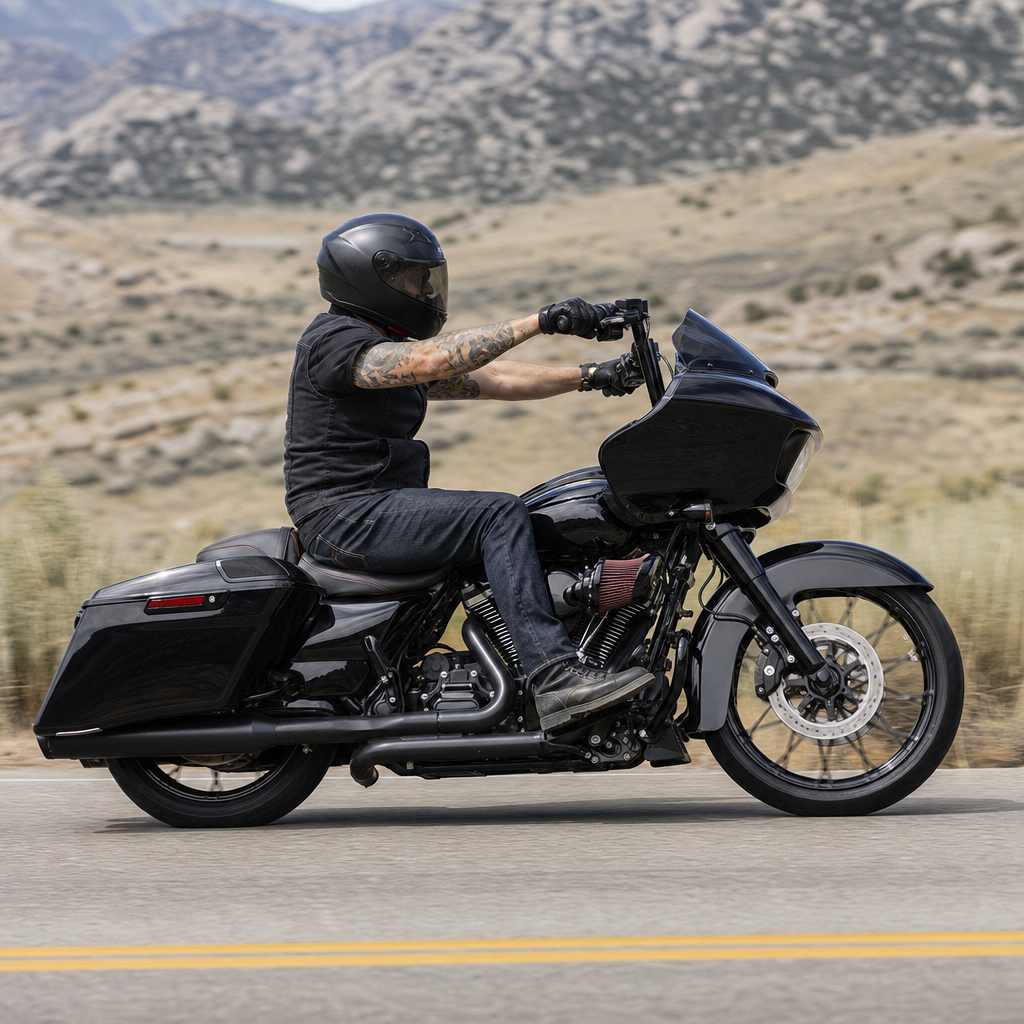
ABATE Boogie in Indiana, scheduled for July 2026, is one of the Midwest’s most recognizable biker campouts, blending live music, motorcycle culture, camping logistics, and rider community into a single long-weekend rally experience. For riders planning a summer event calendar, this gathering matters because it sits at the intersection of rally culture and practical travel planning: where to camp, how to prep the bike, what to pack, how to budget, and how to navigate arrival, weather, and on-site routines without turning a fun trip into a stressful one. In this guide, I treat ABATE Boogie as both a destination event and a planning anchor for the broader world of rally calendars and logistics, because that is how experienced riders actually use it. They do not just ask, “Is it worth going?” They ask, “How does it fit into my season, my route, my gear loadout, and my recovery plan for the ride home?”
At its core, a biker campout is a motorcycle rally built around overnight stays, usually with tent camping, vendor areas, entertainment, food, and organized social spaces. A rally calendar is the working schedule riders use to map events across a season, balancing dates, distances, and budgets. Logistics covers every operational detail behind a successful trip: registration, entry timing, fuel stops, weather prep, hydration, bike maintenance, camp setup, phone charging, and exit strategy. Those details are not glamorous, but after years of planning multi-day motorcycle events, I can say they determine whether the weekend feels smooth or chaotic. The riders who enjoy these events most are rarely the ones with the most expensive touring rigs. They are the ones who arrive prepared, know what compromises they are making, and have realistic expectations about Indiana heat, summer rain, noise, mud, and the fatigue that follows a full day in the saddle followed by a late night in camp.
ABATE Boogie earns attention because it serves multiple rider types at once. It appeals to local Indiana riders looking for a familiar annual tradition, regional travelers building a summer loop through Midwestern rallies, and first-time campout attendees wanting a large but still accessible event. It also functions as a useful hub topic for anyone researching rally calendars and logistics more broadly. Once you understand how to plan for a campout like this one, you can apply the same framework to other events under The Open Road: registration deadlines, trailer versus ride-in decisions, weather contingencies, campground etiquette, roadside repair planning, and post-event travel safety. That is why this article goes beyond basic event promotion. It is designed to help you decide whether ABATE Boogie belongs on your July 2026 schedule and to give you a repeatable system for evaluating any motorcycle rally with confidence.
What ABATE Boogie is and why riders put it on the calendar
ABATE Boogie is best understood as a summer motorcycle campout anchored in community, entertainment, and the social side of riding. Events in this category usually center on live bands, camping, vendor access, food and drink, and the freedom to spend several days around other riders without needing a tightly programmed touring itinerary. That distinction matters. This is not a hotel-based destination ride where the bike is parked all weekend while attendees move between downtown venues. It is a camp-centered rally environment, and that changes everything about planning. You need to think in terms of load capacity, tent footprint, shade, hydration, flashlights, footwear for grass or mud, and how much comfort you can pack without compromising safety on the ride in.
On a rally calendar, July campouts fill a very specific niche. Weather is generally favorable for camping, daylight hours are long, and many riders use these events as centerpiece weekends between spring shake-down rides and late-summer charity runs or regional festivals. In practical terms, ABATE Boogie can become the anchor date around which nearby rides are organized. A rider coming from Illinois, Kentucky, Ohio, or Michigan may combine the campout with scenic backroad travel, a state park overnight on the return, or a stop at a dealership, museum, or independent shop along the route. That is how experienced riders stretch the value of one event into a full travel block without adding unnecessary miles.
The event’s reputation also reflects something important about long-running motorcycle gatherings: predictability is valuable. Riders return to rallies that reliably offer space, activity, and a recognizable culture. Even when exact 2026 details such as lineup, entry structure, or specific amenities are updated closer to the date, the planning principles stay constant. You watch official event channels for confirmed information, but you prepare using known patterns of Midwestern summer rallies: hot afternoons, cooler nights than many first-timers expect, intermittent storms, dusty or muddy grounds depending on rainfall, and heavy arrival windows that can create gate delays. Knowing those patterns gives you a planning advantage well before the final schedule is posted.
How to plan travel, registration, and arrival without last-minute problems
The most common mistake riders make with a major campout is treating the event itself as the whole trip. In reality, the event is only one segment. The trip starts when you set your schedule and ends when you get home safely, unpacked, and recovered. Begin with registration and official information. Confirm dates, admission rules, age restrictions if relevant to your group, camping policies, accepted payment methods, re-entry procedures, and whether specific bike or vehicle rules apply. Do not rely on old forum posts or social media comments from prior years as your final authority. Official organizer updates should control your plan.
Arrival timing has an outsized effect on the weekend. If you reach the grounds late in the day during peak intake, you may face slow gate processing, reduced campsite choice, more heat stress, and a tent setup in fading light. I generally advise riders to target an arrival window that leaves margin for traffic, fuel, and one unexpected stop. For many campouts, earlier arrival means flatter ground, easier coordination with friends, and less frustration unloading gear. If you are riding with a group, set one final fuel-and-food meet point before the venue so nobody blocks check-in lanes while trying to regroup.
Route planning should prioritize reliability over romance. A scenic backroad approach is great if you have time, daylight, and fuel certainty. If a storm line is moving in or your group includes less experienced riders, a faster divided-highway approach may be smarter. Use tools such as Google Maps, REVER, Harley-Davidson Ride Planner, or Garmin BaseCamp to build alternate routes, then save offline access in case cellular service is weak near the venue. Share the route with at least one person not attending. If your bike has limited range after luggage and highway speeds, calculate fuel stops conservatively. Headwinds, stop-and-go traffic, and idling at entrances reduce the distance between fills more than many riders expect.
| Planning Area | Best Practice | Why It Matters |
|---|---|---|
| Registration | Verify official 2026 details before departure | Prevents gate surprises and incorrect assumptions |
| Arrival | Reach the venue with at least two hours of daylight | Improves campsite choice and setup safety |
| Route | Save a primary and backup route offline | Protects against closures and weak signal |
| Fuel | Plan stops at 120 to 150 miles unless your range is proven | Builds margin for traffic, detours, and heat |
| Group Ride | Set staggered meetup points instead of one giant caravan | Reduces delays and lowers group-riding risk |
| Cash and Payment | Carry cards plus cash in small denominations | Useful for vendors, ice, tips, and spotty card systems |
Camping setup, bike prep, and what experienced rally riders pack
Good rally logistics start with honest packing. Every item should earn its place by improving sleep, safety, weather resilience, or bike reliability. For ABATE Boogie in July, think first about heat management and sleeping conditions. A compact tent with a full rainfly, low-bulk sleeping pad, and lightweight sleeping bag or liner usually outperforms oversized gear that is hard to strap down. Bring a ground cloth sized correctly under the tent footprint, not extending past it, or you can funnel rainwater underneath. A small battery fan can make a major difference in humid overnight conditions, but only if you have a realistic charging plan.
Bike prep should happen at least a week before departure, not the night before. Check tire age, tread depth, and pressures cold. Inspect brake pad thickness, belt or chain condition, lights, horn, fluid levels, battery health, and any luggage mounting hardware. If your bike uses soft bags, verify heat shielding and strap security after a test ride. Many rally problems are not dramatic breakdowns; they are small failures such as a loose bungee, a dead phone mount, a missing rain layer, or a side stand sinking into soft ground. Pack a side-stand puck, basic tool roll, tire pressure gauge, battery bank, chain lube if applicable, and a compact rain suit that has already been tested at speed.
Camp comfort matters more than many riders admit. The riders who seem effortless on day two are usually the ones who slept decently, changed into dry socks, and ate something more substantial than bar snacks. Pack for quick transitions: camp shoes, microfiber towel, toiletries in a grab pouch, earplugs for sleeping, and a headlamp with spare batteries. Hydration systems work better than relying on occasional bottled water runs. In Indiana summer conditions, dehydration can build quickly even when you are sitting in the shade because alcohol, sun exposure, and long rides all compound fluid loss. Add electrolytes, not just plain water, especially after hours on hot pavement.
Budgeting, safety, and on-site strategy for a better weekend
Rally budgeting is easiest when divided into five categories: event entry, fuel, food and drink, camping gear or consumables, and contingency money. Riders often underestimate the last category, but it is the one that saves the trip. A contingency fund covers ice, extra fuel, a replacement strap, over-the-counter medicine, a motel if weather turns severe, or a trailer share if a mechanical issue ends the ride home. If you build a realistic cost plan before July 2026, ABATE Boogie becomes less of a financial guess and more of an intentional travel purchase.
Safety at a biker campout is mostly about judgment, pace, and routine. The highest-risk windows are usually arrival, late-night movement around camp, and departure when riders are tired, dehydrated, or sunburned. Keep your valuables minimal and your camp visible enough to relocate after dark. Use a simple landmark system rather than trusting memory in a large field. Photograph your campsite when you arrive. Set one dry storage area inside the tent or luggage for phone, wallet, keys, and chargers. If you drink, establish a hard boundary that the bike does not move again that day. It sounds obvious, but the combination of excitement, peer energy, and short on-site riding distances can encourage bad decisions.
For first-timers, one of the smartest on-site tactics is to build a rhythm. Handle setup completely before socializing. Locate water, restrooms, food vendors, shaded seating, and your likely exit route while it is still light. Confirm where your friends are camped and agree on a fallback meeting point in case cell service gets overloaded. If severe weather is forecast, identify hard-structure shelter options and do not wait until the first lightning strike to think about them. Summer campouts reward people who front-load the boring tasks. Once that groundwork is done, the event becomes much easier to enjoy.
Using ABATE Boogie as a hub for rally calendars and logistics
As a sub-pillar within The Open Road, ABATE Boogie works best when viewed as a model for planning the rest of your rally season. The same framework applies to nearly every motorcycle event article you may read next: check official dates, understand the event format, measure riding distance against fatigue, estimate total cost, prep the bike, pack for weather, and create a safe departure plan. If you are building a personal rally calendar for 2026, classify events by type. Campouts demand gear volume and recovery time. Day rallies demand less packing but still require route and fuel discipline. Hotel rallies reduce gear strain but increase booking pressure and nightly cost.
This hub perspective also helps with internal trip sequencing. A rider might schedule a local warm-up event in May, a medium-distance overnight in June, ABATE Boogie in July as the major campout, and a lighter scenic ride in August. That progression spreads costs, reveals bike issues early, and lets you refine your packing system before the headline event. I have seen riders dramatically improve their rally experience simply by treating the season as a series of test-and-adjust cycles instead of independent weekends. One better dry bag, one smarter charging setup, or one earlier departure time can change the entire feel of the trip.
ABATE Boogie stands out because it offers more than entertainment; it gives riders a practical proving ground for motorcycle travel systems. If your luggage setup works there, it will likely work on other summer rallies. If your hydration plan fails there, you will know exactly what to change. That is the value of using one event as a planning hub. Put the date on your July 2026 calendar, monitor official event updates, and start building the ride now. The more deliberate your logistics, the more freedom you will feel once your kickstand is down and the campout begins.
Frequently Asked Questions
What is ABATE Boogie, and why is it such a popular summer biker campout in Indiana?
ABATE Boogie is widely recognized as one of Indiana’s best-known biker campouts, combining the core elements many riders want from a midsummer rally weekend: motorcycle culture, live entertainment, camping, social atmosphere, and the freedom of an outdoor gathering built around the riding community. For many attendees, the appeal is not just the event itself, but the full experience of riding in, setting up camp, reconnecting with friends, and spending several days immersed in a rally environment that feels distinctly Midwestern, approachable, and rider-focused.
What makes the Boogie stand out is the way it blends practical campout logistics with classic rally energy. Riders are not only thinking about the music lineup or evening atmosphere; they are also planning fuel stops, tent or RV setup, weather-readiness, hydration, food, and how to manage a comfortable stay over a full summer weekend. That combination gives the event broad appeal. Some people come for the social side and nightlife, others come for the tradition, and many simply want a reliable annual stop on the summer motorcycle calendar.
Its reputation also comes from consistency. Events like this become important because riders can build plans around them year after year, whether they are traveling from across Indiana or riding in from neighboring Midwest states. In that sense, ABATE Boogie is more than a party weekend. It functions as a destination rally, a camping trip, and a seasonal checkpoint for people who organize much of their summer around where and when they ride.
What should riders know before planning a trip to ABATE Boogie in July 2026?
The most important thing to understand is that a successful Boogie weekend starts before you ever leave home. July in Indiana typically means heat, humidity, possible thunderstorms, and heavy summer travel conditions, so planning should cover both the ride and the campout. Start with the basics: confirm official event dates, gate times, admission details, camping rules, and any age, vehicle, or site-specific policies directly through the event’s official channels before making assumptions based on prior years. Rally procedures can change, and having up-to-date information prevents avoidable problems at arrival.
Next, map your route with practicality in mind. If you are riding in from out of town, identify fuel stops, meal breaks, alternate weather routes, and nearby services such as tire shops, pharmacies, and hotels in case your plans change. Riders towing trailers or hauling extra camping equipment should also think about parking, unloading, and how easy it will be to move through event traffic during peak arrival windows. If you are traveling with a group, designate regrouping locations and backup communication plans in case cell service becomes inconsistent.
It is also wise to plan your budget in advance. Include admission, fuel, food, ice, beverages, camping gear, merchandise, emergency cash, and any maintenance costs that could come up before or after the trip. A lot of riders underestimate how quickly a long weekend rally adds up, especially in hot-weather camp settings where you may be buying extra water, shade supplies, or comfort items. The better your trip planning is before departure, the more relaxed and enjoyable the weekend tends to be once you get on site.
What camping gear and personal items should you pack for ABATE Boogie?
Pack for three realities at once: summer heat, sudden rain, and life outdoors for multiple days. At minimum, most riders should bring a dependable tent or other approved shelter, a rainfly, quality stakes, a sleeping bag or sheet suited for warm nights, and a sleeping pad or cot for insulation and comfort. Shade is just as important as shelter, so items like a canopy, tarp, or lightweight sun cover can make an enormous difference during the hottest parts of the day. If you have ever camped at a summer rally without enough shade, you already know it can turn a fun weekend into an exhausting one.
Clothing should be chosen with changing conditions in mind. Bring breathable riding layers, extra T-shirts, socks, and underlayers, plus a compact rain suit and dry storage bags for electronics and spare clothes. Even if daytime temperatures are hot, evenings can feel cooler after storms, especially if you have gotten wet earlier in the day. Footwear matters too. A second pair of shoes or camp boots is useful when your riding boots need to dry out or when you want something more comfortable around camp.
For personal supplies, prioritize hydration and hygiene. Bring refillable water containers, electrolyte packets, sunscreen, sunglasses, a hat, wet wipes, toiletries, any prescription medications, earplugs, a flashlight or headlamp, portable chargers, and a small first-aid kit. Add insect repellent, cash, identification, and a secure place to store valuables. Small convenience items are often the most appreciated once you arrive: zip ties, duct tape, trash bags, bungee cords, paper towels, camp chairs, and a cooler. The best packing strategy is to think in terms of self-sufficiency. If weather shifts or lines get long, having your essentials at camp keeps the weekend smoother and far more comfortable.
How should riders prepare their motorcycle for a long summer rally weekend like ABATE Boogie?
Before heading to any multi-day campout, give the bike a thorough pre-trip inspection instead of assuming it is ready because it has been running fine locally. Start with tires, including tread depth, visible damage, and proper pressure for your load. If you are carrying camping gear, a passenger, or extra cargo, your setup affects handling and braking, so adjust accordingly. Check brakes, lights, battery health, oil level, coolant if applicable, belt or chain condition, and all fluid levels. Summer heat puts extra stress on both rider and machine, especially in slow event traffic or stop-and-go arrival lines.
Pay close attention to luggage and cargo security. A campout trip usually means more weight and more wind exposure than a standard day ride. Make sure straps are tight, bags are balanced, and nothing can shift into a wheel, exhaust, or brake component. Waterproof your load even if the forecast looks good. Afternoon storms in Indiana can arrive quickly, and wet gear at camp can affect your entire weekend. It is also smart to carry a compact roadside kit that includes basic tools, tire repair options if appropriate for your bike, a phone charger, and emergency contact information.
Just as important as the machine is the rider’s readiness. Plan your departure so you are not riding fatigued, dehydrated, or rushed. In July, heat management is a real safety issue, especially if you are traveling in heavy gear over long distances. Start hydrated, take regular breaks, and avoid treating the trip as an endurance test. The goal is to arrive at ABATE Boogie in good shape, with a motorcycle that is ready for the weekend and the ride home.
What can first-time attendees expect when arriving on site and settling in for the weekend?
First-time attendees should expect a busy, high-energy arrival period, especially if they show up during peak check-in hours. There may be lines, slow-moving traffic, and a lot happening at once as people unload gear, locate camping space, meet friends, and get oriented. That is normal for a large biker campout. The best approach is to arrive patient, organized, and ready to follow directions from event staff or volunteers. Keep your essentials easy to access, including ID, tickets or proof of purchase if required, and any information you may need for camping or vehicle entry.
Once inside, your first priorities should be choosing a practical camp setup, securing your bike, and getting your shade and sleeping area established before fully switching into rally mode. Look for a site that balances convenience with comfort. Being close to activity can be fun, but it may also mean more noise and less downtime. If rest matters to you, think carefully before setting up directly in the busiest zones. Pay attention to drainage as well. A site that looks fine in dry weather can become frustrating after a summer downpour.
After camp is set, take time to walk the grounds and get familiar with the layout. Know where the restrooms, showers if available, food vendors, gathering spots, and exits are located. This makes the entire weekend easier and helps you navigate after dark or during crowded periods. It is also wise to establish a simple camp routine: keep valuables secured, stay hydrated, pace your energy, and check the weather daily. For first-time attendees, the weekend is usually most enjoyable when they balance spontaneity with a little structure. ABATE Boogie tends to reward riders who come prepared, stay flexible, and embrace the social side of the experience without neglecting the practical side of camp life.