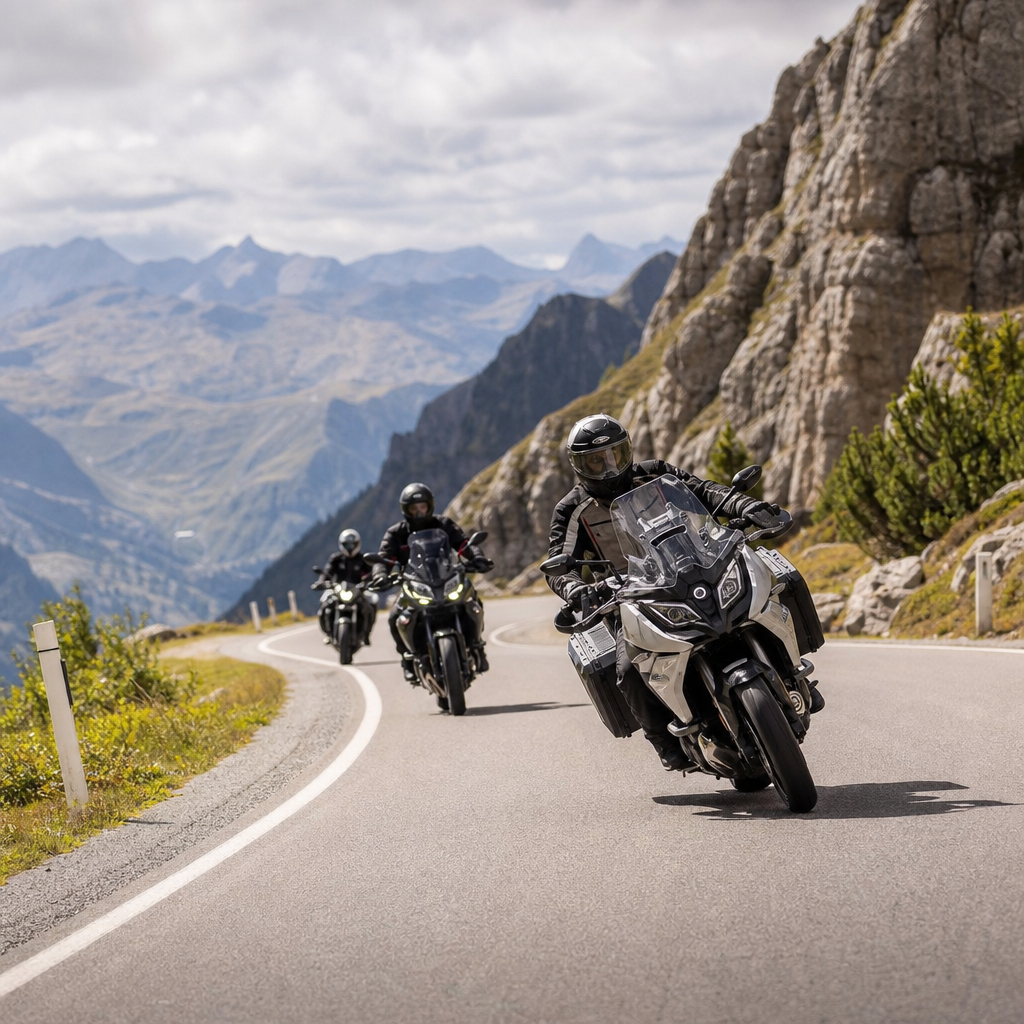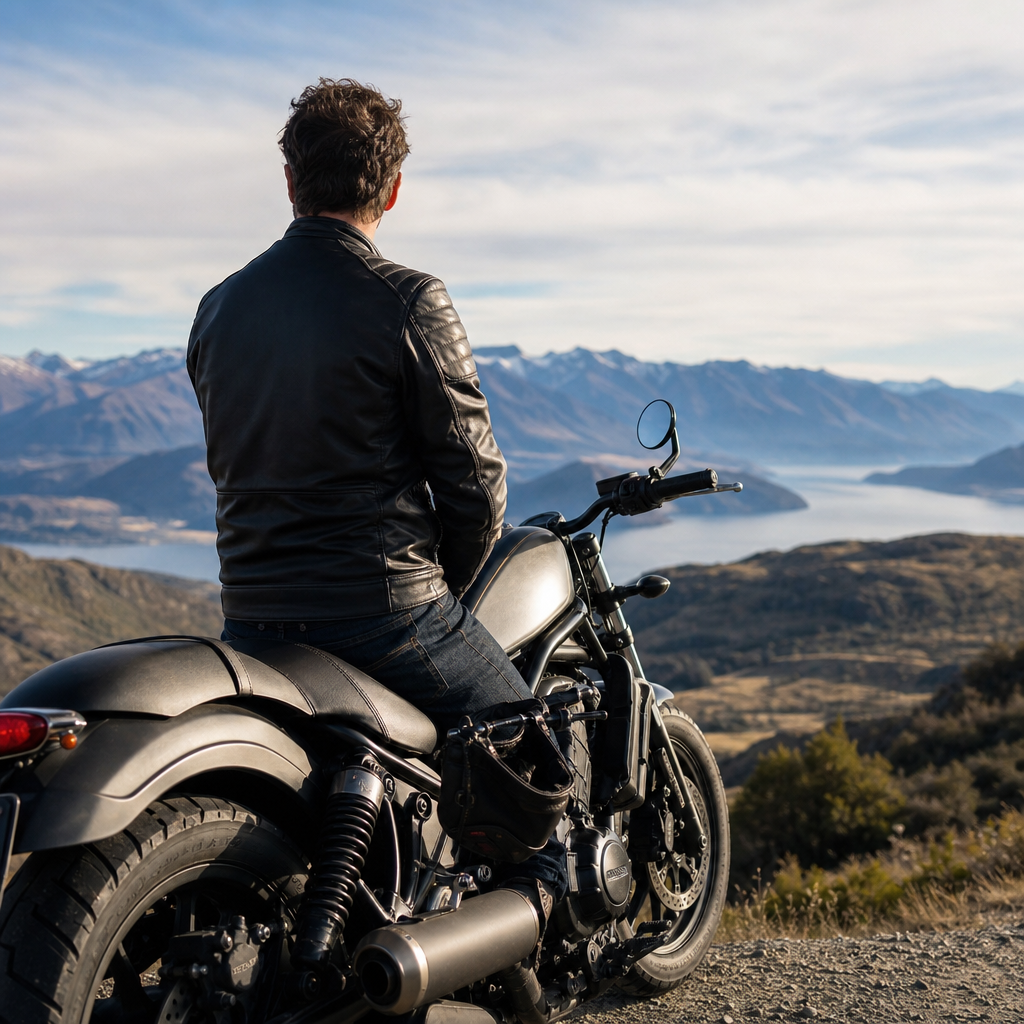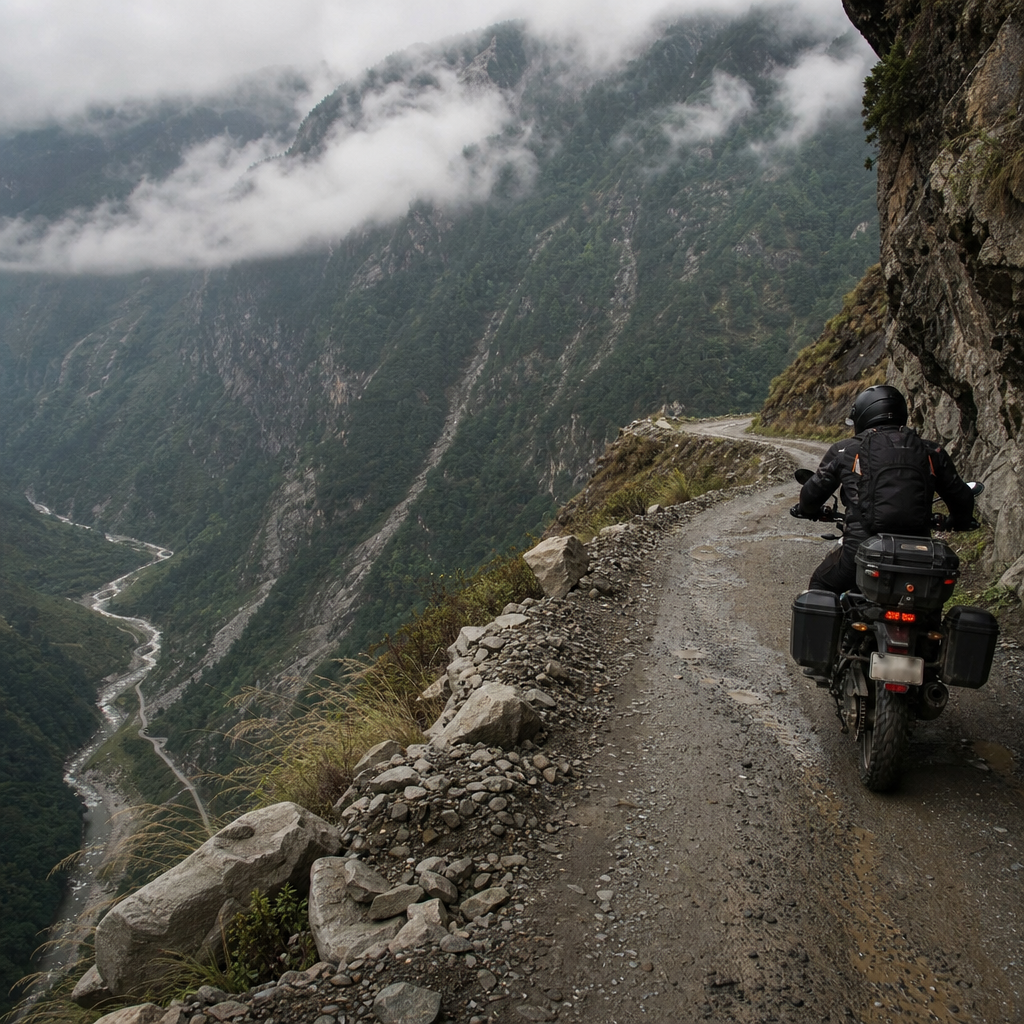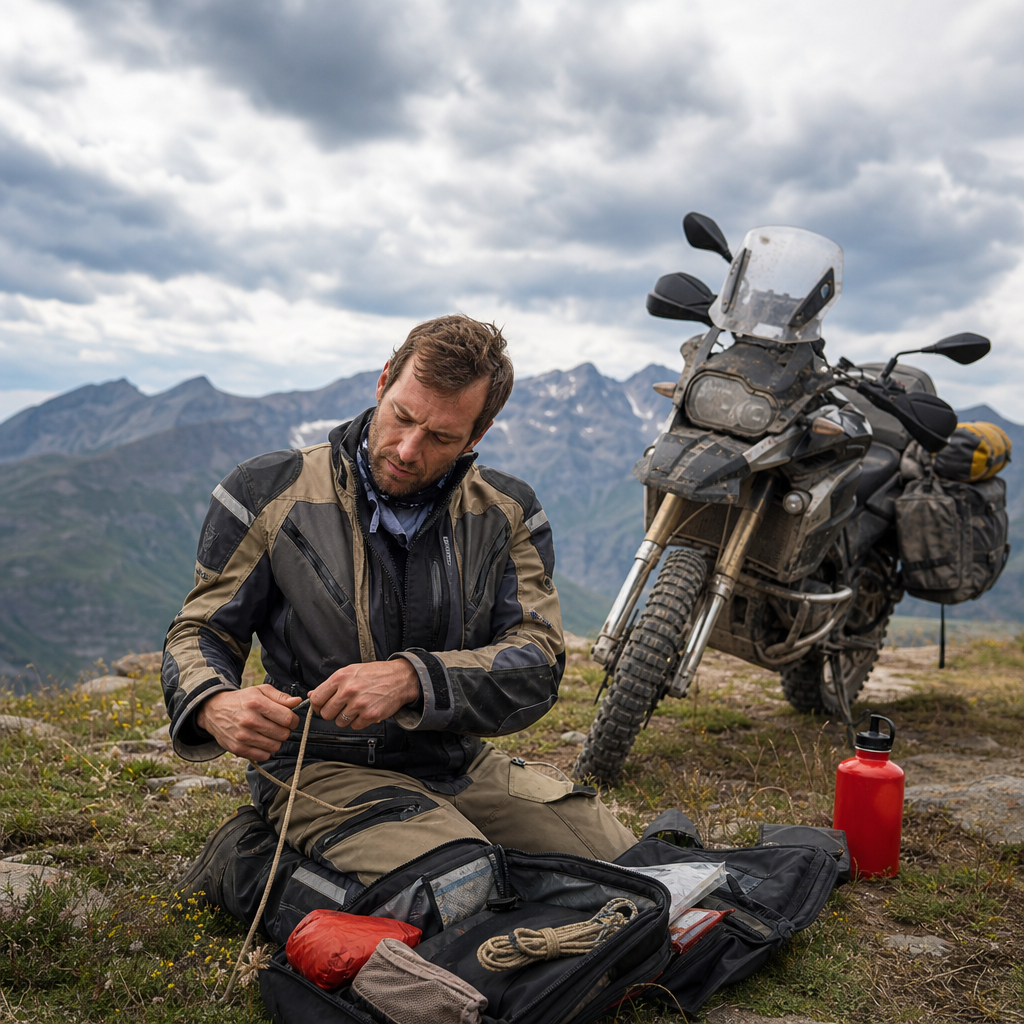
Solo adventure riding combines long-distance motorcycle travel with self-supported camping, route finding, and risk management far from quick help. In practical terms, a solo rider must handle navigation, weather, mechanical problems, fatigue, and overnight shelter without relying on a partner. That is why survival skills matter. They are not dramatic wilderness tricks reserved for extreme expeditions; they are the everyday competencies that keep a rider moving safely through mountain passes, desert backroads, forest service tracks, and unfamiliar towns. In my own touring and camping work, the riders who stay calm and solve problems are rarely the fastest. They are the ones who prepare well, understand limits, and practice a handful of core skills until those skills become automatic.
This hub article covers touring and camping through five essential survival skills every solo adventure rider should know: navigation, water and weather management, shelter and campcraft, field repairs, and emergency communication. Together, these skills form the foundation of safe motorcycle travel on paved highways and remote trails alike. They also connect the wider subjects most riders search for under touring and camping, including packing systems, route planning, campsite selection, gear redundancy, first-aid readiness, and bike setup. If you want one page that explains what matters most before linking deeper into your planning, this is that page.
A useful definition helps. Survival, for a solo adventure rider, means maintaining mobility, body temperature, hydration, decision-making, and contact options long enough to get yourself to safety or assistance. The point is not simply staying alive after a disaster. The point is preventing small problems from cascading. A missed turn becomes a fuel issue. A fuel issue becomes a night ride. A night ride in cold rain becomes hypothermia and a crash risk. Strong touring and camping habits interrupt that chain early. Organizations such as the Motorcycle Safety Foundation emphasize risk awareness, while Garmin inReach, Spot, Gaia GPS, and paper topographic maps illustrate how modern tools support, but never replace, rider judgment. The five skills below are the ones I insist riders master before extended solo travel.
1. Navigation and route discipline
Navigation is the first survival skill because getting lost creates every other problem faster: fuel stress, delayed camp setup, night riding, dehydration, and poor decisions. Solo adventure riders should navigate with three layers. First, build a primary route in a reliable app such as Gaia GPS, Calimoto, REVER, or Garmin Tread. Second, save offline maps because cell coverage disappears quickly in canyons, forests, and border regions. Third, carry a paper state map or regional topo sheet in a waterproof sleeve. Electronics fail from vibration, rain, broken charging leads, and simple user error. Paper never loses battery.
Route discipline means more than following a line on a screen. Before departure, identify fuel intervals, weather exposure, bailout roads, water sources, and legal camping areas. I mark decision points every 50 to 100 miles on remote rides: the last fuel station, the final daylight checkpoint, the turn where a rocky trail starts, and the nearest paved alternate if storms build. This method mirrors backcountry trip planning used in mountaineering and overlanding because it works. If you know where you can safely stop or retreat, you are less likely to push beyond your margin.
Answer the basic questions directly. How often should a solo rider check route status? At every fuel stop and before any unpaved section. What is the safest navigation setup? A bar-mounted primary device, a phone stored as backup, and paper maps. How do you avoid navigation overload while riding? Use simple prompts, zoom out to understand terrain, and stop to reassess rather than trying to solve a complex route on the move.
2. Water, weather, and body management
The second essential survival skill is managing your body in changing conditions. Riders often think first about the motorcycle, but dehydration, heat stress, cold, and fatigue end more trips than major mechanical failures. On a motorcycle, wind exposure hides sweat loss and magnifies temperature shifts. In desert travel, a rider can become dehydrated even in cool morning air. In mountain regions, wet clothing and a dropping sun can push a tired rider toward hypothermia well before freezing temperatures arrive.
Start with water. Carry more than your route suggests. For day rides in remote conditions, I treat three liters as a baseline, then add reserve based on heat, distance, and remoteness. A hydration bladder helps because frequent small sips maintain performance better than waiting for stops. Electrolyte tablets are useful on hot rides, especially when wearing heavy protective gear. If your route includes true backcountry camping, add a compact filtration method such as a Sawyer Squeeze, Katadyn BeFree, or purification tablets. Water treatment is not optional when natural sources are your backup plan.
Weather management is equally tactical. Use layered systems instead of one heavy garment. A moisture-wicking base, insulating midlayer, and waterproof shell outperform bulky clothing because they adapt to changing altitude and exertion. Good rain gear matters even with “waterproof” adventure suits; many riders discover seam leaks or wet gloves only after hours in steady rain. Check forecasts from multiple sources, including NOAA in the United States, and pay attention to wind advisories. Crosswinds, lightning, and flash-flood potential are often more dangerous than steady rain itself.
Fatigue management belongs in this same skill set. The safest solo riders cap mileage according to terrain, not optimism. Five hundred highway miles may be reasonable. Two hundred miles of mixed dirt, elevation, gates, and photo stops may be a full day. Eat before you are hungry, layer before you are cold, and stop before concentration fades. Those simple timing rules prevent the judgment failures that turn normal touring and camping into survival situations.
3. Shelter, campcraft, and site selection
Campcraft is survival because recovery happens at camp. A poor campsite means bad sleep, wet gear, low morale, and slower reactions the next day. A strong campsite restores warmth, hydration, security, and planning capacity. For solo adventure riders, shelter skill starts with selecting the right site, not with owning the lightest tent. Look for flat ground, drainage that will not flood in overnight rain, wind protection from terrain or trees, and distance from dead branches, river rise zones, and obvious animal corridors. In bear country, follow local food-storage rules and never cook where you sleep if regulations or conditions advise separation.
Set camp early whenever possible. Reaching camp with daylight lets you inspect the ground, repair gear, filter water, and confirm tomorrow’s route. I have seen more preventable mistakes happen in the last thirty minutes of fading light than in the rest of the day combined. Riders rush tent setup, skip weatherproofing, misplace tools, and fail to secure food. A consistent camp routine fixes this. Park on stable footing, check fuel status, shelter the bike from wind, pitch the tent, change out of wet layers, secure food, charge electronics, and review route notes. Routine reduces cognitive load when you are tired.
| Camp priority | What to check | Why it matters |
|---|---|---|
| Ground | Level surface, no runoff channel, no sharp rocks | Improves sleep and prevents water pooling under shelter |
| Exposure | Windbreaks, storm direction, overhead hazards | Protects shelter integrity and rider safety |
| Water | Distance to source, purification method, contamination risk | Ensures hydration without unnecessary night travel |
| Food storage | Local wildlife rules, odor control, secure containers | Reduces animal encounters and campsite disruption |
| Departure | Morning exit path, mud risk, packed essentials accessible | Speeds safe departure in bad weather or emergencies |
Your shelter system should match your route and season. A freestanding tent works well on mixed surfaces where staking is difficult. A bivy saves space but can become miserable in extended wet weather. Sleeping insulation matters as much as the shelter itself; a high-quality sleeping pad prevents conductive heat loss to the ground. If you camp often, learn your gear in controlled conditions first. Backyard setup and local overnights reveal failures much more cheaply than a storm at 9,000 feet.
4. Field repairs and mechanical self-reliance
The fourth survival skill is fixing enough of your motorcycle to keep moving or to stabilize the situation until help arrives. You do not need to be a master mechanic, but you must handle the failures most likely to strand a solo rider. Start with tire repair. If your bike uses tubeless tires, practice plugging a puncture and inflating with a compact compressor or CO2. If it uses tubes, know how to remove the wheel, patch or replace the tube, and reseat the tire. Practice in a garage before the trip. The first time should never be on a muddy roadside in cold wind.
Beyond tires, solo riders should know chain adjustment, battery troubleshooting, fuse replacement, control inspection, and fastener recovery. Carry the actual tools your motorcycle requires, not a generic kit that almost fits. That means confirming axle sizes, Torx or hex requirements, and any specialty sockets before departure. Add zip ties, safety wire, a master link if your setup uses one, JB Weld or epoxy putty for temporary case repairs, spare fuses, electrical tape, and a short length of fuel line. These items solve a surprising number of problems.
Preventive maintenance is the strongest repair skill. Before any major touring and camping trip, inspect tires for age and damage, measure brake pad thickness, confirm charging voltage, verify wheel bearings, and tighten luggage mounts with threadlocker where appropriate. Adventure bikes shake hardware loose on corrugations and rocky tracks. Riders often blame bad luck when the real cause was skipped inspection. Keep your packing load realistic too. Overloaded bikes crack racks, destroy subframe bolts, and handle poorly in sand and technical terrain.
If the motorcycle cannot be fixed quickly, your goal changes from repair to preservation. Move the bike out of traffic, conserve battery power, stay visible, and switch into your emergency plan. Mechanical self-reliance is not pride. It is knowing where competence ends and survival priorities begin.
5. Emergency communication and incident response
The fifth essential survival skill is communicating effectively when plans fail. Solo means no immediate witness, no extra tools, and no partner to ride out for help. Every rider traveling beyond reliable coverage should carry a satellite communicator such as a Garmin inReach or Spot device. These tools can send preset check-ins, share tracking, and trigger SOS through established rescue coordination systems. A smartphone is still useful, but it is not a remote emergency strategy. Dead zones, depleted batteries, and crash damage are too common.
An emergency plan should answer four questions before every trip. Where am I going? When should someone worry? How will I check in? What information should rescuers receive? Leave a simple route plan with a trusted contact, including start point, intended camp areas, alternate exits, and the exact time after which a missed check-in becomes actionable. Keep that plan realistic. If you promise perfect schedule accuracy on backcountry routes, your contact will either panic too early or ignore a real delay.
Incident response begins with self-assessment. After a crash or breakdown, stop, breathe, and evaluate injuries, environment, and communication options in that order. If you may have a spinal injury, severe bleeding, chest trauma, or signs of heat stroke or hypothermia, activate emergency help early. Wilderness medicine training is extremely valuable for solo riders because distance changes the stakes. Even a basic first-aid course that covers bleeding control, fractures, shock, and environmental illness can materially improve outcomes. Carry a kit you understand: nitrile gloves, pressure bandage, gauze, tape, blister care, pain relief, antihistamine, and any personal medication are sensible basics.
Visibility and patience save lives. If rescue is on the way, stay put unless the location is immediately dangerous. Use hazard lights, a high-visibility layer, or a bright tarp to increase detection. Keep warm, ration water sensibly, and document your coordinates if possible. Calm, complete communication is often the difference between a long wait and an efficient recovery.
These five skills define competent solo travel because they protect the things every rider depends on: location awareness, physical stability, rest, mobility, and contact with help. They also create a practical framework for the entire touring and camping category. Packing lists matter because they support water, shelter, repairs, and communication. Bike setup matters because a machine built for load and terrain fails less often. Route planning matters because survival begins long before the engine starts. If you build your riding around these fundamentals, remote travel becomes more enjoyable, not more anxious.
The main takeaway is simple. Solo adventure riding rewards preparation more than bravado. Learn to navigate with redundancy, manage water and weather before discomfort turns serious, choose campsites that help you recover, fix common mechanical problems, and communicate clearly when something goes wrong. None of these skills are glamorous, but together they make the difference between a controlled challenge and an avoidable emergency. They are the backbone of safe, confident touring and camping on the open road.
Use this hub as your starting point, then go deeper into your own setup: practice tire repairs, test your shelter in bad weather, refine your packing system, and create a route and check-in plan for your next ride. Master these five essentials, and every solo trip will be safer, smoother, and far more rewarding.
Frequently Asked Questions
What survival skills matter most for a solo adventure rider?
The most important survival skills for a solo adventure rider are practical, repeatable abilities that solve the problems most likely to happen on the road: navigation, weather assessment, basic first aid, mechanical self-sufficiency, and camp or shelter setup. These are the skills that keep a minor issue from becoming a full emergency when you are hours from fuel, cell service, or other travelers. A rider traveling alone cannot assume help will appear quickly, so every decision has to be made with self-reliance in mind.
Navigation is at the top of the list because getting lost burns fuel, daylight, water, and energy. A rider should be comfortable using GPS, offline maps, paper maps, and route notes, not just one app on a phone. Weather awareness matters just as much, especially in mountain passes, desert regions, and forest roads where conditions can shift fast. Reading cloud buildup, temperature drops, wind patterns, and storm timing allows you to change plans before a route turns dangerous.
Mechanical skills are another core survival category. You do not need to be a full motorcycle technician, but you do need to handle the failures that commonly stop a trip: punctures, loose bolts, chain issues, dead batteries, clogged filters, and minor crash damage. Shelter and campcraft are equally important because an unplanned overnight stop can happen for many reasons, from fatigue to weather to breakdowns. Knowing how to stay dry, warm, hydrated, and visible can make a forced bivouac uncomfortable instead of life-threatening. In short, the essential survival skills are the ones that preserve mobility, judgment, and body temperature while reducing dependence on luck.
How should a solo rider prepare for navigation problems in remote areas?
A solo rider should prepare for navigation problems by building redundancy into every level of route planning. The smartest approach is to never rely on a single device, single map source, or single plan. Before the trip, study the route in layers: major highways, fuel stops, alternate exits, weather-sensitive sections, camp options, and bailout points to towns or paved roads. Download offline maps to your GPS-enabled device, carry a paper map of the region, and save important coordinates such as fuel, water, medical facilities, and lodging. If electronics fail, you still need a way to orient yourself and make safe decisions.
It is also important to understand the terrain instead of blindly following a track line. A route that looks straightforward on a screen may include washed-out roads, seasonal closures, deep sand, river crossings, or sections that become impassable after rain. Knowing elevation changes, daylight timing, and distance between services helps you judge whether a route is realistic for your skill level and fuel range. Solo riders should pre-identify turnaround points and not treat rerouting as failure. Turning back early is often the strongest survival decision available.
On the road, use disciplined navigation habits. Confirm your direction whenever you stop, especially after fuel, lunch, or a photo break. Watch mileage against your planned route, and pay attention to subtle warning signs like increasing isolation, fading tracks, or terrain that does not match the map. If you realize you may be off-route, stop immediately and assess instead of riding farther in hope. That simple pause can save fuel and daylight. A solo rider survives navigation issues by being systematic, not stubborn: verify location, compare available routes, conserve resources, and choose the safest line rather than the most ambitious one.
What basic motorcycle repair skills should every solo adventure rider know?
Every solo adventure rider should know how to fix the problems most likely to leave a motorcycle stranded in the field. At a minimum, that includes repairing a flat tire, checking and adjusting chain tension, tightening loose controls or luggage mounts, diagnosing a battery or starting issue, and performing quick inspections after a fall. If your bike uses tubes, you should be able to remove a wheel, patch or replace a tube, and reinflate the tire with your own pump or compressor. If it uses tubeless tires, you should know how to plug a puncture properly and verify the repair holds pressure well enough to continue safely.
You should also understand how to inspect the bike before and during the ride. That means checking tire condition, spoke or rim damage, fluid levels, brake function, chain wear, fasteners, lights, and signs of leaks. Small issues often announce themselves early through vibration, odd noises, sluggish throttle response, or loose handling. A rider who catches those warnings can fix a problem in ten minutes instead of dealing with a breakdown after dark in bad weather. This is one of the most underrated survival habits in solo travel: preventive inspection reduces the chance of being forced into a risky recovery situation.
Just as important as the skill itself is matching your tools and spares to your actual motorcycle. Carry the correct tire tools, fuses, repair plugs or tubes, inflation method, wrenches, zip ties, tape, spare hardware, and any bike-specific items your machine commonly needs. Then practice using them before the trip. Field repairs become much harder when you are cold, tired, muddy, and losing daylight. The rider who has already done the job in a garage is far more likely to stay calm and get moving again. Survival on a solo adventure ride often depends less on heroic repair work and more on competence with the basics.
How can a solo adventure rider manage weather, fatigue, and exposure safely?
A solo adventure rider manages weather, fatigue, and exposure by treating them as serious risk factors rather than routine discomforts. Many emergencies begin with a rider pushing too far into bad weather or trying to finish a planned distance while already tired, cold, dehydrated, or mentally overloaded. Alone on a motorcycle, your judgment is one of your most important safety tools, and fatigue erodes it quickly. That is why pacing, hydration, calorie intake, and stop timing are survival skills, not just comfort strategies.
For weather, the key is anticipation. Check forecasts before departure, but also keep reading the environment as conditions change. Darkening clouds over a ridgeline, sudden temperature drops, strong crosswinds, and fast-moving storm buildup all deserve respect. Rain can reduce visibility, traction, and body temperature at the same time, while heat can quietly drain concentration and lead to dehydration long before you feel truly thirsty. Good gear matters here: effective layers, waterproofs, gloves for temperature changes, and a shelter system that can be deployed quickly. If the weather is deteriorating faster than your route allows, stop early and reset rather than gambling on the next section.
Fatigue management is equally important. Set realistic daily mileage, especially off pavement, where average speeds are lower and physical effort is higher. Take short breaks before you feel desperate for one, eat regularly, and watch for warning signs like missing turns, riding stiffly, poor balance at low speeds, or mentally checking out. Exposure becomes dangerous when fatigue makes you slow to react. If you are cold, get warm; if you are soaked, get dry; if you are overheating, stop and cool down. The strongest solo riders are not the ones who suffer the longest. They are the ones who recognize when conditions are degrading and make calm, early adjustments that keep a tough day from becoming a rescue situation.
What should a solo adventure rider know about emergency shelter, communication, and staying alive overnight?
A solo adventure rider should know that an unexpected overnight stay is always possible, even on a well-planned trip. A mechanical failure, navigation mistake, injury, blocked pass, or sudden storm can leave you stopped long before your intended campsite. That is why emergency shelter and communication planning should be built into the ride from the start. You do not need an expedition setup for every trip, but you do need a reliable way to stay dry, maintain core temperature, signal for help, and make yourself easier to find if things go wrong.
At the most basic level, carry enough equipment to survive an unplanned night out. That may include a compact shelter, bivy, tarp, insulated layer, fire-starting method where appropriate and legal, water treatment or reserve water, headlamp, emergency blanket, and enough food to stabilize energy. The goal is not luxury. The goal is preserving warmth, hydration, and clarity until morning or until help arrives. Site selection matters too. Avoid low spots that collect cold air or water, unstable ground, dead trees, and exposed ridgelines in storms. If your motorcycle is functioning but you cannot continue safely, it can also serve as a windbreak and a highly visible marker for rescuers.
Communication is the other half of overnight survival. Before leaving, share your route, expected check-in times, and contingency plans with someone you trust. In remote areas, a satellite communicator or personal locator beacon is one of the best safety investments you can make. If you need help, be precise, stay where you are unless movement clearly improves safety, and conserve battery life on essential devices. A solo rider increases survival odds dramatically by being predictable, visible, and prepared. The overnight emergency that goes best is usually the one that was expected in advance, equipped for properly, and handled without panic.