The Yamaha DT250 remains one of the most useful vintage dual-sport platforms because it combines simple air-cooled engineering, broad parts support, and real trail manners that still translate to modern backcountry travel. In this hub for restoration guides covering metric classics from 1970 through 2021, the DT250 is the anchor example: a motorcycle old enough to need careful rehabilitation, yet practical enough to ride on 2026 BDR-X loops after the work is done correctly. By restoration, I do not mean a cosmetic repaint alone. I mean returning a machine to safe, reliable, mechanically honest condition while preserving period character. By BDR-X loops, I mean shorter Backcountry Discovery Route style segments, connector sections, and local overland loops that mix pavement, graded dirt, washboard, shallow rock, and occasional mud. That use case matters because it demands more than showroom originality. It demands sound bearings, predictable fueling, healthy ignition, effective brakes, and a chassis that tracks straight under load.
I have restored enough metric trail bikes to know the same pattern repeats across decades: a tempting purchase price hides hardened crank seals, rusty tanks, cracked intake boots, collapsed fork springs, oxidized connectors, and wheel bearings that feel fine on a stand but rumble under real speed. The Yamaha DT250 deserves a methodical approach because its virtues appear only after baseline mechanical integrity is reestablished. This article serves as the central roadmap for restoring metric classics, using the DT250 as the practical template. It explains what to inspect first, which systems determine reliability, how to balance originality with trail readiness, and where this machine fits among later metric enduros. If you are building a resource plan for a seventies two-stroke, an eighties air-cooled thumper, a nineties liquid-cooled trail bike, or an early fuel-injected dual sport, the principles here will help you set priorities and avoid expensive mistakes.
Why the Yamaha DT250 Still Matters in a Metric Classics Restoration Hub
The DT250 matters because it sits at the intersection of simplicity and usability. Yamaha built the DT line to be street legal, approachable, and durable, and that design intent still shows. Compared with many European enduros of the same era, the DT250 is generally easier to source parts for, easier to service with hand tools, and more forgiving of imperfect trail conditions. Compared with later performance-focused two-strokes, it is less abrupt and less specialized. Those traits make it an ideal teaching platform for restoration guides focused on metric classics from 1970 to 2021.
For a hub page, the DT250 also illustrates how restoration standards changed over time. Seventies bikes prioritize crank sealing, points or early CDI health, oil-injection integrity, drum brake setup, and rust remediation. Eighties machines add monoshock linkage wear, reed valve service, and more complex charging systems. Nineties and 2000s bikes introduce water pumps, power valves, cartridge forks, and stricter attention to electrical output for accessories. By the 2010s and early 2020s, diagnostics include EFI mapping, injector cleanliness, fuel pump pressure, ABS sensors, and CAN-related accessory planning on some platforms. The DT250 sits near the beginning of that timeline, so it makes the core lessons visible.
If your goal is 2026 BDR-X loop use, the DT250 is best understood as a light-duty adventure machine. It is not a highway mile eater, and it does not have the suspension control, brake power, or alternator output of a modern KTM 350 EXC-F, Honda CRF300L, or Yamaha WR250R. What it does offer is low mass, mechanical transparency, and the kind of field serviceability that can save a trip. A clean carburetor, a spare plug, basic cables, and a small toolkit solve a remarkable number of problems on a vintage Yamaha. That practical truth is why the model still deserves restoration attention.
Start With a Baseline Inspection Before Buying Parts
The most common restoration mistake is ordering shiny parts before documenting the motorcycle’s actual condition. Begin with compression and leakdown testing. On a two-stroke DT250, compression alone is not enough; a tired top end can still produce acceptable cranking numbers while a failed crank seal creates erratic idle, lean running, and hard starting. A proper leakdown test with the intake and exhaust blocked off gives you a fast answer about crank seals, base gasket integrity, and reed or intake leakage where applicable. If the bike cannot hold pressure steadily, the engine comes apart before any riding plan is discussed.
Next, inspect the fuel system from cap to petcock to carburetor. Rust in the tank is a reliability issue, not just a cosmetic one. Fine rust particles repeatedly contaminate pilot jets and needle seats. I treat tank interiors with caution: a sound bare-metal tank is better than a poorly applied liner that sheds later. Use a borescope if needed. Verify petcock flow, reserve function, and filter condition. On the carburetor, inspect slide wear, float height, jet correctness, emulsion tube condition, and choke plunger sealing. Many vintage bikes run badly because someone “cleaned” the carb but mixed jets from another model family.
Chassis inspection follows the same logic. Check steering head bearings for notchiness, swingarm bushings for side play, fork tubes for pitting in the seal sweep area, shock damping for fade, rims for corrosion around spoke nipples, and hubs for crack initiation near spoke flanges. Drum brake bikes deserve special scrutiny: cam wear, lining contamination, cable drag, and drum out-of-round all reduce braking force. Electrical checks should include stator resistance, charging output, ignition timing, condenser or CDI health depending on year, and every ground point. Documentation matters here. Photograph routing, fastener types, and cable runs before disassembly. It saves hours later and protects originality where it counts.
Mechanical Priorities That Make a Restored DT250 Trustworthy on BDR-X Loops
Reliability on mixed-surface loops comes from systems, not from one dramatic rebuild. The engine must seal properly, fuel consistently, reject vibration without loosening itself apart, and produce spark when hot. For the DT250, the top priorities are crank seals, main bearings if there is noise or play, piston and rings sized to measured bore condition, and a cylinder evaluation that distinguishes a simple hone from the need for boring. Measure, do not guess. Service limits in the factory manual exist for a reason, and reputable machine shops understand port edge chamfering and two-stroke clearance better than general automotive shops.
The Autolube system deserves special mention. Many owners delete oil injection and premix instead, usually because they distrust old pumps. In my experience, a properly serviced Yamaha oil-injection system is an asset for dual-sport riding because it meters oil cleanly across varied throttle openings and reduces plug fouling during connectors and descents. The correct process is to inspect lines, replace hardened hoses, verify pump adjustment marks, bleed the system fully, and confirm flow. If originality and convenience matter, keep it. If any component is questionable and unobtainable, premix is safer than gambling, but treat deletion as a considered decision, not a default trend.
For loop use, gearing and cooling margins matter too. The DT250’s stock gearing often works well for slower mixed terrain, but riders planning longer connector pavement may go one tooth taller on the countershaft if clearance and chain wear patterns are acceptable. Do not gear so tall that the engine lugs in dirt; a two-stroke ridden below its useful band runs hotter and feels flat. Because the engine is air-cooled, jetting must be conservative enough for sustained summer climbs. Read the plug, evaluate throttle response, and tune with modern fuel in mind. Ethanol-blended fuel changes storage behavior, float valve sensitivity, and seasonal setup compared with what these motorcycles originally saw.
| System | What to Inspect | Why It Matters on BDR-X Loops |
|---|---|---|
| Engine sealing | Crank seals, base gasket, leakdown results | Prevents lean seizures, erratic idle, and hot-start problems |
| Fuel delivery | Tank rust, petcock flow, jet sizes, float height | Reduces clogged pilots and repeated roadside carb work |
| Oil system | Autolube pump setting, hose condition, bleed status | Protects top end during long descents and variable throttle use |
| Chassis | Steering bearings, swingarm play, wheel bearings | Improves stability on washboard, gravel, and loaded corners |
| Brakes | Shoe material, drum condition, cable drag, adjustment | Shortens stopping distances on downhill dirt and pavement transitions |
| Electrical | Stator output, timing, grounds, connectors, lighting | Ensures dependable starting and legal visibility on connectors |
Originality Versus Sensible Upgrades for Real Riding
A restoration intended for riding should preserve what defines the machine while improving what clearly limits safety and dependability. That balance is especially important on the DT250. Original paint, tank badges, airbox hardware, and exhaust form are part of the motorcycle’s value. So are correct controls, period fasteners where practical, and intact factory routing. But no serious restorer should keep forty-year-old tires, swollen brake linings, dried fuel line, or dead suspension just to claim purity. Rubber ages out. Friction materials glaze. Springs sag. Seals harden. Those are service items, not museum artifacts.
The best upgrades are subtle and reversible. Modern wheel bearings from SKF or NTN, quality fork seals, stainless control cables from reputable suppliers, contemporary tire compounds in period-appropriate sizes, and improved lighting bulbs within charging limits all raise functional reliability without changing the character of the bike. If the original shock is beyond rebuilding and damping is gone, a well-matched replacement is not sacrilege; it is a safety decision. The same goes for replacing corroded spokes, fitting modern fuel line, and using JIS-correct hardware where the original screw heads are beyond recovery.
Where I advise caution is in turning a DT250 into a fantasy rally bike. Oversized tanks, universal pod filters, loud expansion chambers with poor fit, cheap electronic ignitions of uncertain provenance, and random motocross bars can quickly create a machine that looks customized but works worse. The stock airbox and intake tract are part of the carburetion package. Pod filters on vintage trail bikes often create tuning holes and increase dirt ingestion risk. Exhaust changes may shift power upward, which sounds attractive until technical climbs reveal the loss of tractability. Build for the route you will actually ride, not for a social photo set.
How This DT250 Guide Connects to Metric Classics From 1970 to 2021
As the hub page for restoration guides on metric classics, this article should help you navigate the larger category. The DT250 belongs to the first major wave of Japanese dual-purpose motorcycles that made everyday trail riding accessible. Related seventies projects include the Yamaha DT400, Honda XL250, Suzuki TS250, and Kawasaki KE series. These bikes share recurring issues: varnished carburetors, points or early ignition service, drum brake optimization, and chassis wear from decades of neglect. The restoration mindset is preservation first, targeted modernization second.
Move into the eighties and the conversation shifts to bikes like the Honda XL600R, Yamaha XT350, Suzuki DR series, and Kawasaki KLR600. Here, suspension sophistication increases, electrical systems become more capable, and four-stroke top-end wear patterns become central. Valve clearance discipline, cam chain condition, decompression mechanisms, and charging output become more important than oil-injection pump setup. In the nineties and 2000s, machines such as the Suzuki DR350, Yamaha TTR250, Honda XR400R, Kawasaki KLX250, and later WR models add another layer of complexity, but they remain highly serviceable metric classics.
By 2010 through 2021, restoration often overlaps with refurbishment rather than full mechanical resurrection. Think Yamaha WR250R, Honda CRF250L, Suzuki DR-Z400S, Kawasaki KLX250S, and Royal Enfield Himalayan in global markets. These are newer motorcycles, but they still enter technical encyclopedia coverage because age, mileage, and prior owner modification create restoration-level decisions. Fuel pumps fail, injectors clog, wiring gets hacked for accessories, swingarm bearings seize, and emissions components complicate diagnostics. The DT250 teaches the principle that applies to all of them: establish a known-good baseline, fix systems in order, and respect the original engineering before adding accessories.
Planning a Finished Bike for 2026 BDR-X Loops
The completed DT250 should be honest about its mission. For 2026 BDR-X loops, think half-day to multi-day mixed-terrain riding with conservative luggage, moderate speeds, and frequent mechanical checks. Start with tires suited to a vintage rim profile and intended terrain, then verify chain and sprocket alignment, true the wheels, and set rider sag as well as the old suspension allows. Use fresh brake cables, properly arced shoes if needed, and controls adjusted for standing comfort without over-rotating levers. Confirm that the sidestand is stable, because soft ground and loaded parking angles matter in the field.
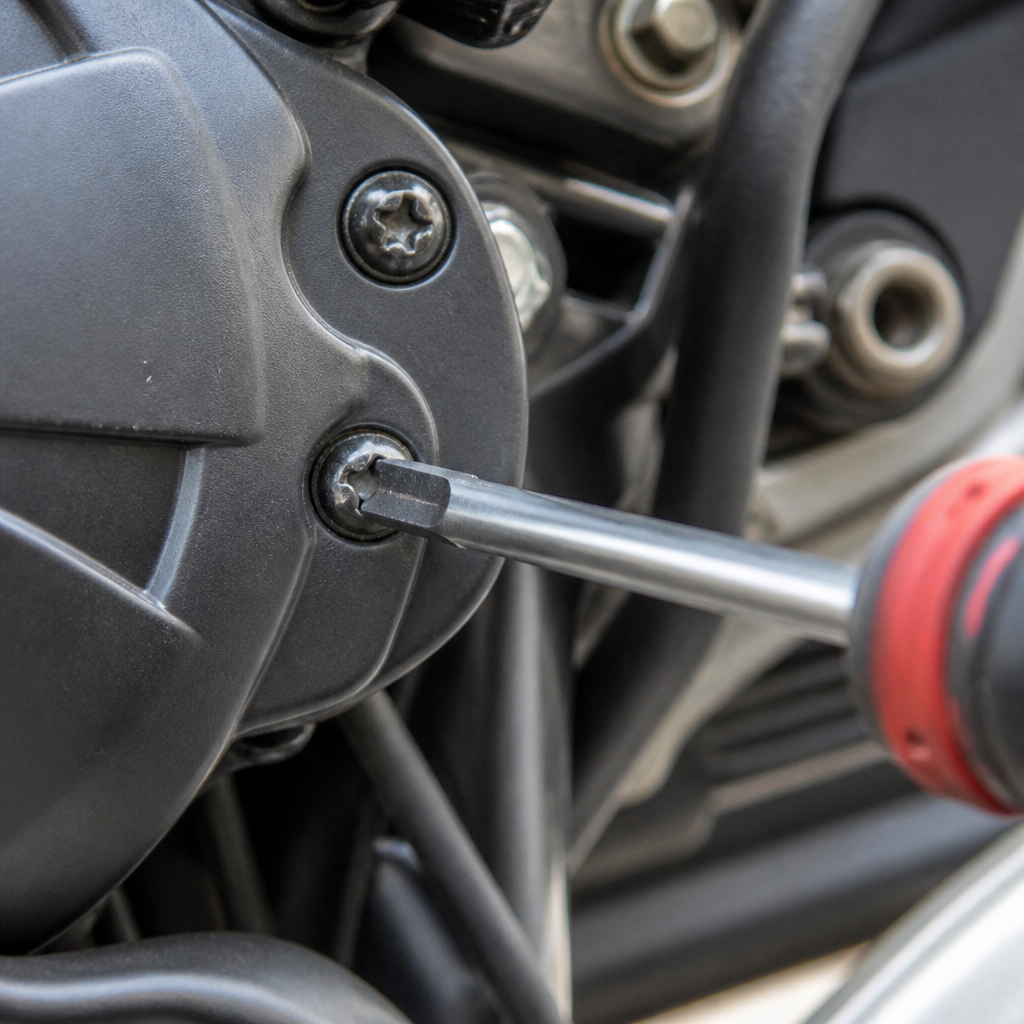
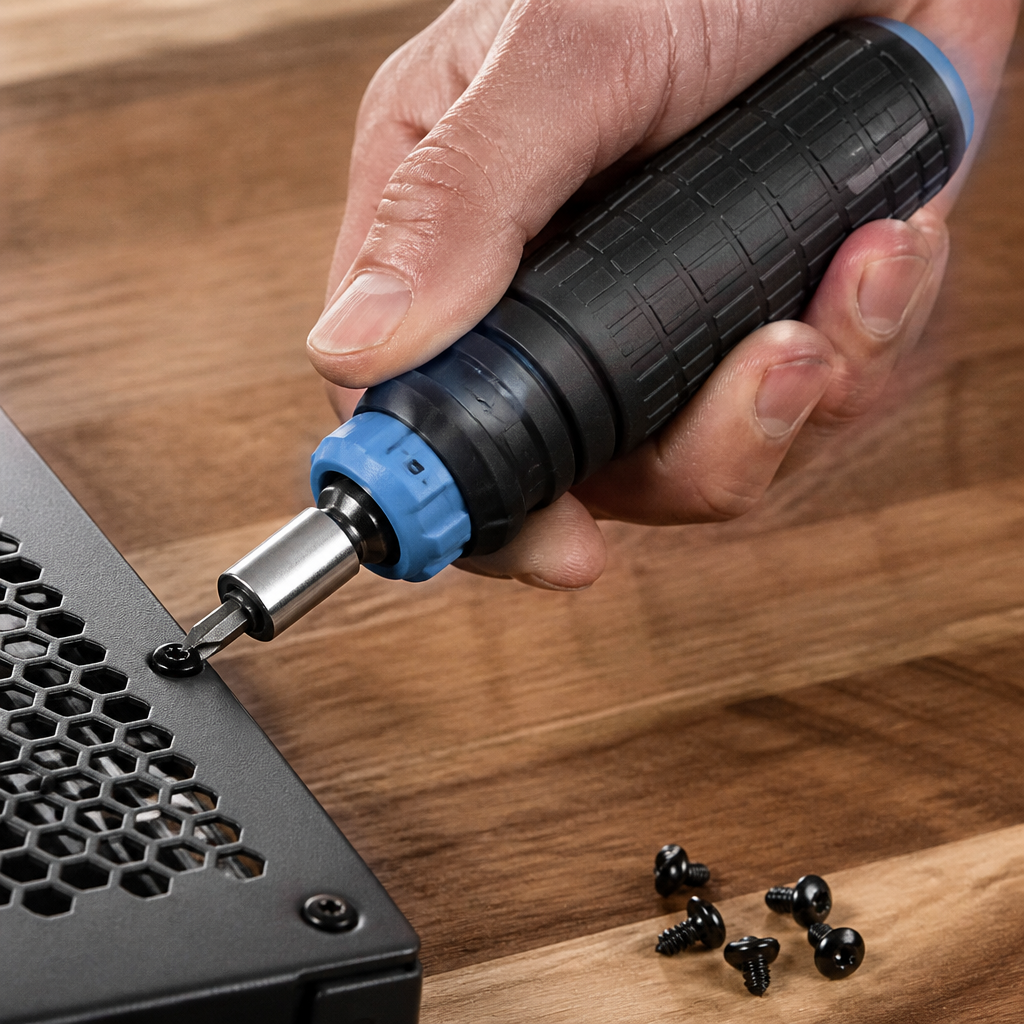
Packability also matters. A DT250 does not have surplus electrical output for heated everything, auxiliary floodlighting, and multiple USB ports. Keep accessories lean. A small GPS or phone charger may be possible if measured output supports it, but many riders are better served by an independent battery pack. Carry spares that match the platform: plug, master link, throttle or clutch cable depending on condition, jet cleaning wire, small fuel filter, and basic metric tools including JIS drivers. Vintage Japanese bikes punish improvised Phillips screwdrivers and reward preparation.
The final takeaway is simple. Restore the Yamaha DT250 as a system, not a styling exercise, and it can still deliver deeply satisfying backcountry travel. Use this hub as your starting point for every metric classics project from 1970 to 2021: inspect before purchasing, rebuild for reliability, preserve originality where it matters, and upgrade only where safety or durability clearly improves. That approach saves money, reduces repeat failures, and keeps the motorcycle’s identity intact. If you are mapping your next restoration, begin with a written inspection list and factory manual, then work one subsystem at a time until your classic is ready to ride.
Frequently Asked Questions
Is a Yamaha DT250 actually practical for 2026 BDR-X loops, or is it better treated as a vintage project bike?
Yes, a properly restored Yamaha DT250 can still be a very practical motorcycle for 2026 BDR-X loops, but the key phrase is properly restored. The DT250 remains such a useful vintage dual-sport because its original design was honest and capable: light weight, simple air-cooled two-stroke power, manageable chassis dimensions, and true trail-oriented ergonomics. Those traits still matter in backcountry riding. On tighter, rougher sections where modern adventure bikes feel bulky, the DT250’s compact size and lower overall mass can be a real advantage.
That said, vintage practicality is not the same thing as modern convenience. A DT250 restored for real use should not be approached like a museum piece with shiny paint and untouched internals. It needs to be rehabilitated as a functioning travel tool. That means evaluating crank seals, top-end condition, oil injection integrity if retained, wheel bearings, steering head bearings, swingarm bushings, brakes, charging output, wiring reliability, fuel system cleanliness, and the condition of every rubber component that ages out over decades. If those areas are ignored, the bike may still start and ride around town, but it will not be trustworthy deep into a remote BDR-X section.
For most riders, the DT250 works best on BDR-X routes when expectations are set correctly. It excels as a lightweight backcountry explorer, not a high-speed highway droner. It is ideal for riders who value simplicity, mechanical transparency, and trail agility over outright speed, wind protection, or carrying huge loads. If the route includes long pavement transfers at modern traffic speeds, the DT250 can do them, but that is not where it feels happiest. If the route leans toward dirt roads, two-track, moderate trail connectors, and shorter transit segments, it makes far more sense.
So the short answer is that the DT250 is absolutely practical, but only when restored with reliability, serviceability, and realistic route planning in mind. In that form, it stops being just an old enduro and becomes what it originally was: a genuinely useful dual-sport platform.
What does “restoring” a Yamaha DT250 for BDR-X use really mean?
In this context, restoring a Yamaha DT250 does not mean chasing showroom cosmetics at the expense of function. It means bringing the motorcycle back to a dependable, safe, and mechanically correct standard so it can handle real backcountry miles. That distinction matters. A bike can look beautifully restored while still hiding weak ignition components, leaking seals, corroded connectors, marginal brakes, or suspension that is decades past acceptable performance. For BDR-X use, restoration should be guided by operational reliability first and appearance second.
A serious restoration starts with a complete mechanical baseline. The engine should be checked for compression, air leaks, crank seal condition, top-end wear, and carburetor correctness. Fuel delivery must be clean and predictable, which usually means rebuilding the petcock, cleaning or sealing the tank if needed, replacing old fuel lines, and properly jetting the carb for current riding conditions. The autolube system, if kept, should be carefully inspected because it is one of the bike’s great practical advantages when functioning correctly. If there is any doubt about pump adjustment, oil lines, or delivery, those issues need to be resolved before the bike is trusted on long remote loops.
The chassis deserves equal attention. Restoring for use means rebuilding wheels if necessary, replacing bearings throughout, servicing forks, inspecting or upgrading shocks, correcting steering play, and making sure swingarm movement is smooth and tight. Brakes should be restored to full effectiveness, not merely adjusted enough to pass a garage test. Electrical work is especially important on old dual-sports because charging and lighting are central to route reliability. The harness should be inspected for brittle insulation, poor grounds, hacked repairs, and weak connectors. A dependable ignition system is non-negotiable on a vintage two-stroke that may be ridden far from support.
Finally, restoration for BDR-X loops includes subtle modernization where it improves dependability without changing the character of the machine. That can mean better tires, modern cables, upgraded lighting, improved fasteners in key areas, and luggage solutions that do not overload the subframe. The goal is not to turn the DT250 into something it never was. The goal is to preserve its original enduro identity while making it trustworthy enough to perform in a modern backcountry setting.
What are the most important mechanical areas to inspect before taking a restored DT250 into remote backcountry terrain?
The most important mechanical areas are the engine’s sealing and fuel metering, the condition of the oiling system, the integrity of the electrical system, and the health of the rolling chassis. On a vintage DT250, air leaks are one of the biggest threats to reliability because a two-stroke depends heavily on crankcase sealing for correct operation. Hardened crank seals, intake leaks, base gasket leaks, or cracked manifold components can create a lean condition that leads to poor running or even engine damage. Before remote use, the engine should be treated as a system, not just a cylinder with acceptable compression.
The carburetor and fuel system are next on the list because old varnish, debris, and worn float components can turn a good-running bike into an inconsistent one. The tank must be clean, the petcock functional, and the carb internally correct. Jetting should be verified rather than guessed at, especially if the bike has an aftermarket exhaust, intake changes, or is being used at elevations different from where it last ran well. If the machine still uses its oil injection, the lines, pump, and adjustment marks should all be confirmed. Many experienced restorers keep the autolube system because it makes travel easier and preserves the original utility of the DT platform, but only if it is known to be working correctly.
Electrics are another major checkpoint. Points ignition, condenser condition, coil output, grounds, charging function, and lighting performance all matter more than many first-time restorers expect. A DT250 intended for BDR-X travel should start easily, charge consistently, and run cleanly through the rev range when hot, not just when cold in a driveway. Weak spark problems often show up under load or after heat soak, so static inspection is not enough.
On the chassis side, wheel bearings, spokes, rims, tires, tubes, chain and sprockets, steering bearings, swingarm bushings, fork seals, and shock performance all need to be sorted. Vintage suspension does not have to be exotic, but it does need to be stable, predictable, and leak-free. Brake shoes and drum surfaces should also be checked carefully. Drums can work very well when set up properly, but neglected drums with poor adjustment or contaminated linings can become a real liability on descents or wet terrain. If those core systems are sound, the DT250 becomes far more credible as a remote-use motorcycle.
Should a DT250 restoration stay completely original, or are upgrades acceptable for BDR-X riding?
A restoration aimed at actual BDR-X riding should respect originality without being enslaved to it. In other words, keep the character, layout, and spirit of the DT250 intact, but do not refuse sensible upgrades that improve reliability, safety, and usability. The bike’s appeal is that it already has the right basic formula: a simple enduro chassis, durable air-cooled engine, and straightforward field serviceability. Most of the best upgrades support those strengths rather than replace them.
Acceptable upgrades usually start with consumables and hidden reliability improvements. Modern tires are an obvious example because tire technology has moved far beyond what the bike originally wore. Better tubes, rim strips, control cables, wheel bearings, chain, sprockets, brake linings, and fork internals can all improve performance without changing the identity of the machine. Electrical upgrades can also be worthwhile if done cleanly. Improved bulbs or discreet lighting enhancements help visibility and route safety, while careful harness rehabilitation can eliminate many age-related failures.
Some riders also choose improved rear shocks, slightly firmer fork springs, better handlebars, or more secure luggage mounting. Those changes are often more important to real-world backcountry comfort than cosmetic restoration details. The same goes for fuel filtration, air filtration, and better sealing practices during engine assembly. None of that makes the bike less authentic in a practical sense. It simply makes it more capable of surviving modern use.
What is usually best avoided is modification for modification’s sake. Oversize carburetors, poorly matched expansion chambers, drastic intake changes, or styling-driven parts swaps can reduce the very tractability and predictability that make the DT250 appealing. A BDR-X restoration should prioritize smooth running, easy starting, manageable power, and repairability on the trail. In that framework, tasteful upgrades are not a betrayal of originality. They are part of restoring the motorcycle to the job it was always meant to do.
How should a rider prepare and pack a restored Yamaha DT250 for a multi-day BDR-X trip?
Preparation starts with accepting the DT250’s strengths and limitations. It is a light, nimble, mechanically simple dual-sport, which means it rewards disciplined packing and proactive maintenance. Before the trip, the smartest approach is to put meaningful