Motorcycle reliability matters more in 2026 than ever because bikes are costlier to buy, electronics are more complex, and owners increasingly expect machines to serve as commuters, tourers, weekend toys, and long-distance travel partners without drama. When riders ask for the most reliable motorcycle brands, they usually mean three things at once: low rates of mechanical failure, predictable maintenance needs, and strong dealer or parts support when something does go wrong. In practice, reliability is not a single score. It is a mix of engine durability, electrical stability, build quality, recall history, corrosion resistance, and the consistency of ownership experiences across thousands of miles.
I have spent years comparing owner forums, dealer service patterns, warranty data where available, and long-term test reports, and one lesson repeats itself: the most reliable motorcycle brand is rarely the one with the flashiest launch event. It is usually the manufacturer that builds proven engines for a long time, updates technology carefully, and supports its bikes with dependable parts availability. That matters to every buyer, from a first-time commuter choosing a 400cc twin to an experienced touring rider investing in a flagship adventure bike.
This buyers guide is designed as the hub for the wider New Rides coverage. It gives you the ranking, the reasons behind it, and the context buyers need before clicking into model-specific reviews, maintenance guides, financing explainers, insurance comparisons, and used-bike checklists. If you are shopping in 2026, this page should help you narrow the field quickly and realistically. Brand reputation still matters, but owner-reported dependability tells the more useful story, especially when separated by engine platform, intended use, and dealer network strength.
For this ranking, owner feedback carries the most weight, supported by long-term reliability patterns, service complexity, known weak points, and how brands handle issues after sale. No motorcycle maker is perfect. Even the strongest brands have occasional recalls, sensor faults, or model-specific problems. Likewise, a mid-pack brand can still build an excellent individual bike. The goal is not blind loyalty. It is to identify which brands owners trust most in real use and why that trust has been earned.
How owner-ranked motorcycle reliability is judged in 2026
The most useful way to rank reliable motorcycle brands is by combining hard and soft evidence. Owners report whether a bike starts consistently, burns oil, leaks coolant, throws warning lights, resists corrosion, or develops annoying electrical faults. Dealers reveal patterns through common warranty work, parts backorders, and repeat repairs. Long-term road tests show whether reliability holds after 10,000 to 30,000 miles, not just during launch week. Industry recalls add another layer, because frequent recalls do not always mean a brand is bad, but they do show where quality control or supplier management may be strained.
Modern bikes also demand a broader definition of reliability than old carbureted machines did. Today, quickshifters, ride-by-wire throttles, IMU-based traction control, TFT dashboards, radar systems, and keyless ignitions can all create ownership headaches even when the engine itself is solid. That is why this guide weighs electronic reliability almost as heavily as mechanical durability. A perfectly healthy engine does not feel reliable if a failed sensor leaves the bike in limp mode three hours from home.
Dealer support changes the ownership equation too. Honda and Yamaha benefit from large service networks in many markets. BMW and KTM may offer excellent engineering in some segments, but ownership satisfaction falls quickly if the nearest capable dealer is several hundred miles away. Parts availability is part of reliability because downtime matters. Owners remember waiting six weeks for a fuel pump far more vividly than reading a brochure claim about premium engineering.
The most reliable motorcycle brands of 2026, ranked by owners
These rankings reflect broad owner sentiment across major street categories, not racing pedigree or design excitement alone. Reliability can vary by model family, but brand-level trends are clear enough to guide shoppers.
| Rank | Brand | Why owners rate it highly or poorly | Best fit for buyers |
|---|---|---|---|
| 1 | Honda | Exceptional engine longevity, conservative engineering, broad dealer support, strong parts access | Commuters, first-time buyers, tourers, anyone prioritizing low drama |
| 2 | Yamaha | Durable CP-series engines, excellent build quality, good electronics stability, strong value | Riders wanting reliability with more character and performance |
| 3 | Kawasaki | Proven parallel twins and inline-fours, straightforward maintenance, solid ownership costs | Budget-conscious buyers and sport or standard riders |
| 4 | Suzuki | Older but highly proven platforms, simple design, dependable powertrains, limited fresh tech risk | Practical buyers who value simplicity over latest features |
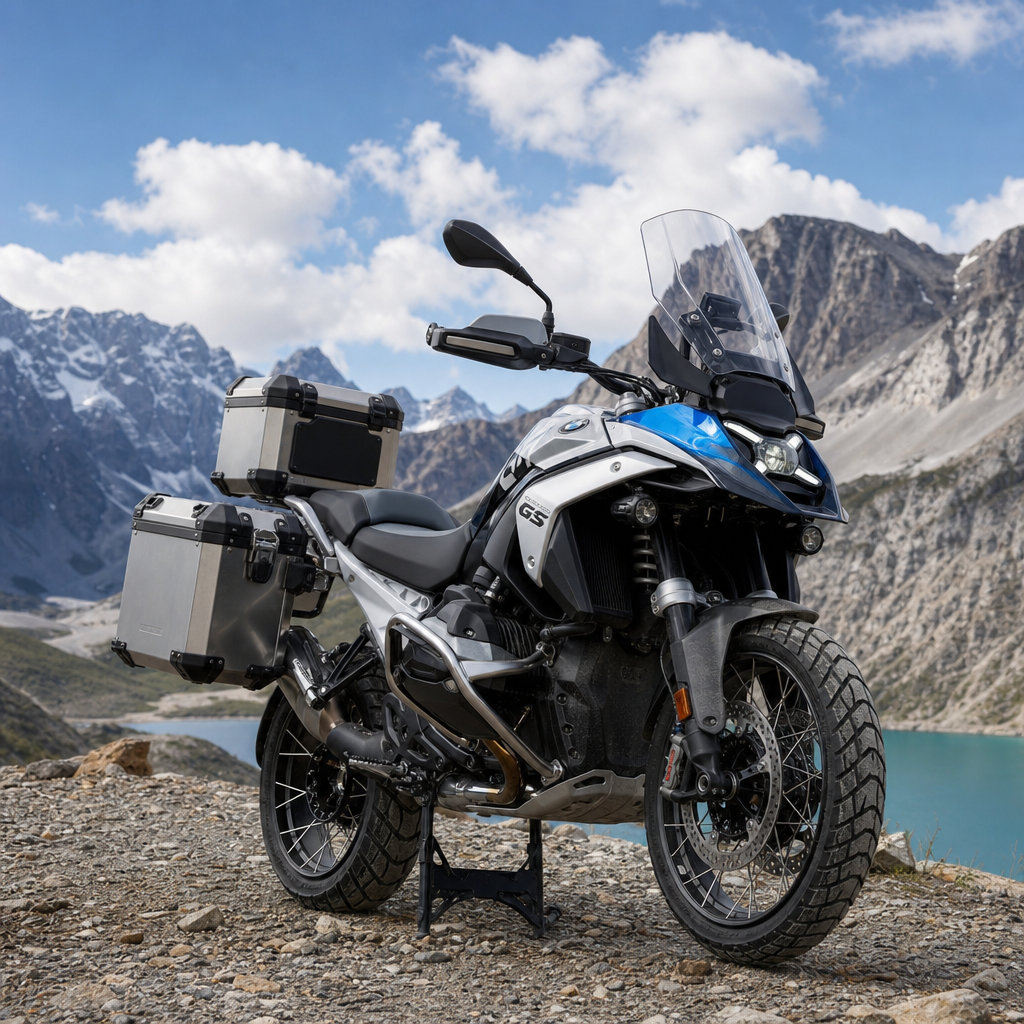
| 5 | BMW | Strong boxer and touring platforms, excellent chassis engineering, but higher complexity and repair costs | Long-distance riders with dealer access and maintenance budget |
| 6 | Triumph | Improved quality control, reliable triples, better electronics than past generations, still mixed by model | Buyers wanting premium feel with manageable risk |
| 7 | Royal Enfield | Major quality gains, simple engines, affordable upkeep, but fit-and-finish consistency still varies | Value seekers and retro-bike riders |
| 8 | Harley-Davidson | Robust big twins and strong support network, but electronics and heat issues affect some owners | Cruiser and touring buyers focused on dealer availability |
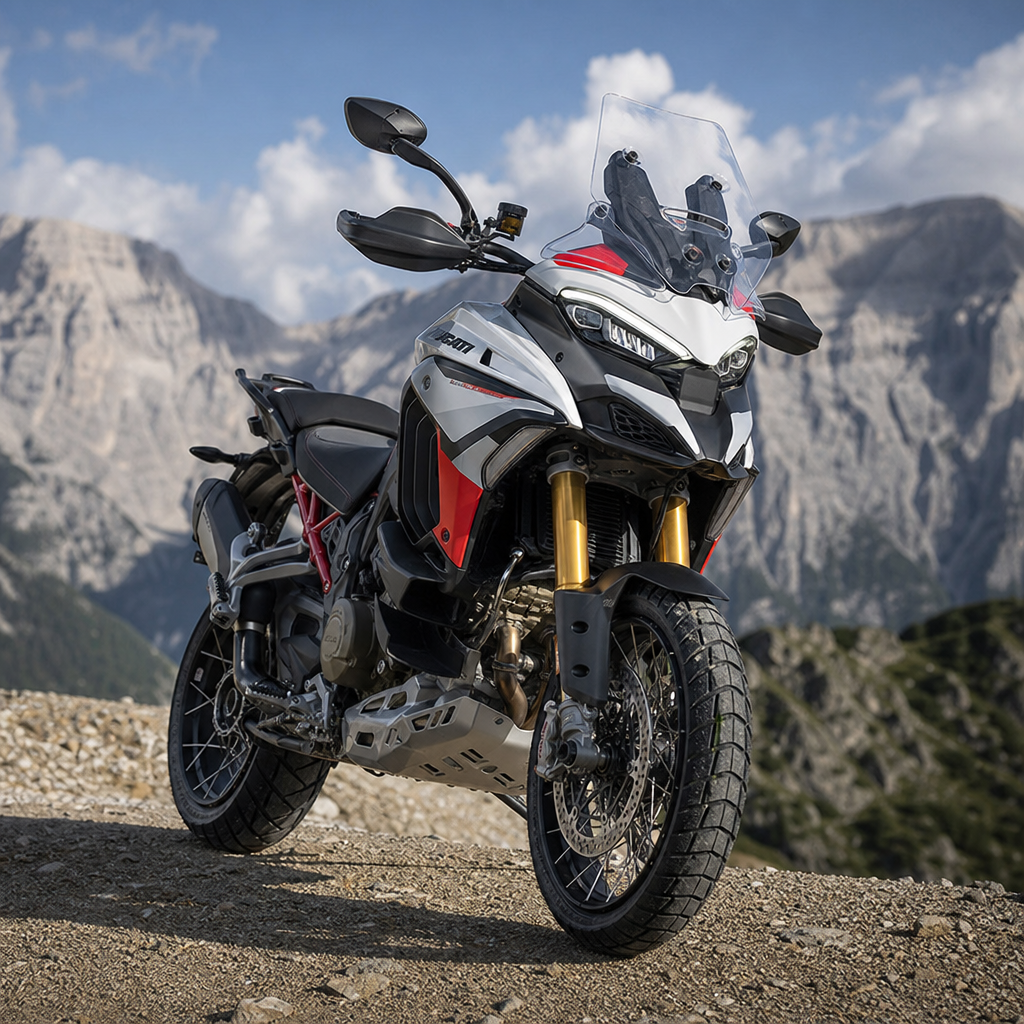
| 9 | Ducati | Better than its old reputation suggests, yet higher service sensitivity and electronics complexity remain | Enthusiasts who will follow maintenance schedules closely |
| 10 | KTM | Outstanding performance and innovation, but owner reports cite more frequent electrical and component issues | Performance-first riders willing to accept greater variability |
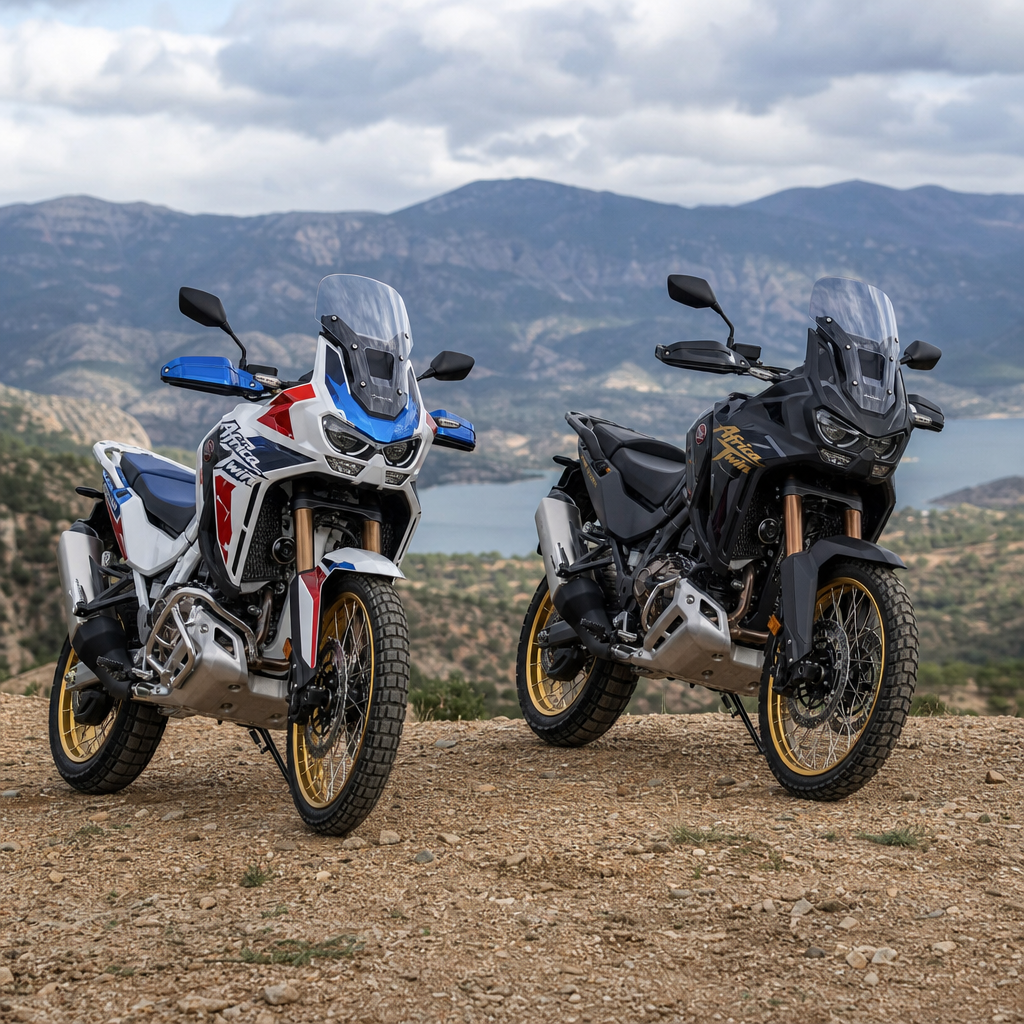
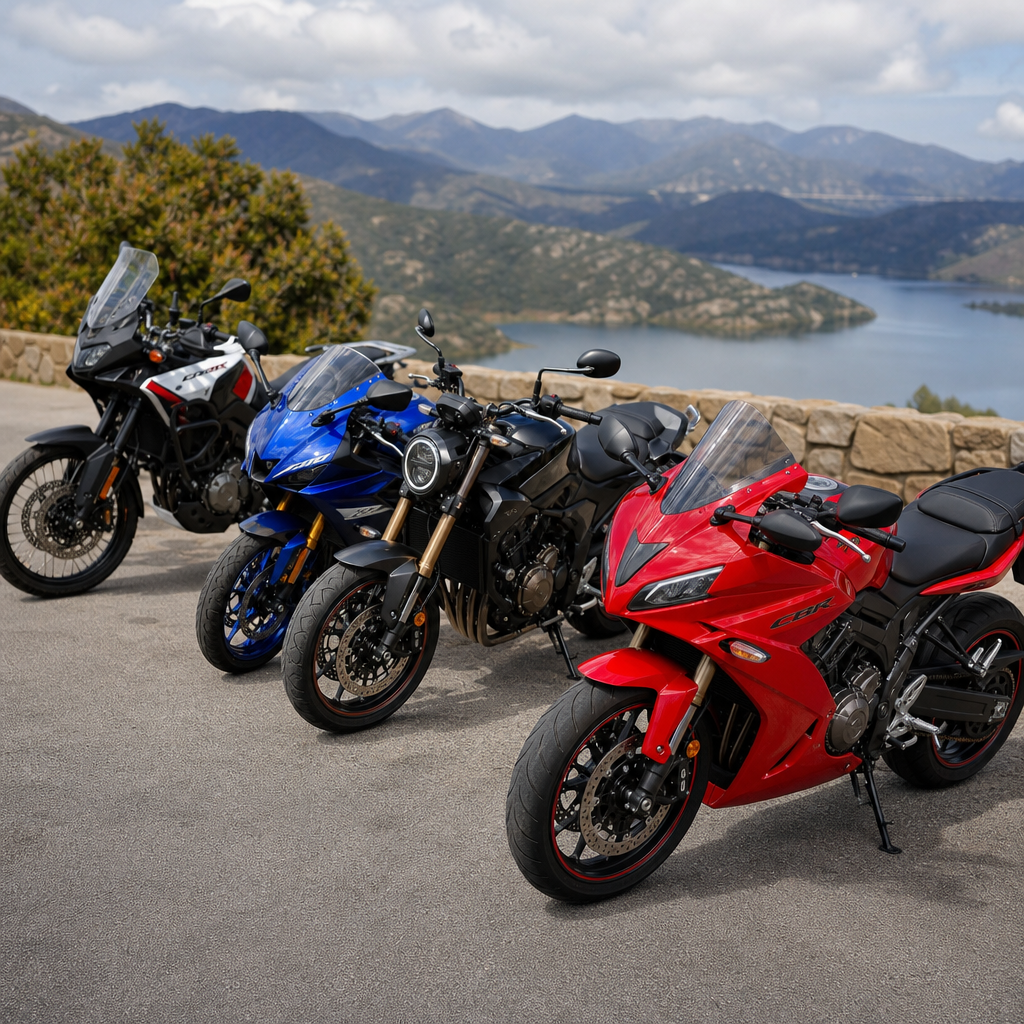
Honda ranks first because owner reports are remarkably consistent across categories. Small commuters like the CB and ADV lines, middleweight standards such as the CB650R, and larger machines like the Africa Twin all benefit from conservative tuning and mature platform development. Honda does not usually chase extremes. That restraint pays off in fewer catastrophic failures and more predictable maintenance cycles. Owners routinely report six-figure mileage on well-maintained Honda touring and commuting models.
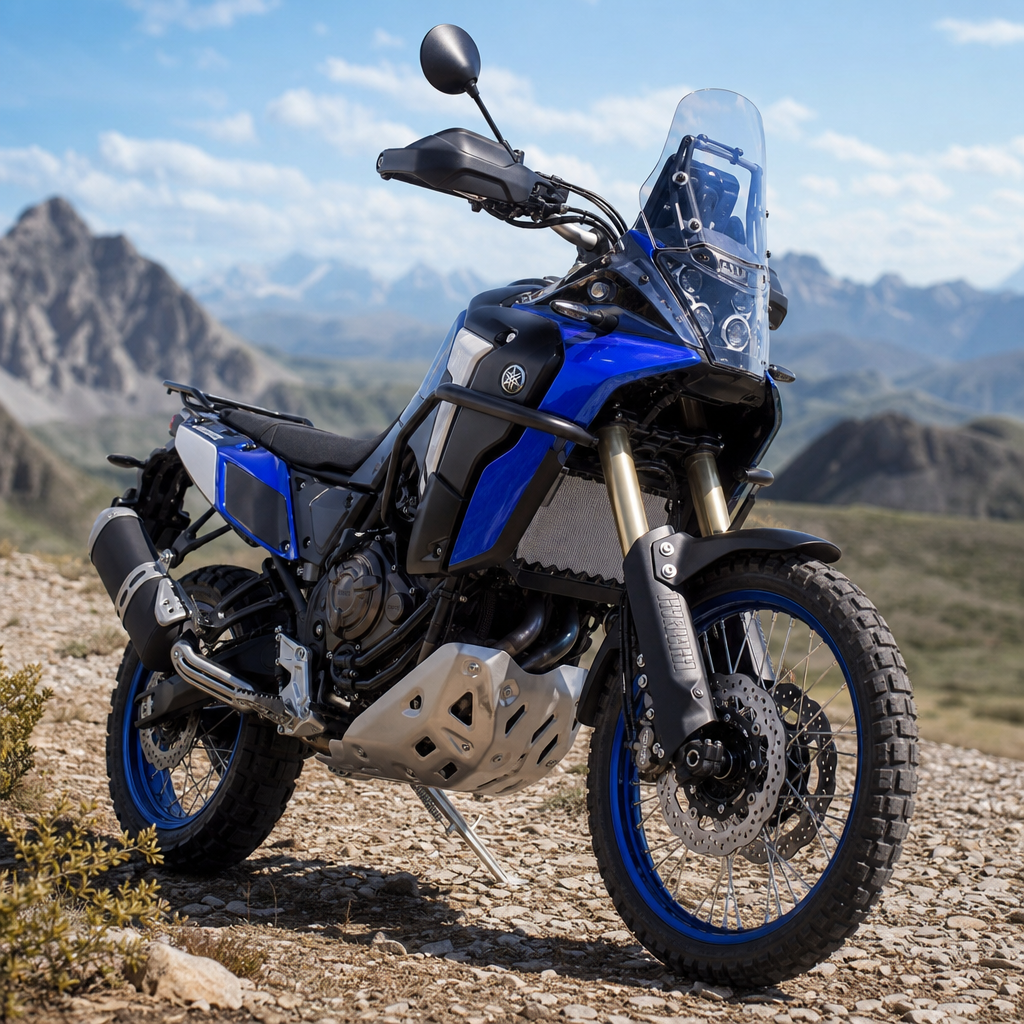
Yamaha sits close behind. The company’s CP2 and CP3 engines have earned a reputation for durability while still delivering personality, and that balance is rare. MT-07, Ténéré 700, XSR700, and Tracer owners regularly praise low unscheduled repair rates. Yamaha’s electronics integration is also generally cleaner than many rivals, especially in the middleweight segment where complexity remains manageable.
Kawasaki and Suzuki continue to win practical buyers. Kawasaki’s Ninja 400, Ninja 500, Z650, Versys 650, and longstanding inline-four families benefit from proven designs and accessible servicing. Suzuki remains a favorite among mechanics because many of its platforms are mature and understressed. Bikes like the SV650 and V-Strom line may not lead on dashboard sophistication, but fewer features often means fewer failures.
Why Japanese brands still dominate reliability rankings
Japanese manufacturers dominate owner reliability surveys for structural reasons, not nostalgia. They tend to validate components for longer, spread engines across multiple models, and avoid rushing unproven technology into volume products. A Yamaha CP2 engine used across MT, XSR, and adventure applications gets years of real-world refinement. Honda does the same with its parallel twins and inline-fours. That continuity exposes weak points early and allows suppliers to stabilize quality.
Another factor is maintenance tolerance. In real life, many owners miss ideal service intervals by a few hundred miles, use bikes in poor weather, or let batteries discharge over winter. Honda, Yamaha, Kawasaki, and Suzuki generally build motorcycles that tolerate average ownership habits better than highly stressed premium European machines. That does not mean maintenance is optional. It means the engineering margin is often wider.
Parts distribution also helps Japanese brands score well. In many markets, consumables, gaskets, filters, and common replacement parts are easier to source. Independent shops know these platforms well, which lowers labor time and speeds diagnosis. A reliable motorcycle is one that can be repaired efficiently, and the Japanese brands benefit from decades of familiar architecture.
Where European brands have improved, and where they still trail
European brands are no longer automatically unreliable. BMW, Triumph, and Ducati have all improved significantly over the last decade in manufacturing consistency, electronics integration, and corrosion resistance. Triumph’s modern triples are far better sorted than older generations, and BMW’s boxer platform remains one of the most trusted long-distance engines in motorcycling. Ducati, once defined by expensive valve services and fragile electrics, now builds motorcycles that many owners use daily with few major issues.
Still, the gap appears when complexity rises. Premium suspension systems, semi-active damping, radar cruise control, keyless systems, integrated connectivity modules, and dense packaging increase the number of possible failure points. When a Japanese middleweight has a cable clutch and simple dash, there is less to fail. When a premium European adventure bike includes dozens of interlinked electronic features, reliability depends on every sensor, module, and software update working together.
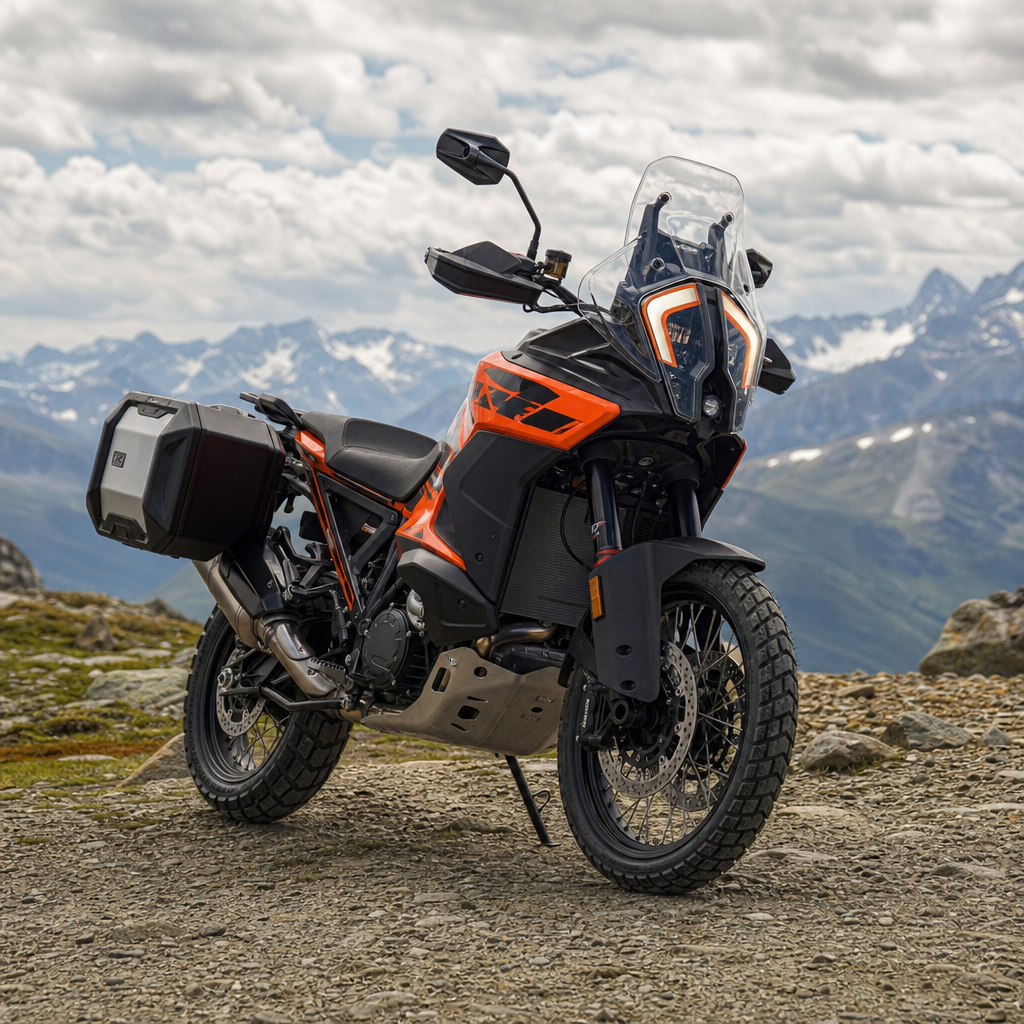
KTM illustrates the tradeoff clearly. Many owners love the performance, chassis response, and off-road capability of its adventure and naked bikes. Yet owner forums continue to document more variability in build consistency, electrical glitches, and component wear than the top Japanese brands. That does not make KTM a bad buy. It means buyers should go in with eyes open, especially if dealer support is thin locally.
Reliability by motorcycle category: what buyers should expect
Category matters. Small and middleweight standards are usually the safest reliability bets because they run simpler electronics, make moderate power, and are easier to service. A Honda CB500 Hornet or Kawasaki Z500 should, in general, outscore a flagship superbike on pure dependability. Adventure bikes vary widely. Models like the Yamaha Ténéré 700 stay reliable by keeping systems relatively simple, while large adventure tourers from BMW, Ducati, or KTM offer more features but more potential downtime.
Cruisers often have durable engines but can suffer from heat management, charging-system issues, or corrosion if used year-round. Harley-Davidson’s modern touring bikes are significantly better than older stereotypes suggest, yet reliability still depends on how much owners value a large dealer network versus occasional electrical or infotainment frustrations. Retro bikes can be excellent if they use understressed engines. Royal Enfield’s 650 twins are a good example: they are not the most powerful, but simplicity supports decent real-world dependability.
Sportbikes present another nuance. High-performance fours from Honda, Yamaha, Kawasaki, Suzuki, and BMW can be extremely durable when maintained properly, but riders are more likely to track them, modify them, or operate them at sustained high rpm. Abuse gets mistaken for poor reliability all the time. Buyers should separate factory durability from owner behavior.
How to choose a reliable motorcycle brand for your needs
The best buyers guide advice is simple: buy the most reliable brand that also suits your use case, local service options, and maintenance discipline. Start with your riding pattern. If you commute daily and need guaranteed starts, Honda and Yamaha should be on the shortlist. If you want affordable sport-touring or a first bike with low ownership costs, Kawasaki deserves a hard look. If you prize old-school mechanical simplicity, Suzuki and Royal Enfield make sense. If you need premium touring capability and have strong dealer access, BMW can be a smart long-haul choice despite higher complexity.
Then check model-specific history, not just brand image. Every manufacturer has strong and weak platforms. Search owner forums for fuel pump failures, stator problems, TFT glitches, excessive heat, or recall trends tied to the exact model year. Ask local shops which bikes sit waiting for parts. Look at maintenance intervals and valve inspection access. A technically reliable motorcycle can still be expensive to own if routine labor is excessive.
Finally, be honest about your tolerance for risk. Some riders accept occasional issues in exchange for class-leading performance or styling. Others want a machine that simply works for years. Neither approach is wrong. Reliability is a buying priority, and priorities differ.
Final verdict for 2026 buyers
If your priority is the most reliable motorcycle brand in 2026, owner experience points clearly to Honda first, followed closely by Yamaha, with Kawasaki and Suzuki remaining excellent practical choices. These brands keep winning because they build proven engines, manage electronics carefully, and support owners with broad dealer networks and accessible parts. For buyers who want low-stress ownership, they are still the benchmark.
European brands have narrowed the gap and now offer genuinely dependable options, especially BMW and Triumph, but they still demand more careful model selection and stronger dealer access. Ducati is better than its reputation, Harley-Davidson remains highly supportable in its core markets, Royal Enfield continues to improve, and KTM delivers thrilling performance with more reliability variability than conservative buyers may want.
The key takeaway is that brand reputation should start your search, not end it. Use this hub as your launch point into deeper New Rides buyers guides on specific categories, model comparisons, financing, maintenance costs, and ownership planning. Match the brand to your riding style, verify the exact model’s track record, and choose the machine you can maintain properly. Do that, and you will end up with a motorcycle that earns your trust mile after mile.
Frequently Asked Questions
What makes a motorcycle brand “reliable” in 2026?
In 2026, reliability means much more than simply whether a motorcycle starts in the morning. Most riders use the term to describe a mix of real-world durability, predictable maintenance costs, and the ability to get the bike serviced or repaired without a long, frustrating wait. A reliable brand is one whose motorcycles can handle daily commuting, weekend rides, touring, and even high-mileage use without developing recurring mechanical or electrical problems. Owners also expect modern features such as ride modes, TFT dashboards, traction control, quickshifters, and connectivity systems to work consistently rather than becoming sources of glitches or expensive downtime.
Owner rankings usually reflect the full ownership experience, not just engineering on paper. That includes how often a bike needs unscheduled repairs, whether common issues are minor or serious, how long parts take to arrive, and whether dealerships are equipped to fix newer electronics-heavy models correctly the first time. In other words, a reliable motorcycle brand in 2026 is one that combines solid mechanical design with mature electronics, sensible service intervals, good quality control, and strong after-sales support. When owners rank brands highly for reliability, they are usually rewarding brands that deliver confidence over thousands of miles, not just impressive specifications in a showroom.
Are Japanese motorcycle brands still considered the most reliable by owners?
For many riders, yes—Japanese brands still set the benchmark for reliability, and owner feedback in 2026 continues to reflect that reputation. Brands such as Honda, Yamaha, Kawasaki, and Suzuki remain popular because they have long histories of producing motorcycles with durable engines, consistent manufacturing standards, and relatively straightforward maintenance needs. Even as motorcycles become more technologically advanced, these brands generally earn trust by introducing new features in a measured way and by backing them with broad dealer networks and strong parts availability in many markets.
That said, the gap is not always as large as it once was. Several European and premium brands have improved their reliability significantly, especially in categories such as touring, adventure, and sport-touring. Still, Japanese brands often score well because owners report fewer surprise failures and lower long-term hassle. They also tend to perform especially well for riders who prioritize everyday dependability over cutting-edge novelty. So while it would be too simplistic to say every Japanese motorcycle is automatically the most reliable, owner-ranked lists in 2026 still often place Japanese brands near the top because they consistently deliver low-drama ownership and strong value over time.
How important are dealer networks and parts availability when judging motorcycle reliability?
They are extremely important, and in many cases they directly shape how owners perceive a brand’s reliability. A motorcycle can be mechanically strong, but if a failed sensor, fuel pump, switchgear component, or electronic module leaves the bike parked for weeks waiting on parts, owners will not describe that experience as reliable. In 2026, where many motorcycles rely on sophisticated electronics and model-specific software, access to trained technicians and replacement components matters almost as much as the underlying hardware itself. Reliability is about staying on the road, and a weak support network can undermine that even if the bike itself is fundamentally well built.
This is especially true for riders who use their motorcycles for commuting, long-distance travel, or multi-state touring. A wide dealer network improves the odds of finding qualified service while away from home, and strong parts distribution reduces downtime when repairs are needed. Brands that maintain good supply chains, clear service procedures, and widespread support tend to rank better with owners because problems get solved faster and with less inconvenience. In owner-based reliability rankings, support infrastructure is often the hidden factor separating a merely good brand from a truly dependable one.
Do more advanced electronics make motorcycles less reliable?
Not necessarily, but they do change what reliability looks like. Modern motorcycles in 2026 often include IMU-based rider aids, adaptive lighting, Bluetooth integration, keyless ignition, semi-active suspension, radar systems, and complex instrument displays. These features can improve safety, comfort, and convenience, but they also introduce more components that can malfunction. In older bikes, reliability problems were more likely to involve obvious mechanical issues. Today, some of the most frustrating failures can come from sensors, control modules, software conflicts, or wiring-related faults that are harder to diagnose and sometimes more expensive to repair.
Well-developed electronics do not automatically reduce reliability, however. Brands that thoroughly test new systems, roll them out carefully, and support them with proper dealer training can offer highly reliable tech-rich motorcycles. Owners tend to reward brands whose electronics feel mature and trouble-free in daily use. Problems usually arise when technology is introduced too aggressively, when software is underdeveloped, or when service departments are not fully prepared to deal with modern systems. So the real question is not whether advanced electronics are bad for reliability, but whether a brand has proven it can integrate and support them without adding unnecessary ownership headaches.
What should buyers look for if they want the most reliable motorcycle brand for long-term ownership?
Buyers should look beyond marketing claims and focus on long-term owner experience. Start by researching models and brands with strong reputations for durability across several years, not just one successful launch cycle. Pay attention to reports of recurring problems, especially issues involving engines, transmissions, charging systems, cooling systems, and electronics. Service intervals also matter: a bike that rarely breaks but requires expensive, frequent maintenance may not feel especially dependable to own. Reliability should mean both low failure rates and manageable upkeep over tens of thousands of miles.
It is also smart to evaluate the practical side of ownership. Check how strong the dealer network is in your region, how easy it is to source parts, and whether independent shops are comfortable working on the brand. Read owner forums and long-term tests to see how motorcycles behave after warranty coverage ends. In many cases, the most reliable choice is not the bike with the flashiest technology or highest performance, but the one with proven engineering, stable electronics, and broad service support. For riders planning to keep a motorcycle for many years, the best brand is usually the one that combines mechanical longevity, predictable maintenance, and fast, competent support when something eventually needs attention.