Choosing your first motorcycle in 2026 is easier than it used to be, but the number of good options can still make the decision surprisingly hard. A beginner motorcycle is not simply a “small bike.” It is a machine with predictable power delivery, manageable weight, forgiving ergonomics, affordable running costs, and modern safety features that help a new rider build skill without feeling overwhelmed. In a buyers guide, those factors matter more than brochure horsepower or social media trends.
I have helped new riders compare first bikes for years, and the same pattern shows up every season: people shop with their eyes first, then regret ignoring seat height, insurance cost, clutch feel, or dealer support. The best beginner motorcycles in 2026 solve practical problems before they chase performance. They start easily, inspire confidence at low speed, stay stable on the highway, and do not punish small mistakes. That is why this category matters so much. A good first bike can accelerate learning, keep ownership affordable, and make riding a habit. A bad first bike can do the opposite.
This hub article covers the full buyers guide landscape under New Rides, from budget-friendly commuter motorcycles to premium entry-level machines, plus key categories such as standard bikes, cruisers, sport-focused models, and small adventure motorcycles. It also answers the questions shoppers usually ask first: How much power is enough? Should a beginner buy new or used? Which engine sizes make sense? What safety technology is worth paying for? By the end, you should know which type of motorcycle fits your body, budget, and riding plans, and which 2026 models deserve a close look at the dealership.
What makes a motorcycle beginner-friendly in 2026
The best beginner motorcycles in 2026 typically sit between 250cc and 500cc, though there are smart exceptions on both sides. Engine character matters as much as displacement. A smooth parallel twin like the Kawasaki Ninja 500 or Honda NX500 usually feels easier to manage than a peaky single-cylinder or aggressive four-cylinder with similar headline output. For most new riders, the sweet spot is roughly 25 to 50 horsepower, enough for freeway merging without the abrupt acceleration that can magnify inexperience.
Weight is the next big filter. Once a motorcycle moves, 25 extra pounds may not matter much, but when you are pushing it out of a parking space, practicing U-turns, or stopping on uneven pavement, that weight feels very real. In my experience, many first-time buyers underestimate this. A bike under about 420 pounds wet is generally easier to live with, especially for shorter riders. Seat height, handlebar reach, and footpeg position also shape confidence. A narrow seat can matter more than a lower spec-sheet number because it lets riders get more boot on the ground.
Technology now plays a larger role than it did even five years ago. Anti-lock brakes should be considered essential on a beginner bike. Traction control is useful on wet roads, painted intersections, and cold tires, though it should not replace throttle discipline. Slipper-assist clutches, common on newer entry-level models, reduce lever effort and smooth abrupt downshifts. TFT displays and smartphone connectivity are nice extras, but reliability, parts availability, and dealer service matter more. A first bike is a training partner, not a gadget showcase.
Best beginner motorcycles by budget
Budget shapes the shortlist more than any other factor, so it helps to think in three bands: under $5,500, $5,500 to $8,000, and above $8,000. In the most affordable range, the Honda CB300R, Yamaha MT-03, KTM 390 Duke, CFMOTO 300NK, and Kawasaki Z500 or entry trims of the Eliminator often stand out depending on incentives and regional pricing. These motorcycles deliver approachable power, low operating costs, and simple ownership. They also tend to return strong fuel economy, often around 55 to 70 mpg in mixed use.
In the midrange, buyers find the broadest value. The Kawasaki Ninja 500 and Z500, Honda Rebel 500, Honda CB500 Hornet where available, Yamaha R3, Aprilia RS 457, Royal Enfield Guerrilla 450, and Triumph Speed 400 all fit riders who want more highway composure and longer ownership potential. This is where many of the best beginner motorcycles 2026 shoppers should consider actually live. Monthly payments can still be manageable, and the equipment level often improves meaningfully with better suspension tuning, stronger brakes, and higher-quality switchgear.
Above $8,000, the case for a first bike becomes more personal. Some riders want premium fit and finish, advanced electronics, or a model they will keep for many years. Bikes like the Honda NX500 with luggage, certain trims of the KTM 390 Adventure, or premium A2-friendly sport models can make sense if the rider has a disciplined temperament and a clear plan. But spending more does not automatically buy a better beginner experience. Insurance, replacement parts, and the cost of an inevitable driveway tip-over should stay part of the equation.
| Budget Range | Best Fits | Why They Work for Beginners |
|---|---|---|
| Under $5,500 | Honda CB300R, Yamaha MT-03, CFMOTO 300NK | Low weight, easy controls, low fuel and insurance costs |
| $5,500 to $8,000 | Kawasaki Ninja 500, Honda Rebel 500, Triumph Speed 400 | Better highway performance, more room to grow, strong value |
| Above $8,000 | Honda NX500, Aprilia RS 457, KTM 390 Adventure | More features and refinement, but higher ownership costs |
Top picks by motorcycle type
Standard and naked bikes remain the easiest recommendation for most new riders. Models such as the Yamaha MT-03, Honda CB300R, Triumph Speed 400, and Kawasaki Z500 provide upright ergonomics, good visibility in traffic, and easier low-speed handling than clip-on sport bikes. They are practical for commuting, city riding, and weekend back-road use. If you are unsure where your riding habits will land, a standard bike is usually the safest first choice because it does many jobs well.
Cruisers attract many beginners because they look approachable and often have low seat heights. The Honda Rebel 500 is still the benchmark in this class thanks to its friendly twin-cylinder engine, predictable handling, and huge aftermarket. Kawasaki’s Eliminator is another smart option, especially for riders who want cruiser style without excessive weight. The tradeoff is lean angle and, sometimes, comfort over rough pavement. Cruisers can be excellent first bikes, but they are less versatile if you later want spirited cornering or light touring.
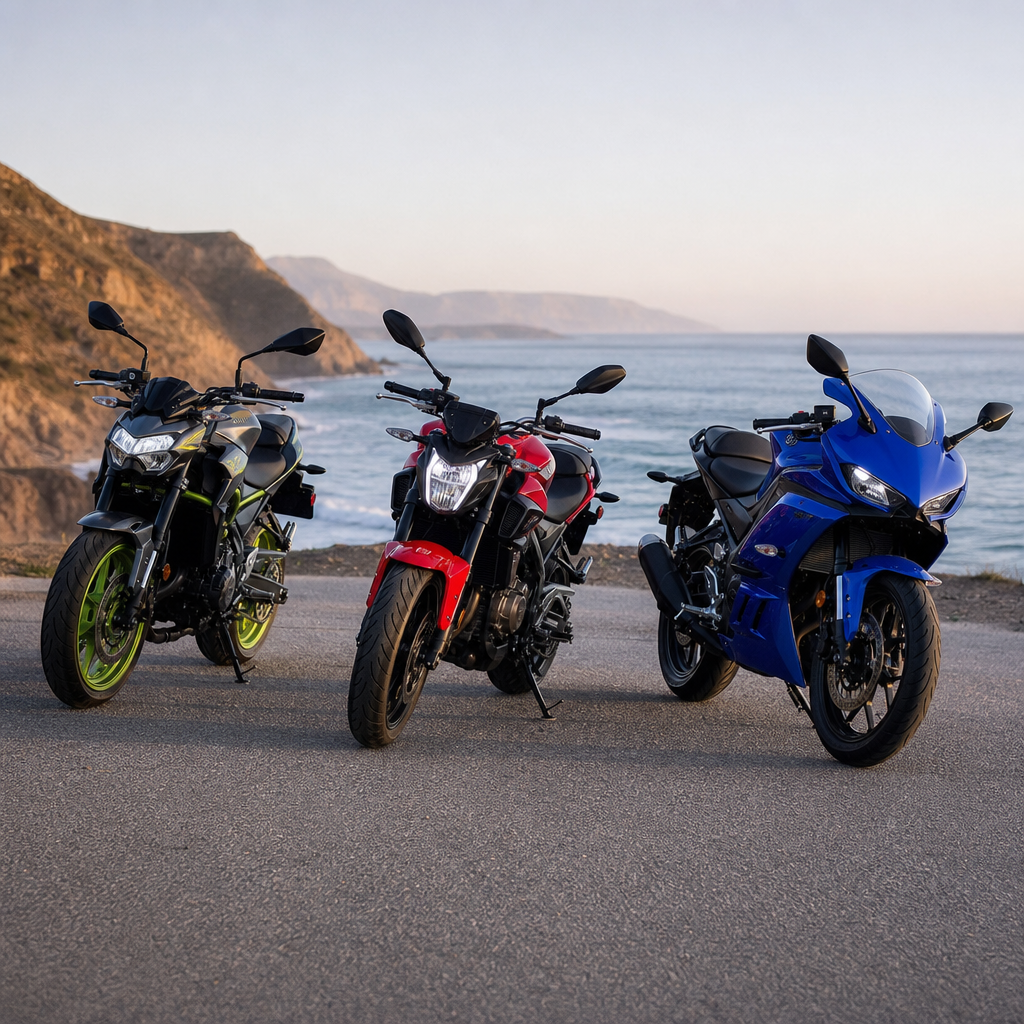
Sport bikes deserve a more nuanced view than they usually get. The best beginner sport bikes are not supersports; they are lightweight machines with relaxed power and manageable ergonomics. The Yamaha R3, Kawasaki Ninja 500, and Aprilia RS 457 fit that description. They offer fairing protection and a sporty look without the brutal powerbands or extreme riding positions of 600cc inline-fours. In dealer conversations, I often tell first-time sport-bike shoppers to focus on throttle response, steering effort, and insurance premiums before comparing top speed, because those are the factors they will live with every day.
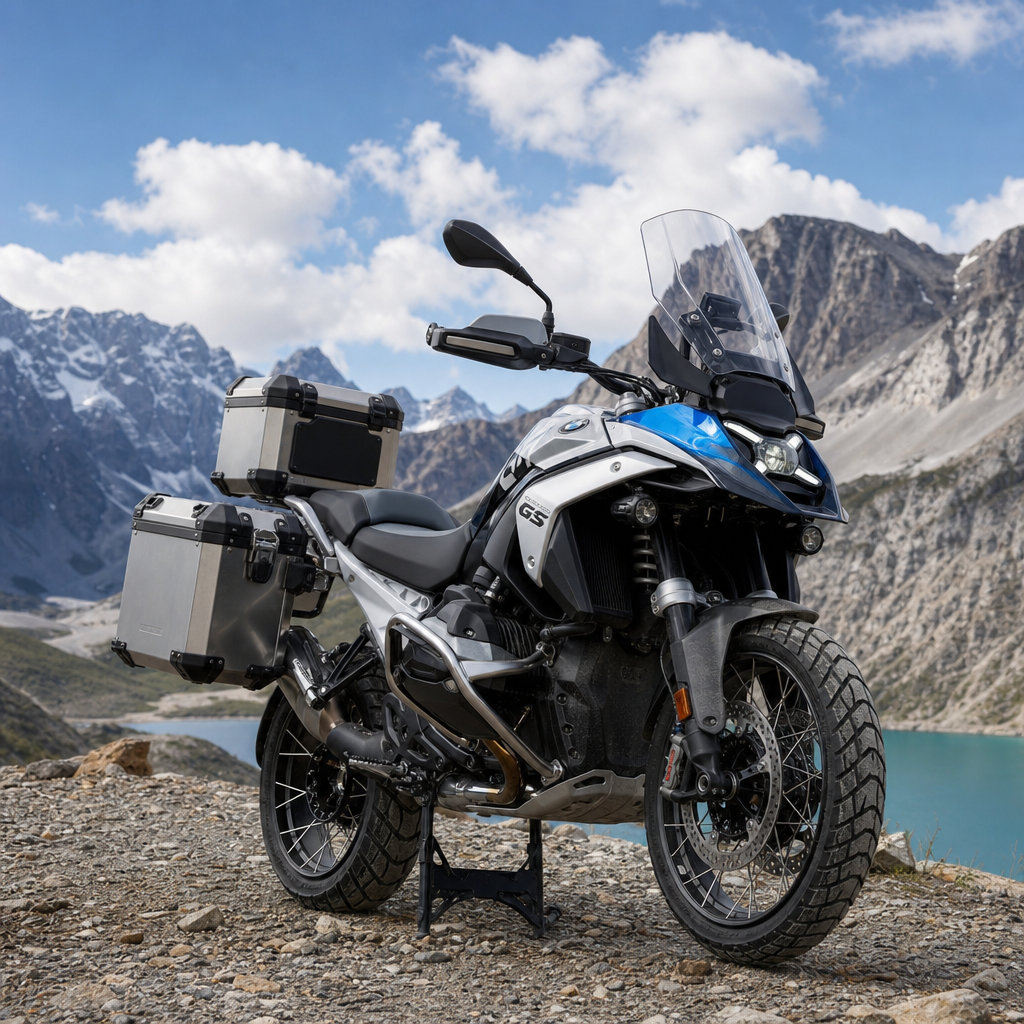
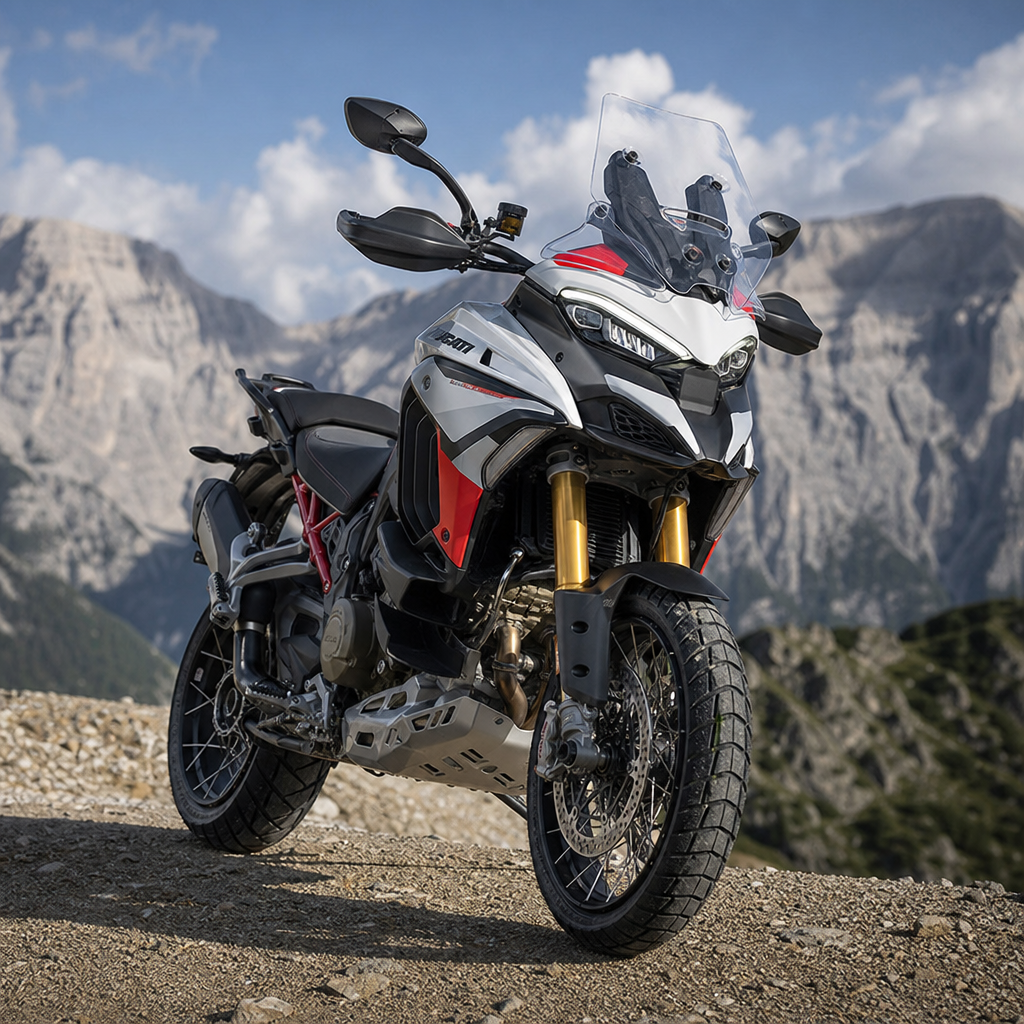
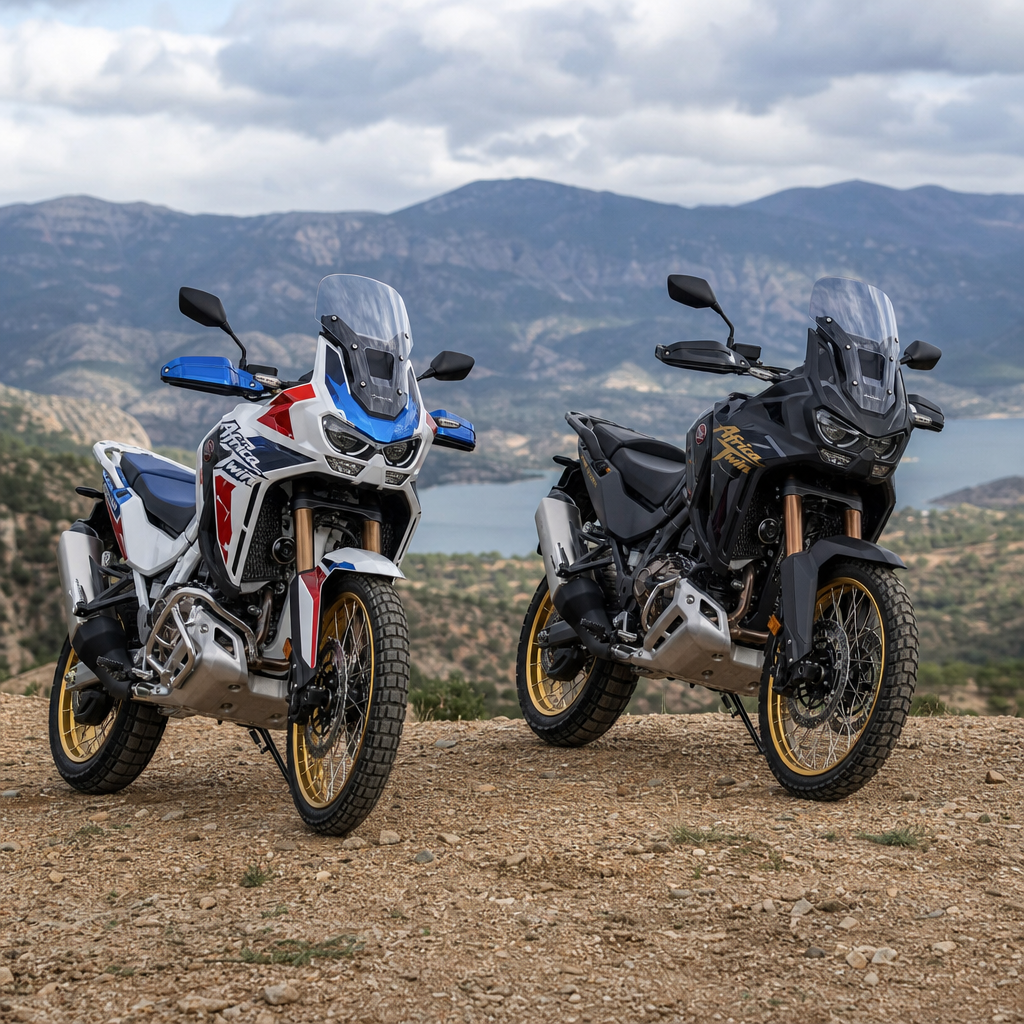
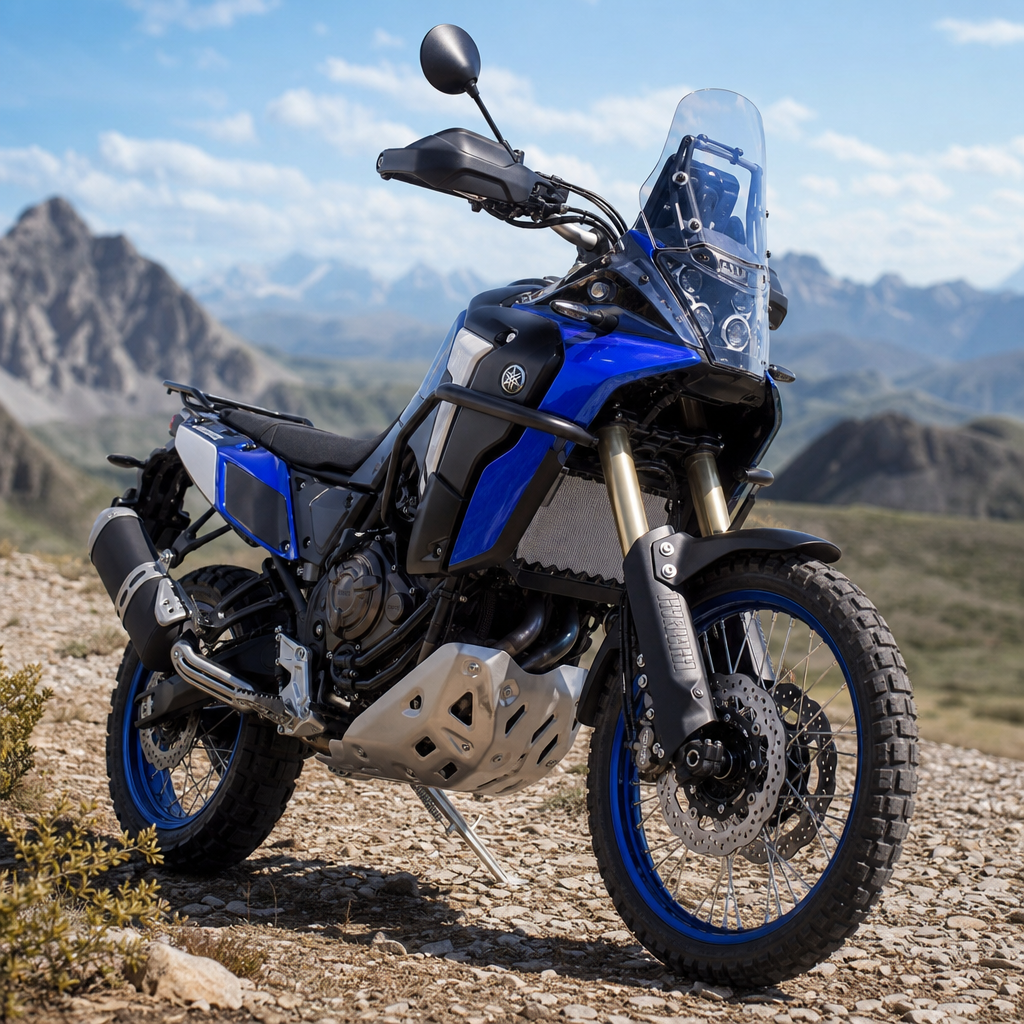
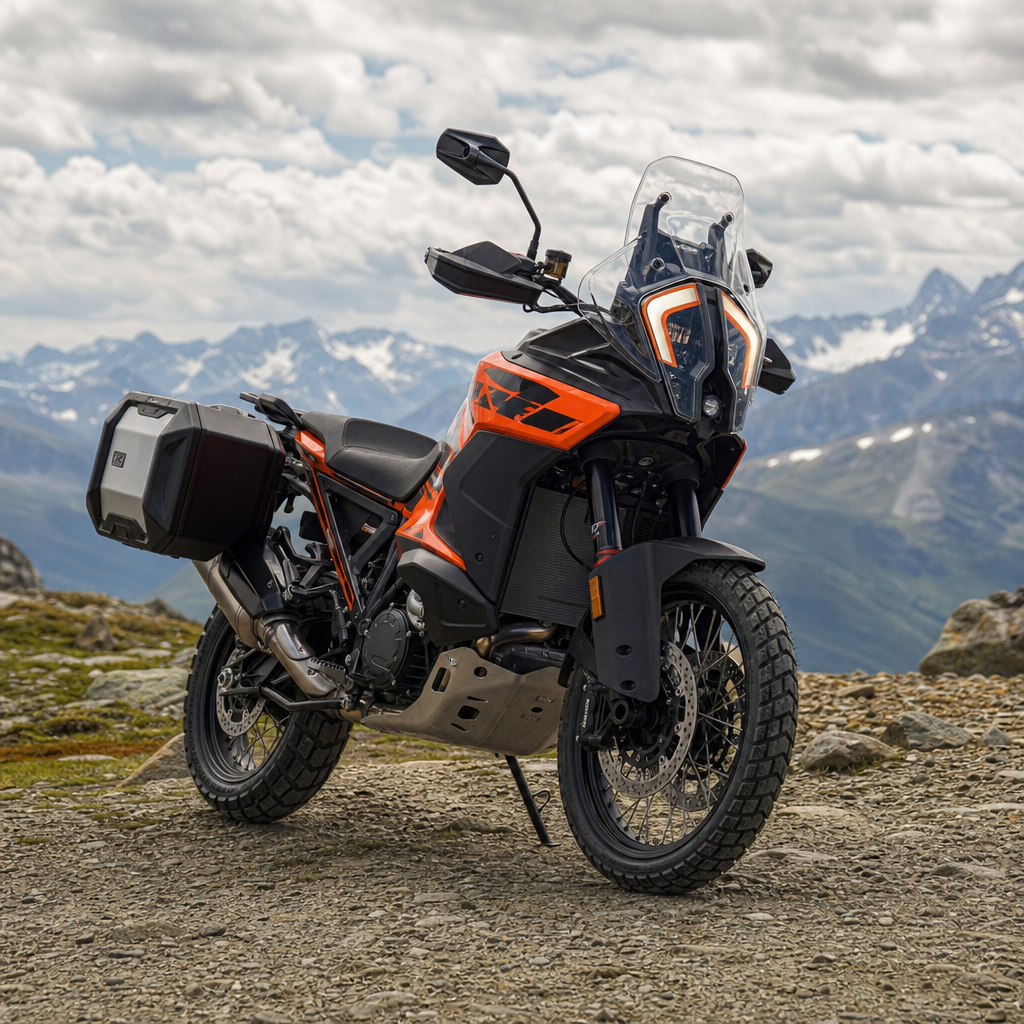
Small adventure and dual-purpose motorcycles are increasingly relevant in 2026 as more riders want one bike for commuting, bad roads, and occasional gravel. The Honda NX500, KTM 390 Adventure, Royal Enfield Himalayan 450, and BMW G 310 GS all appeal here. These bikes give beginners upright posture, good visibility, and practical comfort, though taller seat heights can challenge shorter riders. If your route includes potholes, rural roads, or weekend exploring, this class offers more flexibility than a pure street machine.
How to choose the right first bike for your body and riding plans
The most common mistake beginners make is shopping by category before checking fit. Start with a simple test: can you comfortably reach the bars, operate the controls, and place at least the balls of both feet on the ground without sliding off the seat? If not, the motorcycle may still work, but your learning curve will be steeper. A bike that looks perfect online can feel awkward within seconds in a showroom. Fit influences confidence, and confidence directly affects how quickly a rider learns clutch control, braking, and slow-speed balance.
Next, match the motorcycle to your real riding mix. If you will commute daily through city traffic, a lightweight naked bike or small-displacement standard makes sense. If you have a 30-mile freeway ride, a 400cc to 500cc twin often feels calmer and less strained. If you ride two-up early, carry luggage, or live in windy rural areas, skip the very smallest bikes and look at models like the Rebel 500, Ninja 500, or NX500. Buying for your actual use case is smarter than buying for an imagined identity.
Running costs deserve equal attention. Insurance can vary dramatically between two motorcycles with similar engine sizes, especially if one is coded as a sport model. Tires for a 17-inch street bike are often cheaper than adventure rubber, and service intervals matter if you rack up miles quickly. Parts support also separates smart purchases from frustrating ones. Honda, Yamaha, Kawasaki, and Suzuki still hold a major advantage in dealer network coverage in many markets. Newer brands may offer strong value, but verify local service capability before signing paperwork.
New versus used, financing, and hidden ownership costs
For many first-time buyers, a used motorcycle still offers the best value, but the used market is not always a bargain. When prices are inflated or the bike needs tires, chain and sprockets, battery, fluids, and brake service, the apparent savings disappear fast. A new beginner motorcycle in 2026 may come with warranty coverage, lower financing rates through the manufacturer, and updated safety features like standard ABS. That peace of mind has real value when you are still learning what normal mechanical wear looks and feels like.
If you finance, calculate total ownership rather than focusing only on monthly payment. Include insurance, registration, taxes, dealer fees, riding gear, maintenance, and fuel. A beginner who budgets $7,000 for a motorcycle but forgets $1,000 to $1,500 for quality gear can end up compromising on safety equipment, which is a mistake. At minimum, plan for an ECE 22.06 or Snell-approved helmet, abrasion-resistant jacket and gloves, over-the-ankle boots, and preferably riding pants. Gear should be part of the vehicle decision, not an afterthought.
Used-bike inspections should be methodical. Check tire date codes, cold-start behavior, brake rotor wear, chain condition, fluid leaks, and evidence of crash damage around bar ends, levers, pegs, and engine cases. Ask for service records. Verify VIN history where possible. On a first purchase, it is often worth paying a trusted mechanic for a pre-purchase inspection. I have seen buyers avoid expensive mistakes just by catching neglected fork seals or a charging system problem before money changed hands.
The standout beginner motorcycles for 2026
If I had to build a short list of the best beginner motorcycles 2026 buyers should ride first, several models rise above the rest. The Kawasaki Ninja 500 is one of the most complete options because it balances light weight, accessible power, fairing protection, and everyday comfort. Its parallel twin has enough midrange for highway use without feeling intimidating. The Kawasaki Z500 offers the same basic formula in naked-bike form for riders who prefer upright ergonomics and lower cost.
The Honda Rebel 500 remains one of the easiest motorcycles to recommend to a broad range of new riders. Its low seat height flatters shorter inseams, the engine is smooth and durable, and resale value tends to be strong. For riders wanting a premium-feeling standard, the Triumph Speed 400 delivers excellent finish, usable torque, and a chassis that feels polished beyond its price. The Yamaha MT-03 is still a top urban choice because it is light, intuitive, and economical, while the R3 keeps winning over sport-bike beginners with its balanced handling and approachable engine.
Riders looking beyond pavement should test the Honda NX500 and Royal Enfield Himalayan 450. The NX500 is a refined all-rounder with dependable Honda manners, while the Himalayan 450 offers genuine adventure-bike character at a still-manageable pace. The Aprilia RS 457 deserves mention for riders who want a sharper sport-bike experience without jumping into supersport territory. It is more serious than an R3, but still a realistic first bike for disciplined riders who value technique and plan to grow into track days gradually.
The best beginner motorcycle is the one that helps you practice more, worry less, and keep riding long after the novelty wears off. In 2026, that usually means choosing a bike with manageable power, reasonable weight, standard ABS, comfortable ergonomics, and ownership costs you can sustain. For most riders, the strongest starting points are the Kawasaki Ninja 500 or Z500, Honda Rebel 500, Triumph Speed 400, Yamaha MT-03, Yamaha R3, and Honda NX500, with the right choice depending on whether you prefer standard, cruiser, sport, or adventure styling.
As the buyers guide hub for New Rides, this page should be your starting map, not your final stop. From here, go deeper into model-specific comparisons, category breakdowns, and ownership guides for the motorcycles on your shortlist. Test sit everything. Price insurance before you buy. Budget for gear and training. If possible, complete a rider course before taking delivery. The rider who makes a calm, informed first purchase usually enjoys the sport more and spends less fixing avoidable mistakes.
Start with fit, narrow by budget, and choose the motorcycle that matches your real riding life. Then book test rides, compare dealer support, and move to the next guide in the Buyers Guides hub to refine your shortlist with confidence.
Frequently Asked Questions
What makes a motorcycle a good beginner bike in 2026?
A good beginner motorcycle in 2026 is defined less by engine size alone and more by how approachable the entire riding experience feels. The best starter bikes have smooth, predictable power delivery that does not surprise a new rider with sudden acceleration. They also tend to have manageable curb weight, neutral handling, and ergonomics that allow most riders to place at least one foot securely on the ground at stops. That combination builds confidence quickly, which is critical in the first year of riding.
Modern beginner-friendly motorcycles also benefit from improved electronics and safety features. ABS is now widely available and should be considered close to essential for a first bike because it helps reduce the risk of wheel lockup during emergency braking. Many newer entry-level models also include traction control, slipper clutches, ride modes, and easy-to-read displays. While none of these features replace proper training or good judgment, they can make the learning process more forgiving.
Affordability matters just as much as performance. A true beginner bike should be inexpensive to insure, fuel-efficient, and reasonably priced to maintain. New riders often drop bikes at low speed, so motorcycles with durable bodywork, widely available parts, and lower repair costs are especially appealing. In short, the best beginner motorcycle is one that helps a rider learn fundamental skills safely, comfortably, and without creating unnecessary financial stress.
Is a 300cc to 500cc motorcycle the best choice for most first-time riders?
For many first-time riders, the 300cc to 500cc range remains the sweet spot because it balances usability, confidence, and long-term value. Bikes in this category usually have enough power for city riding, back-road fun, and highway commuting, but they are still light and unintimidating compared with larger middleweight or liter-class machines. That makes them easier to maneuver in parking lots, simpler to control in traffic, and less tiring during practice sessions.
That said, the ideal engine size still depends on the rider’s experience, body size, intended use, and level of self-control. A disciplined rider who plans to spend a lot of time on highways may be very comfortable on a beginner-friendly 500cc twin. On the other hand, someone who wants a first bike mostly for local commuting may be better served by a 250cc or 300cc model because of its lower weight, lower cost, and less intimidating feel. The important point is that displacement by itself does not tell the whole story. A mellow 471cc twin can be easier to ride than a high-strung smaller bike tuned for aggressive performance.
In 2026, many of the best beginner motorcycles sit in this broad range precisely because manufacturers have refined the formula. These bikes are no longer bare-bones compromises. They often offer excellent fuel economy, modern styling, strong reliability, and enough capability that many riders keep them for years. So yes, 300cc to 500cc is usually a very smart place to start, but the best first motorcycle is the one whose power, weight, ergonomics, and price all fit the rider realistically.
Should a beginner buy a new motorcycle or a used one?
Both new and used motorcycles can be excellent first-bike choices, and the right answer depends on budget, risk tolerance, and how much mechanical uncertainty a rider is willing to accept. Buying new gives a beginner several advantages. A new bike typically includes a factory warranty, updated safety technology, predictable maintenance history, and no hidden abuse from previous owners. For a rider who wants maximum peace of mind and minimal surprises, that can be well worth the higher upfront cost.
Used motorcycles, however, often represent the best value. Because many beginner models hold up well mechanically and are produced in large numbers, it is possible to find clean, affordable examples with plenty of life left in them. A used bike can reduce financial pressure, lower depreciation, and make a first-time owner less anxious about small scratches or the occasional low-speed tip-over. That matters because beginners learn faster when they are focused on technique rather than obsessing over keeping a brand-new machine perfect.
The key with used bikes is careful inspection. Look for signs of crash damage, neglected maintenance, mismatched tires, leaking seals, unusual engine noises, or poorly installed modifications. Service records are a major plus, and if the buyer is not mechanically confident, paying for a pre-purchase inspection is money well spent. In general, a new motorcycle is best for riders who want simplicity and warranty coverage, while a used motorcycle is best for buyers who want to stretch their budget and are willing to shop carefully. Either route can be smart if the bike itself is truly beginner-friendly.
What features should I prioritize over raw performance when comparing beginner motorcycles?
New riders should prioritize control, comfort, and safety over acceleration numbers or top-speed bragging rights. One of the most important features is ABS, which can make panic braking much more manageable in poor conditions or high-stress moments. A light clutch pull, smooth throttle response, and a predictable gearbox are also valuable because they reduce rider fatigue and help build confidence during stop-and-go traffic, hill starts, and low-speed practice.
Ergonomics deserve serious attention as well. A comfortable seat height, natural reach to the bars, and a relaxed riding position can make an enormous difference in how quickly a beginner adapts. Bikes that feel cramped, top-heavy, or overly aggressive often slow the learning process. Weight distribution also matters. A motorcycle that is not especially powerful can still feel intimidating if it carries its weight high or feels awkward at parking-lot speeds. By contrast, a modestly powered bike with a balanced chassis often feels immediately intuitive.
Ownership costs should also rank high on the checklist. Fuel economy, insurance rates, tire prices, service intervals, and parts availability can affect satisfaction just as much as how exciting the bike feels on a test ride. Reliability is especially important because beginners benefit from spending time riding, not troubleshooting mechanical issues. In practical terms, the best beginner motorcycle is often the one with strong brakes, modern safety features, comfortable ergonomics, easy manners, and low running costs rather than the one with the most horsepower on paper.
How much should a beginner budget beyond the motorcycle itself?
A first-time rider should never budget for the motorcycle alone. The total cost of starting out includes safety gear, insurance, registration, taxes, training, and routine maintenance. At minimum, a beginner should plan to buy a quality full-face helmet, motorcycle jacket, gloves, riding pants or reinforced jeans, and over-the-ankle boots. Good gear is not an optional extra; it is part of the real purchase price of motorcycling. In many cases, proper gear can add a meaningful amount to the first-year budget, but it is one of the smartest investments a new rider can make.
Training is another essential expense. A professional rider course teaches braking, cornering, hazard awareness, and low-speed control in a structured environment, which helps a beginner become safer and more confident much faster than trying to learn alone. Insurance costs can vary significantly depending on age, location, driving history, and motorcycle type, so it is wise to get quotes before buying. A bike that seems affordable at the dealership may become less attractive if it carries unexpectedly high premiums.
New riders should also leave room for ongoing ownership costs. That includes fuel, oil changes, chain maintenance, tires, brake pads, and occasional accessories such as frame sliders, luggage, or a phone mount. A realistic beginner budget is not about stretching to the most bike possible; it is about choosing a motorcycle that leaves enough financial room to ride safely and maintain it properly. In most cases, the smartest first-bike purchase is the one that still feels affordable after gear, training, and operating costs are included.