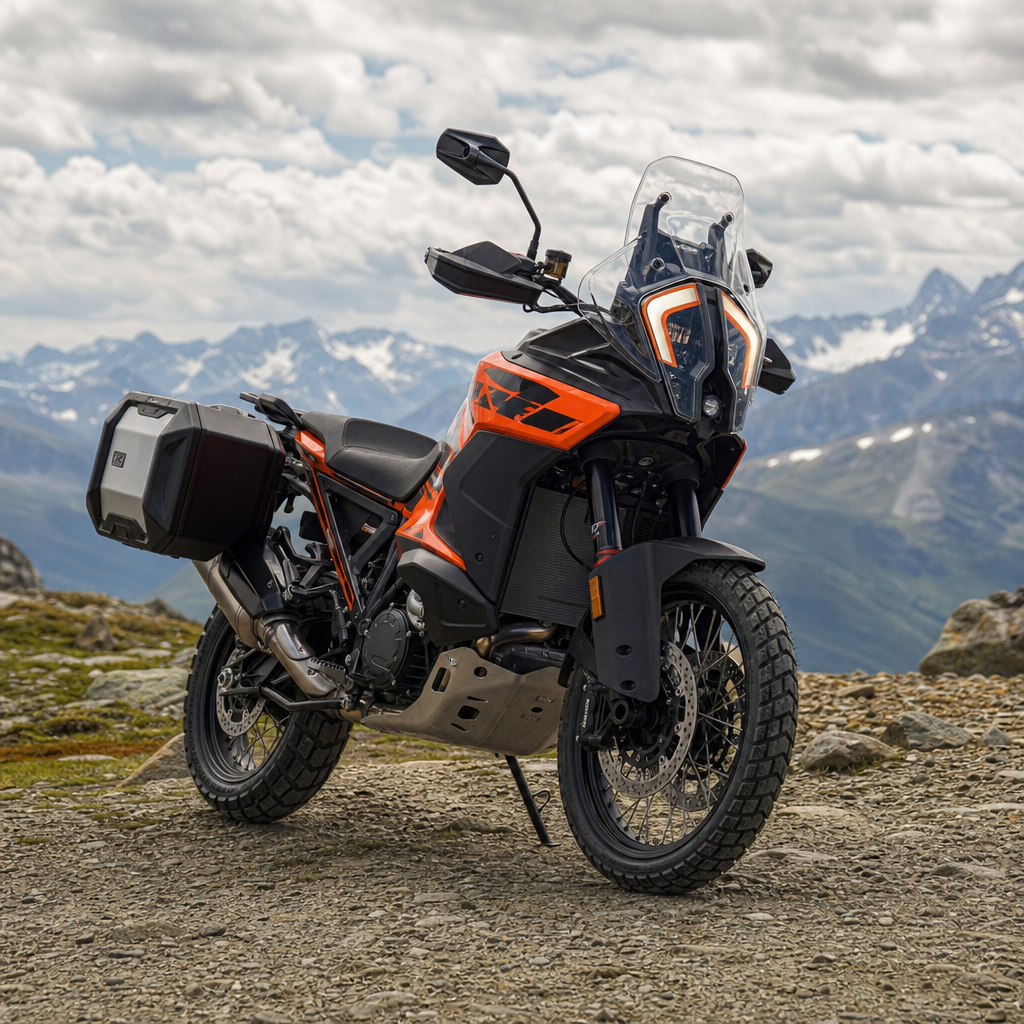
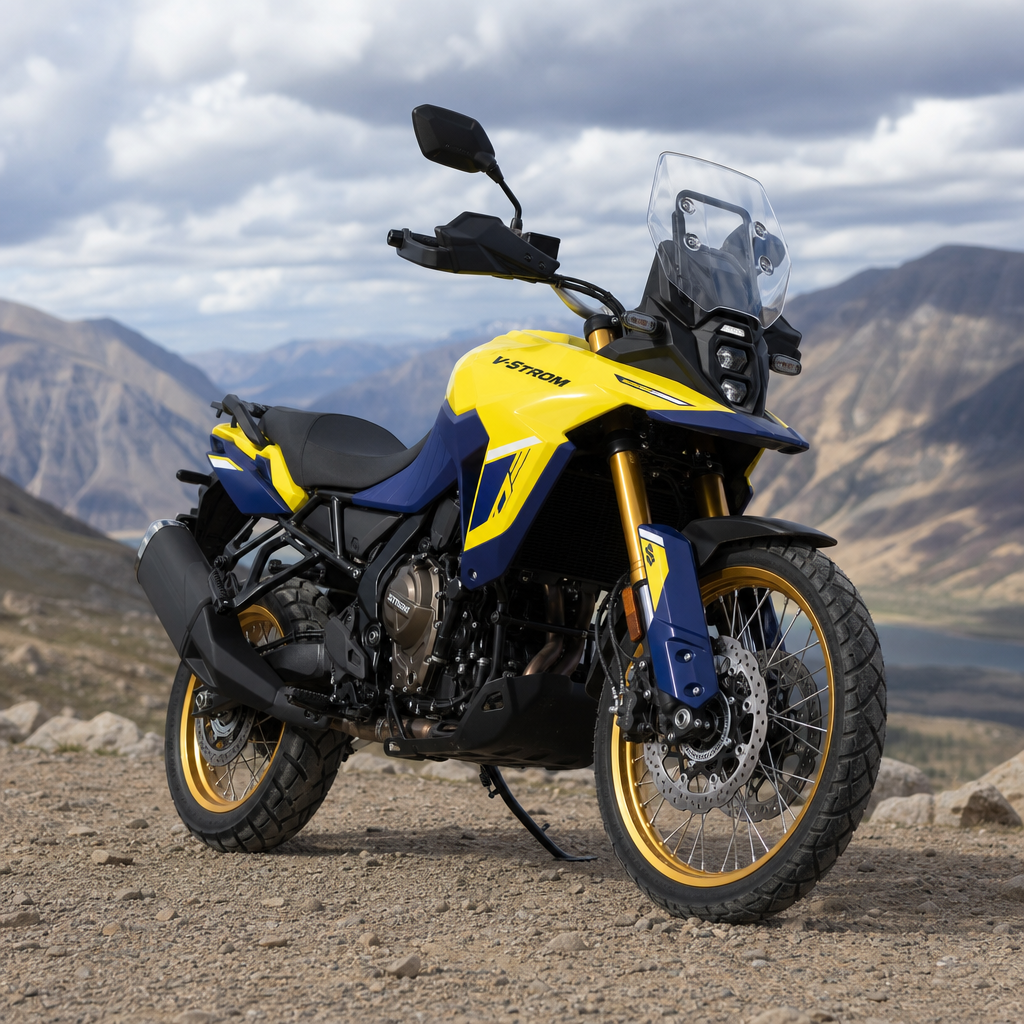
The Triumph Tiger lineup sits at the center of modern Adventure & Touring, and the choice between the Tiger 900 Rally Pro and Tiger 1200 GT shapes how you ride, travel, pack, and spend. Both motorcycles wear the Tiger badge, but they target different priorities. The 900 Rally Pro is a middleweight adventure bike tuned for mixed surfaces, technical backroads, and riders who want genuine off-road capability without moving into heavyweight territory. The 1200 GT is a large-capacity touring-oriented adventure machine built for highway authority, two-up comfort, premium electronics, and long-distance load carrying. If you are shopping this segment, understanding where these bikes overlap and where they diverge is essential.
Adventure & Touring describes a broad class of motorcycles designed to cover distance while remaining flexible enough for rough roads, changing weather, luggage, and varied rider skill levels. In practice, that class splits into two camps. One values agility, lower weight, and confidence on gravel or broken pavement. The other prioritizes power, wind protection, long-range comfort, and carrying capacity. I have ridden and compared bikes across both camps, and the biggest buying mistakes usually happen when riders focus on engine size or brochure features instead of use case. The right Tiger is not simply the more expensive one. It is the motorcycle that matches your route, height, experience, passenger habits, and maintenance expectations.
This hub article covers Adventure & Touring comprehensively by using the Tiger 900 Rally Pro and Tiger 1200 GT as anchors for the subtopic. It explains engine character, chassis behavior, comfort, electronics, ownership costs, and travel practicality in plain terms so you can choose with confidence. It also points toward the broader questions every buyer should ask when considering a new ride in this category, from commuting and weekend exploring to cross-country road trips.
Platform overview: what each Tiger is built to do
The Tiger 900 Rally Pro is the more dirt-conscious machine. Its 888cc inline-triple uses Triumph’s T-plane crank, which changes the firing order and gives the engine a more tractable, pulse-rich feel at low rpm than a conventional triple. That matters on loose surfaces, where predictable drive and controllable throttle pickup are more useful than peak horsepower. The Rally Pro also gets 21-inch front and 17-inch rear wheels, longer-travel suspension, and geometry intended to stay composed when the pavement ends. In real riding, that translates into easier line correction on gravel, better roll-over ability on rocks or potholes, and less intimidation when terrain gets messy.
The Tiger 1200 GT approaches Adventure & Touring from the road side. Its larger inline-triple delivers significantly more power and torque, and the GT configuration is tuned for paved travel rather than serious trail work. It runs cast wheels, with a 19-inch front on road-oriented versions, and carries its bulk with a premium semi-active suspension package and shaft drive. On fast A-roads, motorways, and loaded touring days, that combination feels planted and expensive in the best sense. It is the bike for riders who want a commanding riding position and adventure-bike visibility, but whose trips are mostly asphalt with the occasional maintained dirt road.
The simplest distinction is this: the 900 Rally Pro is better for riders who plan routes first and let surfaces vary, while the 1200 GT is better for riders who plan destinations far away and want the ride there to be effortless. Both can tour. Both can commute. Both can handle bad weather. The difference is what they make easy.
Engine performance, transmission, and everyday ride feel
On paper, the Tiger 1200 GT wins the power contest comfortably. Depending on model year and market, the 1160cc triple produces around 148 horsepower, while the Tiger 900 Rally Pro sits roughly in the 94 horsepower range. Torque follows the same pattern. Numbers alone, however, do not explain ownership satisfaction. The 900’s engine is unusually usable. It pulls cleanly from low rpm, sounds mechanical and charismatic without being tiring, and rewards riders who spend time between 30 and 70 mph on mixed roads. You can short-shift it, ride technical sections in a calm gear, and still enjoy a satisfying rush when the road opens up.
The 1200 GT feels more immediate and more muscular everywhere. Two-up with luggage, climbing mountain passes, or overtaking traffic at highway speed, it has a reserve the 900 simply cannot match. It also pairs that thrust with a six-speed gearbox, quickshifter, ride modes, and electronics calibrated for big-mile travel. If your riding includes frequent interstate work, high-speed European touring, or long days in windy terrain, the larger engine is not just faster. It is less stressed. That reduces rider fatigue because you spend less time planning overtakes or managing momentum.
There are tradeoffs. The 1200 GT’s added performance comes with added size, heat, complexity, and purchase cost. At low speed in town, on uneven parking surfaces, or when maneuvering fully loaded, the bike asks more from the rider. The 900 Rally Pro is friendlier in those moments. It still feels substantial, but not unwieldy. For many owners, especially solo riders, that distinction matters more over a year of real use than maximum horsepower ever will.
Chassis, suspension, and road versus off-road confidence
Chassis setup determines where a motorcycle feels natural. The Tiger 900 Rally Pro uses Showa suspension with generous travel and adventure geometry that prioritizes compliance and control over razor-sharp road response. You notice this first on broken pavement. Expansion joints, patched roads, frost heaves, and gravel transitions are handled with a relaxed, forgiving feel. Stand on the pegs, let the bike move beneath you, and it behaves like a proper ADV rather than a tall sport-tourer pretending to be one.
The Tiger 1200 GT is more sophisticated and more road biased. Its suspension hardware and electronic adjustment options are excellent for adapting preload and damping to solo, luggage, or passenger loads. On tarmac, especially smooth and fast tarmac, the GT feels stable, composed, and highly confidence inspiring. It brakes hard with little drama, tracks precisely through sweepers, and keeps the rider insulated from road harshness. For the touring rider, that matters every hour of the day.
Off pavement, wheel size and weight shape the decision. A 21-inch front wheel on the 900 Rally Pro is not marketing decoration; it materially improves behavior on rough surfaces. The bike deflects less, holds a line better in deeper gravel, and gives the rider time to react. The 1200 GT can manage fire roads, but it is not the bike I would choose for repeated rocky climbs, muddy tracks, or a route where turning around on a loose incline is likely. This is one of the clearest separations between the two models.
| Category | Tiger 900 Rally Pro | Tiger 1200 GT |
|---|---|---|
| Best use | Mixed-surface travel, solo ADV riding, technical backroads | Long-distance road touring, two-up travel, high-speed pavement |
| Engine character | Tractable, engaging, easier to modulate off road | Powerful, effortless, stronger for overtakes and load carrying |
| Wheel setup | 21-inch front favors rough terrain | Road-oriented front wheel favors pavement precision |
| Drive system | Chain, simpler gearing changes, more routine upkeep | Shaft, cleaner touring ownership, more weight and cost |
| Low-speed manageability | Easier for more riders | More demanding when loaded or parking |
Comfort, ergonomics, luggage, and passenger practicality
Adventure & Touring buyers often underestimate ergonomics because test rides are short. After several full travel days, the differences become obvious. The Tiger 1200 GT offers the broader comfort envelope. Its seat, wind protection, electronic suspension adaptation, and overall chassis heft create a calmer environment on long road stages. Add integrated luggage options, cruise control, heated equipment, and generous alternator capacity, and it becomes a serious continent-crossing machine. For couples, this bike makes more sense immediately. Passenger space, acceleration under load, and stability with hard cases are meaningfully better.
The Tiger 900 Rally Pro is comfortable too, but its strengths are different. The riding position is upright and natural, the standing ergonomics are better, and the narrower feel between the knees helps shorter riders or those who spend time shifting body position off pavement. Wind protection is adequate rather than plush. For all-day solo travel, it works very well. For repeated two-up highway touring with full luggage, the 1200 GT is the better tool.
Seat height deserves attention. The 900 Rally Pro is tall, especially for newer riders, but because it carries less mass, many people manage it more confidently than the 1200 GT. Triumph’s adjustable seat options and accessory low seats can help. The 1200 GT may present an easier spec-sheet seat height in some trims, yet its size and top-heaviness at very low speed can still challenge riders with shorter inseams. Always evaluate not just whether you can touch down, but how the bike feels during U-turns, sloped fuel stops, and backing into parking spaces.
Technology, maintenance, and ownership costs
Both Tigers are premium motorcycles, and both come with the electronics expected in the class: cornering ABS, traction control, multiple ride modes, TFT instrumentation, and connectivity features depending on trim and year. Triumph generally does a good job integrating these systems without burying the rider in menu confusion. The Tiger 1200 GT, as the flagship-style option here, brings a more expansive premium feel, especially in suspension management and touring-focused convenience.
Ownership cost is where the decision becomes practical. The Tiger 900 Rally Pro is cheaper to buy, typically cheaper to insure, and usually less expensive to crash-proof if you ride in rough environments. Chain drive requires cleaning, lubrication, and periodic replacement, but it also allows easy gearing changes for riders who want lower final drive ratios for trail work. The 1200 GT’s shaft drive is a major touring advantage because it reduces daily maintenance and keeps luggage cleaner, yet shaft systems add weight and can increase repair costs if something goes wrong.
Tires are another overlooked budget factor. Road-biased 1200 GT owners often burn through rear tires faster because of power, weight, and loaded touring use. The 900 Rally Pro may use more aggressive rubber, which can also wear quickly depending on compound and surface, but replacement costs are generally lower. Service intervals, dealer access, and accessory pricing should all influence your decision. A premium bike that sits because you cannot justify equipping it properly is the wrong bike.
How to choose the right Tiger for commuting, travel, and new-rider progression
For commuting, the Tiger 900 Rally Pro usually makes more sense unless your daily ride includes substantial motorway mileage. It is easier to thread through urban traffic, easier to park, and less expensive to live with when miles accumulate fast. For weekend escapes that mix paved twisties, gravel roads, and imperfect weather, it is the more versatile all-rounder. Riders upgrading from middleweight standards or dual-sports also adapt to it faster.
For dedicated long-range touring, especially with a passenger, the Tiger 1200 GT earns its price. If your ideal trip means 400-mile days, hard luggage, heated grips and seats, cruise control, and fast overtakes on demand, this is the better motorcycle. It turns distance into a smaller problem. That is the core promise of a heavyweight touring-focused ADV bike, and the GT delivers it convincingly.
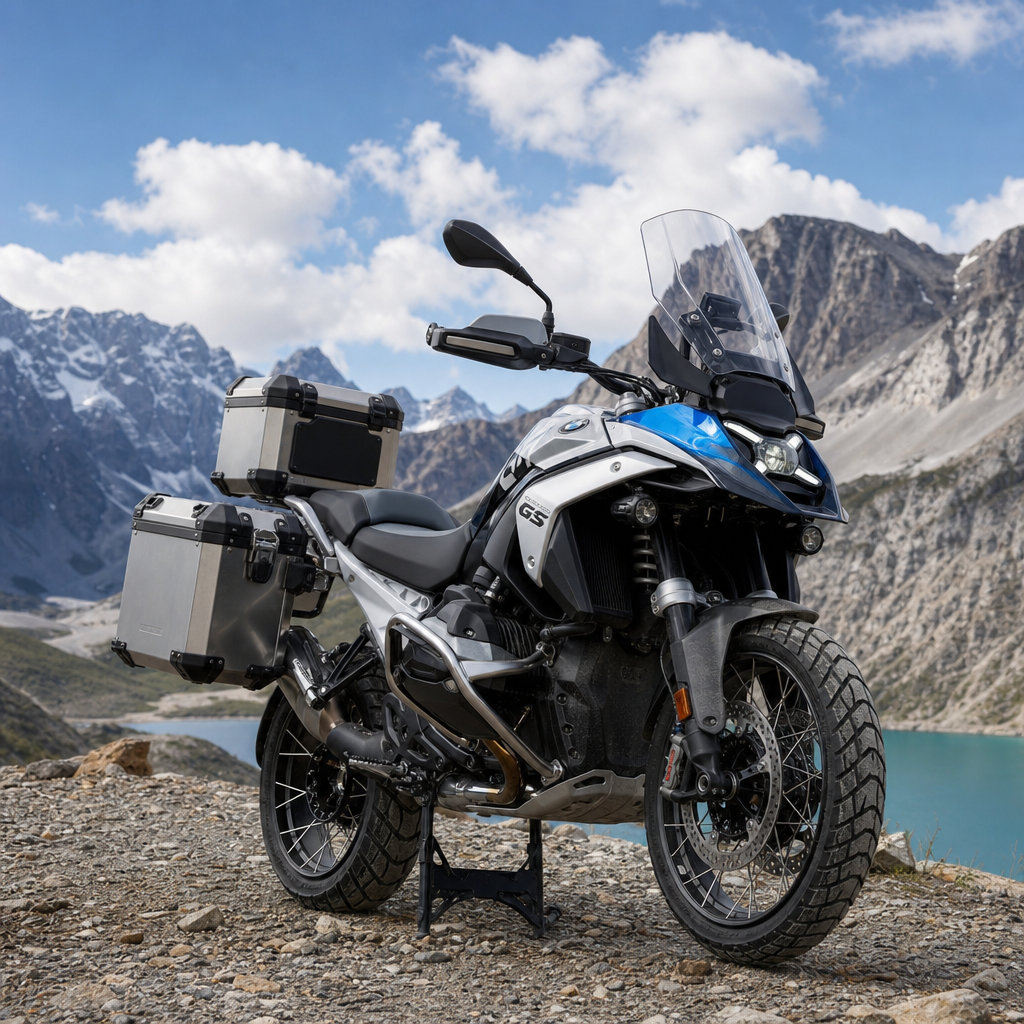
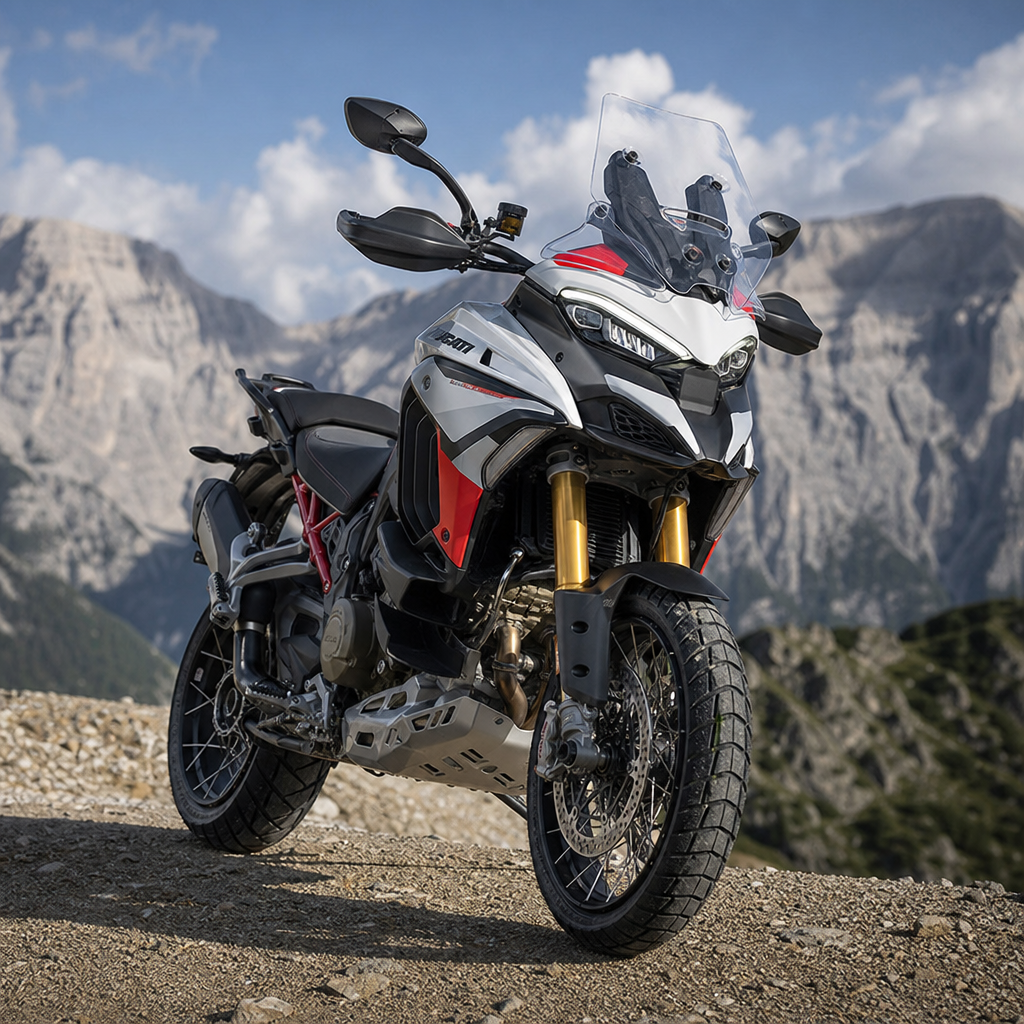
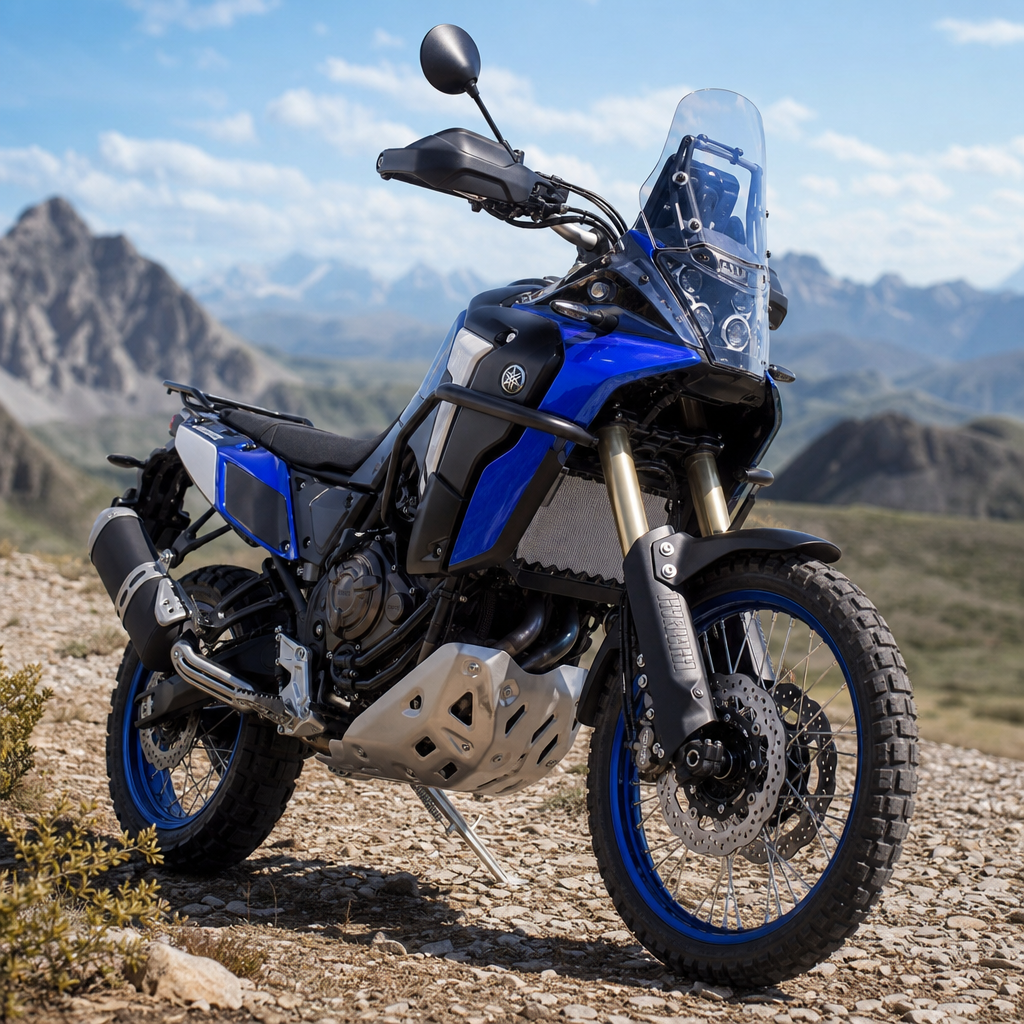
As the hub for New Rides coverage in Adventure & Touring, this comparison also points toward related buying questions. Riders considering the 900 Rally Pro should also compare middleweight ADV competitors such as the BMW F 900 GS, KTM 890 Adventure, and Yamaha Ténéré 700, depending on how technical their off-road plans are. Riders considering the 1200 GT should also evaluate the BMW R 1300 GS, Ducati Multistrada V4, and Harley-Davidson Pan America Special for different blends of touring luxury, engine character, and technology. The Tiger advantage in both classes is the triple engine feel: smoother and more distinctive than many twins, but less intimidating than some top-end focused superbike-derived adventure motors.
The right answer is straightforward. Choose the Triumph Tiger 900 Rally Pro if you want authentic mixed-surface capability, lower overall weight, easier day-to-day manageability, and a purchase that leaves room for luggage, protection, and travel budget. Choose the Triumph Tiger 1200 GT if your riding is primarily paved, your trips are longer and heavier, and you value comfort, power, and reduced maintenance over off-road confidence. In Adventure & Touring, matching the machine to the mission always beats chasing the biggest specification sheet.
Before you buy, sit on both bikes, test them at low speed and highway speed, and be honest about where your wheels will actually go. That single decision will save money, improve confidence, and make every mile better. Explore the rest of our New Rides Adventure & Touring guides to narrow your shortlist and choose the Tiger that fits your real riding life.
Frequently Asked Questions
What is the main difference between the Triumph Tiger 900 Rally Pro and the Tiger 1200 GT?
The biggest difference comes down to mission and feel. The Triumph Tiger 900 Rally Pro is a middleweight adventure motorcycle designed to be more comfortable when the pavement ends, the road gets broken, or the route turns into gravel, dirt, or rough backroads. It is the more off-road-focused machine of the two, with a chassis, wheel setup, and overall size that make it easier to manage in technical terrain and less intimidating when conditions become unpredictable. Riders who want a true do-it-all adventure bike that still feels agile and approachable often gravitate toward the 900 Rally Pro.
The Tiger 1200 GT, by contrast, is aimed more squarely at road-biased touring and long-distance travel. It brings more engine performance, more physical presence, and a stronger emphasis on highway comfort, carrying capacity, and effortless miles. It is the bike for riders who expect to spend most of their time on pavement, especially at higher speeds, and who want a machine that feels planted, powerful, and premium on long journeys. While it still has adventure-bike styling and versatility, its priorities lean more toward grand touring than technical off-road exploration.
In simple terms, the Tiger 900 Rally Pro suits riders who value versatility, lighter handling, and better rough-surface confidence, while the Tiger 1200 GT suits riders who want maximum comfort, stronger road performance, and a more luxurious touring experience. Both are highly capable, but they solve different riding problems.
Which Tiger is better for off-road riding and mixed-surface adventures?
The Tiger 900 Rally Pro is the clear choice if off-road ability is high on your priority list. It is built to handle mixed surfaces more naturally, and that matters not just in extreme riding situations, but in the real-world adventure scenarios many owners actually face: gravel roads, washboard trails, rocky fire routes, muddy campsite access roads, and remote backroads that are not maintained like smooth pavement. Its middleweight platform gives it an important advantage because it is simply easier to control when traction is limited or when you need to react quickly.
That lighter, more manageable character makes a major difference for a wide range of riders. On paper, engine size and premium features can be appealing, but when the bike starts moving around beneath you on loose terrain, confidence often comes from balance, predictability, and manageable weight rather than outright power. The 900 Rally Pro tends to feel more cooperative in those conditions. It is also better suited to riders who are still building off-road skills and want a machine that encourages exploration instead of punishing mistakes.
The Tiger 1200 GT can certainly handle imperfect roads and some light unpaved travel, but it is not the model most riders should choose if serious dirt capability is a regular part of the plan. Its size, touring emphasis, and road-first personality make it better for occasional gravel than for repeated technical adventure riding. If your ideal trip includes substantial unsealed sections, challenging backcountry routes, or a genuine interest in riding beyond the asphalt, the 900 Rally Pro is the more appropriate and more confidence-inspiring Tiger.
Which model is more comfortable for long-distance touring and highway travel?
The Tiger 1200 GT is generally the better motorcycle for riders who prioritize long highway days, high-speed travel, and two-up touring comfort. Its larger-capacity platform is designed to deliver a more relaxed, effortless experience over big distances. That usually translates into stronger passing power, a more substantial road presence, and a level of stability that many touring riders appreciate when the bike is fully loaded with luggage and covering hundreds of miles in a day. If your trips routinely involve major interstate mileage, long sweepers, and full travel gear, the 1200 GT makes a very strong case.
Comfort in this category is not only about the seat. It is also about how much work the bike asks from the rider over time. The 1200 GT typically appeals to riders who want the engine to feel unstressed at speed, who want excellent wind protection, and who prefer a motorcycle that feels composed and substantial in changing weather, heavy traffic, and long travel days. That larger touring-oriented personality can reduce fatigue, especially when carrying a passenger or a full luggage setup.
The Tiger 900 Rally Pro can still tour very well, and for many riders it may actually be the smarter choice if their travel includes tighter roads, rural routes, and more varied terrain. It is often easier to maneuver in towns, easier to manage when loaded, and less physically demanding in lower-speed situations. But if your definition of touring centers on comfort-first pavement miles, extended highway stretches, and premium road manners, the Tiger 1200 GT has the advantage.
Is the Triumph Tiger 900 Rally Pro or the Tiger 1200 GT better for everyday riding and ownership costs?
For many riders, the Tiger 900 Rally Pro is the more practical everyday motorcycle. Its middleweight nature tends to make it easier to live with in the real world, especially when daily use includes commuting, city traffic, parking lots, weekend backroad rides, and occasional adventure travel. A bike that feels easier to maneuver at low speeds often gets ridden more, and that usability is a major part of ownership satisfaction. Riders who want one motorcycle to handle a broad range of tasks without feeling oversized often find the 900 Rally Pro to be the more versatile fit.
Ownership costs are also an important part of the decision. While exact figures depend on market, insurance profile, accessories, maintenance schedules, and how the bike is used, the 900 Rally Pro will generally be the less expensive option to buy and often the easier one to justify financially. A smaller-displacement, lighter motorcycle may also be friendlier in related costs such as tires, fuel use, and insurance, depending on the rider and region. That does not mean the 1200 GT is unreasonable, but it does mean buyers should be honest about whether they will truly use the additional performance and touring capacity enough to offset the extra expense.
The Tiger 1200 GT makes more sense as an everyday bike for riders who are already committed to the big-adventure-touring category and know they want that level of performance, presence, and road comfort. If your day-to-day riding includes lots of urban stop-and-go or short rides mixed with occasional trips, the 900 Rally Pro often feels like the more balanced ownership proposition. If your routine regularly includes major road mileage and loaded travel, the 1200 GT can be worth the premium.
How should I choose between the Tiger 900 Rally Pro and Tiger 1200 GT based on my riding style?
The best way to choose is to ignore badge prestige and focus on where and how you actually ride. If your idea of the perfect motorcycle includes exploring secondary roads, finding scenic gravel detours, riding twisty pavement, and keeping the bike manageable in varied conditions, the Tiger 900 Rally Pro is probably the better match. It is especially appealing to riders who want a motorcycle that feels adventurous in a practical, usable way rather than simply looking the part. It suits solo riders well, riders who prioritize control over sheer size, and those who want confidence both on and off the pavement.
If your riding style is more road-centric and distance-driven, the Tiger 1200 GT will likely feel more aligned with your expectations. It is the better fit for riders who prefer a larger motorcycle with stronger touring credentials, more effortless highway performance, and a premium long-range character. It also makes sense for frequent two-up riders and those who carry more gear, spend more time on major roads, or simply enjoy the commanding feel of a full-size adventure tourer.
A useful rule of thumb is this: choose the Tiger 900 Rally Pro if you want a motorcycle that expands where you can comfortably go, and choose the Tiger 1200 GT if you want a motorcycle that elevates how comfortably you cover distance on the road. Neither is universally better. The right Tiger is the one that matches your real habits, not your fantasy itinerary. If possible, a back-to-back test ride is the fastest way to confirm the answer, because the difference in weight, balance, road feel, and intended purpose becomes obvious once you spend even a short time on both.