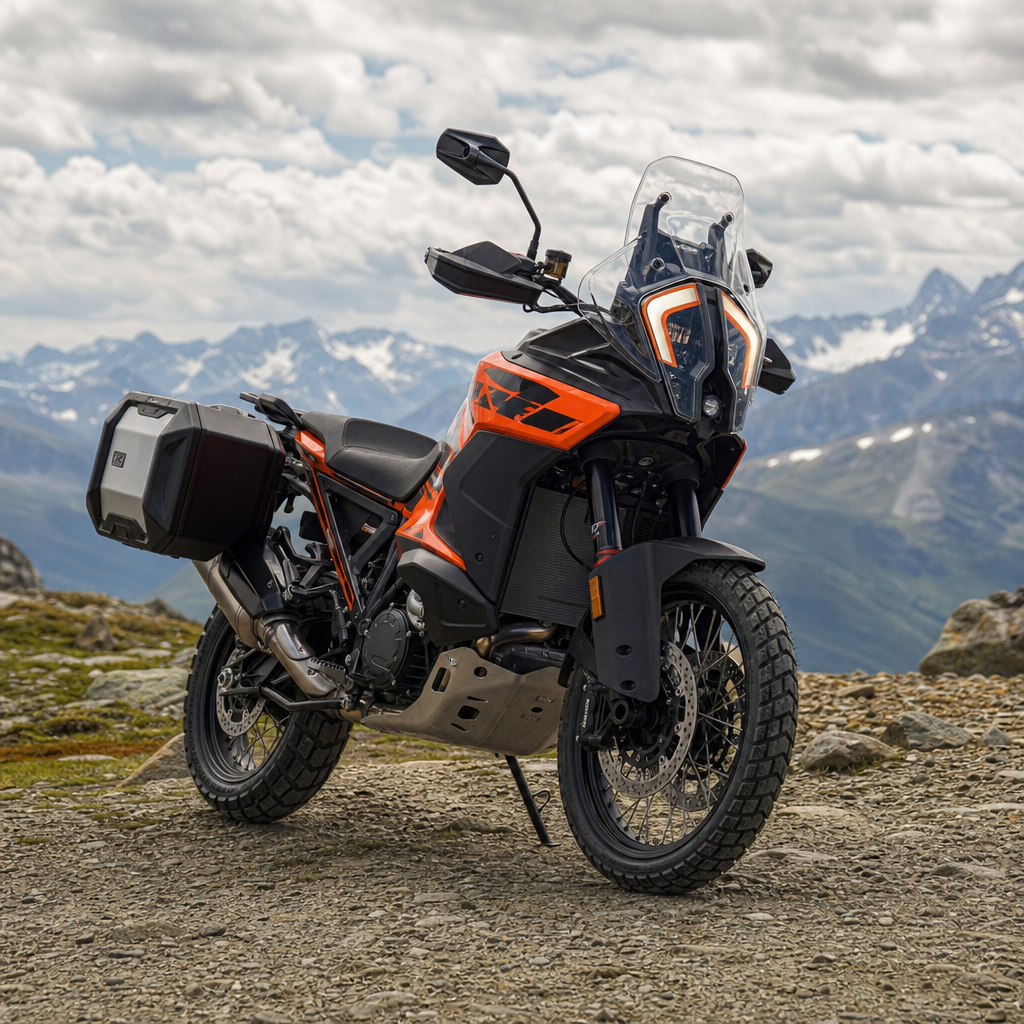
The best touring motorcycles of 2026 for two-up riding combine long-range comfort, stable chassis dynamics, strong low-end torque, passenger-focused ergonomics, and enough luggage capacity to travel for days without compromise. In practical terms, two-up riding means carrying a passenger and the extra gear that turns a weekend escape into a real tour: helmets, layers, rain suits, chargers, and often a top case full of essentials. After years of testing heavyweight tourers, sport tourers, and adventure-touring machines on interstate runs, mountain roads, and broken secondary pavement, I have found that the ideal two-up motorcycle is not simply the biggest bike with the largest engine. It is the motorcycle that keeps both rider and passenger relaxed after 300 miles, remains composed under load, and makes low-speed maneuvers predictable instead of stressful.
For 2026 buyers guides, that distinction matters more than ever. Modern touring motorcycles now span several categories, from luxury full-dress machines such as the Honda Gold Wing Tour and BMW K 1600 Grand America to crossover models like the BMW R 1300 RT, Harley-Davidson Road Glide, Yamaha Tracer 9 GT+, and adventure-oriented tourers including the BMW R 1300 GS Adventure and Ducati Multistrada V4. Each approaches two-up travel differently. Some prioritize wind protection and sofa-like seating. Others deliver lighter handling, adaptive electronics, and better versatility when your route mixes highways with rougher backroads.
This hub article is designed to help you compare those options with buyer-focused clarity. It defines the features that matter most for passenger comfort, explains how weight, wheelbase, suspension travel, and seat geometry affect stability, and highlights the motorcycles that stand out for real-world two-up use in 2026. If you are shopping within the broader New Rides category, think of this page as your starting point for Buyers Guides: the central overview that helps narrow your shortlist before you drill into model-specific reviews, touring luggage guides, and ownership-cost breakdowns. A strong two-up touring bike should make rider and passenger feel equally considered. That is the standard the best 2026 machines finally meet.
What Makes a Great Two-Up Touring Motorcycle
A great two-up touring motorcycle must do five things well: support extra weight, protect both occupants from fatigue, accelerate cleanly with luggage aboard, brake confidently when fully loaded, and maintain composure at parking-lot speed as well as highway pace. Manufacturers use different engineering solutions to get there, but the core requirements stay the same. Payload is the first number I check because many bikes with excellent solo ergonomics feel strained once you add a passenger, a loaded trunk, and side cases. If your combined rider, passenger, and cargo weight approaches the gross vehicle weight rating, suspension performance, braking feel, and tire wear all suffer.
Passenger ergonomics are equally important. A flat, wide passenger seat with proper lumbar support from a top case backrest can transform a trip. High, cramped pillion positions usually do the opposite. Heated passenger seating, separate audio controls, and large floorboards are not luxuries on long tours; they are fatigue management tools. Wind protection matters too. Turbulence around the passenger helmet creates neck strain quickly, especially on bikes with short screens that feel acceptable for the rider alone.
Engine character is another major separator. For two-up work, usable torque between 2,500 and 5,500 rpm matters more than peak horsepower claims. Big six-cylinder, boxer twin, V-twin, and V4 engines all work, but they deliver power differently. Shaft drive remains a favorite for dedicated touring because it reduces chain maintenance on long trips, though modern chain-driven sport tourers can still be excellent if you prioritize lighter weight and sharper handling.
Best Luxury Touring Motorcycles for Maximum Comfort
If your priority is all-day comfort, integrated luggage, and effortless interstate performance, luxury touring motorcycles still set the benchmark. The 2026 Honda Gold Wing Tour remains the reference point because it solves more two-up problems than almost anything else on the market. Its flat-six engine delivers smooth, immediate thrust without vibration, and the low center of gravity makes the bike feel lighter in motion than its curb weight suggests. For passengers, the broad seat, substantial backrest, floorboards, and calm air pocket are exceptionally well judged. Honda’s double-wishbone front suspension also reduces dive under braking, which passengers notice even if they cannot name the hardware.
BMW’s K 1600 Grand America and K 1600 GTL continue to appeal to riders who want six-cylinder silk with a more European personality. The inline-six is one of the great touring engines: turbine-smooth, flexible, and surprisingly entertaining when the road opens up. BMW’s electronic suspension adjustment and load compensation are especially useful for two-up travel because they let you adapt quickly to changing cargo without tools. The downside is size and cost. These are premium motorcycles, and repair or accessory pricing typically reflects that.
Harley-Davidson’s Road Glide and Ultra variants also deserve serious attention in a 2026 touring buyers guide. The frame-mounted fairing on the Road Glide improves stability in crosswinds, and the Milwaukee-Eight engine offers exactly the kind of strong, relaxed torque that loaded touring demands. Harley’s touring lineup has improved significantly in heat management, infotainment, and braking feel, though passenger comfort still depends heavily on trim level and seat choice. A properly equipped Road Glide Limited can be an outstanding two-up mile eater.
Best Sport-Touring and Crossover Options for Couples Who Still Want Agility
Not every couple wants a 900-pound motorcycle. For riders who value lighter handling, easier garage maneuvering, and a more active riding experience, sport-touring and crossover models make compelling two-up choices. The BMW R 1300 RT is perhaps the most balanced example expected in the 2026 market. It combines excellent weather protection with the boxer engine’s low-center-of-gravity feel, and BMW has steadily refined the RT platform to carry a passenger without becoming vague or wallowy. For many experienced riders, it hits the sweet spot between Gold Wing comfort and sport-touring responsiveness.
The Yamaha Tracer 9 GT+ belongs on any shortlist because it delivers surprising two-up capability at a lower price point than flagship luxury tourers. Yamaha’s CP3 triple has a broad, lively spread of torque, and the bike’s semi-active suspension and rider-assistance technology give it impressive range. Its main limitation is passenger space compared with the largest dedicated tourers. For medium-distance tours and couples who pack carefully, however, it is a smart, modern choice.
Kawasaki’s Ninja 1000SX and Suzuki’s GSX-S1000GT also merit consideration for buyers who want hard luggage, strong engines, and sportbike-derived chassis manners. I would place them slightly lower for frequent long-haul two-up use because passenger accommodations are adequate rather than exceptional, but they work well for couples who split time between commuting, weekend runs, and occasional tours. In this segment, honest self-assessment matters. If your passenger loves spirited day rides and can tolerate a firmer perch, these bikes can outperform larger tourers on every road except the endless interstate.
Best Adventure-Touring Motorcycles for Mixed-Surface Travel
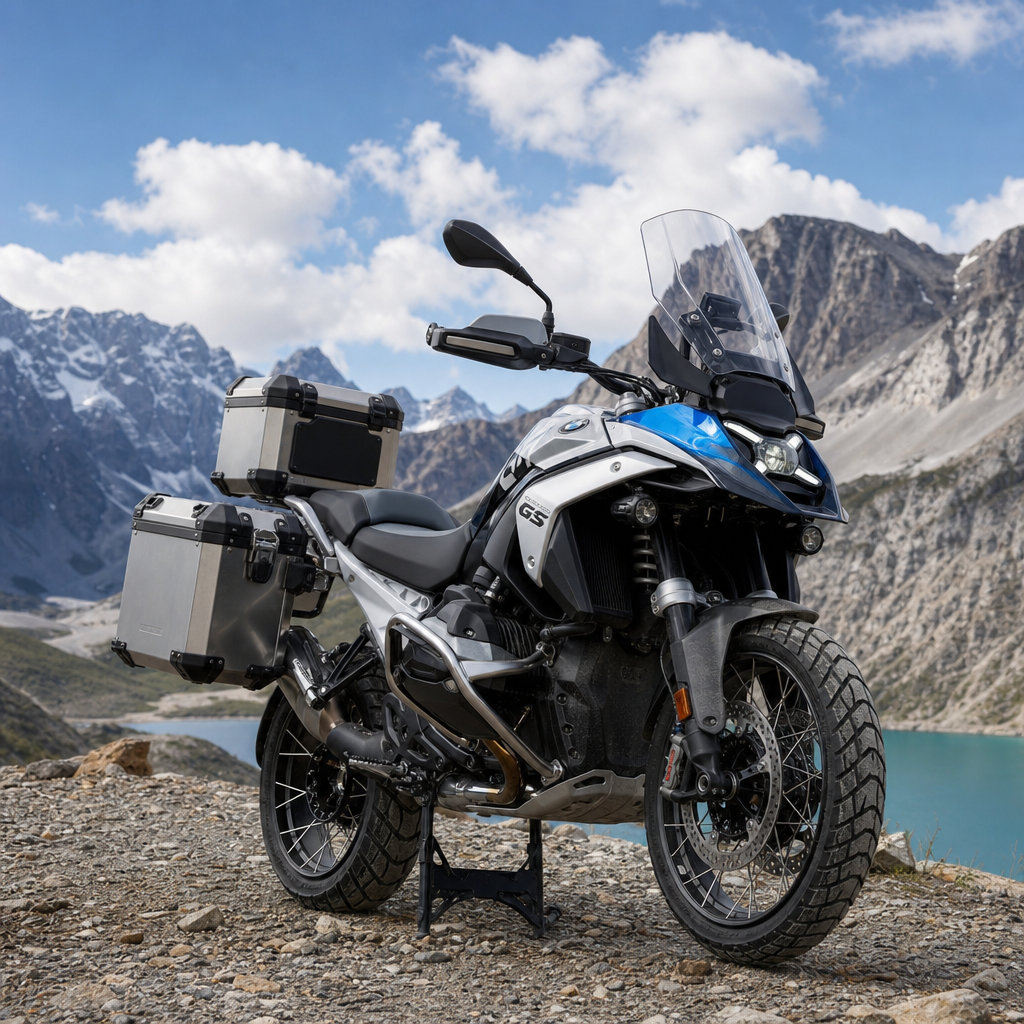
Adventure-touring motorcycles have become legitimate two-up touring platforms, not merely tall solo bikes with aluminum boxes. The best of them combine upright ergonomics, long-travel suspension, and excellent luggage flexibility with serious road comfort. The BMW R 1300 GS Adventure is an obvious contender for 2026 because it offers huge range, advanced electronics, and superb load-carrying manners. Its boxer engine keeps mass low, which helps during low-speed corrections when a passenger shifts unexpectedly. For many couples, the biggest challenge is seat height rather than capability.
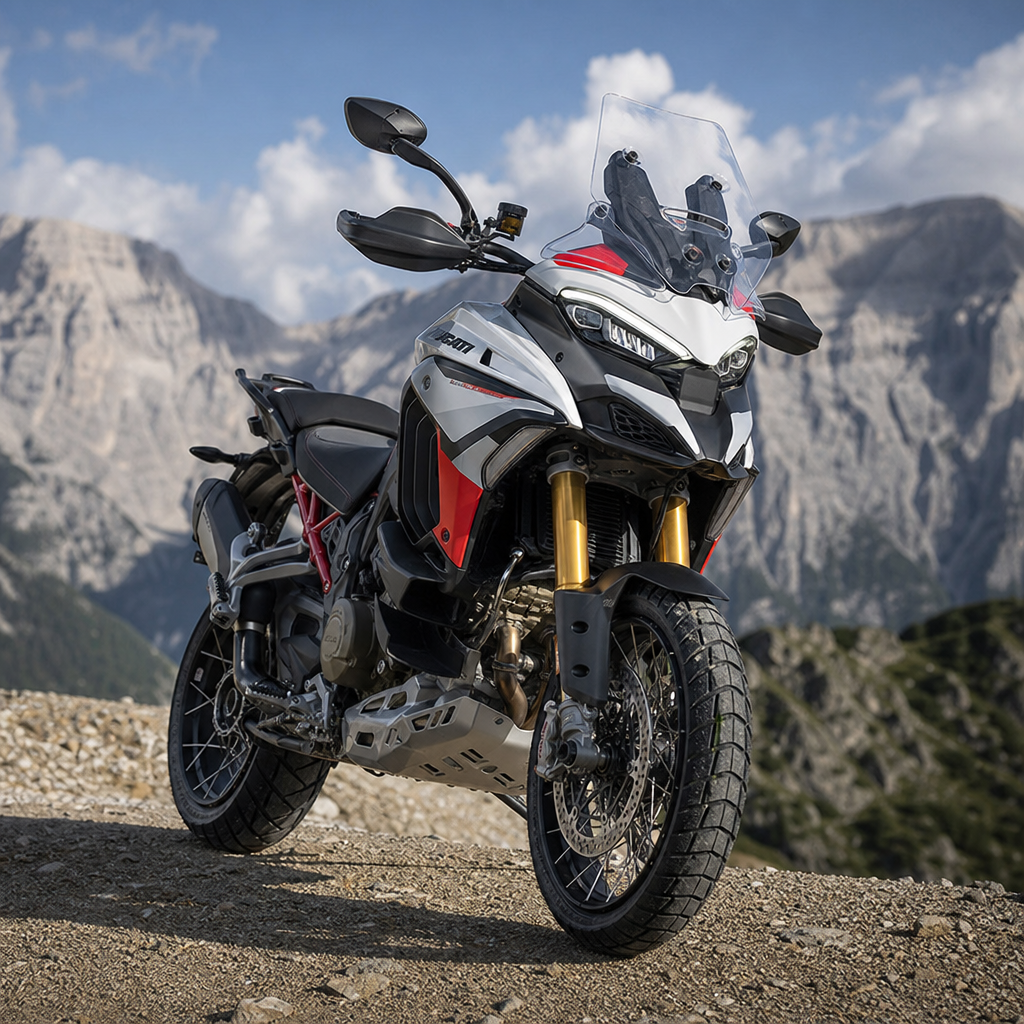
Ducati’s Multistrada V4 and V4 S are also excellent for fast two-up touring. The V4 engine is smooth and powerful, and Ducati’s Skyhook-style electronic suspension adapts impressively to changing loads and surfaces. On rough pavement, that sophistication pays off in passenger comfort. KTM’s 1290 Super Adventure S and its successors bring even more punch, though they tend to feel firmer and more aggressive, which not every passenger will enjoy over long distances.
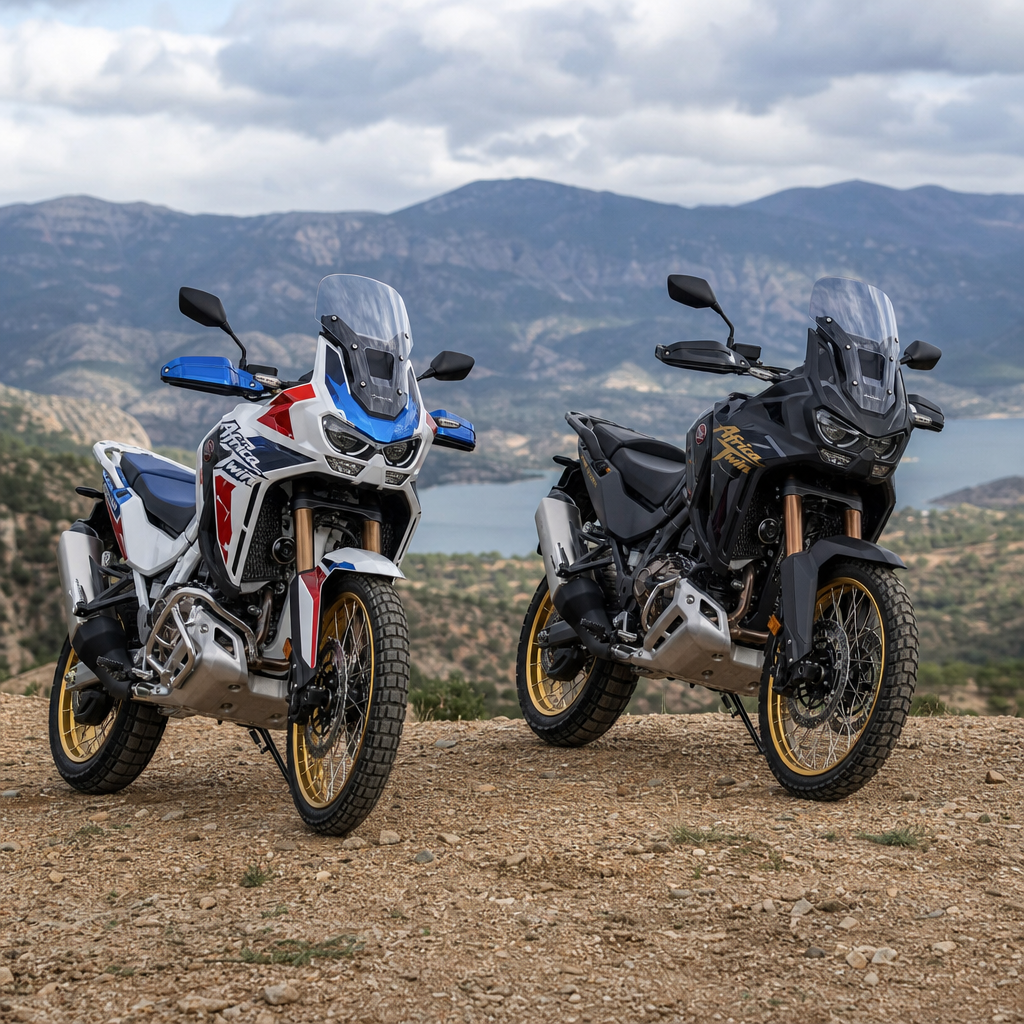
Triumph’s Tiger 1200 lineup and Harley-Davidson’s Pan America Special round out the conversation. Both can handle serious miles, both offer useful electronics packages, and both have broadened what buyers expect from the adventure-touring category. Still, for dedicated pavement-heavy two-up use, I generally tell shoppers to test these bikes back-to-back with a true touring machine. Adventure bikes win on versatility and road quality tolerance; they do not automatically win on wind calm, passenger back support, or low-effort mounting and dismounting.
How to Compare 2026 Touring Bikes Before You Buy
The smartest way to compare touring motorcycles for two-up riding is to evaluate them against the same criteria instead of chasing brand loyalty or headline horsepower. Start with fit, then move to payload, then examine touring equipment and ownership factors.
| Factor | Why It Matters for Two-Up Riding | What to Check |
|---|---|---|
| Payload | Determines whether the bike can safely carry two adults and luggage | GVWR, curb weight, accessory weight, passenger plus cargo estimate |
| Passenger Comfort | Directly affects how long your companion wants to stay on the bike | Seat width, backrest, floorboards or peg position, heat exposure |
| Suspension | Keeps handling stable under changing loads | Electronic preload, damping adjustment, semi-active systems |
| Wind Protection | Reduces fatigue and helmet buffeting | Screen adjustment, fairing width, passenger airflow |
| Luggage | Determines practical trip range and packing ease | Case capacity, top box support, waterproof sealing, access shape |
| Maintenance | Affects cost and convenience on long trips | Shaft versus chain, valve intervals, tire sizes, dealer network |
On a test ride, do not evaluate the bike solo if you plan to tour two-up most of the time. Bring your passenger, wear your touring gear, and simulate real conditions. I always recommend a route that includes a U-turn, a rough patch of pavement, a highway merge, and at least one stop on an incline. Those moments reveal more than a glossy brochure ever will.
Ownership Costs, Accessories, and the Best Fit for Different Buyers
The purchase price is only the beginning of a touring motorcycle decision. Tires on heavyweight touring bikes can wear quickly, especially under full load. Premium sport-touring rubber often lasts between 4,000 and 8,000 miles depending on bike weight, road temperature, and throttle habits. Shaft-driven motorcycles reduce routine maintenance, but when major service is due, labor can still be significant. European luxury brands often carry higher parts pricing, while Japanese models usually have an advantage in long-term running costs and dealer availability.
Accessories matter because many motorcycles become excellent two-up tourers only after smart setup. A supportive aftermarket seat from brands like Russell Day-Long or Saddlemen can change a bike completely. Taller windscreens from Puig or Cee Bailey’s, better passenger backrests, highway pegs, and upgraded intercom systems are common additions. Luggage liners sound minor until you are unloading in the rain outside a hotel. Small quality-of-life upgrades often deliver more real touring value than an extra 20 horsepower.
For different buyers, different motorcycles make sense. If you want the benchmark in passenger luxury, start with the Gold Wing Tour. If you want premium European performance and top-tier electronics, the BMW K 1600 GTL or R 1300 RT should be near the top. If you want classic American style and a vast accessory ecosystem, the Harley-Davidson Road Glide family is a logical target. If budget and agility matter more than absolute plushness, the Yamaha Tracer 9 GT+ is one of the strongest values in the 2026 market. And if your tours include poor pavement, remote routes, or occasional dirt, the BMW R 1300 GS Adventure and Ducati Multistrada V4 offer real versatility without giving up serious long-distance capability.
The best touring motorcycles of 2026 for two-up riding are the ones that let both people finish a long day wanting to ride again tomorrow. That sounds simple, but it requires a rare combination of engineering discipline and thoughtful equipment. The strongest bikes in this buyers guide deliver stable handling under load, broad torque, effective wind protection, passenger-conscious seating, and luggage systems that support real travel instead of looking good in a catalog. Luxury tourers still dominate outright comfort, sport-touring crossovers offer a compelling middle ground, and adventure-tourers expand your route options if you accept a few comfort tradeoffs.
As the hub for Buyers Guides within New Rides, this page should help you narrow the field based on how you actually travel. Be honest about passenger expectations, typical trip length, road conditions, maintenance tolerance, and budget for accessories. A lighter bike that fits both of you well is often a better purchase than a larger flagship with impressive specifications but poor real-world ergonomics. Use payload figures, test rides with your passenger, and total ownership cost to guide the decision, not marketing language.
Start your shortlist with three motorcycles from different categories, test them back-to-back, and prioritize comfort, control, and confidence over prestige. That approach will lead you to the right 2026 touring motorcycle faster, and it will make every mile together better.
Frequently Asked Questions
What makes a motorcycle truly good for two-up touring in 2026?
A great two-up touring motorcycle is not just a solo bike with a passenger seat added on. For real comfort over long distances, it needs a combination of stable chassis behavior, a strong and usable engine, thoughtful passenger accommodations, and practical luggage capacity. The best touring motorcycles of 2026 for two-up riding are designed to stay composed when carrying the added weight of a second rider, a full set of luggage, and all the little items that come with travel, from rain gear and extra gloves to chargers and overnight essentials.
Engine character matters a lot. For two-up riding, low-end and midrange torque are more important than peak horsepower because you want smooth, effortless acceleration when merging, climbing grades, or passing traffic without constantly working the transmission. A bike that pulls cleanly from lower rpm generally feels more relaxed and confidence inspiring with a passenger onboard. Chassis tuning is equally important. A good touring platform should feel planted at highway speeds, predictable in sweepers, and steady during braking, especially when the rear of the bike is carrying more load than usual.
Passenger comfort is one of the biggest differentiators. The best models offer a wide, supportive passenger seat, well-positioned grab handles, roomy leg placement, and enough wind protection that the person on the back is not getting battered for hours at a time. Features such as electronically adjustable suspension, heated seats, refined aerodynamics, cruise control, and integrated luggage also become much more valuable on a true two-up machine. In short, the best two-up tourers of 2026 succeed because they balance comfort, control, carrying capacity, and real-world performance in a way that still feels easy to live with day after day.
Why is low-end torque so important when riding with a passenger and luggage?
Low-end torque is one of the most important qualities in a two-up touring motorcycle because it directly affects how effortless the bike feels under load. When you add a passenger, side cases, a top case, and touring gear, you are significantly increasing the total weight the motorcycle has to move. A motor with strong torque in the lower and middle part of the rev range lets the bike accelerate smoothly without needing constant downshifts or high-rpm operation. That creates a calmer, more comfortable touring experience for both rider and passenger.
In real riding, this matters everywhere. Pulling away from a stop, climbing mountain roads, overtaking on a two-lane highway, and merging onto fast-moving interstates all become easier when the engine delivers immediate, usable thrust. With a passenger onboard, abrupt power delivery can feel unsettling, while a broad, predictable torque curve feels controlled and refined. That is why many of the strongest two-up touring bikes are tuned for rich midrange performance rather than chasing maximum top-end numbers.
Torque also reduces rider fatigue. If the bike can maintain speed and respond to throttle inputs without constant gear changes, the rider spends less time managing the drivetrain and more time focusing on the road. The passenger benefits too, because smoother acceleration and fewer abrupt shifts usually mean less helmet bumping and less movement on the back seat. For long-distance travel, that mechanical ease translates into real comfort. In 2026, the best two-up touring motorcycles stand out because they deliver torque where touring riders actually use it: low in the rev range and across the broad middle of the powerband.
Are heavyweight tourers always better than sport tourers or adventure-touring bikes for two-up riding?
Not always. Heavyweight tourers often set the benchmark for passenger comfort, wind protection, and long-haul amenities, but they are not automatically the best choice for every two-up rider. The right category depends on how you travel, how much gear you carry, what kinds of roads you prefer, and how comfortable you are handling a larger machine. For pure highway comfort and cross-country work, a full-dress touring motorcycle usually has the advantage because it offers a large seat, excellent weather protection, integrated luggage, relaxed ergonomics, and a chassis built specifically to handle big loads over long distances.
That said, modern sport tourers can be outstanding for two-up travel if you want stronger handling, quicker steering, and a more athletic feel. The best ones still provide solid wind protection, strong engines, and hard luggage, while being more engaging on twisty roads. Their tradeoff is usually a firmer seat, slightly tighter passenger accommodations, or less weather protection compared with a dedicated luxury tourer. For riders who want to cover long distances but still enjoy aggressive backroad riding, a sport tourer can be a very smart compromise.
Adventure-touring bikes also deserve serious consideration in 2026 because many now offer upright ergonomics, roomy seating, advanced suspension systems, and excellent load-carrying ability. They can be especially appealing if your touring includes rough pavement, variable road conditions, or occasional gravel. However, passenger wind management and seat refinement can vary a lot from model to model, so not every ADV bike is equally good for true two-up comfort. In the end, heavyweight tourers tend to be the most comfortable and passenger-friendly overall, but a well-chosen sport tourer or adventure-touring bike may be the better fit if your priorities include lighter handling, more versatility, or a broader mix of road types.
How much luggage capacity do you really need for two-up touring?
For genuine two-up touring, luggage capacity is more important than many riders expect. Once two people are packing for multiple days, storage fills quickly with the essentials: helmets when parked, layered clothing, rain suits, gloves, chargers, toiletries, tools, documents, and the small items that always seem to multiply on the road. A motorcycle that feels adequate for solo luggage can become frustratingly tight when you add a passenger. That is why the best touring motorcycles of 2026 for two-up riding typically include integrated panniers and often a top case, giving riders the flexibility to organize gear without overloading one area of the bike.
Capacity matters, but so does layout. Side cases are useful for balancing the load and storing heavier items low, while a top case is especially convenient for frequently accessed essentials and can also serve as a helpful passenger backrest on some models. Interior organization, weather sealing, and ease of access become big quality-of-life factors on tour. You do not want to unpack half the bike every time you need a rain layer or phone cable. Well-designed luggage systems make travel smoother, faster, and less stressful.
It is also important to think beyond sheer volume and consider payload limits. A bike may have large luggage cases, but if its suspension, subframe, and gross vehicle weight rating are not well matched to two riders plus cargo, handling and braking can suffer. The best two-up touring motorcycles are engineered to carry a realistic touring load without becoming wallowy, vague, or top-heavy. In practical terms, the ideal setup is enough space for both riders to pack smartly, enough payload to carry that gear safely, and enough chassis control that the bike still feels composed after everything is loaded for a week on the road.
What features should riders prioritize if they plan to travel long distances with a passenger?
If long-distance two-up touring is the goal, riders should prioritize features that improve comfort, stability, and ease of use over many consecutive hours in the saddle. Passenger seating should be near the top of the list. A broad, supportive rear seat, sensible footpeg placement, and secure grab handles can make the difference between a passenger who is happy all day and one who wants to stop every hour. Wind protection is equally important. A well-designed fairing and adjustable windscreen reduce fatigue for both people and make cold, wet, or windy days far more manageable.
Suspension quality is another major priority. Ideally, a 2026 touring bike for two-up use should have adjustable or electronic suspension that can compensate for the added weight of a passenger and luggage. Proper preload and damping help maintain ride height, steering accuracy, braking stability, and overall comfort. Cruise control, heated grips, heated seats, and rider aids such as cornering ABS and traction control also add meaningful value on real tours, not just in spec sheets. They reduce fatigue, improve safety margins, and make changing conditions easier to manage.
Do not overlook practical details such as integrated luggage, charging ports, a comfortable rider triangle, and a drivetrain that feels smooth at highway speeds. Range is another important factor. A bike with a useful fuel range reduces the number of stops and gives you more flexibility when traveling through remote areas. Finally, overall refinement matters more than any single feature. The best two-up touring motorcycles feel easy, predictable, and accommodating from the first mile to the last. When a bike combines strong torque, confident braking, real passenger comfort, and smart travel features, it becomes much more than transportation. It becomes a platform for effortless, repeatable long-distance travel for two people.