Finding the best motorcycles for short riders in 2026 starts with one measurement that changes everything: seat height. For many buyers, especially newer riders, confidence at a stop matters as much as horsepower on the road. A bike can have excellent styling, features, and value, yet still feel intimidating if you cannot place enough of your feet on the ground. In practical terms, a short rider usually means someone with an inseam under about 30 inches, though proportions matter more than overall height. A rider with a longer torso and shorter legs may struggle on a tall adventure bike, while another of the same height may fit comfortably on a standard motorcycle with a narrow seat.
Seat height is the published distance from the ground to the top of the unladen seat, but published numbers tell only part of the story. I have spent years helping riders choose first bikes and trade up to second and third bikes, and I have seen riders flat-foot a 31-inch machine that felt narrow while tiptoeing a 29-inch cruiser with a wide saddle. Weight, center of gravity, seat width, suspension sag, boot sole thickness, and the shape of the tank all influence real-world confidence. That is why a useful buyers guide cannot simply list low motorcycles. It has to explain what makes a bike manageable and which tradeoffs come with lower seats.
This hub article covers the 15 best motorcycles for short riders in 2026, explains how to evaluate fit, and gives a seat height chart you can use as a starting point before reading deeper model-specific reviews. The focus is on new or current-generation street-legal motorcycles that are widely available in North America and relevant globally. The list spans cruisers, standards, sport bikes, scooters, and light adventure-oriented options because short riders do not all want the same experience. Some want a forgiving beginner bike for commuting and training. Others want highway stability, luggage capacity, or enough performance to keep for years. The best choice is the one you can control calmly at walking speed, during parking maneuvers, and on imperfect pavement.
What short riders should prioritize before engine size or styling
If you are shopping for motorcycles for short riders, prioritize controllability over specifications that look impressive on paper. The most important qualities are a low effective seat height, manageable curb weight, predictable throttle response, and a neutral riding position. Effective seat height means the number you actually feel after accounting for saddle width and suspension compression under your weight. A bike with a narrow front section where your legs drop straight down often feels lower than the brochure suggests. That is one reason small-displacement standards and many scooters work so well for shorter riders.
Weight matters because every rider eventually has to stop on uneven ground, paddle backward into a parking space, or hold the bike while turning the bars fully at low speed. Once a motorcycle leans past a certain point, strength matters less than leverage and confidence. In my experience, dropping 40 pounds from curb weight often improves day-to-day comfort more than dropping half an inch from the seat. Riders who are nervous at stops should also look for low first-gear fueling, light clutch pull, and brakes that are easy to modulate. ABS is now common and should be considered essential for street riding.
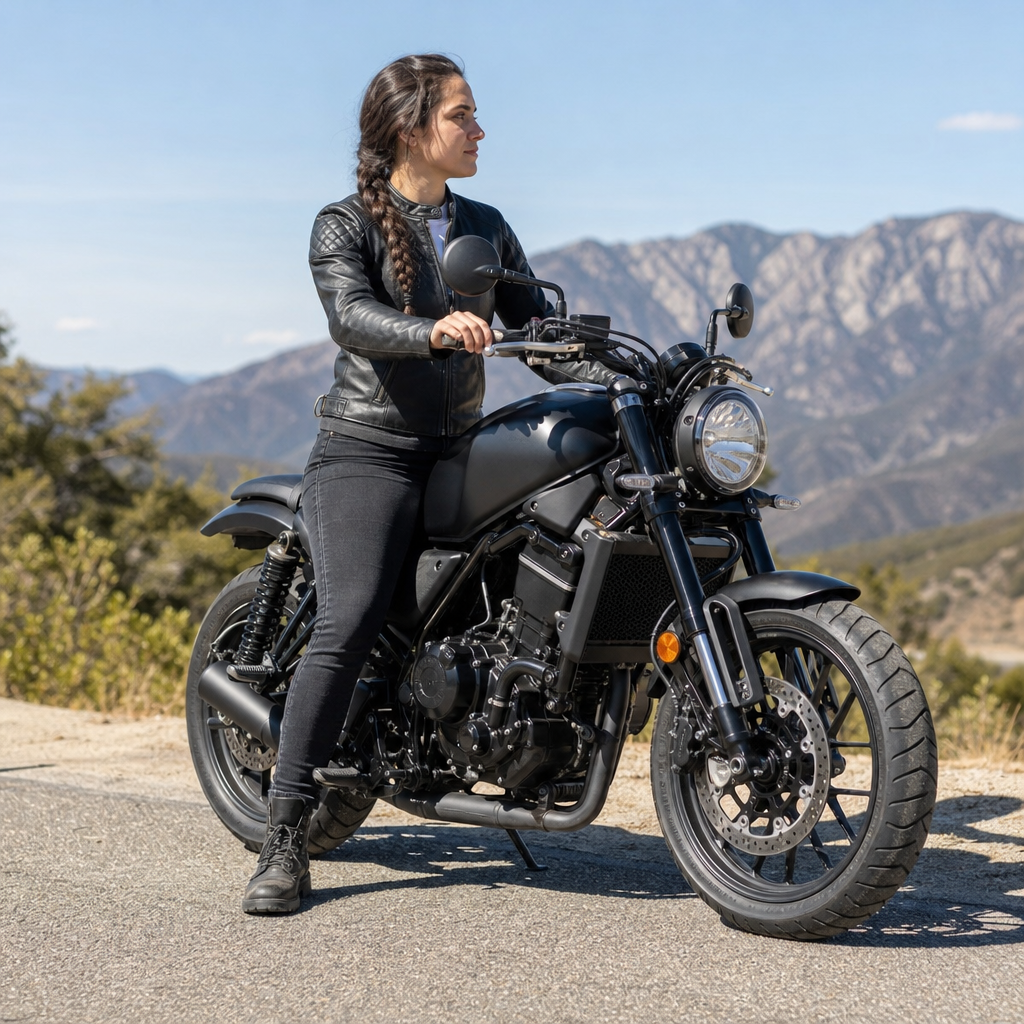
Styling can be the final filter, not the first. Cruisers dominate low-seat lists because they naturally place the rider low, but mid-controls, feet-forward ergonomics, and extra weight are not ideal for everyone. Standards like the Honda Rebel 500 or Kawasaki Eliminator often fit a wider range of uses because they combine low seats with balanced chassis geometry. Sport bikes can work too if the reach to the ground is manageable and the rider can tolerate more knee bend and wrist weight. Short riders should also pay attention to accessory ecosystems. Factory low seats, lowered suspension links approved by the manufacturer, adjustable levers, and narrower aftermarket saddles can turn a near fit into a great fit without compromising safety.
The 15 best motorcycles for short riders in 2026 seat height chart
The following chart highlights 15 motorcycles that consistently make sense for shorter riders in 2026. Seat heights are manufacturer claims or current widely reported figures and may vary slightly by market, trim, suspension setup, or accessory seat. Use this as a comparison tool, then sit on each model before buying. The best motorcycles for short riders are the ones that combine a low perch with balanced handling, not just the lowest published number.
| Model | Type | Claimed Seat Height | Why It Works for Short Riders |
|---|---|---|---|
| Honda Rebel 300 | Cruiser | 27.2 in | Very low seat, light feel, beginner friendly controls |
| Honda Rebel 500 | Cruiser | 27.2 in | Same fit as Rebel 300 with stronger highway performance |
| Kawasaki Eliminator | Cruiser/Standard | 28.9 in | Narrow midsection, easy power delivery, modern chassis |
| Kawasaki Vulcan S | Cruiser | 27.8 in | Low seat plus Ergo-Fit options for bars, pegs, and seat |
| Yamaha Bolt R-Spec | Cruiser | 27.2 in | Low, simple, torquey V-twin with approachable reach |
| Harley-Davidson Nightster | Cruiser | 27.1 in | Low stance with stronger performance than entry cruisers |
| Triumph Speed 400 | Standard | 31.1 in | Narrow seat and light chassis make height manageable |
| CFMOTO 450CL-C | Cruiser | 27.0 in | Low seat, modern electronics, confidence for new riders |
| Royal Enfield Meteor 350 | Cruiser | 30.1 in | Gentle power, low center of gravity, relaxed ergonomics |
| Royal Enfield Hunter 350 | Standard | 31.5 in | Compact dimensions and slim seat support easy footing |
| Honda CB300R | Standard | 31.5 in | Exceptionally light weight offsets moderate seat height |
| Kawasaki Ninja 500 | Sport | 30.9 in | Friendly sport-bike ergonomics and predictable twin engine |
| Yamaha YZF-R3 | Sport | 30.7 in | Narrow saddle and low weight suit smaller riders well |
| Suzuki S40 Boulevard | Cruiser | 27.6 in | Classic low-slung single-cylinder layout, easy reach |
| Honda ADV160 | Scooter | 30.7 in | Step-through practicality, low stress urban usability |
Top picks explained by riding style and real-world use
The Honda Rebel 500 remains one of the safest recommendations in any buyers guide for short riders because it gets the fundamentals right. The 471cc parallel twin is smooth, durable, and strong enough for real highway riding without becoming abrupt in town. The seat is very low at 27.2 inches, the clutch is forgiving, and the bike carries its weight low. The Rebel 300 is even less intimidating for true beginners, but riders who expect frequent freeway use often outgrow it faster. If budget and insurance allow, the 500 usually offers the better long-term value.
The Kawasaki Eliminator deserves special attention because it solves a problem many short riders have with traditional cruisers: awkward ergonomics. Its 451cc twin and modern chassis make it feel more like a light standard than a laid-back heavyweight cruiser. The seat is not class-leading low on paper, but the narrow shape and balanced geometry make it easier to manage than some lower, wider bikes. The Kawasaki Vulcan S is another standout because of Ergo-Fit. Factory options for peg position, handlebar reach, and seat shape are unusually useful, especially for riders whose proportions do not match average sizing.
For classic cruiser buyers, the Yamaha Bolt R-Spec and Harley-Davidson Nightster both work, but they serve different priorities. The Bolt is simpler, air-cooled, and mechanically straightforward. It appeals to riders who want low-seat confidence and a minimal ownership experience. The Nightster is faster, more premium, and more expensive. It gives shorter riders access to serious performance without climbing onto a tall machine, though heat management, purchase price, and insurance can be higher. If you want modern technology at a lower price, the CFMOTO 450CL-C is a compelling newer option with an accessible fit and solid feature content.
Among standards, the Triumph Speed 400, Royal Enfield Hunter 350, and Honda CB300R prove that a moderate seat height can still work for short riders when the motorcycle is narrow and light. The CB300R in particular often surprises riders in person. At roughly 317 pounds curb, it is one of the easiest full-size motorcycles to balance and move around. The Speed 400 adds stronger finish quality and more torque, while the Hunter 350 keeps things simple and unintimidating. For sport-bike buyers, the Kawasaki Ninja 500 and Yamaha YZF-R3 are the smart choices because they combine slim bodywork, predictable power, and manageable reach to the bars. Finally, do not ignore scooters like the Honda ADV160. The step-through design, automatic transmission, and daily practicality make it one of the least stressful urban options for shorter riders.
How to measure fit correctly and avoid common buying mistakes
The biggest buying mistake short riders make is judging fit by whether both feet are completely flat at the dealer. Flat-footing can be reassuring, but it is not mandatory for safe street riding. Many experienced riders comfortably one-foot a motorcycle at stops while keeping the other foot on the rear brake. What matters is whether you can stabilize the bike decisively on uneven pavement, stop without panic, and perform low-speed maneuvers without dabbing unpredictably. A rider with a 28-inch inseam may be fine on a 31-inch standard if the bike is narrow and light. The same rider may struggle more on a 29-inch cruiser with a very wide seat and heavy steering.
Measure your inseam in riding boots, not socks, using the book-to-wall method: stand straight, place a hardcover book firmly upward between your legs, and measure from the floor to the top edge. Then compare that number with the seat height, but also inspect seat width and curb weight. Sit on the bike with your normal posture, hold the bars straight, and ask the dealer to let you feel the bike off the side stand. Bounce lightly to account for suspension sag. Better yet, take a short test ride and perform three specific checks: a U-turn in a parking lot, a stop on a slight slope, and backing the bike into a space. These reveal more than any spec sheet.
Avoid aggressive lowering before you understand the platform. Lowering links and sliding forks up in the triples can reduce seat height, but they also change steering geometry, ground clearance, side-stand angle, and suspension travel. On some bikes, a factory low seat gains enough reach without compromising dynamics. A narrower aftermarket saddle can also help more than expected. Boots with a thicker sole are a legitimate aid if they still allow precise shifting and braking. I generally advise riders to buy the motorcycle that feels balanced first, then fine-tune fit with reversible changes instead of starting with the tallest bike they can barely hold up.
Choosing the right category: cruiser, standard, sport, or scooter
Cruisers are usually the easiest recommendation when the only goal is the lowest seat height. They offer immediate confidence, especially during stops and parking. The tradeoff is that many cruisers are heavier, have longer wheelbases, and place the feet farther forward, which can make rough-road control and stand-up body positioning less natural. Standards split the difference. They often sit a bit taller, but they carry weight more centrally, turn more naturally, and adapt better to commuting, weekend rides, and skill development. For many short riders, a standard with a narrow seat ends up being the more versatile long-term bike.
Sport bikes deserve more credit than they often receive in discussions about short-rider fit. Models like the Yamaha YZF-R3 and Kawasaki Ninja 500 are not extreme supersports. Their seats are manageable, the bodywork is slim, and the engines are friendly. If you want fairing protection and sporty handling, they can be better everyday choices than low cruisers. Scooters, meanwhile, are the practical champions for urban riding. A step-through frame, automatic transmission, integrated storage, and low-speed ease make them exceptionally approachable. If your riding is mostly city traffic, errands, and short commutes, a quality scooter can outperform a motorcycle in convenience while still being fun.
Final recommendations for 2026 buyers
If you want the shortest path to confidence, start with the Honda Rebel 500, Kawasaki Eliminator, Kawasaki Vulcan S, and Honda Rebel 300. They consistently work for shorter riders because they pair accessible dimensions with predictable behavior. If you prefer standard motorcycles, shortlist the Honda CB300R, Triumph Speed 400, and Royal Enfield Hunter 350. If you want sporty styling without punishing ergonomics, the Yamaha YZF-R3 and Kawasaki Ninja 500 are the smart picks. If everyday practicality matters most, the Honda ADV160 deserves serious consideration.
The main benefit of choosing a motorcycle that truly fits is not just comfort. It is control. Control reduces stress, accelerates learning, and makes every ride safer and more enjoyable. Seat height is the headline number, but effective fit comes from the full package: saddle shape, weight, balance, ergonomics, and how the motorcycle behaves at walking speed. Use the seat height chart in this guide as your starting point, then test ride with intention. A motorcycle that feels easy in a parking lot usually feels rewarding everywhere else.
As the hub for buyers guides in the New Rides section, this page should be your launch point for deeper model comparisons, beginner-bike recommendations, and category-specific reviews. Build a shortlist of three bikes, sit on each in your riding boots, and test the slow-speed scenarios that matter in daily life. When the fit is right, the rest of the buying decision becomes much clearer. Start with confidence, and you will choose a motorcycle you actually want to ride often.
Frequently Asked Questions
What seat height is considered good for short riders?
As a general rule, many short riders are most comfortable on motorcycles with a seat height under about 31 inches, and bikes in the 26- to 30-inch range are often the easiest to manage at stops. That said, seat height alone never tells the whole story. The more important question is how the motorcycle fits your body once you are actually sitting on it. A bike with a 30.5-inch seat can feel taller than expected if the seat is wide and forces your legs outward, while another bike with a slightly taller listed height may feel more manageable because the seat is narrow at the tank and easier to reach around.
Inseam length matters, but so do hip flexibility, boot sole thickness, suspension sag, and riding experience. Many riders with an inseam under 30 inches are not looking to flat-foot both sides every time they stop. In real-world riding, being able to get the balls of both feet down, or plant one foot securely with confidence, is often enough. For beginners, however, lower seat heights usually reduce stress and make low-speed handling feel less intimidating. That is why seat height charts are so useful when comparing motorcycles for short riders in 2026: they create a quick starting point, but the final decision should always come from an in-person fit check and, ideally, a short test ride.
Is seat height the only thing short riders should look at when choosing a motorcycle?
No, and this is one of the biggest mistakes buyers make. Seat height is the headline number, but overall fit depends on a combination of factors that can make one motorcycle feel much easier to ride than another. Seat width is a major one. A wide seat spreads your legs farther apart and effectively increases the reach to the ground. Bike weight also matters, especially at parking-lot speeds, where a lighter motorcycle is easier to balance and less intimidating to catch if it starts to lean.
Weight distribution is equally important. Some motorcycles carry their mass low and feel surprisingly manageable even if they are not the lowest bikes on paper. Others feel top-heavy and awkward for shorter riders despite a modest seat height. You should also pay attention to the shape of the fuel tank, handlebar reach, peg position, clutch effort, and turning radius. A bike that lets you touch the ground comfortably but stretches you too far forward to the bars can still become tiring or unstable in everyday use.
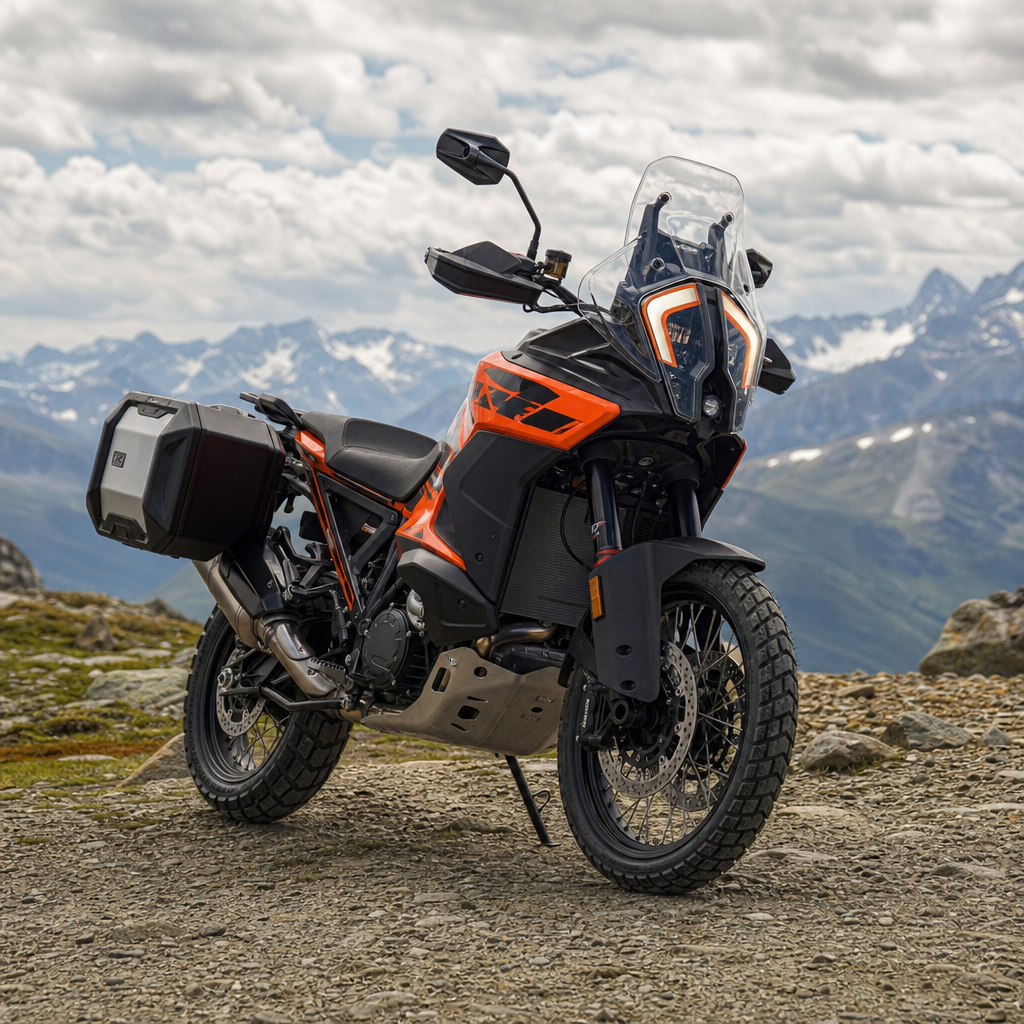
Intended use matters too. A short rider shopping for a city commuter may prioritize low weight, low seat height, and easy maneuverability. Someone choosing a cruiser may benefit from a low saddle but should still consider cornering clearance and longer-term comfort. For ADV or dual-sport buyers, suspension travel often raises seat height, so chassis balance and lowering options become especially important. The best motorcycle for a short rider is not simply the lowest one available. It is the one that gives you confidence at a stop, control at low speed, and comfort once the road opens up.
Can a short rider safely ride a motorcycle without flat-footing both feet?
Yes. In fact, many experienced riders of all heights do not flat-foot both feet on every motorcycle they own. Safe riding does not require putting both feet fully on the ground at every stop. What matters is whether you can stabilize the bike predictably and confidently. Many shorter riders develop the habit of sliding slightly to one side of the seat and planting one foot firmly while keeping the other foot on the rear brake. That is a very common and effective technique, especially on uneven pavement or at traffic lights.
The key is confidence and consistency. If you can comfortably get one solid foot down and keep the motorcycle balanced without feeling rushed or strained, the bike may still be a great fit. Problems usually show up when a rider is tiptoeing unpredictably, struggling with the bike’s weight, or feeling anxious during routine stops, U-turns, or parking maneuvers. Those situations can lead to drops, especially for beginners. That is why lower motorcycles are often recommended for new short riders: they reduce the learning curve and make everyday riding less stressful.
It is also worth remembering that stopping surfaces are not always flat. Hills, potholes, gravel, crowned roads, and sloped parking spaces can make any motorcycle feel taller. A bike that seems manageable in a showroom may feel very different in the real world. If you are a shorter rider, practice one-foot stops, low-speed clutch control, and backing the bike into parking spaces where you can ride out forward. These habits often matter just as much as the motorcycle’s published seat height.
Should short riders lower a motorcycle, or is it better to buy a low bike from the start?
In most cases, buying a motorcycle that already fits well from the factory is the better and simpler solution. A naturally low bike tends to preserve its intended steering geometry, suspension travel, and overall balance. That is one reason cruisers, standard motorcycles with approachable ergonomics, and certain beginner-friendly naked bikes remain so popular with shorter riders. Starting with a bike that feels manageable immediately can improve confidence, shorten the learning curve, and reduce the temptation to make expensive modifications right away.
That said, lowering can be a reasonable option when the motorcycle is otherwise an excellent match. Riders commonly lower bikes with suspension links, shorter shocks, fork adjustments, or low accessory seats. Some also gain a little extra reach by wearing boots with thicker soles. But lowering is not free of tradeoffs. It can reduce suspension travel, limit ground clearance, alter steering behavior, and change the way the bike responds under braking and cornering. On some models, lowering too much can make the side stand angle awkward or require additional parts to keep the bike parking safely.
Before lowering a motorcycle, it is smart to try the easiest and least invasive solutions first. A low seat, preload adjustment within manufacturer recommendations, and proper riding boots can make a surprising difference. If you do decide to lower the bike, quality parts and professional setup matter. The goal is not just to make the bike shorter, but to keep it predictable and comfortable. For many short riders in 2026, the best path is still to start with a motorcycle known for approachable seat height and user-friendly ergonomics, then make small adjustments only if necessary.
What types of motorcycles are usually best for short riders in 2026?
Cruisers are often the easiest starting point because they typically have the lowest seat heights in the motorcycle market. Many place the rider low in the chassis, which can make stops feel much more secure for shorter inseams. Smaller-displacement cruisers and lightweight midsize models are especially appealing because they combine a low saddle with manageable weight and relaxed ergonomics. For riders who prioritize confidence at stops above all else, this category is often hard to beat.
Standard motorcycles and beginner-friendly naked bikes are another strong option. While they are not always as low as cruisers, many have narrow seats, neutral ergonomics, and lighter curb weights that make them very approachable. These motorcycles are often better all-around choices for commuting, learning, and weekend riding because they balance comfort, control, and practicality. Some scooters also deserve attention, particularly for urban riders, because their step-through designs and low centers of gravity can make them extremely easy to manage.
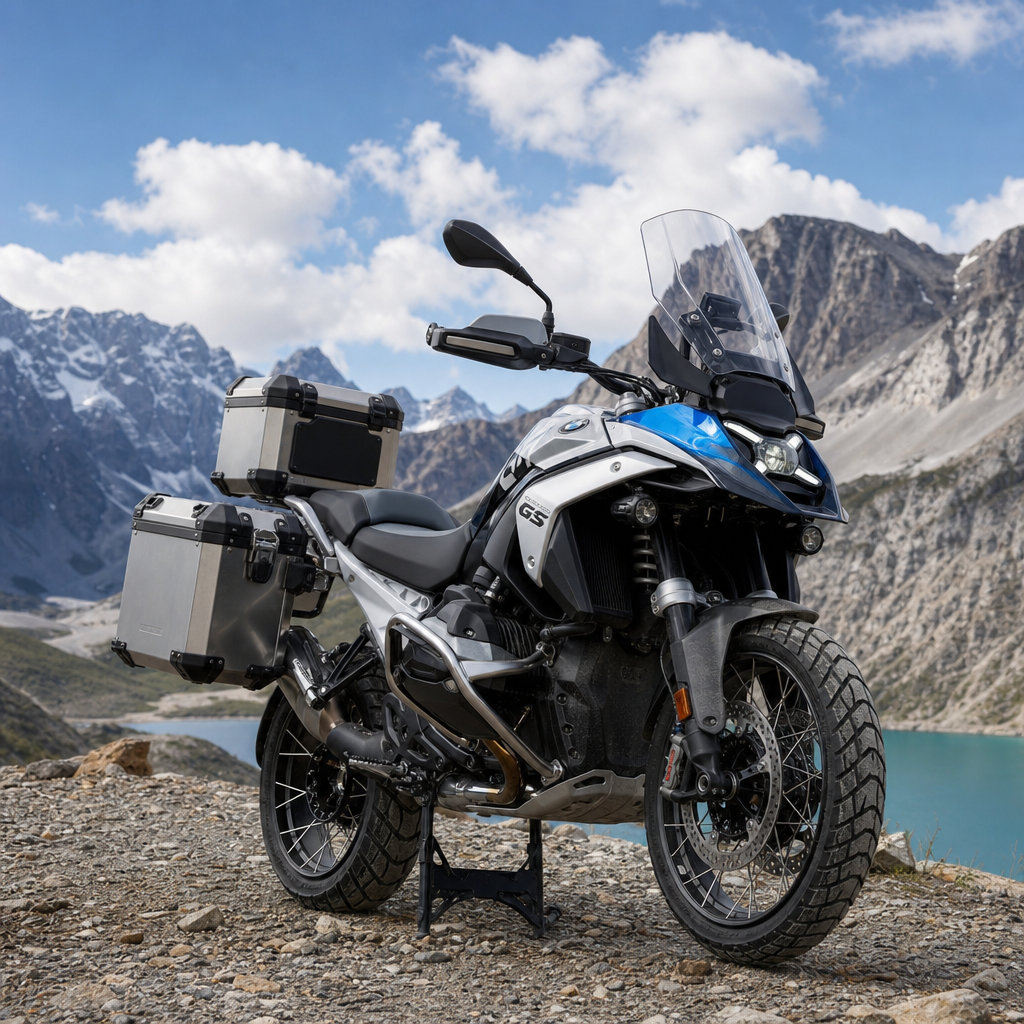
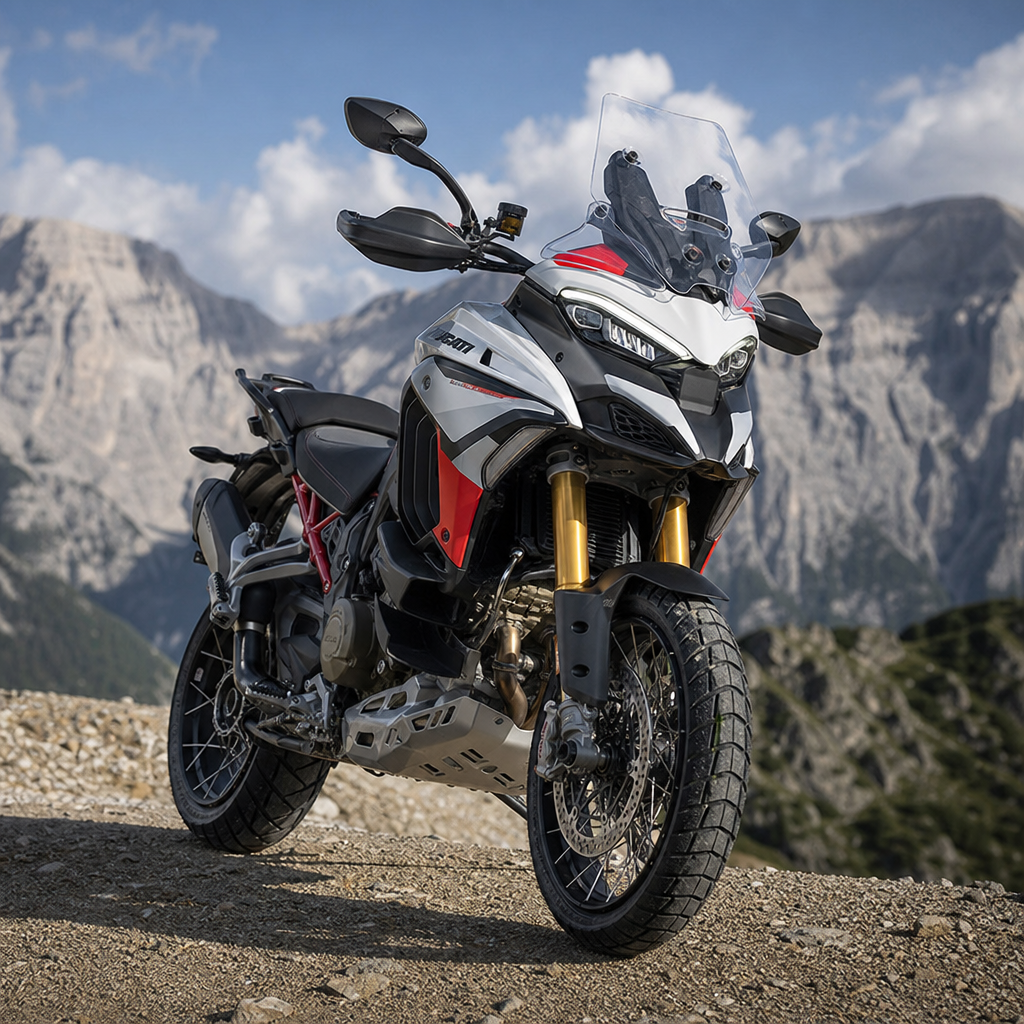
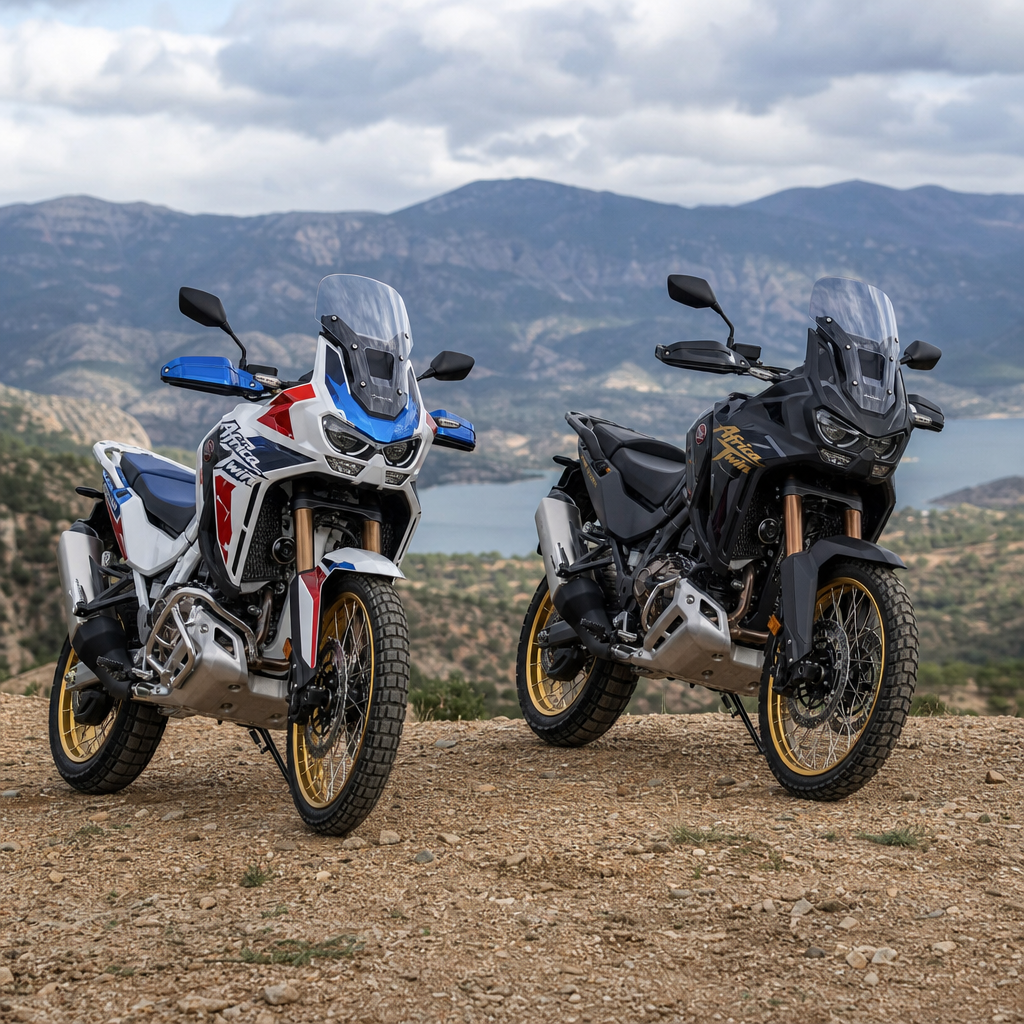
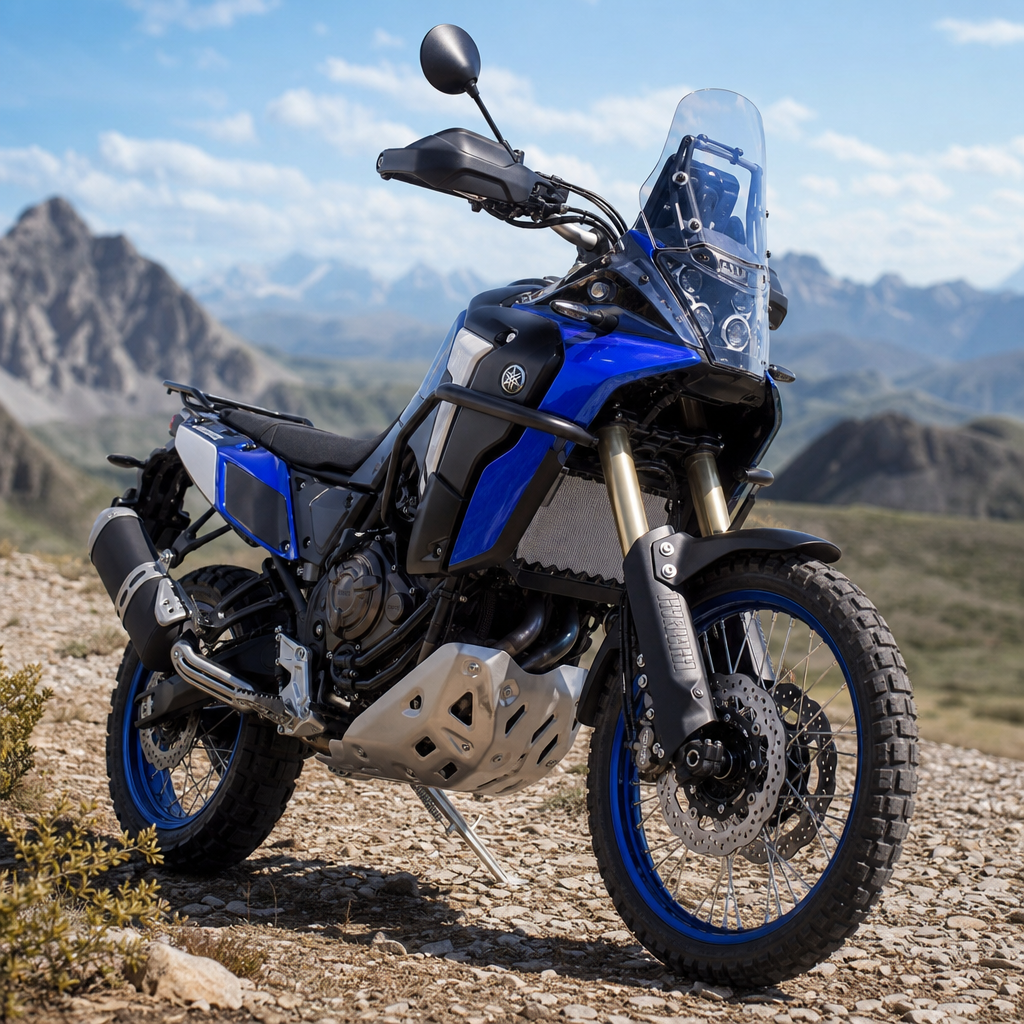
Sport bikes can work for some short riders, but the riding position and wider bodywork sometimes make them less approachable than the seat-height number suggests. Adventure bikes and dual-sports are usually more challenging because long-travel suspension raises the chassis, though low-seat versions and factory-lowered trims can help. Ultimately, the best motorcycles for short riders in 2026 will usually be those that combine a modest seat height with a narrow seat, low overall weight, and balanced ergonomics. That combination matters more than category alone, which is why a seat height chart is so helpful when comparing real-world options side by side.