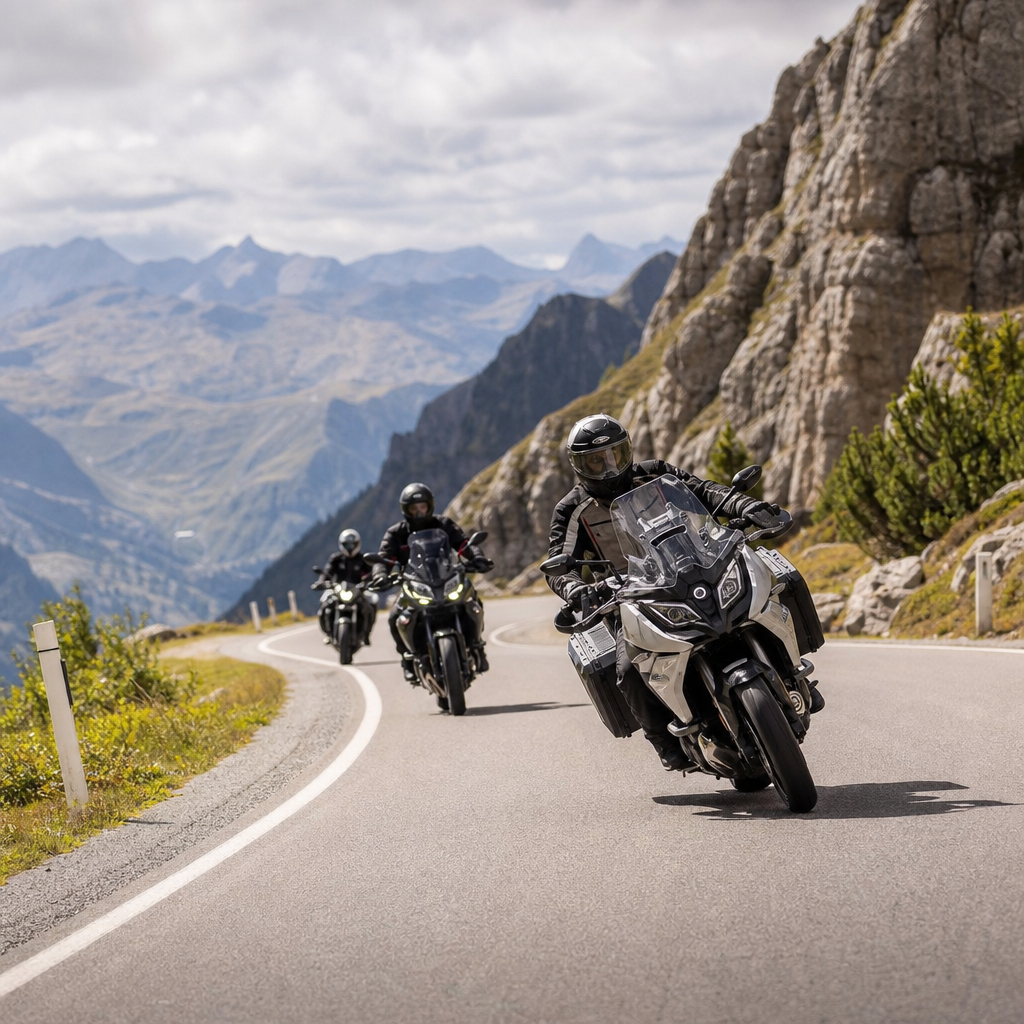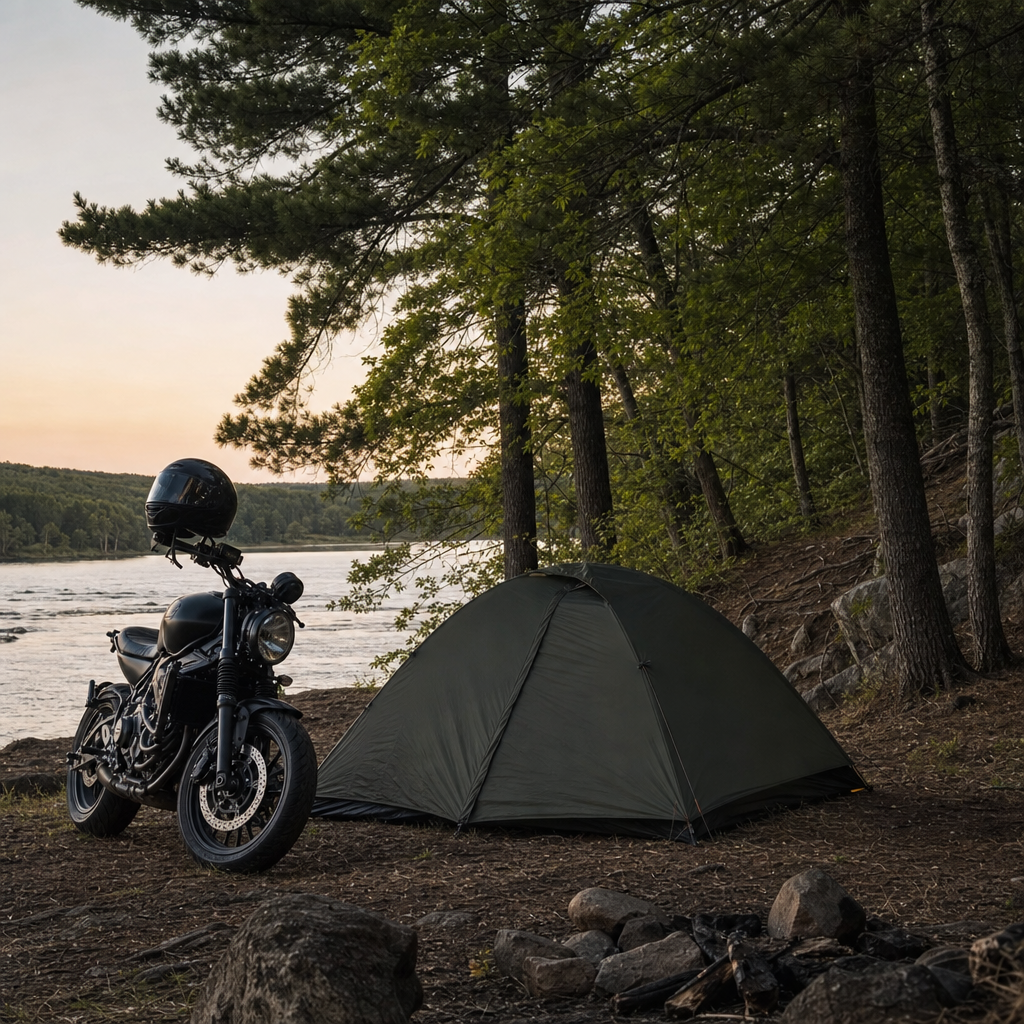
Stealth camping for bikers is the practice of sleeping outdoors near a travel route without drawing attention, usually for one night, while minimizing impact on landowners, residents, wildlife, and other travelers. For motorcycle tourers, bicycle travelers, and overland riders, it sits at the intersection of touring and camping: route planning, fatigue management, weather protection, local law, and common sense. I have used stealth camping as a backup on long-distance rides when storms closed official sites, when remote stretches offered no lodging, or when arriving late made paid campgrounds impractical. Done carelessly, it creates legal trouble and damages the reputation of riders. Done carefully, it can be a low-cost, low-impact emergency tool.
The key terms matter. “Stealth” does not mean trespassing wherever you want. It means choosing a discreet, low-visibility overnight stop, arriving late, leaving early, keeping noise and light to a minimum, and leaving no trace. “Wild camping” often refers to camping outside developed campgrounds, sometimes legally on public land. “Dispersed camping” is a formal term used by agencies such as the U.S. Forest Service and Bureau of Land Management for camping outside designated campgrounds in specific public areas. “Bivouacking” usually means a minimalist overnight stop with little shelter. Riders often blur these terms, but the legal differences are important because what is accepted on public land may be prohibited on private property, in city parks, on beaches, or near roadsides.
This topic matters because touring riders face three recurring pressures: distance, daylight, and budget. A long riding day can end far from formal accommodation. Rural campgrounds may close seasonally. Hotels can be scarce or expensive during festivals, race weekends, or tourist peaks. At the same time, fatigue is a genuine safety risk. According to road safety guidance used by transport agencies worldwide, tired riding reduces reaction time, judgment, and hazard perception. In practical terms, there are nights when the safest choice is to stop and sleep rather than push to the next town. A strong touring and camping strategy therefore includes legal campsite options first, stealth methods second, and emergency alternatives always.
As a hub for touring and camping, this guide covers the core decisions bikers need to make: where stealth camping is usually illegal, where dispersed camping may be allowed, how to assess a site, how to stay hidden without behaving suspiciously, how to protect your motorcycle and gear, what to pack, and when to skip stealth entirely. It also points you toward the broader touring mindset behind every good overnight decision: risk reduction, local awareness, and respect for the places you pass through.
Know the law before you look for cover
The first rule is simple: legality depends on land status, local regulation, and how you camp. Private land without permission is usually trespass. In some places trespass is civil; in others, especially where signs, fences, or agricultural operations are involved, it can become a criminal matter. Public land is not automatically open to camping. Municipal parks often prohibit overnight stays. Roadside pull-offs may ban stopping after dark. Beaches, riverbanks, school property, trailheads, and nature reserves commonly have specific restrictions. National parks, state parks, and protected habitats may allow camping only in designated areas, require permits, or prohibit motorcycles from entering service roads and undeveloped tracks.
Riders should learn the land-management categories used where they travel. In the United States, dispersed camping is often allowed on many U.S. Forest Service and Bureau of Land Management lands, subject to local district rules, fire restrictions, stay limits, and distance requirements from water sources or developed recreation areas. In England and Wales, most land is privately owned and wild camping is generally not a default right without permission, with Dartmoor long representing a disputed exception shaped by local access law. In Scotland, broad access rights exist under the Land Reform framework, but they come with responsibilities and do not excuse camping irresponsibly near homes, roads, or sensitive sites. In much of continental Europe, rules vary by country and region; some allow a discreet one-night bivouac in the mountains, while vehicle camping may be restricted more heavily than pedestrian camping.
For bikers, vehicle status matters. Authorities may treat a motorcycle differently from a hiker’s tent because roads, parking regulations, and anti-vehicle-camping ordinances come into play. I advise riders to check three sources before a trip: the managing agency website for public land, local council or municipal ordinances for overnight parking rules, and current fire restriction notices. If the location is unclear on a map, assume nothing. Satellite imagery can show a clearing, but not who owns it or whether overnight use is prohibited. The legal answer is always more important than the convenient answer.
Choose stealth camping only after better options
Experienced tourers do not begin the evening by hunting for hidden spots. They start with legitimate options: official campgrounds, rider-friendly hostels, small motels, farms that accept tents, and formal dispersed camping zones. This approach reduces stress, avoids legal exposure, and usually produces better sleep. Stealth camping works best as a contingency, not as the foundation of every overnight plan. If you make it your first choice every night, fatigue and poor judgment eventually push you into a bad site.
A practical touring system uses layered fallback choices. By late afternoon, identify a legal primary stop and at least two backups within your fuel range. Weather should influence the sequence. If lightning, high winds, or freezing temperatures are likely, move sheltered lodging higher up the list. If the region has bear activity, wildfire closures, hunting season, or flood-prone creek bottoms, treat those as hard constraints. On my own trips, the riders who get into trouble are rarely the poorest equipped; they are the ones who postpone the stop decision until full darkness and then start improvising near towns, roads, and people who do not want them there.
| Overnight option | Typical cost | Legal risk | Best use case |
|---|---|---|---|
| Official campground | Low to moderate | Low | Planned touring stop with facilities |
| Dispersed camping on public land | Usually free | Low to moderate | Remote routes where regulations permit it |
| Hostel or motel | Moderate to high | Low | Storms, fatigue, drying gear, charging electronics |
| Permission on private land | Free to low | Low | Rural travel when you can ask politely |
| Stealth camping | Free | Moderate to high | Last-resort overnight stop with minimal impact |
As a touring and camping hub principle, this ranking matters because it keeps the broader journey sustainable. Saving money one night is not worth a police encounter, a fine, a confrontation with a landowner, or a dangerous sleep-deprived ride the next morning. The best riders preserve optionality and make their backup plan before they need it.
How to find a site that is hidden, safe, and low impact
If stealth camping becomes necessary, site selection determines almost everything. The ideal spot is out of sight, not merely off the road. Visual concealment matters more than distance. A place 80 meters behind dense vegetation is safer than a bare clearing 400 meters from traffic. Look for natural screening such as tree lines, terrain folds, hedges, or abandoned logging spurs on public land where camping is permitted. Avoid obvious human pathways, dog-walking routes, fishing access points, and places where headlights sweep regularly. Avoid agricultural land, active forestry operations, and any ground with gates, fresh tracks, livestock, or equipment.
Safety matters as much as concealment. Do not camp in dry washes, drainage ditches, avalanche paths, cliff edges, beach tide zones, or under dead branches known as widowmakers. Motorcyclists also need stable parking. Soft sand, boggy grass, and sloped leaf litter can dump a loaded bike overnight unless you use a sidestand puck or park on compact soil. In hot climates, avoid tall grass near exhaust components because catalytic converters and hot pipes can ignite fine fuels. In bear country, avoid food-rich corridors and learn local storage guidance. In snake country, clear the immediate tent area and shake out boots. In mosquito-heavy wetlands, a hidden site may still be miserable and sleepless, which defeats the safety purpose of stopping.
Digital tools help, but field judgment is decisive. Satellite layers in Gaia GPS, onX, Google Maps, and CalTopo can reveal pull-ins, tree cover, and land boundaries. iOverlander can surface both legal campsites and user-reported informal stops, though reports age quickly and should not be treated as permission. Street View can show gates and signage near access roads. Once on the ground, verify what the map cannot tell you: noise, dog presence, fresh litter, vehicle tracks, and whether the area feels used. If a place looks like others have camped there illegally, that is often a warning sign, not a recommendation.
Stay hidden by being quiet, brief, and boring
The methods that keep a rider unnoticed are mostly about restraint. Arrive late enough that daytime visitors are gone but early enough to set up safely. Leave at first light. Do not build a camp that looks lived in. A small, earth-toned tent, bivy, or tarp is easier to conceal than a bright dome with reflective guylines spread over a wide area. Use a headlamp on red or low mode. Silence phone alerts. Skip the speaker, skip the cooking if possible, and do not smoke where the smell carries. If your motorcycle is loud, roll the last section with the engine off when terrain permits and never rev for fun.
Boring behavior is the real stealth skill. Nothing should suggest a multi-hour social camp. No fire, no lantern glow, no repeated trips to the bike, no laundry line, and no visible food prep. Cold food is often the smart play for one hidden night. Water should be pre-filled before arrival. If you must cook, move away from the sleeping spot where legal and safe, and understand that odor defeats concealment. I learned quickly that the riders most likely to be noticed are not the ones with the brightest gear; they are the ones who behave as if the woods are their private patio.
Human interaction requires the same discipline. If you are seen, be polite, calm, and honest without oversharing. Arguing about rights on unclear land almost never helps. If a landowner or ranger asks you to leave, comply promptly unless they direct otherwise. Have a fast-pack routine so you can be rolling in minutes. That means every item has a fixed place, and you do not scatter gear. Stealth camping is not about beating people; it is about reducing disturbance and moving on.
Protect your motorcycle, your gear, and your body overnight
Motorcycle touring adds security and packing challenges that hikers do not face. Your bike is both transport and target, and a poor overnight routine can leave you stranded. First, choose a parking orientation that allows a quiet exit and does not require backing a heavy bike uphill in mud at dawn. Lock the steering, keep the key in a consistent pocket, and secure luggage so nothing can be grabbed quickly if someone wanders into the area. Soft bags should be zipped and clipped; hard panniers should be latched even if you are nearby. If theft risk feels elevated, that site is wrong for stealth and you should relocate.
Weatherproofing is equally important. Covering the seat can keep morning dew off, but a flapping bright cover attracts attention, so many riders instead use a compact dark cover only when concealment is already excellent. Store electronics and documents in dry bags inside the tent or bivy. Keep boots under cover, helmet out of sight, and riding suit positioned for a fast start. In cold conditions, eat before sleep, insulate from the ground with a proper pad, and vent your shelter enough to reduce condensation. A four-season sleeping bag is not always the answer; an appropriately rated bag, a closed-cell or inflatable pad with adequate R-value, and dry base layers usually matter more.
Your body needs a simple night protocol. Hydrate, but not so much that you are wandering around after midnight. Keep a headlamp, phone, earplugs, and any medication in the same place every night. If you carry a personal locator beacon, satellite messenger, or emergency SOS device such as Garmin inReach or ZOLEO, keep it accessible, not buried in luggage. For touring and camping, consistency beats complexity. The riders who sleep best and leave earliest are the ones whose routine changes least whether they are in a developed campground or a hidden one.
When not to stealth camp and what to do instead
There are clear situations where stealth camping is the wrong call. Do not do it near schools, playgrounds, homes, trailheads with posted bans, high-crime urban edges, active industrial sites, or anywhere your presence could reasonably alarm residents. Do not do it in extreme fire conditions, severe weather alerts, flood watches, or during heat waves when hydration and exposure become serious risks. Avoid it when impaired, emotionally exhausted, or too tired to judge terrain. A poor hidden camp is often more dangerous than an expensive room.
Better alternatives exist more often than riders think. Gas stations, diners, and rural pubs can point you to local campgrounds, fairgrounds, or landowners who sometimes allow a tent. Faith communities, municipal recreation grounds, and small-town event fields occasionally permit overnight stays when asked respectfully. Some farms and private hosts participate in camping networks or informal rider hospitality communities. Truck stops and 24-hour services are not campsites, but they can be safe places to regroup, charge devices, study maps, and decide on lodging. The bigger lesson for The Open Road and for touring and camping generally is that good overnight decisions come from planning, legality, and restraint. Use stealth camping sparingly, only where you understand the rules, and only in a way that leaves no trace and no complaint. Before your next trip, map your legal options, build two backups for every riding day, and treat hidden camping as the emergency tool it should be.
Frequently Asked Questions
Is stealth camping legal for bikers?
Stealth camping is not automatically legal or illegal everywhere; it depends on where you are, who owns the land, and how local rules are enforced. For bikers, the biggest legal issue is usually trespassing, not the act of sleeping itself. Public land, private property, roadside easements, parks, forests, trail systems, and utility corridors can all have different rules, and those rules may change by region, state, province, or country. In some places, dispersed camping is allowed on certain public lands if you follow distance requirements from roads, water sources, and developed recreation areas. In others, overnight occupancy outside designated campgrounds is prohibited, even if you arrive late and leave early. If you are riding a motorcycle, bicycle, or overland bike setup, do not assume that because a place looks unused it is open for overnight camping.
A practical rule is to research land status before you need it. Use official park, forest, and municipal websites when possible, and verify whether “camping,” “overnight parking,” and “temporary shelter” are treated differently. Urban edges, trailheads, school grounds, church lots, farm lanes, construction areas, and service roads are especially risky because they are often patrolled or privately controlled. If you are approached, politeness matters. A respectful explanation that you are tired, trying to stay safe, and leaving immediately often leads to a warning rather than escalation, but that is never guaranteed. The safest legal approach is to treat stealth camping as a backup option, prioritize public land where dispersed camping is explicitly allowed, and avoid any location that would require you to argue technicalities with a landowner or law enforcement officer.
What are the best legal tips for choosing a stealth camping spot on a bike trip?
The best legal strategy is to choose places where overnight use is either clearly permitted or unlikely to create a conflict, while still avoiding sensitive areas. Start by identifying legal public lands along your route, such as national forests, crown land, or other areas that allow dispersed camping. Learn the local restrictions on campfires, distance from roads, group size, stay limits, and whether motor vehicles or bicycles are allowed beyond certain gates or tracks. If you are moving through suburban or agricultural land, be much more cautious. Private property boundaries are not always obvious, and a hidden-looking spot may still be actively monitored by residents, game cameras, ranch workers, or security patrols.
From a risk-management standpoint, stay away from places where your presence could be interpreted as suspicious or disruptive. That includes spots near homes, businesses, schools, playgrounds, utility infrastructure, rail lines, cemeteries, and active trail corridors. Avoid blocking access roads, gates, maintenance routes, or emergency turnouts. Never camp where signage says no trespassing, no overnight parking, or no camping; ignoring signs removes most of your legal flexibility if you are discovered. If you need to ask permission, keep it simple and direct: explain that you are traveling by bike, need one quiet night, will leave early, and will leave no trace. Many riders find that a brief, courteous ask at a farmhouse, rural store, fire station, or small-town property can be more effective than gambling on a hidden but questionable site. Legally and practically, permission beats stealth every time.
How can bikers stay hidden without acting suspicious or causing problems?
Good stealth camping is about being low-impact, not deceptive in a reckless way. The goal is to avoid drawing attention, avoid interfering with anyone else, and leave before your presence becomes an issue. Arrive late, leave early, and choose a site that is naturally screened by terrain, brush, or trees rather than one that requires you to cut through fences, move obstacles, or cross obvious boundaries. Keep lights low, voices down, and your setup compact. Neutral-colored gear helps, but behavior matters more than color. A loud exhaust, repeated headlamp sweeps, music, cooking smells, or moving around with bright lanterns will attract attention much faster than a tent in muted tones.
For bikers specifically, vehicle placement is critical. A motorcycle, loaded bicycle, or adventure bike can be more visible than the sleeper. Park in a way that does not silhouette the bike against a skyline or leave it visible from a road, driveway, or path. Avoid revving, idling, or making repeated passes while scouting. If you need to search for a site, do it before dark so you are not wandering into a poor choice in a rush. Once settled, resist the urge to make camp “comfortable” with chairs, tarps spread wide, clothes hung out, or a fire. The more temporary and self-contained your camp appears, the lower the chance of notice and the easier it is to depart quickly. Staying hidden should never mean damaging vegetation, burying trash, concealing a fire, or taking risks with wildlife and water sources. Low visibility and low impact must go together.
What should I do if a landowner, ranger, or police officer finds me?
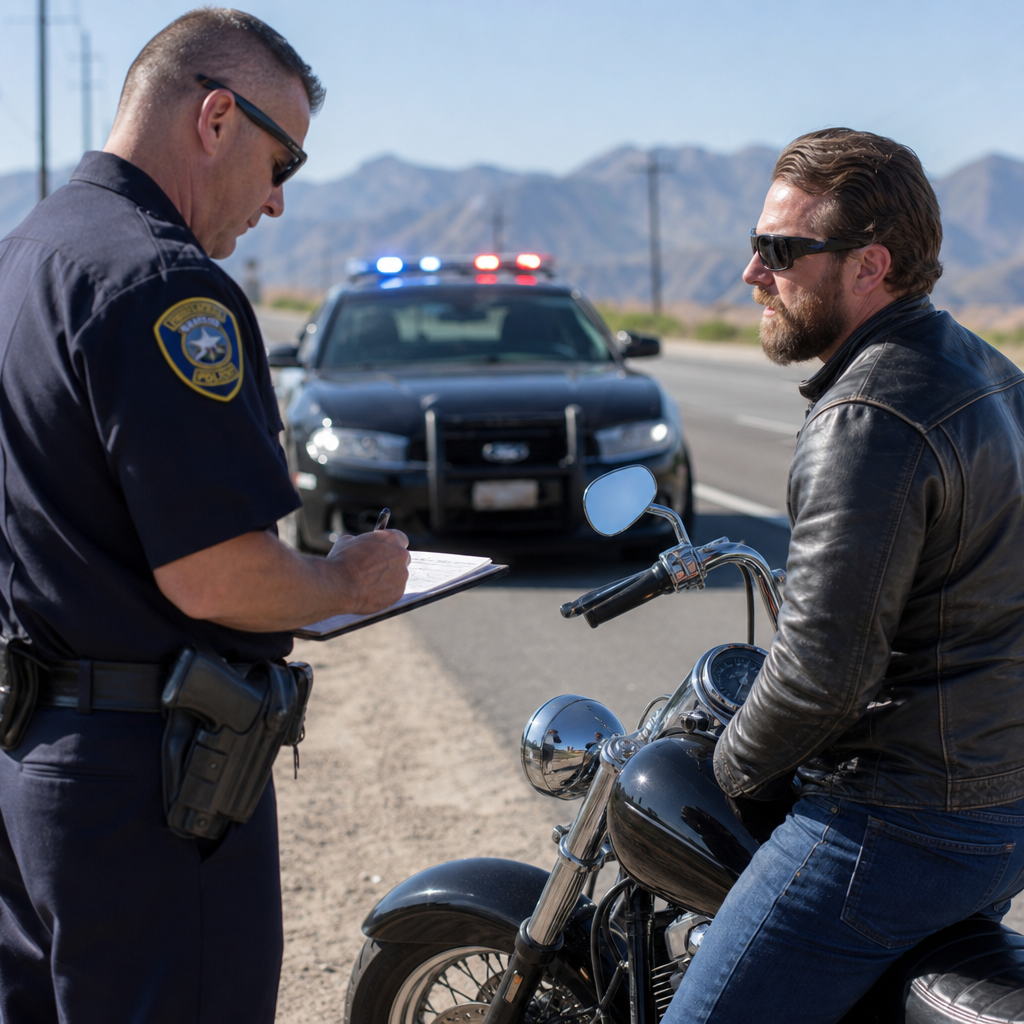
If you are discovered, the best response is calm, respectful, and immediate cooperation. Do not argue, become defensive, or pretend you did not know where you were unless that is genuinely true. Keep your hands visible, especially if you are near luggage, tools, or riding gear, and explain simply that you are traveling, were looking for a safe place to rest, and can pack up right away. Most negative encounters become worse because the camper acts evasive, entitled, or confrontational. If a landowner asks you to leave, leave. If law enforcement or a ranger tells you the area is closed or camping is prohibited, comply first and ask questions second. The priority is to de-escalate.
It also helps to be prepared before any encounter happens. Keep your identification accessible, your camp tidy, and your bike ready to move without a long pack-down process. If you are exhausted or weather has created a genuine safety issue, you can state that clearly, but do not use fatigue as a license to ignore lawful directions. In some cases, an officer or resident may point you toward a legal campground, church lawn, pavilion, truck stop, or safer alternative. Thank them, even if the interaction is uncomfortable. A respectful exit protects you legally and practically. The goal is not to “win” the interaction; it is to avoid trespass escalation, fines, citations, towing, or a night turning into a much bigger problem than the one you were trying to solve by stopping.
What safety and leave-no-trace practices matter most when stealth camping on a motorcycle or bicycle tour?
The most important principle is that stealth camping should solve a rest problem without creating a safety, environmental, or community problem. That starts with site selection. Avoid dry grass during fire season, flood-prone washes, unstable slopes, animal trails, and places exposed to road spray or fast traffic. Think about what the site will be like at 2 a.m. in wind or rain, not just how it looks at sunset. For bikers, fatigue can distort judgment, so build a routine: stop early enough to assess the area, hydrate, eat, and confirm you can leave quickly if conditions change. Keep your essentials together, store food securely, and do not sleep in locations where a vehicle could accidentally enter, such as pull-offs, farm tracks, boat ramps, or logging spurs that seem quiet at night but become active before dawn.
Leave-no-trace matters even more in stealth situations because one careless camp can close off goodwill for everyone who travels after you. Pack out all trash, food scraps, hygiene items, and repair debris such as zip ties, packaging, and puncture materials. Do not dig unnecessary trenches, cut branches, move rocks into fire rings, or leave tissue behind. If fires are banned, do not have one; if fires are technically allowed, a stealth camp is usually not the place for it anyway. Use a stove only where conditions and regulations permit, and skip cooking altogether if smell, visibility, or fire risk make it a bad idea. The best stealth campsite should look untouched once you are gone. If nobody can tell you spent the night there, and no person, animal, or land manager is inconvenienced by your stay, you handled it the right way.