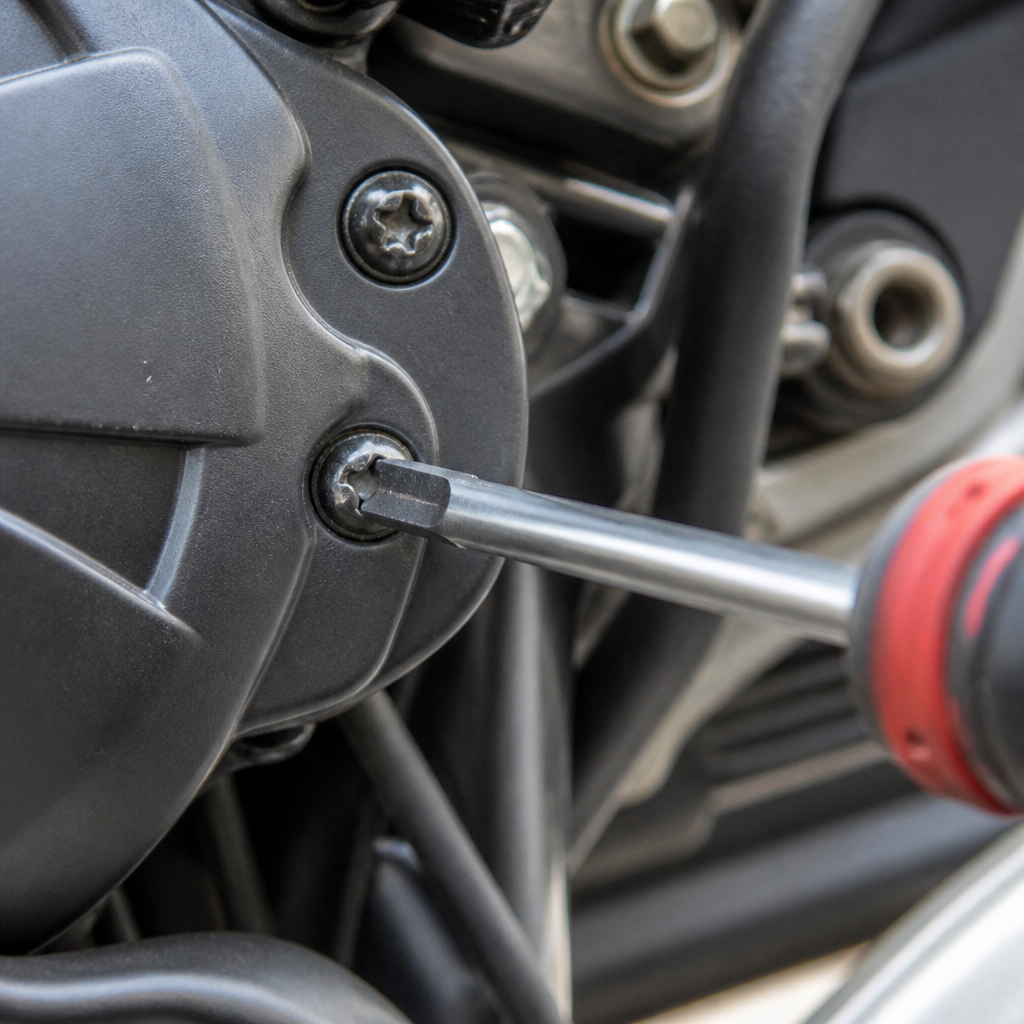
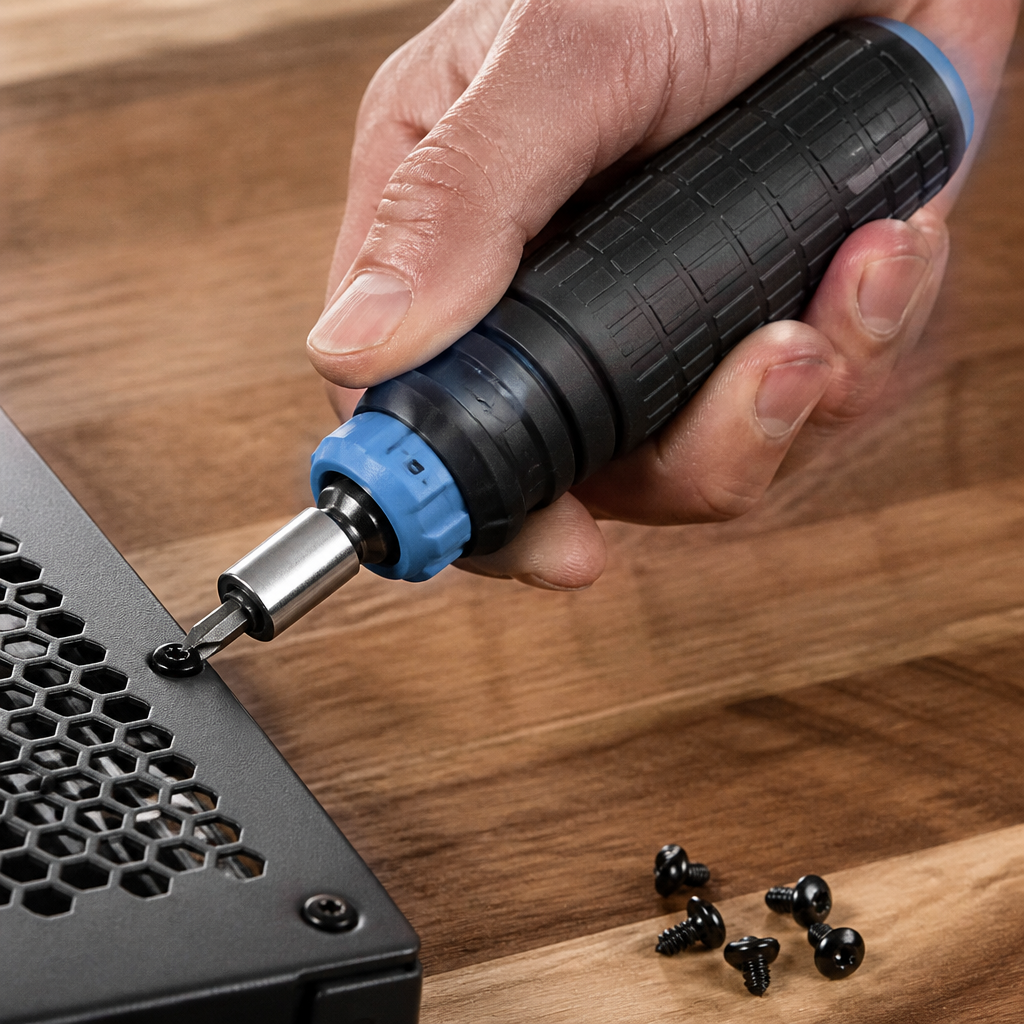
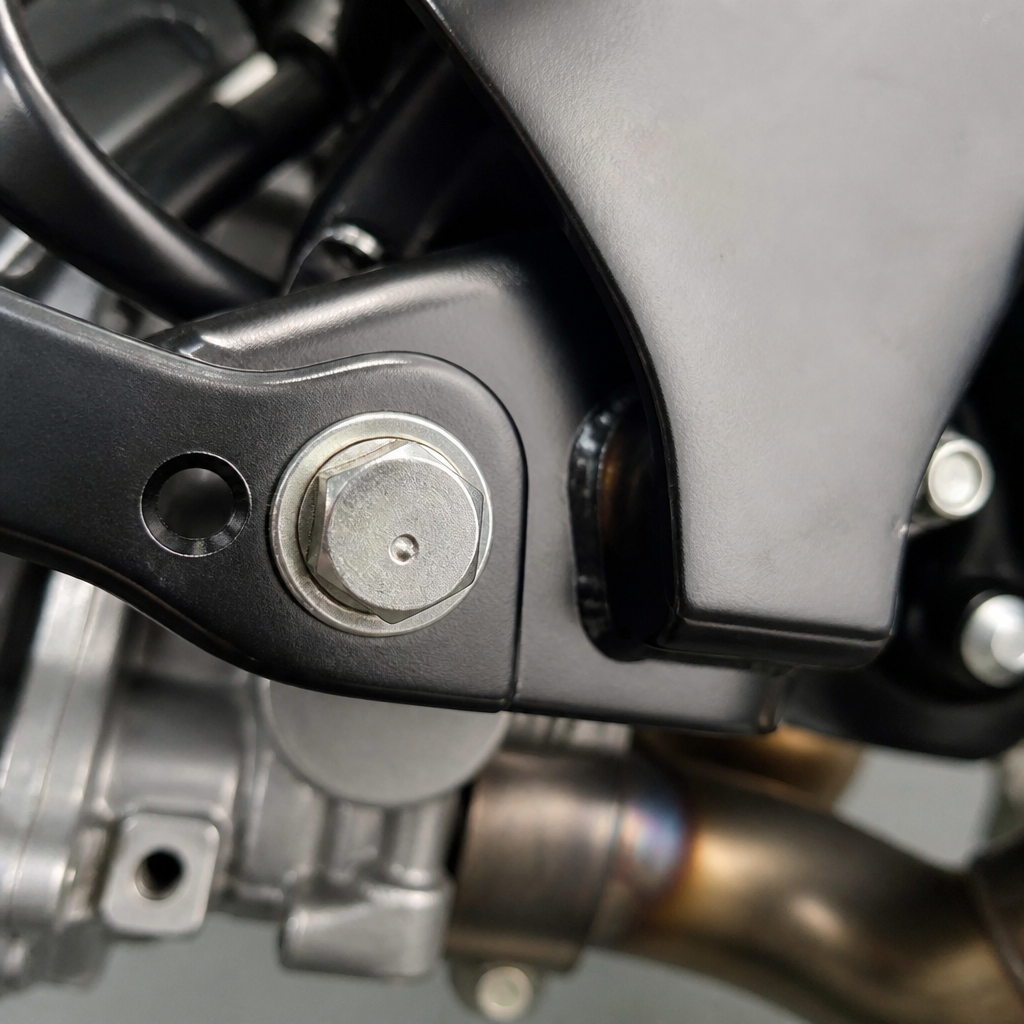
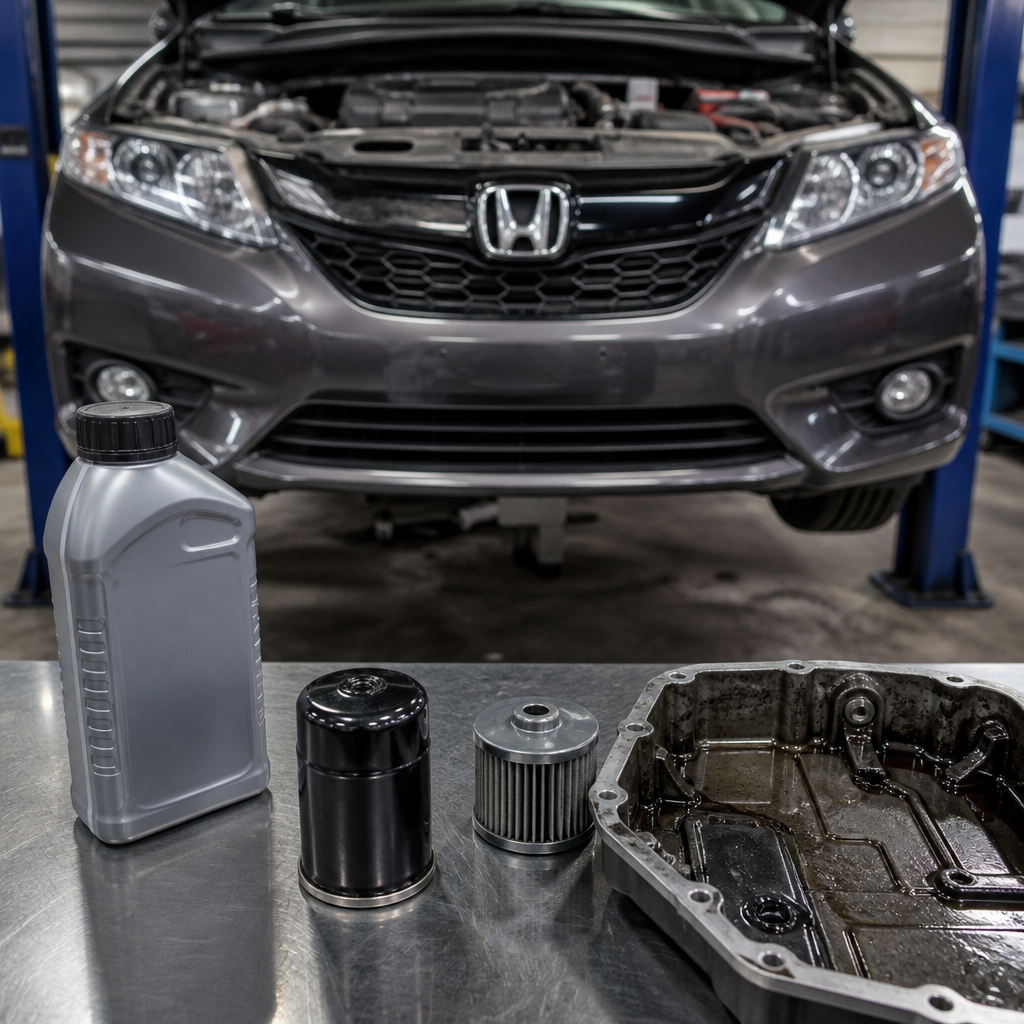
Sourcing Whitworth tools for pre-1970s metric transitions is a practical challenge for anyone restoring motorcycles, cars, machine tools, or agricultural equipment built during the long overlap between British thread standards and emerging metric hardware. In restoration work, “Whitworth tools” usually means spanners, sockets, taps, dies, and thread gauges sized for the British Standard Whitworth and British Standard Fine systems, while “metric transitions” refers to the period when manufacturers gradually mixed legacy British fasteners with DIN, ISO, and later JIS metric parts. I have had projects on the bench where a gearbox cover needed a 1/4 W spanner, the adjacent bracket used BSF, and a later service replacement bolt was 13 mm. That confusion is normal, not exceptional, on vehicles and equipment from the 1950s through the 1970s.
This matters because incorrect tool selection damages scarce parts faster than almost any other restoration mistake. A near-fit AF or metric spanner will round old Whitworth heads, distort cadmium-plated nuts, and leave restorers chasing replacements that may no longer exist in standard catalogs. The issue also sits at the center of metric classic restoration from 1970 to 2000, because many “metric classics” inherited earlier British, Commonwealth, or export-market engineering practices. A hub article on restoration guides for metric classics therefore has to start with fastener literacy: before paint codes, carburetor jetting, or brake hydraulics, you need to know what standard the machine was built around, what changed over time, and what tools belong on the cart. Good sourcing saves money, protects originality, and creates a reliable foundation for every other technical decision in a serious restoration.
Why Whitworth still appears in metric classic restorations
Whitworth did not disappear the day a manufacturer adopted metric drawings. In the real world, transitions were phased. British motorcycle firms, component suppliers, and machine builders often used existing inventory, subcontractor hardware, and carryover engine castings for years. Triumph, BSA, Norton, and many small industrial manufacturers mixed standards across assemblies; exported models sometimes changed again to match destination-market service expectations. Even where final assembly became mostly metric, service parts bins, dealer repairs, and owner modifications introduced thread combinations that restorers now uncover decades later.
That is why the 1970–2000 metric classics category needs a broad restoration framework instead of a narrow model list. Japanese motorcycles sold in Britain might have accumulated replacement fasteners from local repair shops. European cars from the 1970s often contain aftermarket accessories mounted with British hardware. Stationary engines, lathes, and pumps rebuilt in the 1980s frequently received mixed studs and adapters. If you are restoring a “metric” classic from this era, always assume the possibility of inherited Whitworth, BSF, BSP, BA, Unified, and metric fasteners until inspection proves otherwise. This principle prevents ordering the wrong tool kit and supports accurate subtopic work on chassis, engine, electrics, and body restoration.
The technical distinction also matters. Whitworth thread form uses a 55-degree included angle with rounded crests and roots, unlike the 60-degree profile used by Unified and ISO metric threads. Spanner markings add another trap: Whitworth wrench sizes historically refer to the bolt shank diameter, not the across-flats dimension of the head. A 1/4 W spanner therefore fits a head larger than many newcomers expect. If you only remember one rule from this hub, remember that apparent size overlap never guarantees standard compatibility. Measure first, fit second, apply torque last.
How to identify the fastener standard before buying tools
Start with a thread identification workflow, because tool sourcing should follow evidence, not assumptions. I use four checks in sequence: head marking, across-flats measurement, thread pitch verification, and component provenance. Head markings can indicate supplier, strength grade, or era, though older British hardware is often unmarked. Across-flats dimensions narrow the field, but only when compared against proper charts for Whitworth, BSF, AF, and metric. Thread pitch gauges are essential; trying to “eyeball” 20 threads per inch against 1.25 mm pitch is how restorers cross-thread original castings.
Use a vernier caliper or micrometer for shank diameter, a good thread pitch gauge set covering metric and imperial, and a known reference chart from a reputable engineering source. Zeus Precision Charts remain a workshop staple because they bring multiple thread systems together in a compact format. For pipe threads, verify whether you are dealing with BSPP or BSPT before ordering taps, dies, or sealing fittings. For small instrument screws, include BA in your checks, especially on British electrical equipment and gauges.
Provenance gives crucial context. If a machine was built in Britain before the mid-1970s, Whitworth-family tools are more likely to be required even if later paperwork calls it metric. If the engine or transmission was replaced, inspect casting dates and service tags. Restoration hubs for metric classics should treat documentary evidence as seriously as physical measurement: workshop manuals, parts books, and service bulletins often reveal a mid-production switch from BSF to metric, or note export variations that directly affect tool lists.
| Task | Best tool | What it confirms | Common mistake |
|---|---|---|---|
| Measure head size | Caliper | Across-flats dimension | Assuming near-match means correct standard |
| Check pitch | Thread pitch gauge | TPI or metric pitch | Comparing threads by sight alone |
| Verify diameter | Micrometer or caliper | Major diameter | Measuring damaged thread crests |
| Confirm standard | Reference chart/manual | Whitworth, BSF, BSP, BA, AF, or metric | Trusting seller descriptions without evidence |
What tools you actually need for restoration work
Most restorers do not need every Whitworth tool ever made. For vehicle and machine restoration, begin with ring spanners, combination spanners, six-point sockets, and thread gauges. Six-point sockets matter because many old fasteners have softened corners, corrosion bloom, or plating loss; twelve-point tools slip sooner. Good brands include vintage Britool, King Dick, Gordon, Snail Brand, and selected sets from modern suppliers such as Draper Expert or specialist British tool merchants. For frequent engine work, add deep sockets, crows-feet for hard-to-reach hydraulic fittings, and a torque wrench with sensible low-range coverage.
Taps and dies require more restraint. Do not buy a full set simply because it is available. Chasing original threads with worn or poorly ground tools can remove material from irreplaceable aluminum cases and steel studs. Buy the exact sizes your project requires, preferably HSS from established engineering suppliers. Thread restoration files, thread chasers, and inserts such as Helicoil or Time-Sert often solve damage more safely than aggressive recutting. For pipework and lubrication systems, use BSP-specific tools and seals; forcing NPT or metric substitutions into British ports creates leaks and cracked housings.
For a sub-pillar hub covering restoration guides for metric classics from 1970 to 2000, the practical message is that Whitworth tooling belongs in a mixed-standard strategy. Your main roll cabinet may still be metric, but the restoration cart should carry identified supplemental systems. Organize by fastener family, label drawers clearly, and keep a job sheet noting every non-metric size found on the machine. That record becomes a valuable internal reference for future work on the same model range.
Where to source Whitworth tools and how to judge quality
The best sources depend on whether you need working tools, display-correct period tools, or precision threading equipment. For working spanners and sockets, specialist vintage tool dealers, engineering suppliers, autojumble events, auction platforms, and estate sales are all productive. New old stock can be excellent, but inspect for storage corrosion and brittle packaging. Used industrial tools are often better value than decorative “classic” sets marketed to collectors, because they were built for trade service and usually have better steel and heat treatment.
Quality assessment is straightforward if you know what to inspect. On spanners, look for clean jaw geometry, minimal spread, no obvious grinder damage, and crisp engagement on a known fastener. On sockets, inspect broaching, drive-end wear, and cracks around the flats. On taps and dies, reject chipped cutting edges, eccentric grinding, and rust pitting in the lands. If buying online, ask for close photographs of markings and working faces, not just the polished outer surfaces. A shiny tool with opened jaws is a wall hanger, not a restoration asset.
For trustworthy sourcing, favor suppliers who can state brand, country of manufacture, and exact sizing standard. Reputable sellers understand the difference between Whitworth and BSF spanners and will not label every old British wrench “Whitworth” for convenience. Engineering distributors that publish dimensional tables inspire more confidence than generic marketplace listings. Price alone is not a guide: I have bought excellent single Britool sockets cheaply from industrial clearances and disappointing reproduction spanners at premium prices. Buy condition and fit, not nostalgia.
Common restoration scenarios from 1970 to 2000
In practice, the overlap appears in predictable places. First are carryover engines and drivetrains. A motorcycle assembled in the early 1970s may use metric chassis fasteners but retain older British engine hardware because the power unit design predates corporate standardization. Second are service replacements. Dealers and independent workshops often installed whatever quality fastener was locally available, especially on non-visible brackets, exhaust mounts, and body fixtures. Third are accessories: fairings, pannier racks, mirrors, pumps, and generators added after sale commonly introduce another standard.
A useful example is the restoration of a British-built machine tool sold into metric-heavy markets during the 1970s. Lead screw housings may retain Whitworth studs, gearbox side covers may use BSF, coolant fittings may be BSP, and later motor mounts may be metric due to replacement electric motors. Another example comes from classic motorcycles registered in Europe but repaired in Commonwealth workshops, where local mechanics mixed AF and Whitworth tools as parts availability changed. These are not signs of poor restoration history by default; they reflect the real service life of working machines.
For hub-level planning, separate projects into three categories: mostly original mixed-standard survivors, previously restored machines with unknown substitutions, and heavily modified users. Each category demands a different sourcing budget. Original survivors justify careful acquisition of correct-size Whitworth tools to preserve hardware. Unknown restorations require broader diagnostic coverage, including metric, Unified, and British thread gauges. Modified users often benefit from selective standardization, but only after documenting what was changed and ensuring replacements do not compromise safety or historical integrity.
Best practices for preserving originality while maintaining serviceability
The goal is not simply to tighten bolts correctly; it is to preserve original engineering while keeping the machine serviceable for future work. That starts with documentation. Photograph every fastener group before disassembly, bag and tag by subsystem, and note thread standard, pitch, finish, and head marking. If a part appears non-original, record why you think so. Those notes save hours when reordering hardware months later, and they support historical accuracy if the machine changes hands.
Cleaning methods also affect sourcing decisions. Wire wheels remove corrosion quickly but can erase head markings and rounded edge profiles that help identify standards. Vapor blasting is gentler on non-ferrous castings, while ultrasonic cleaning works well for small hardware when followed by immediate drying and oiling. Use anti-seize and thread lubricants thoughtfully: they can change clamp load at a given torque, so do not apply modern assembly habits blindly to old specifications. If torque data is unavailable, derive a conservative approach from diameter, material, and application criticality.
Finally, know when not to preserve. Severely stretched studs, mixed thread repairs of dubious quality, and hardware with deep corrosion loss should be replaced. The right replacement, however, matches thread form, strength class, and head pattern as closely as practical. That is where a well-sourced Whitworth tool set pays for itself. It lets you evaluate, remove, chase, and install the correct hardware without causing secondary damage. For anyone building a dependable reference library for metric classic restoration from 1970 to 2000, this fastener discipline is the anchor point that makes all later subsystem work more accurate and less expensive.
Sourcing Whitworth tools for pre-1970s metric transitions is not a niche concern; it is core restoration practice for many vehicles and machines that straddle British and metric engineering eras. The key lessons are clear. First, identify before you buy: measure across flats, verify pitch, check shank diameter, and confirm with manuals or trusted charts. Second, build a focused kit, not a random collection. Most projects need quality spanners, six-point sockets, gauges, and a small number of exact threading tools rather than oversized boxed sets. Third, buy from sellers and suppliers who understand standards, publish details, and can show the working condition of the tools they offer.
For the wider restoration guides for metric classics from 1970 to 2000, Whitworth sourcing is the foundation that supports every related article on engines, chassis, electrics, hydraulics, and bodywork. Mixed-standard machines are common, and they reward methodical, evidence-based work. When you use the correct tool on the correct fastener, you protect originality, reduce rework, and make future maintenance simpler for yourself or the next custodian. Audit your current project, identify every fastener family on it, and source the missing Whitworth tools before the next strip-down begins.
Frequently Asked Questions
What does “Whitworth tools” actually mean when sourcing tools for pre-1970s metric transition vehicles and machinery?
In restoration circles, “Whitworth tools” is often used as shorthand for several related British fastening systems rather than one single size chart. Most commonly, it refers to tools used on British Standard Whitworth (BSW) and British Standard Fine (BSF) hardware, along with the taps, dies, thread gauges, and measuring tools needed to identify and service those threads correctly. That distinction matters because the marked size on a Whitworth spanner usually refers to the bolt’s thread diameter, not the across-flats size of the hex head in the way many modern metric users expect. As a result, a Whitworth spanner marked 1/4W does not simply mean a 1/4-inch head size, and that confusion is one of the biggest reasons people buy the wrong tools.
For equipment built during the long overlap before full metric adoption, the phrase “metric transition” usually means the machine may contain a mixture of BSW, BSF, British Association (BA), Unified threads such as UNC and UNF, and early metric fasteners. Motorcycle manufacturers, British car makers, machine tool builders, and agricultural equipment producers often changed standards gradually rather than all at once. One assembly might still use Whitworth-based threads while another was updated to Unified or metric dimensions for export, supply-chain convenience, or later production runs. In practice, sourcing Whitworth tools means building a tool kit that can identify and handle this mixed-standard reality rather than assuming one complete set will fit everything on the machine.
The most useful Whitworth-related tools for this type of work are usually open-end and ring spanners, sockets in key BSW/BSF sizes, thread pitch gauges, calipers, taps and dies for thread chasing or repair, and reference charts that compare nominal Whitworth sizes with actual hex dimensions. If you are restoring a specific make or model, model-specific documentation can be even more valuable than a generic tool list because many manufacturers retained legacy thread systems in certain areas long after catalog literature suggested a broader transition to metric or Unified standards.
How can I tell whether a fastener is Whitworth, BSF, Unified, or metric on a pre-1970s machine?
The safest approach is to identify fasteners by measurement and thread form rather than by appearance alone. Start by measuring the major diameter of the threaded portion with a caliper, then use a thread pitch gauge to determine threads per inch or metric pitch. Whitworth-family threads have a 55-degree thread angle with rounded crests and roots, while Unified and metric threads use a 60-degree thread angle. That difference may sound minor, but it is critical when selecting taps, dies, thread gauges, or replacement hardware. Forcing a near match can damage original components, especially on valuable castings, hubs, casings, and frame fittings.
Hex size can offer clues, but it should never be the only basis for identification. During transition years, many restorers encounter bolts that seem to fit “close enough” with an AF or metric spanner, yet are actually Whitworth or BSF. A head that accepts a modern wrench does not necessarily indicate the thread standard below it. On older motorcycles and machine tools, small-cycle fittings may also use BA threads for electrical and instrument hardware, while later replacements introduced over decades of repair can further complicate the picture. It is common to find a machine with original Whitworth studs, Unified replacement nuts, and a few metric substitutions added by previous owners.
Documentation is the best second layer of confirmation. Factory parts books, workshop manuals, period service bulletins, and enthusiast club resources often note where a manufacturer changed over from BSW or BSF to UNF, UNC, or metric threads. These references are especially useful because changes were not always made consistently across the whole machine. If exact documentation is unavailable, compare several similar fasteners from the same assembly rather than assuming every bolt on the machine follows one system. Careful identification up front saves time, prevents stripped threads, and helps you buy the right Whitworth tools instead of accumulating near-miss tools that only add confusion.
What Whitworth tools should I buy first if I am restoring a British motorcycle, car, tractor, or machine tool from the transition era?
If you are building a practical starter kit, prioritize the tools you will use repeatedly during disassembly, inspection, and reassembly. A good first purchase is a quality set of Whitworth and BSF spanners covering the most common sizes found on your type of equipment. For many restorers, this means combination spanners if available, plus a socket set for tighter or recessed locations. Six-point sockets are generally preferable for older fasteners because they reduce the chance of rounding worn hex heads. If your machine includes a lot of small electrical or instrument fixings, add BA spanners or nut drivers as needed rather than waiting until you damage delicate hardware with improvised tools.
After core hand tools, thread identification tools are the next priority. A thread pitch gauge that includes Whitworth and Unified patterns, a vernier or digital caliper, and a reliable thread reference chart will pay for themselves quickly. These tools help you determine whether a suspect fastener is original Whitworth hardware, a later Unified substitute, or an early metric replacement. For anyone doing more than cosmetic restoration, taps and dies are also important, but buy them with discipline. Focus first on the sizes actually used on your machine and use them primarily for thread cleaning or chasing, not aggressive recutting. Original threads in aluminum castings or old steel components can be damaged if the wrong tool is used or if a tap is driven through corroded threads without proper preparation.
Finally, consider specialized tools based on the equipment category. Motorcycles may benefit from Whitworth box spanners and slim-profile tools for tight engine cases. Cars and tractors often justify deeper socket options and larger-drive tools for suspension or chassis work. Machine tools may require thread gauges, thread wires, or plug gauges if you are restoring leadscrews, guards, or ancillary assemblies. Buy for the job, not for nostalgia. A carefully selected, high-quality working set is far more useful than a large collection of incomplete or decorative vintage tools that do not cover the sizes your project actually needs.
Where are the best places to source genuine Whitworth tools today, and how do I avoid buying poor-quality or mislabeled pieces?
The best sources depend on whether you value originality, day-to-day usability, or a mix of both. For working restorers, established industrial surplus dealers, specialist British tool vendors, restoration parts suppliers, and reputable online sellers are often the most reliable. Autojumbles, swap meets, farm sales, vintage motorcycle events, and estate auctions can also be excellent hunting grounds, especially for older British-made tools from respected brands. These venues are particularly useful when you need individual replacement spanners, odd socket sizes, or thread service tools that are harder to find in new production.
When buying used Whitworth tools, condition matters more than cosmetic shine. Check ring spanners and sockets for spread openings, cracks, deep pitting, or evidence of previous grinding. On taps and dies, inspect cutting edges carefully for chips, uneven wear, or signs that the tool was misused on the wrong thread form. Mislabeled or misunderstood tools are common online, so ask for clear photos of the size markings and compare them against known Whitworth, BSF, and BA designation charts before purchasing. Sellers frequently use “Whitworth” loosely to describe any old British tool, even when the piece is actually AF, BS, BA, or mixed-lot stock.
New-production tools can be a sensible choice if you need dependable workshop use rather than period-correct branding. The key is to confirm that the tool follows the correct Whitworth or BSF sizing standard and is not merely advertised with vague compatibility language. Read product descriptions closely, verify actual sizes included, and favor suppliers who publish dimensional information rather than marketing shorthand. If originality matters for judging or period authenticity, vintage British-made tools may be more appropriate, but if the goal is safe, repeatable mechanical work, modern high-quality reproductions are often the better value. In either case, buy from sellers who understand the difference between thread standard, spanner marking, and hex dimension, because that expertise usually separates trustworthy inventory from generic misclassification.
Why is it so important to use the correct Whitworth tool instead of a close metric or AF substitute during restoration?
Using the correct tool is not just a matter of purism; it directly affects the condition of the hardware and the quality of the restoration. Whitworth and BSF fasteners often have head sizes that are close enough to tempt the use of AF or metric substitutes, especially if the corners are already worn. But “close enough” usually means less-than-full contact on the flats, which increases the chance of slipping, rounding, and damaging original fasteners that may be difficult or expensive to replace. This is especially true on seized hardware, painted assemblies, and corroded chassis components where extra torque is needed.
There is also a broader preservation issue. On many pre-1970s machines, original fasteners are part of the machine’s authenticity. Once a head is rounded off by an ill-fitting wrench, the restorer may be forced to replace it with non-original hardware, drill it out, or alter the surrounding component