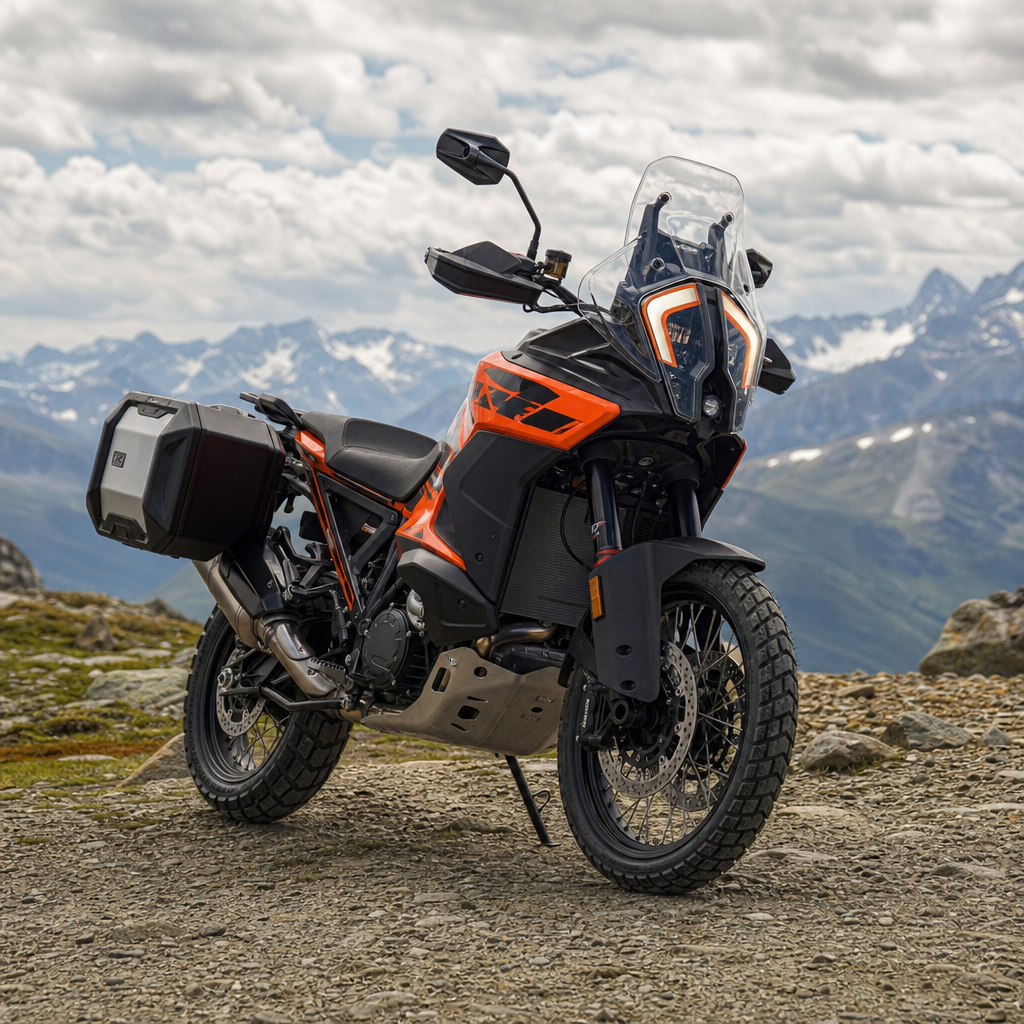
The Kawasaki Z900RS (2026) makes a strong case as the best looking modern-classic on the market because it blends authentic 1970s Japanese superbike design with everyday usability, current chassis engineering, and an engine that feels alive at real road speeds. In the crowded modern-classic category, “modern-classic” means a motorcycle styled to recall a historic model while using contemporary brakes, suspension, electronics, emissions systems, and manufacturing tolerances. “Japanese metrics” refers to the big-bore metric motorcycles built by Japanese manufacturers, usually in contrast to American V-twins and European retro machines. This matters because the segment has matured: buyers no longer choose between charm and competence. They expect both, and the Z900RS sits at the center of that expectation.
I have spent enough time around retro standards to know how often manufacturers get the formula half right. Some bikes look excellent parked outside a café but feel strained in traffic, abrupt at low rpm, or compromised by styling-led ergonomics. Others ride beautifully yet miss the emotional details that make riders stop and look back after parking. The Z900RS has remained relevant because Kawasaki understood from the beginning that a successful retro roadster had to work on three levels at once: visual authenticity, mechanical credibility, and day-to-day comfort. For 2026, that core recipe still speaks directly to riders comparing Japanese modern classics, premium European retros, and naked bikes with throwback paint.
The visual argument starts with proportion. The teardrop fuel tank, ducktail tail section, round headlamp, ribbed seat, and side-cover treatment all point clearly to the Z1 lineage without becoming a costume piece. The bike does not look like a generic naked with retro accessories bolted on; it looks cohesive. Key dimensions matter here. The tank has real visual mass, the tail is compact without appearing chopped, and the engine is presented proudly rather than hidden behind plastic. Kawasaki’s finish quality also carries more weight than spec-sheet readers sometimes admit. Paint depth, casting quality, wheel design, and restraint in the use of brightwork make the Z900RS feel intentional rather than nostalgic for nostalgia’s sake.
It also matters because this model functions as a hub for Japanese metrics more broadly. Anyone researching the Z900RS is usually cross-shopping the Yamaha XSR900, Honda CB1000R used market, Suzuki Katana, Triumph Speed Twin 1200, BMW R 12 nineT, or even older air-cooled UJMs. That means this article must answer the central questions a buyer asks: What makes the 2026 Kawasaki Z900RS special? How does it ride? Is it really practical? What are the tradeoffs? And does its styling still lead the class? The short answer is yes, especially if your idea of the ideal modern-classic includes inline-four smoothness, Japanese reliability, and a design that honors the original superbike era without feeling trapped by it.
Why the Z900RS design still sets the benchmark
The strongest reason many riders call the Kawasaki Z900RS the best looking modern-classic is that it avoids exaggeration. Kawasaki based the visual theme on the 1972 Z1, and the cues are obvious: the tank shape, the brown-and-orange or deep-tone heritage palettes seen across various years, the round instruments, and the rear cowl line. Yet the bike is not a replica. It uses a steel trellis frame, cast wheels, radial tires, modern switchgear, and liquid cooling without trying to disguise them badly. The result is a machine that reads as classic from twenty feet away and premium up close.
Details separate good retro design from excellent retro design. The engine cases have enough visual texture and layered surfaces to look mechanical rather than anonymous. The radiator is integrated cleanly, especially compared with many retro bikes where cooling hardware interrupts the silhouette. The exhaust is particularly important. Kawasaki shaped the 4-into-1 system to preserve the long, flowing visual line associated with old UJMs while meeting modern noise and emissions demands. That is harder than it sounds. Many current bikes gain compliance by adding bulky silencers that visually unbalance the right side. On the Z900RS, the exhaust contributes to the motorcycle’s profile instead of fighting it.
The riding position also supports the aesthetic. Wide bars, a neutral seat-to-peg relationship, and a natural reach prevent the rider from looking perched awkwardly on the bike. That sounds cosmetic, but it is central to why the whole package photographs well and feels right in motion. A retro motorcycle should not force a modern sportbike crouch if its styling promises relaxed roadster manners. Kawasaki kept faith with the category.
Engine character, performance, and real-world ride quality
The 948cc liquid-cooled inline-four is the heart of the Z900RS, and Kawasaki tuned it differently from the standard Z900. That distinction is crucial. Peak output figures get attention, but the RS tune is about stronger midrange response, smoother low-rpm fueling, and a more elastic power delivery that suits public-road riding. In practice, this means the bike pulls cleanly from lower revs, responds predictably when rolling back on the throttle mid-corner, and avoids the slightly edgy feel some naked-bike engines have when they are tuned mainly for peak excitement.
Inline-fours still offer something unique in the modern-classic market. Twins dominate the category because they package easily and produce immediate torque, but a well-tuned four has a turbine-like smoothness and a cultured intake-and-exhaust note that connects directly to the Japanese superbike tradition. On the Z900RS, that matters emotionally as much as dynamically. It feels sophisticated in town, relaxed on the highway, and eager when revved out on a fast back road. Riders who came up around older CBs, GSs, KZs, and XJs often recognize that sensation instantly.
The chassis is equally well judged. Suspension settings favor road compliance over razor-sharp aggression, which is the correct call for a retro standard expected to handle patched pavement, commuting miles, and weekend touring. The bike is stable, confidence inspiring, and easier to ride briskly than its heritage styling might suggest. Radial-mounted brakes and modern tire sizes ensure there is real stopping power and access to current premium rubber. In my experience, this is one of the Z900RS’s biggest strengths: it gives you the atmosphere of a classic Japanese four without the flex, vague damping, and braking compromises that defined the actual era.
How it compares with rival modern-classics
Buyers usually narrow the field to a handful of credible alternatives. The Kawasaki wins on visual authenticity and four-cylinder charisma, but the best choice depends on what you value most.
| Model | Layout | Main Strength | Main Tradeoff |
|---|---|---|---|
| Kawasaki Z900RS | 948cc inline-four | Best balance of heritage styling, smooth power, and daily comfort | Heavier feel than the lightest sporty rivals |
| Yamaha XSR900 | 890cc triple | Sharper electronics package and more aggressive performance feel | Styling is neo-retro rather than truly classic |
| Triumph Speed Twin 1200 | 1200cc parallel-twin | Strong torque and premium retro detailing | Lacks the Japanese inline-four identity many buyers want |
| BMW R 12 nineT | 1170cc boxer twin | High-end finish and iconic engine architecture | Higher cost and a different, less universal style language |
| Suzuki Katana | 999cc inline-four | Bold Japanese heritage with stronger naked-bike performance edge | More futuristic than classic in both ergonomics and design |
The Yamaha XSR900 is probably the closest Japanese rival for riders who want one bike to do everything. It is lighter on its feet, highly capable, and packed with modern rider aids. But visually it belongs to a different design school. The XSR900 mixes retro references with futuristic surfacing, while the Z900RS is more faithful to classic UJM proportion. If your buying decision begins with appearance, Kawasaki usually lands the stronger first impression.
The Triumph Speed Twin 1200 is a serious competitor because it is handsome, polished, and enjoyable at legal speeds. Its torque-rich twin is satisfying, and Triumph understands retro finishing. Still, the Kawasaki occupies a unique lane. There are many excellent retro twins. There are far fewer retro inline-fours with major-manufacturer support, broad dealer networks, and dependable everyday manners. For riders focused on Japanese metrics specifically, that distinction carries real weight.
Japanese metrics, ownership, and long-term practicality
As a hub for Japanese metrics, the Z900RS is important because it represents the modern interpretation of the Universal Japanese Motorcycle formula: upright ergonomics, flexible inline-four power, reliable electrics, sensible maintenance intervals, and broad usability. The original UJMs succeeded because they were not niche machines. They commuted, toured, scratched through canyons, and looked good doing all of it. The Z900RS carries that same spirit better than most retro motorcycles sold today.
Ownership practicality is one reason. Kawasaki parts availability is generally strong, consumables are straightforward, and the engine family has a solid reputation. Liquid cooling, fuel injection, ABS, traction control, and contemporary metallurgy reduce many of the inconveniences associated with true vintage ownership. You still get the emotional appeal of a classic shape, but you are not fiddling constantly with carburetors, reg/rec failures, or marginal period brakes. That matters for riders who love old Japanese bikes but no longer have time for old-bike rituals.
There are tradeoffs. The Z900RS is not the cheapest route into the retro segment, and accessories can raise the cost quickly. Weight is reasonable but not featherlight, especially when compared with more aggressively sporty naked bikes. The suspension is competent rather than exotic, and very fast riders may want upgrades for repeated hard use. Wind protection is limited unless you add a screen. None of those points are dealbreakers, but they are worth stating plainly because the bike is at its best as a refined all-round roadster, not as a bargain special or track-day tool.
Fuel economy is typically respectable for a liter-class inline-four when ridden sanely, and range is good enough for real weekend mileage. The seat and bar relationship suit a wide range of body types better than many café-inspired retros. Passenger accommodation is usable. Insurance often lands in a more manageable place than full-fairing sportbikes with similar displacement. Put simply, the Z900RS is a motorcycle you can own without creating a second job for yourself.
Who should buy the 2026 Kawasaki Z900RS?
The ideal buyer is someone who wants a motorcycle with emotional presence but refuses to sacrifice mechanical civility. If you admire the original Z1, old CB750s, GS1000s, and the broader Japanese superbike lineage, the Z900RS delivers that visual and cultural connection in a package you can ride every day. It is also a smart choice for experienced riders returning to motorcycling. The neutral ergonomics, predictable throttle response, and stable handling make it welcoming, while the engine still has enough depth to remain interesting after the honeymoon period.
It is less ideal for riders who prioritize outright performance per dollar above everything else. A contemporary naked bike without retro styling will usually give you sharper acceleration, lower weight, and more advanced electronics for similar money. Likewise, if you specifically want low-end twin-cylinder thump, the Kawasaki’s smooth inline-four demeanor may feel too polished. But if your brief is “one motorcycle that looks right, sounds right, and works in the real world,” the Z900RS remains near the top of the list.
For collectors and long-term owners, the model also has another advantage: it is likely to age well. Good retro design tends to outlast trend-driven styling, and the Z900RS was restrained from the start. Ten years from now it is more likely to look established than dated. That is an underrated part of value.
The 2026 Kawasaki Z900RS earns its reputation because it gets the fundamentals right in a way few modern-classics manage. It looks authentically Japanese without becoming a museum piece. It rides like a sorted contemporary motorcycle without erasing the character that makes a retro standard special. And it serves as a natural reference point for the entire Japanese metrics category, connecting the old UJM ideal to present-day expectations for reliability, safety, and finish.
If your question is whether it is the best looking modern-classic on the market, the strongest answer is yes, especially among riders who value proportion, restraint, and genuine lineage over trend-heavy styling. More importantly, it is not just beautiful. It is usable, balanced, and satisfying in the ways that matter after the first impression fades. That combination is why the Z900RS continues to stand out in dealer showrooms and on real roads.
For anyone building a shortlist in the New Rides space, start here. Compare the Z900RS against the leading Japanese and European alternatives, sit on one in person, and judge the details up close. In a segment full of stylish motorcycles, this is still one of the few that feels complete.
Frequently Asked Questions
What makes the 2026 Kawasaki Z900RS stand out in the modern-classic category?
The 2026 Kawasaki Z900RS stands out because it does more than simply borrow retro styling cues. It captures the visual spirit of Kawasaki’s legendary 1970s superbikes while delivering the refinement, safety, and everyday usability riders expect from a modern motorcycle. In the modern-classic category, that balance is everything. Plenty of bikes look nostalgic, but fewer manage to feel genuinely connected to a historic machine without becoming compromised or overly theatrical. The Z900RS succeeds because its proportions, tank shape, tail treatment, round headlight, and overall silhouette feel intentional rather than costume-like.
What really strengthens its appeal is that the design is supported by a thoroughly modern platform. Underneath the classic-inspired bodywork, the Z900RS uses current chassis engineering, capable brakes, modern suspension, fuel injection, contemporary emissions compliance, and manufacturing tolerances that make it easy to live with. That means riders get the romance of a vintage Japanese inline-four standard without the common tradeoffs associated with owning an actual 1970s machine, such as vague braking, inconsistent fueling, fragile electrics, or constant tuning demands. It offers the emotional appeal of a classic and the reliability of a new bike.
Another reason it stands apart is its road-focused character. The engine feels lively, smooth, and engaging at real-world speeds, which matters more than headline performance for most riders shopping in this class. The Z900RS does not try to be a pure nostalgia piece or a stripped-down performance naked with retro paint. Instead, it lands in a sweet spot: handsome, usable, charismatic, and polished. For many riders, that combination is exactly why it makes such a strong case as one of the best-looking and most complete modern-classics on the market.
Is the Kawasaki Z900RS really one of the best-looking modern-classic motorcycles available?
Yes, it has a very strong argument, and much of that comes down to how convincingly it blends authenticity with restraint. Good motorcycle design is often about proportion, and the Z900RS gets that right. The bike avoids the exaggerated, overly busy styling details that can make some modern retros look forced. Its lines are clean, the fuel tank has a proper presence, the tail section is tidy, and the round lighting and classic-inspired details work together without feeling gimmicky. It looks like a motorcycle designed by people who understood why the original Japanese superbikes were so admired in the first place.
The term “modern-classic” can sometimes be used loosely, but in this case it fits. A modern-classic is a bike that visually recalls a historic model while using modern engineering underneath. The Z900RS embodies that definition well. It channels the era of Japanese “metric” superbikes—machines from Kawasaki, Honda, Suzuki, and Yamaha that helped define performance motorcycling in the 1970s and early 1980s—without becoming an exact replica. That matters, because the best retros do not need to copy every detail; they need to capture the mood, stance, and identity of the original era while remaining functional and contemporary.
Of course, beauty is subjective, and some riders may prefer the British-inspired look of other retro roadsters or the sharper, more aggressive lines of neo-retro alternatives. But if the question is whether the Z900RS deserves to be in the top tier on appearance alone, the answer is absolutely yes. It has presence without excess, nostalgia without parody, and enough visual honesty to appeal both to longtime enthusiasts and to newer riders who simply want a motorcycle that looks timeless.
How does the Z900RS compare with other modern-classic motorcycles in terms of everyday usability?
One of the Z900RS’s biggest strengths is that it is remarkably easy to use every day. This is where it separates itself from many bikes that are attractive in photos but less convincing on real roads. The riding position is generally upright and natural, the controls are straightforward, the engine is smooth and flexible, and the bike is engineered to behave predictably in a wide range of riding situations. Whether you are commuting, taking a weekend back-road ride, or simply enjoying an evening loop through town, the Z900RS tends to feel cooperative rather than demanding.
That usability starts with the power delivery. Instead of chasing a peaky, high-strung personality, the bike delivers accessible performance where road riders actually use it. There is enough punch to feel exciting, but it is not tuned in a way that constantly pressures the rider to rev the engine hard just to access the fun. The result is a machine that feels alive at ordinary speeds, which is exactly what many buyers in the modern-classic segment want. The suspension, brakes, and chassis also contribute to this sense of balance, giving the rider modern confidence without stripping away character.
Compared with some rivals, the Z900RS also benefits from Kawasaki’s reputation for solid engineering and dependable ownership. Riders looking at the modern-classic market often want style, but they also want a bike that starts reliably, idles cleanly, requires normal modern maintenance, and does not feel precious. The Z900RS fits that brief well. It delivers the visual warmth of a classic-era machine while maintaining the practical advantages of a contemporary motorcycle, which is a major reason it remains so compelling in a crowded field.
Is the 2026 Kawasaki Z900RS more about style than performance?
Not at all. Style is a major part of the appeal, but the Z900RS is not merely a fashion exercise. Its performance is tailored to real-world enjoyment rather than spec-sheet one-upmanship, and that is an important distinction. The engine has character, responsiveness, and enough strength to make the bike feel genuinely exciting on public roads. Rather than being an extreme machine that only comes alive at very high rpm or on a racetrack, it offers usable, satisfying performance across the rev range. That makes it more approachable and, for many riders, more enjoyable more often.
The chassis is another reason the bike is more than just a pretty object. Modern suspension, competent braking hardware, and a well-developed frame give the rider confidence when the road gets interesting. The Z900RS does not need to be the fastest or most aggressive bike in its class to be impressive. In this segment, the goal is usually to combine rider engagement, comfort, and visual appeal in a package that works in the real world. Kawasaki appears to understand that well, and the Z900RS reflects that understanding in the way it rides.
In fact, part of the bike’s success is that it avoids chasing performance in a way that would undermine its identity. A modern-classic should not feel dull, but it also should not abandon its core mission in pursuit of numbers. The Z900RS manages to feel polished, energetic, and authentically mechanical without becoming intimidating or sterile. So while its looks attract attention first, its performance is substantial enough to justify the interest and strong enough to keep riders invested long after the visual novelty wears off.
Who is the ideal rider for the Kawasaki Z900RS, and is it a good buy in 2026?
The ideal rider for the Kawasaki Z900RS is someone who wants emotional appeal without giving up modern convenience. That includes experienced riders who remember or admire the golden age of Japanese superbikes, as well as newer enthusiasts who want a motorcycle with personality, visual heritage, and day-to-day practicality. It is especially well suited to riders who value design, engine character, and road manners over outright track-focused aggression. If you want a bike that feels special every time you open the garage but still works reliably as a regular road machine, the Z900RS makes a lot of sense.
It is also a smart choice for riders who appreciate the Japanese approach to the retro segment. While many modern-classics lean heavily into British or European cues, the Z900RS offers a distinctly Japanese interpretation of heritage performance. That gives it a unique place in the market. It appeals to buyers who want something with genuine lineage, but not necessarily something that imitates the café-racer stereotype or over-romanticizes the past. The bike feels rooted in a real performance history, and that authenticity gives it lasting appeal.
As a buy in 2026, it remains highly convincing because its formula still feels relevant. Good design ages well, and the Z900RS has a design language that tends to hold up better than trend-driven alternatives. Combine that with modern reliability, approachable performance, broad usability, and strong visual identity, and it becomes easy to see why so many riders continue to rate it so highly. If your priorities include style, heritage, comfort, and an engaging inline-four experience at sane road speeds, the 2026 Kawasaki Z900RS is not just a good buy—it is one of the most complete choices in the entire modern-classic segment.