Forged carbon wheels and traditional alloy wheels represent two very different approaches to reducing unsprung mass, controlling strength, and shaping the future of motorcycle and automotive fabrication tech in 2026. In this hub, forged carbon refers to compression-molded chopped carbon fiber reinforced polymer, while traditional alloy usually means cast or forged aluminum, and sometimes magnesium, used in production and aftermarket wheels. Weight comparison matters because every kilogram removed from a wheel affects acceleration, braking, steering feel, suspension response, and rotational inertia more dramatically than the same kilogram removed from the chassis. After working with custom builders, wheel suppliers, and composite fabricators, I have seen that buyers often focus on headline weight alone and miss the broader fabrication context: 3D printing for prototyping and tooling, carbon manufacturing for final parts, and advanced wiring methods that support modern custom builds. This article serves as the central guide to that ecosystem, explaining how forged carbon wheels compare with alloy in real numbers, where each material wins, how fabrication methods change the result, and how builders should evaluate performance, durability, repairability, cost, and compliance before committing to a 2026 project.
What forged carbon wheels actually are, and how they differ from alloy wheels
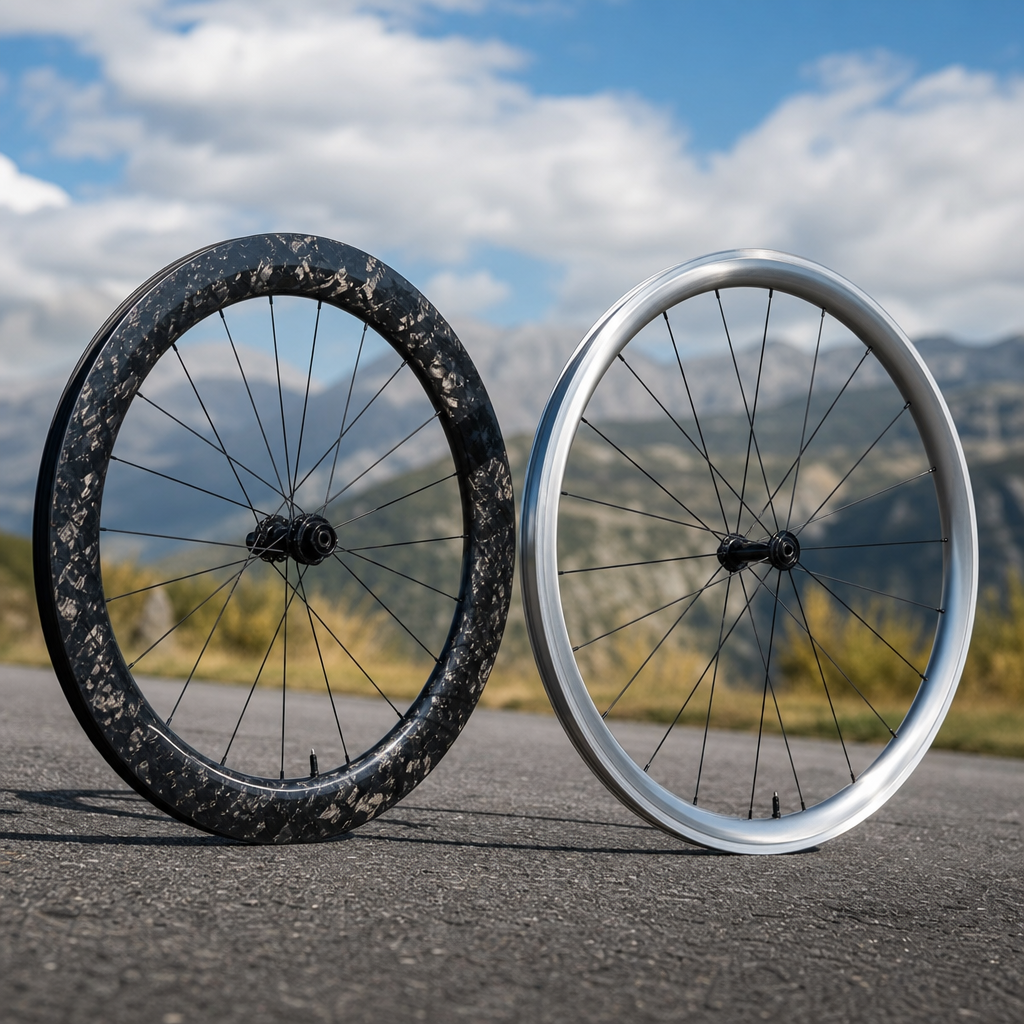
Forged carbon wheels are not forged in the metallurgical sense used for aluminum or steel. The term describes chopped carbon fiber mixed with resin, placed into a mold, then compressed under heat and pressure to create a dense composite part with a distinctive marbled appearance. Some manufacturers use forged carbon in cosmetic components only, but serious wheel makers engineer load paths, fiber orientation strategies, and resin systems specifically for impact resistance, stiffness, and fatigue performance. Traditional alloy wheels, by contrast, are made from aluminum alloys through casting, flow forming, or true forging. A forged aluminum wheel starts as a billet or slug and is mechanically worked into shape, aligning grain structure and generally improving strength-to-weight performance over cast wheels.
The practical distinction is important because material properties and manufacturing routes determine real-world weight. A cheap cast aluminum wheel can be significantly heavier than a forged aluminum wheel of the same size. Likewise, not every carbon wheel is automatically lighter than a premium forged alloy design. In workshops, I have weighed entry-level cast sportbike wheels that were nearly 20 to 30 percent heavier than high-end forged alternatives, but the spread narrows when comparing top-tier forged aluminum against well-engineered carbon. For builders researching fabrication tech, this is the first principle: compare wheel category to wheel category, not marketing term to marketing term.
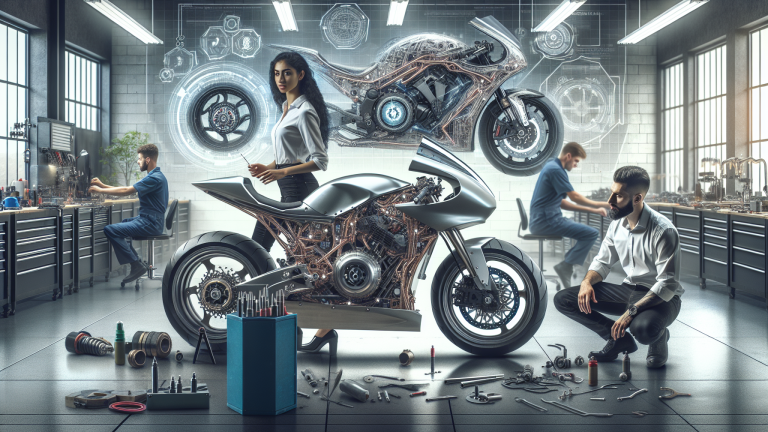
As a hub for fabrication tech, this matters beyond wheels. The same manufacturing literacy applies to 3D printing and wiring. A printed nylon bracket can outperform a poorly designed billet part if load cases are understood. A carbon cover can fail if resin cure and insert bonding are wrong. A custom wiring harness can be elegant and lightweight yet unreliable if shielding, strain relief, and current capacity are ignored. Material choice only makes sense when manufacturing process, engineering targets, and use case are considered together.
2026 weight comparison: forged carbon wheels versus traditional alloy
In 2026, the most useful answer to the question “Are forged carbon wheels lighter than alloy?” is yes, usually, but the margin depends on diameter, width, application, and the alloy wheel’s manufacturing method. On average, a forged carbon wheel for a performance motorcycle or sports car comes in around 10 to 25 percent lighter than a comparable forged aluminum wheel, and 20 to 40 percent lighter than a basic cast aluminum wheel. Front wheel savings are often smaller in absolute kilograms than rear wheel savings, but both matter because reducing rotational mass improves turn-in and suspension tracking.
For motorcycles, a forged carbon 17-inch front wheel commonly lands around 2.5 to 3.2 kilograms, with rears in the 3.8 to 5.2 kilogram range depending on width and hub design. Equivalent forged aluminum wheels may sit closer to 3.2 to 4.0 kilograms front and 4.8 to 6.2 kilograms rear. Cast aluminum can run heavier still. In cars, the comparison gets wider because brake package, offset, and spoke design change mass quickly. A 19-inch forged carbon wheel for a high-performance coupe may save 2 to 4 kilograms per corner over forged aluminum, while a 20-inch SUV application may see a smaller percentage advantage due to higher load requirements.
| Wheel type | Typical manufacturing method | Approximate weight trend in 2026 | Common use case |
|---|---|---|---|
| Cast aluminum alloy | Gravity or low-pressure casting | Heaviest baseline | OEM and budget aftermarket |
| Flow-formed aluminum alloy | Cast center with spun barrel | Mid-range, lighter than cast | Street performance |
| Forged aluminum alloy | Billet or slug forged under high pressure | Light, strong benchmark | Track, premium street, motorsport-inspired builds |
| Forged carbon composite | Compression-molded chopped carbon composite | Usually lightest complete wheel | High-end performance and exotic custom builds |
Those numbers are directional, not universal. TUV certification, DOT and JWL requirements, impact test protocols, and intended payload can shift designs noticeably. A road-legal wheel built for potholes, passenger weight, and long service intervals will not match a competition-only wheel built around tight inspection cycles. The best weight comparison always uses same-size, same-offset, same-load-rated wheels from credible manufacturers.
Why wheel weight matters more than many builders realize
Weight at the wheel affects performance in three linked ways: unsprung mass, rotational inertia, and gyroscopic effect. Unsprung mass is the portion not supported by the suspension springs, including wheels, tires, brake assemblies, and parts of the hub. Lower unsprung mass helps the suspension react faster to surface changes, keeping the tire in better contact with the road. Rotational inertia is the resistance of a spinning object to changes in speed; lighter mass farther from the hub reduces the energy needed to accelerate and decelerate the wheel. Gyroscopic effect influences steering behavior, especially on motorcycles, where lighter wheels can produce quicker turn-in and easier side-to-side transitions.
In practice, a two-kilogram reduction at each corner often feels more dramatic than a similar total reduction from body panels or seat hardware. On a custom sportbike, I have seen riders immediately notice easier flickability after switching from cast wheels to forged carbon, even before lap times confirmed the change. In automotive builds, reduced wheel mass can improve ride quality over broken pavement because the damper has less mass to control. That said, wheel weight is not a magic fix. Tire choice, alignment, spring rates, damping curves, and brake setup still determine whether the vehicle feels composed or nervous.
This logic also connects directly to the wider fabrication tech stack. Builders use 3D printing to optimize brackets, ducts, and electronics mounts so mass is saved where it matters and design iteration happens quickly. Carbon fabrication expands that savings into structural or semi-structural components such as airboxes, fairings, seat units, and sometimes subframes. Modern wiring then supports lightweight batteries, compact ECUs, and sensor-rich systems without adding unnecessary harness bulk. The best custom builds in 2026 are not simply lighter; they are intentionally engineered.
How 3D printing supports wheel development and modern composite fabrication
3D printing is a core enabler in the same fabrication tech conversation as forged carbon wheels because it shortens development cycles and reduces the cost of testing ideas. Builders now routinely print center cap prototypes, brake duct mockups, caliper clearance gauges, hub adapters, mold patterns, and even sacrificial tooling used in composite layup. Fused deposition modeling with nylon, carbon-filled nylon, ABS, ASA, and polycarbonate remains common for affordable prototyping. Selective laser sintering and multi-jet fusion are increasingly used when isotropy, surface consistency, and better heat resistance are needed.
For carbon work, printed tools are especially valuable. A builder can print a plug, refine fit against the actual vehicle, scan the result, then machine or finish the final mold. That approach reduces waste and helps confirm spoke clearance, valve stem positioning, or fender envelope before expensive composite production begins. In low-volume custom work, printed jigs also improve repeatability during trimming, insert placement, and bonding. The result is fewer dimensional surprises and better quality control.
There are limits. Printed parts are often ideal for prototypes and fixtures, not final load-bearing wheel components. Layer adhesion, heat deflection temperature, creep behavior, and chemical compatibility still matter. A printed sensor bracket near a brake rotor must survive heat cycling, vibration, and debris. A printed electronics tray under a seat must handle fuel vapor and UV exposure if not enclosed. The most capable builders treat 3D printing as a tool within a process, not a shortcut that overrides engineering judgment.
Carbon beyond wheels: what builders should know about fabrication, durability, and repair
Carbon fabrication in 2026 spans forged carbon, traditional woven prepreg, vacuum infusion, wet layup for noncritical pieces, and hybrid laminates that combine fiberglass, aramid, or metal inserts. Forged carbon has design freedom and can produce complex shapes efficiently once tooling is established, but woven carbon still offers visual consistency and highly controllable directional stiffness. For fairings, trim, and intake components, the choice often comes down to appearance, required stiffness, surface finish, and production volume. For highly stressed parts, laminate schedule, fiber orientation, and insert design matter more than the material label on the product page.
Durability is where informed buyers separate marketing from engineering. Carbon composite does not corrode like aluminum, but it can suffer impact damage, delamination, matrix cracking, and hidden structural compromise after a hard strike. Good wheel manufacturers design for impact performance and validate through radial fatigue, cornering fatigue, and curb or drop testing. They also control resin content, cure cycles, and nondestructive inspection methods. In contrast, a low-quality composite part may look premium yet contain voids, poor compaction, or weak insert bonding.
Repairability is another tradeoff. Aluminum wheels can sometimes be straightened or refinished, depending on damage and local regulations. Carbon wheels demand specialist inspection and, in many cases, replacement rather than repair after severe impact. The same pattern applies across custom fabrication. A carbon airbox may save weight and improve packaging but can be harder to modify later than an aluminum fabricated unit. Builders should plan the full life cycle of the part, not just the unboxing moment.
Wiring technology: the overlooked third pillar of advanced custom fabrication
Wiring may seem unrelated to forged carbon wheels, but in the best custom shops it is part of the same discipline: reducing mass, improving packaging, and increasing system reliability through better fabrication methods. Modern custom motorcycles and cars increasingly use motorsport-grade wiring practices such as TXL, GXL, or Tefzel wire, concentric twisting, Raychem DR-25 heat shrink, adhesive-lined boots, autosport connectors, and sealed Deutsch DT or DTM connectors where appropriate. Proper harness design can save weight, simplify troubleshooting, and reduce failure points compared with spliced, oversized universal looms.
In 2026, the pressure on wiring design is higher because builds now integrate ride-by-wire throttles, CAN bus devices, compact ECUs, keyless modules, quickshifters, GPS trackers, LED lighting, data loggers, and lithium battery management systems. A poorly planned harness can erase gains made elsewhere by adding clutter, voltage drop, electrical noise, and maintenance headaches. I have reworked custom harnesses that looked neat externally but failed because sensor grounds were shared incorrectly, branch points lacked strain relief, or unsealed connectors were mounted in spray zones.
The builders getting this right document every circuit, label every branch, calculate current load properly, and route wiring with heat, motion, and service access in mind. They also integrate 3D-printed clips and channels where useful, then pair those with composite panels or undertrays designed around the harness from the beginning. That coordination is what makes fabrication tech valuable as a system rather than a collection of fashionable parts.
How to choose between forged carbon and alloy for a 2026 custom build
The best wheel choice depends on use case, budget, risk tolerance, and the rest of the build. Choose forged carbon wheels when minimizing rotational mass is a top priority, the vehicle will benefit from faster steering response and suspension compliance, and you are buying from a manufacturer with transparent testing, clear load ratings, and documented fitment. They make the most sense on high-end sportbikes, exotic restomods, premium track-focused street cars, and showcase customs where performance and advanced materials are central to the concept.
Choose forged aluminum when you want excellent strength-to-weight, easier serviceability, broader price options, and proven durability for mixed street use. Forged alloy remains the value benchmark because it captures much of the performance gain over cast wheels without the cost and impact sensitivity concerns associated with composites. Cast or flow-formed alloy can still be sensible for daily-driven projects, heavier vehicles, or builds where funds are better spent on tires, dampers, brakes, geometry correction, or professional wiring.
For any wheel purchase, verify certification, load rating, brake clearance, offset, bearing compatibility, tire fitment, and replacement part availability. Ask about impact testing, warranty terms, recommended torque procedures, and inspection intervals. Then zoom out and evaluate the complete fabrication plan. If you are adding lightweight wheels but keeping a crude harness, poor suspension setup, and unvalidated printed brackets, the build will not feel coherent. The strongest 2026 projects treat 3D printing, carbon, and wiring as linked disciplines that support speed, reliability, and craftsmanship together.
Forged carbon wheels are usually lighter than traditional alloy in 2026, but the smartest comparison is never carbon versus metal in isolation; it is tested wheel versus tested wheel within a complete fabrication strategy. Forged carbon typically delivers the biggest weight savings and the sharpest response, while forged aluminum remains the most balanced option for cost, resilience, and broad real-world usability. Around that decision sits the wider fabrication tech landscape: 3D printing for rapid development and tooling, carbon manufacturing for efficient lightweight structures, and advanced wiring for dependable modern integration. Builders who understand all three make better choices, avoid expensive mismatches, and create machines that perform as well as they look. Use this hub as the starting point for deeper research into each subtopic, then audit your own project part by part before you buy, print, laminate, or wire anything.
Frequently Asked Questions
1. Are forged carbon wheels actually lighter than traditional alloy wheels in 2026?
In many cases, yes, forged carbon wheels are lighter than traditional alloy wheels in 2026, but the real answer depends on what kind of alloy wheel you are comparing them to. If the baseline is a conventional cast aluminum wheel, forged carbon will often deliver a clear weight advantage. If the comparison is against a premium forged aluminum wheel or a magnesium performance wheel, the difference may be smaller, and in some applications it can become surprisingly close. That is why broad claims like “carbon is always lighter” are not as useful as model-specific weight data.
The reason forged carbon can reduce mass is tied to both material behavior and manufacturing method. Compression-molded chopped carbon fiber reinforced polymer allows engineers to place strength where it is needed while avoiding some of the extra material typically required in metal wheel designs. With traditional alloy wheels, especially cast aluminum, manufacturers often build in more bulk to achieve durability, fatigue resistance, and impact tolerance. That added material increases weight, particularly around the barrel and spoke structure, where every gram matters because it contributes to rotational inertia as well as unsprung mass.
In practical terms, forged carbon wheels tend to show their biggest advantage over heavier OEM cast wheels. Against forged aluminum, however, the gap narrows because forged alloy wheels are already optimized for strength-to-weight efficiency. So the most accurate takeaway for 2026 is this: forged carbon is often lighter, especially versus mainstream alloy wheels, but premium alloy technologies still remain highly competitive depending on wheel size, load rating, and intended use.
2. Why does wheel weight matter so much for performance, handling, and ride quality?
Wheel weight matters because it affects more than simple vehicle mass. Wheels are part of the unsprung mass of a car or motorcycle, meaning they move directly with the suspension rather than being supported by it. Reducing unsprung mass generally helps the suspension react more quickly to bumps, improves tire contact with the road, and can make the vehicle feel more responsive. This is one reason wheel upgrades are often discussed in performance circles even when the raw weight savings seem modest on paper.
There is also the issue of rotational inertia. A wheel is not just something the engine or motor has to move forward; it also has to be spun. Weight located farther from the hub has a larger effect on how quickly the wheel accelerates or decelerates. That means reducing mass at the rim and outer barrel can improve acceleration, braking response, steering sharpness, and the overall sense of agility. A few kilograms removed from wheels can feel more significant than the same amount removed from a body panel or seat because rotating mass has a disproportionate influence on vehicle behavior.
For motorcycles, this effect is especially noticeable. Lighter wheels can make turn-in feel quicker, transitions more effortless, and suspension compliance more refined. For cars, the gains show up in steering precision, reduced harshness over imperfect pavement, and sometimes even marginal efficiency improvements. In short, wheel weight matters because it influences the way a vehicle rides, turns, accelerates, and stops, not just the number on the scale.
3. How do forged carbon wheels compare with cast aluminum, forged aluminum, and magnesium wheels?
Forged carbon wheels occupy a different engineering category from metal wheels, so a fair comparison needs to account for manufacturing process, strength targets, repairability, and real-world use. Cast aluminum wheels are generally the most affordable and most common, but they are usually also the heaviest of the group because casting often requires more material to achieve durability and safety margins. Forged aluminum wheels are typically lighter and stronger than cast aluminum because the forging process refines the metal structure and allows for more efficient designs. Magnesium wheels can be extremely light and have long been associated with top-tier motorsport and premium applications, though they bring their own cost, corrosion, and maintenance considerations.
Forged carbon wheels are attractive because they can combine low weight with design flexibility and a distinctive advanced-material identity. Compared with cast aluminum, they often represent a meaningful leap in weight savings. Compared with forged aluminum, they may still be lighter, but not always by a dramatic margin. Compared with magnesium, the outcome can vary widely by design and application. Some magnesium wheels remain exceptionally difficult to beat on pure weight alone, especially in niche high-performance settings.
Where forged carbon stands out in 2026 is in the broader balance of technology, branding, and material innovation. It signals next-generation fabrication, and manufacturers continue improving resin systems, molding control, and structural validation. That said, traditional alloy wheels remain highly relevant because they have mature production methods, predictable impact behavior, and often lower replacement costs. So while forged carbon is a serious contender in the weight race, the “best” option still depends on whether the priority is absolute lightness, durability, budget, everyday drivability, or track-focused performance.
4. Are forged carbon wheels as strong and durable as traditional alloy wheels for daily driving?
They can be, but strength and durability should never be judged by material label alone. A properly engineered forged carbon wheel can be extremely strong and fully suitable for road use, but its behavior under stress is different from aluminum or magnesium. Traditional alloy wheels deform in more familiar ways under impact. Carbon-based structures can be exceptionally stiff and strong, yet they require precise engineering to manage impact loads, fatigue cycles, curb strikes, potholes, and heat exposure. This is why certification, testing standards, and manufacturer reputation matter more than marketing language.
In daily driving, the biggest question is not whether forged carbon can survive normal use, but whether the wheel has been designed and validated for that use case. High-quality forged carbon wheels from reputable manufacturers are typically tested for radial fatigue, cornering fatigue, impact resistance, and environmental durability. If those standards are met, they can absolutely function well in daily service. However, buyers should be cautious with low-volume brands, unclear testing claims, or products that prioritize appearance over engineering data.
Traditional alloy wheels still have advantages in practicality. They are often easier to inspect, more widely understood by repair shops, and generally less expensive to replace if damaged. Forged carbon wheels may offer lower weight and cutting-edge appeal, but owners need to be more disciplined about inspection after significant impacts and should follow manufacturer guidance closely. So the short answer is yes, forged carbon wheels can be durable enough for daily driving, but only when they come from a trustworthy source with transparent testing and real-world validation.
5. Is the weight savings from forged carbon wheels worth the higher cost compared with traditional alloy?
That depends on the vehicle, the driver, and the goal of the upgrade. If the comparison is between forged carbon and a basic cast aluminum wheel, the performance and weight benefits may be obvious, but the cost difference can still be substantial. If the comparison is against a premium forged aluminum wheel, the decision becomes more nuanced because the buyer may be paying significantly more for a smaller incremental weight reduction. In other words, forged carbon often delivers the most compelling value when every bit of unsprung and rotational mass matters, not necessarily when the goal is simply to get a lighter wheel at the lowest price.
For enthusiasts focused on track use, high-end road performance, or advanced fabrication technology, the answer may well be yes. Reduced wheel weight can sharpen steering, improve acceleration and braking feel, and enhance suspension response in ways that are immediately noticeable. On motorcycles and performance cars, those benefits can be meaningful enough to justify the premium for riders and drivers who are highly sensitive to chassis behavior. There is also a prestige factor: forged carbon carries a strong innovation narrative that appeals to buyers who want the latest material technology in 2026.
For everyday commuters or budget-conscious owners, however, high-quality forged aluminum wheels may represent the smarter value. They can offer substantial weight savings over cast wheels while maintaining strong durability, broad serviceability, and lower replacement cost. So if the question is whether forged carbon is “worth it,” the best answer is this: it is worth it when the buyer genuinely values the last layer of performance, reduced unsprung mass, and advanced materials engineering. If the priority is practical weight reduction with better cost efficiency, traditional alloy—especially forged aluminum—still makes a very strong case.