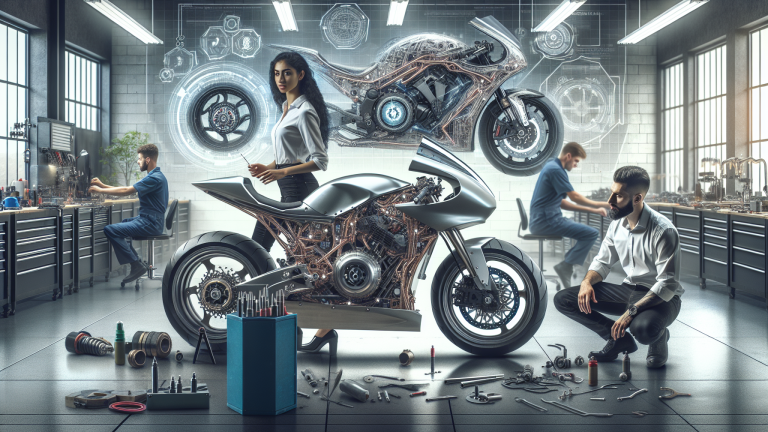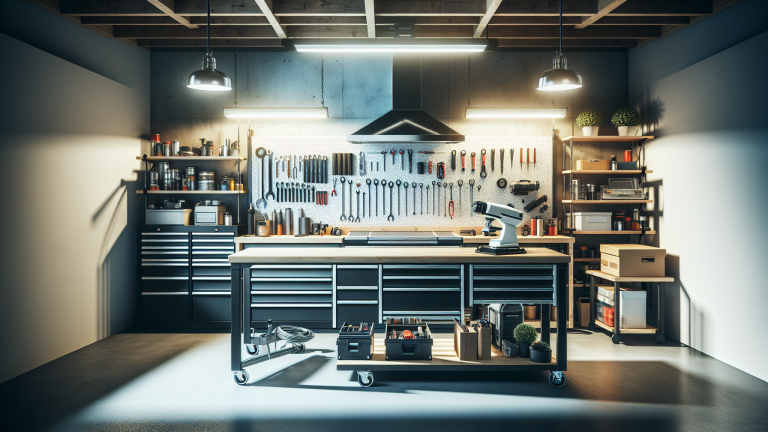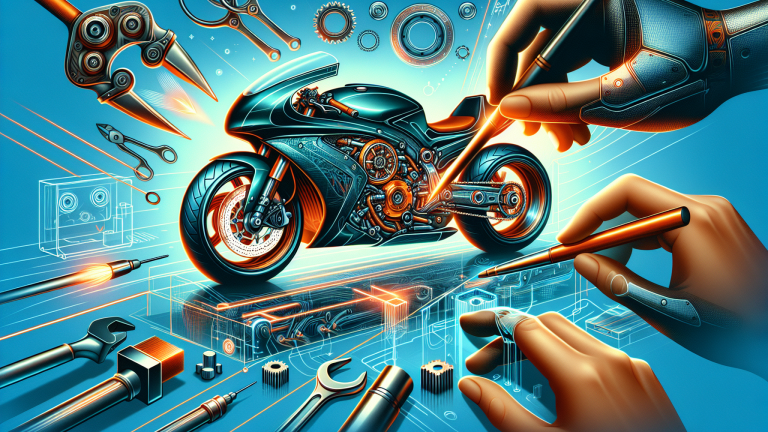
Hand-built motorcycles sit at the crossroads of engineering, design, and identity, and the builders shaping their future are redefining what custom culture means. In my experience visiting workshops, speaking with fabricators, and watching raw tubing become rolling art, the most important shift is clear: modern builder profiles are no longer just romantic stories about lone mechanics. They document process, philosophy, materials, business models, and the changing expectations of riders who want individuality without sacrificing reliability. A hand-built motorcycle is typically a machine significantly modified or fabricated by an individual builder or small shop, often involving custom frames, bodywork, wiring, suspension geometry, engine tuning, and one-off finishes. The term builder profile refers to a deep look at the people behind those machines: their methods, influences, signature techniques, and the role they play in the wider custom motorcycle ecosystem. This matters because custom culture is evolving fast. Emissions rules are tightening, younger riders discover builders through Instagram and YouTube before they ever visit a garage, and clients increasingly expect craftsmanship backed by documentation, safety, and serviceability. The future of hand-built motorcycles depends on understanding the visionaries who can balance artistry with real-world use. This hub article on builder profiles explains who these builders are, how they work, which trends are defining the next era, and what readers should study as they explore the craft, the businesses, and the personalities pushing the scene forward.
What Defines a Modern Motorcycle Builder Profile
A strong motorcycle builder profile does more than list bikes and awards. It explains a builder’s origin story, technical background, preferred platforms, fabrication strengths, aesthetic language, and customer philosophy. The best profiles answer practical questions that enthusiasts and potential clients always ask: What does this builder actually make? Are they known for choppers, café racers, trackers, performance baggers, or vintage restorations? Do they fabricate frames in-house, machine billet components, scan parts digitally, or outsource paint and engine work? I have found that readers trust profiles when they include details such as TIG welding capability, CAD use, metal shaping methods, dyno tuning practices, and whether the shop builds fully ride-tested bikes or primarily concept pieces. A useful profile also names influences. A builder working in the lineage of Arlen Ness, Shinya Kimura, Roland Sands, or the Japanese zero-style movement is telling you something concrete about proportion, finish, and intent.
These details matter because hand-built motorcycles are increasingly judged by standards once reserved for OEM manufacturers. Buyers want clean wiring looms, proper brake line routing, safe trail measurements, and documentation for registration. As a result, the modern builder profile has become part portfolio, part technical case study, and part trust signal. For a custom culture hub, builder profiles serve as the connective tissue linking style categories, fabrication tutorials, event coverage, and motorcycle buying advice.
The New Generation of Visionaries
The future of hand-built motorcycles is being shaped by a wider mix of builders than ever before. Traditional independent fabricators still anchor the scene, but they now work alongside industrial designers, former race technicians, digital modelers, and multidisciplinary artists. That diversity is changing both the look of custom bikes and the way shops operate. Some builders start with vintage Triumph or Harley-Davidson platforms and preserve mechanical character while refining geometry, weight, and ergonomics. Others begin with Ducati, Yamaha, BMW, or Royal Enfield donors and use modern electronics, fuel injection, and CNC machining to achieve cleaner integration and greater reliability. The new generation is less interested in building impractical showpieces for static display and more focused on creating motorcycles that can survive city traffic, canyon roads, and long-distance travel.
One pattern I see repeatedly in successful builder profiles is fluency across analog and digital disciplines. A visionary builder may hammer aluminum bodywork by hand yet also model mounting points in Fusion 360, use a 3D printer to prototype brackets, and finish the bike with motorsport-grade wiring practices. This hybrid skill set matters because it shortens iteration cycles and reduces expensive mistakes. It also allows custom shops to serve clients who want a truly bespoke machine without accepting the unreliability that gave old-school customs a mixed reputation. The builders worth following today are not rejecting tradition; they are filtering it through better tools and stricter standards.
How Leading Builders Balance Art, Engineering, and Use
The defining challenge in hand-built motorcycles is balance. A bike can look extraordinary and still fail as a motorcycle if the seat-to-peg relationship is punishing, the exhaust cooks the rider’s leg, or the suspension travel is effectively decorative. The best builder profiles reveal how accomplished shops make tradeoffs. They discuss rake and trail in understandable terms, explain why wheel size affects steering and stance, and show how tank shape changes rider fit. Builders who earn long-term respect usually obsess over invisible decisions: battery placement for center of gravity, heat shielding for electronics, access panels for maintenance, and vibration management on rigidly mounted engines.
In interviews, top builders often return to one principle: every visual choice has a mechanical consequence. A low slung silhouette may require careful shock tuning to avoid bottoming out. A minimalist subframe may look elegant but must still support a passenger or luggage if the brief demands it. A hidden wiring setup saves visual clutter only if connectors remain accessible. This is why serious clients read builder profiles closely. They want to know whether a shop understands motorcycle dynamics, not just mood boards. Shops with enduring reputations usually validate their designs through test miles, customer feedback loops, and revisions across multiple builds.
Builder Profiles by Specialty and Shop Model
Not all builders serve the same rider or create value in the same way. Some are atelier-style artisans building two to six motorcycles a year with extreme customization, hand-shaped metal, and long lead times. Others run scalable studios producing limited series packages, bolt-on kits, or branded parts that translate a signature look into a more accessible product. There are also restoration-focused builders specializing in period-correct details, matching-number engines, and historically accurate finishes, as well as performance-first shops centered on suspension, brakes, engine mapping, and track-tested ergonomics.
For a hub page focused on builder profiles, categorization helps readers navigate the field intelligently. A collector shopping for a one-off Vincent-inspired machine needs different information than a daily rider commissioning a practical custom Sportster. The profile should note whether the builder welcomes client collaboration, what budget range is typical, how legal compliance is handled, and whether after-sale support exists. Builders who publish their process, warranty terms, and maintenance expectations tend to attract stronger clients and fewer unrealistic inquiries.
| Builder Type | Typical Strength | Common Donor Bikes | Best Fit for Readers |
|---|---|---|---|
| Artisan one-off shop | Hand fabrication, unique styling, rare details | Harley-Davidson, Triumph, BMW airheads | Collectors and riders wanting a signature motorcycle |
| Performance custom studio | Suspension, brakes, tuning, road-tested setups | Ducati, Yamaha, Indian, late-model Harley | Riders who prioritize speed and usability |
| Restoration specialist | Historical accuracy, sourcing, period finishes | Norton, BSA, Honda CB series | Enthusiasts preserving heritage machines |
| Limited-series brand | Repeatable quality, parts availability, scalable design | Royal Enfield, Triumph, BMW, Moto Guzzi | Buyers wanting custom character with support |
Technology Reshaping Hand-Built Motorcycles
Technology is not replacing craftsmanship; it is sharpening it. Computer-aided design allows builders to visualize stance, clearances, and component packaging before cutting metal. CNC machining makes it possible to produce repeatable yokes, rearsets, caliper brackets, and triple clamps with tighter tolerances than many small shops could achieve manually. 3D scanning helps when adapting modern forks to vintage frames or building bodywork around irregular engine cases. Even relatively affordable tools like laser levels, compact oscilloscopes for electrical diagnosis, and wideband oxygen sensors for fuel tuning have changed the baseline of what a competent custom shop can deliver.
Electronics are an especially important frontier. A future-facing builder must understand CAN bus systems, ride-by-wire throttles, ABS integration, and ECU remapping limitations. On older carbureted bikes, the challenge may be reliability and clean simplification. On modern donor bikes, the challenge is preserving functionality while customizing aggressively. Builders who can integrate Motogadget controls, lithium battery systems, modern charging solutions, and neatly loomed wiring harnesses have a competitive advantage because customers increasingly expect everyday dependability. The same goes for materials. Chromoly tubing, aerospace-grade aluminum, Cerakote finishes, and additive-manufactured prototypes are now common references in serious workshops. The most compelling builder profiles show where these technologies improve the bike and where traditional methods still deliver superior feel or aesthetics.
The Business Reality Behind the Dream
Romantic storytelling often hides the financial and operational complexity of custom motorcycle building. The most insightful builder profiles examine how visionary shops survive. Margins on complete builds can be thin once design revisions, fabrication hours, outsourced coating, premium hardware, and troubleshooting are included. Many respected builders diversify through parts sales, branded apparel, workshop content, consulting, or service work on customer bikes. This is not a side note; it directly shapes the future of the industry. Shops with recurring revenue can invest in better tooling, staff training, and quality control, while shops relying only on sporadic commissions often struggle to maintain consistency.
Lead times and communication are another dividing line. Clients commissioning a hand-built motorcycle are not simply buying parts and labor; they are entering a collaborative process that may last months or years. Clear milestone invoicing, design sign-off procedures, and realistic delivery windows protect both sides. The strongest shops behave like disciplined small manufacturers. They document parts lists, maintain supplier relationships, and design for serviceability. As readers explore builder profiles, these operational signals are just as important as beautiful photography because they indicate whether the builder can deliver a machine that is legal, maintainable, and worthy of its price.
Sustainability, Regulation, and the Next Design Language
The future of hand-built motorcycles will also be shaped by regulation and environmental pressure. Noise restrictions, emissions compliance, and registration rules vary by country and state, but they increasingly influence which projects are viable. Builders can no longer assume that stripped-down customs with deleted systems will be practical for all clients. As a result, the next design language is becoming more sophisticated. Instead of removing technology, advanced builders hide it elegantly. Catalysts remain in place, electronic rider aids are retained where possible, and bodywork is designed around legal lighting and plate requirements rather than as an afterthought.
Sustainability enters the conversation in more than one way. Restoring and repurposing existing motorcycles is itself a form of resource extension, especially when builders rebuild engines, refurbish forks, and reuse frames rather than scrapping entire machines. At the same time, the rise of electric motorcycles opens a new creative frontier. Although the emotional language of hand-built customs has long centered on combustion engines, several builders are experimenting with electric conversions, battery enclosures as structural design elements, and lightweight urban customs that emphasize torque and simplicity. This segment remains niche, but it is growing, and future builder profiles will increasingly need to address how visionaries interpret electrification without losing soul.
How to Read Builder Profiles as a Buyer or Enthusiast
If you are using builder profiles to choose a shop, start with evidence, not aesthetics. Look for finished bikes shown from multiple angles, close-ups of weld quality and bracket design, and real riding footage rather than studio-only images. Read for technical transparency. Does the builder explain what was modified and why? Are suspension, braking, and electrical systems discussed with confidence? Is there mention of test riding, tuning, and post-delivery support? Builders who can clearly explain their process are usually better equipped to execute it consistently.
As a hub within custom culture, this page should point readers toward deeper exploration of featured builders, style-specific case studies, workshop methods, and commissioning advice. The more carefully you study builder profiles, the easier it becomes to distinguish trend chasing from durable craft. The visionaries defining the future of hand-built motorcycles are not simply making beautiful machines. They are establishing a higher standard for design integrity, mechanical competence, customer communication, and cultural relevance. Follow their work, compare their methods, and use these profiles as a map to the people and practices moving custom motorcycles forward.
Hand-built motorcycles will always be emotional objects, but their future belongs to builders who combine emotion with discipline. The strongest builder profiles show exactly how visionaries think, fabricate, test, and run their shops, giving readers a reliable way to understand the people behind the machines. Across today’s custom culture, the pattern is consistent: respected builders blend traditional fabrication with digital tools, prioritize rideability alongside style, and treat communication and support as part of the craft. They also adapt to regulation, explore new materials, and, in some cases, experiment with electric platforms without abandoning the core values that make custom motorcycles meaningful. For enthusiasts, these profiles provide context. For buyers, they reduce risk. For the broader scene, they preserve knowledge that might otherwise stay locked inside private workshops. Use this hub as your starting point, then dig into individual builder stories, compare specialties, and study the methods that stand up to real-world riding. The future of hand-built motorcycles is being built now, one workshop at a time. Keep exploring, ask better questions, and follow the builders whose work proves that originality and engineering can still share the same frame.
Frequently Asked Questions
What does the future of hand-built motorcycles look like according to today’s leading builders?
The future of hand-built motorcycles is becoming more sophisticated, more transparent, and more intentional. Builders are no longer viewed only as skilled welders or stylists producing one-off machines for a niche audience. Increasingly, they are designers, engineers, storytellers, and entrepreneurs who balance aesthetics with performance, reliability, and customer experience. In conversations with respected fabricators and workshop owners, a consistent theme emerges: the next era of custom motorcycles will be defined by smarter craftsmanship rather than excess. That means better integration of modern components, more thoughtful frame geometry, improved rider ergonomics, and a stronger understanding of how a bike will actually be used on the road.
Another major shift is that the culture around hand-built motorcycles is maturing. Riders are asking deeper questions about materials, build quality, serviceability, and long-term ownership. A beautiful machine is still essential, but now it also needs to start reliably, handle predictably, and fit the rider’s lifestyle. Builders who once focused primarily on visual impact are now documenting design decisions, fabrication processes, and testing methods to show the reasoning behind the final product. This has elevated the entire field. The future, in practical terms, looks like custom motorcycles that preserve soul and individuality while benefiting from modern engineering discipline, better business practices, and a more educated customer base.
How are hand-built motorcycles changing the definition of custom motorcycle culture?
Custom motorcycle culture is expanding beyond the old stereotype of rebellion, nostalgia, or purely personal expression. Hand-built motorcycles still represent identity, craftsmanship, and freedom, but the definition of “custom” is now broader and more nuanced. Today’s builders often approach a project as a complete design exercise that includes rider fit, intended terrain, maintenance requirements, performance goals, and even brand philosophy. Instead of simply modifying a stock bike for visual effect, many workshops are creating machines with a cohesive point of view, where every fabricated bracket, fuel tank shape, seat line, and material finish serves a larger purpose.
This evolution is also changing who participates in the culture. The audience now includes collectors, everyday riders, design-conscious enthusiasts, and clients who value craftsmanship in the same way they value bespoke furniture, architecture, or mechanical watches. Social media and studio-style documentation have made the process more visible, which has shifted appreciation away from surface-level appearance and toward the skill, patience, and engineering behind the build. In that sense, custom culture is becoming less about fitting into a scene and more about understanding the maker’s intent. The hand-built motorcycle is increasingly recognized not just as a vehicle, but as a collaboration between builder and rider, where function, beauty, and philosophy all matter equally.
Why are builder interviews and workshop profiles so important in understanding the modern motorcycle scene?
Builder interviews and workshop profiles matter because they reveal the thinking behind the machine, not just the finished image. A completed hand-built motorcycle can be visually striking, but without context, it is easy to miss what makes it significant. Interviews uncover how a builder approaches proportion, structure, fabrication, sourcing, and problem-solving. They explain why certain materials were chosen, how performance trade-offs were managed, and what constraints shaped the final result. This kind of insight is especially valuable now that the custom motorcycle world is moving beyond mythologized stories of lone mechanics and toward a more complete understanding of process, collaboration, and professional practice.
Profiles also help readers see workshops as evolving creative businesses rather than mysterious garages producing art in isolation. They show how builders manage client expectations, maintain quality standards, price labor, and balance one-off craftsmanship with commercial sustainability. For enthusiasts and potential customers, this creates trust. For the broader motorcycle community, it raises the level of conversation. Instead of focusing only on style trends, interviews allow people to engage with the deeper issues shaping the future of hand-built motorcycles: innovation, durability, brand identity, ethical sourcing, and the practical realities of making a living through specialized craftsmanship. In short, workshop storytelling turns admiration into understanding, and that understanding is central to the modern scene.
What materials, technologies, and design philosophies are influencing the next generation of hand-built motorcycles?
The next generation of hand-built motorcycles is being shaped by a combination of traditional fabrication skills and selective use of modern technology. Builders still rely heavily on steel, aluminum, leather, and hand-formed components because these materials offer strength, repairability, and a direct connection to craft. However, they are also experimenting with advanced coatings, precision machining, CAD-assisted planning, CNC-produced parts, improved suspension systems, and modern electronics. The key point is that technology is not replacing craftsmanship; it is being used to support it. The best builders adopt tools and components that improve accuracy, safety, and ride quality without stripping away the tactile, individual character that makes a hand-built motorcycle special.
Design philosophy is evolving in parallel. There is a noticeable move away from customization for customization’s sake and toward purpose-driven design. Builders are asking more disciplined questions: What should this bike feel like at speed? How should the rider sit after two hours on the road? Can the electrical system be serviced easily? Does the frame modification improve handling or simply alter the silhouette? This approach reflects a more mature and demanding market. Riders still want originality, but they increasingly expect a machine that performs as convincingly as it photographs. As a result, the future of hand-built motorcycles will likely be defined by restraint, precision, and coherence, where every technical and aesthetic choice contributes to a singular, rideable vision.
What do riders want from hand-built motorcycles now, and how is that influencing builders?
Today’s riders want more than a motorcycle that looks unique in photos or turns heads at an event. They want machines that reflect their identity while also delivering dependability, comfort, and a clear sense of purpose. Many are looking for motorcycles that feel personal but not fragile, exclusive but still usable, expressive without sacrificing core mechanical quality. This has significantly influenced the way builders work. Instead of leading purely with style, experienced fabricators now spend more time understanding the rider’s habits, body position, skill level, and expectations for ownership. The build process often includes deeper conversations about intended use, whether that means urban commuting, weekend canyon riding, long-distance touring, or display-level collecting.
This change in rider expectations has pushed builders to become more holistic in their approach. Customer service, documentation, after-sales support, and transparent communication are now central parts of the craft. A client commissioning a hand-built motorcycle often wants to understand the timeline, the reasoning behind major design decisions, and the practical implications of custom parts. Builders who can translate technical complexity into clear, trustworthy guidance are standing out. In many ways, this is one of the most important developments in the industry: the relationship between builder and rider is becoming more collaborative, informed, and long-term. That shift is shaping better motorcycles and stronger studios, and it is helping define a future where hand-built bikes are not only admired as rolling art, but valued as deeply functional, personal machines.