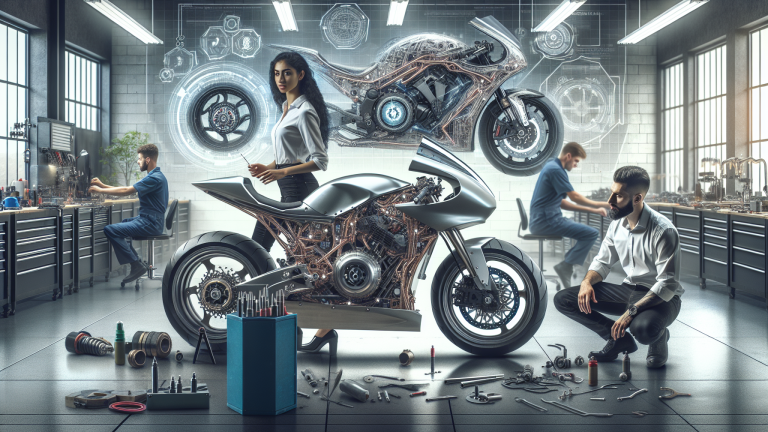
Custom bike builders in 2026 occupy a rare space where engineering discipline, handcraft, and cultural storytelling meet, and that combination is exactly why builder profiles matter so much within today’s custom motorcycle world. A custom bike builder is more than a fabricator who modifies frames or swaps parts; the best builders design complete machines with a point of view, balancing stance, geometry, power delivery, finish quality, and usability. In the workshop, that means decisions about rake, trail, wheelbase, suspension travel, material thickness, wiring routes, brake fitment, and heat management all support one coherent outcome. I have spent years around bespoke builds, shop walk-throughs, and launch events, and the pattern is consistent: the builders who last are not simply making loud motorcycles, they are creating recognizable signatures. This builder profiles hub exists to map that landscape clearly, from one-person ateliers turning out six motorcycles a year to larger names blending CNC precision with old-school metal shaping. If you follow custom culture, these are the people to study because they influence what riders buy, what OEMs imitate, and what the broader market starts calling modern craftsmanship.
Builder profiles also help readers separate aesthetics from substance. Social media can make every polished gas tank look groundbreaking, but a serious profile asks harder questions: Does the builder understand chassis dynamics? Can the motorcycle survive real road miles, not just a photo set? Is the wiring serviceable? Are the ergonomics intentional? In 2026, those questions matter even more because the scene has expanded well beyond classic café racers and long-fork choppers. Today’s new legends are building electric customs, rally-inspired scramblers, high-performance baggers, retrofitted superbikes, endurance-style roadsters, and minimalist city machines. They work across Harley-Davidson, BMW, Triumph, Ducati, Indian, Yamaha, Honda, Royal Enfield, and increasingly donor platforms from Zero and LiveWire. This page serves as the hub for that entire builder profiles subtopic under Custom Culture, giving you the framework to understand who matters, why their work stands out, and how to evaluate a builder before you click into individual shop features, marque-specific spotlights, design trend articles, and technical deep dives.
What Defines a Modern Custom Bike Builder in 2026
The modern custom bike builder is defined by integration. Twenty years ago, many successful custom shops could specialize in one lane: paint, chrome, engine performance, or radical bodywork. In 2026, the standout builders connect all of it. They think like industrial designers, race mechanics, electricians, machinists, and brand strategists at the same time. A first-rate build starts with intended use. If the motorcycle is meant for canyon riding, the builder will choose steering geometry, tire profiles, rear-set placement, and spring rates differently than they would for a show bike or an urban commuter. When I walk through strong shops, I expect to see frame jigs, CAD screens, TIG welders, suspension tools, and a disciplined parts cataloging system, because modern excellence is not accidental.
Another defining trait is platform fluency. The best builders know the strengths and limitations of specific donor motorcycles. A BMW R nineT invites different modifications than a Harley Softail, and both differ fundamentally from a Ducati Scrambler or Yamaha XSR900. Builders with real command understand CAN bus complications, emissions constraints, throttle-by-wire behavior, ABS integration, and ECU recalibration requirements. They also know when not to change something. For example, many of the smartest road-focused custom builders leave core electronic safety systems intact and focus instead on weight distribution, higher-quality suspension, cleaner subframes, and bodywork that sharpens identity without compromising reliability. Restraint is a mark of maturity.
Materials and process now matter as much as silhouette. In 2026, respected shops are transparent about whether a component is hand-formed aluminum, hydroformed, 3D printed in polymer for prototyping, machined from billet, or composite-laid for low mass. Good builder profiles explain those choices because they reveal philosophy. Hand-beaten panels suggest one type of workshop culture; digitally modeled airboxes and bracketry suggest another. Neither is automatically superior. What matters is whether the process suits the motorcycle’s purpose and whether the finish level supports long-term ownership. The strongest builders deliver motorcycles that look finished underneath the seat, behind side covers, and under the tank, not only in hero shots.
The Builder Profile Framework Readers Should Use
When evaluating builder profiles, I use a consistent framework that readers can apply across every shop feature linked from this hub. Start with origin story, but do not stop there. Many builders have compelling beginnings in racing, industrial design, aircraft fabrication, hot rods, or restoration, yet biography alone does not make a modern legend. Next, examine donor choice. Does the shop repeatedly choose a platform because it solves a design problem, because parts support is strong, or because the builder genuinely understands that engine architecture? Then assess fabrication capability. There is a significant difference between a shop that assembles premium aftermarket components and a shop that can fabricate subframes, tanks, exhausts, triple clamps, battery trays, and mounting systems in-house.
After capability, look at ride quality. This is where many weak profiles fail. The right questions are practical: Has the builder addressed suspension travel after changing ride height? Was trail corrected after front-end swaps? Are there signs of proper heat shielding near the rider’s leg? Is chain or belt alignment documented? Are fender clearances sufficient under compression? A credible builder profile should answer these directly. It should also cover maintenance access. I trust shops more when they route wiring cleanly, use quality connectors such as Deutsch or AMP Superseal where appropriate, and build with service intervals in mind. Beauty that blocks basic maintenance is amateur work.
Finally, study repeatability and customer communication. Some elite builders thrive on one-off art pieces; others produce small-batch customs with a repeatable process and documented options. Both models can be excellent, but they serve different buyers. One rider wants a singular commission and accepts a long timeline. Another wants a proven package with known fit and finish. Strong builder profiles should disclose delivery windows, testing practices, use of dyno tuning, and how the shop handles registration, compliance, and after-sales support. These details help readers move from admiration to informed action.
| Profile Lens | What to Check | Why It Matters |
|---|---|---|
| Design Identity | Recurring shapes, stance, finish language, restraint | Shows whether the builder has a clear signature or only follows trends |
| Engineering | Geometry, suspension setup, wiring, cooling, braking | Determines whether the bike rides safely and reliably |
| Fabrication Depth | In-house metalwork, machining, composites, CAD, prototyping | Reveals true capability beyond parts swapping |
| Platform Knowledge | OEM electronics, engine traits, parts support, legal constraints | Improves durability, tuning quality, and ownership experience |
| Client Process | Lead times, budgeting, documentation, aftercare | Helps buyers judge professionalism before commissioning a build |
The New Legends: Traits Shared by Leading Shops
The new legends of 2026 share several observable traits, regardless of geography or preferred style. First, they build motorcycles that can survive scrutiny from both photographers and experienced riders. That means panel gaps are tight, welds are consistent, and cable routing is clean, but it also means the bikes start hot, idle correctly, stop predictably, and handle mixed road conditions. The scene has matured enough that “show-quality” no longer excuses poor functionality. Builders earning long-term respect know that a custom motorcycle should complete a thousand-mile weekend with fewer complaints than a stock bike burdened by cheap accessories.
Second, top builders combine analog craft with digital precision. A shop may still shape a tail section over an English wheel, but it will often prototype mounts in CAD, verify clearances digitally, and use CNC machining where tolerances matter. This hybrid workflow shortens development cycles and improves repeatability. I have seen builders cut weeks from production time by mocking up intake routing and underseat electronics trays digitally before touching aluminum. That efficiency matters because clients in the premium segment expect artistry, but they also expect deadlines that feel professional rather than romantic.
Third, these builders understand branding without becoming captive to it. The best names in builder profiles are instantly recognizable, yet they do not repeat the same motorcycle endlessly. One shop may be known for muscular monoshock roadsters, another for spare Scandinavian minimalism, another for race-derived bodywork with hidden electronics. The signature is there, but so is adaptation. This flexibility is why certain builders influence OEM design departments, apparel brands, and event curation. Their work is not random; it is a coherent design language applied to changing platforms and rider needs.
Regional Scenes and Why Geography Still Shapes Style
Even in a global market, geography still shapes builder identity. European builders often work within tighter registration frameworks, which tends to produce highly resolved motorcycles with discreet lighting, precise fender coverage, and well-integrated instrumentation. German and Italian shops, in particular, have pushed the standard for technical cleanliness, often blending race-bred performance thinking with minimalist surfacing. British builders continue to excel at café, tracker, and heritage-based customs, but the strongest among them now expand into adventure-ready customs and endurance-inspired builds that reflect contemporary riding habits rather than nostalgia alone.
In North America, custom bike builders still benefit from broad visual freedom and strong V-twin culture, yet the market is more diverse than outsiders assume. Alongside traditional bagger and chopper specialists, there are now highly sophisticated builders focusing on performance Harleys, club-style Dyna and Low Rider platforms, and road-focused customs based on BMW and Ducati donors. West Coast shops often influence paint, stance, and event-driven trends, while Midwest fabricators frequently bring a pragmatic engineering mindset rooted in machining and racing. The most compelling American builder profiles often sit at that intersection: expressive design supported by hard mechanical competence.
Japan remains essential because its builders have long mastered proportion, reduction, and visual tension. Japanese customs frequently look simple until you study them closely and realize how many brackets, mounts, and surfaces have been reconsidered. That discipline continues to shape global taste in 2026, especially in compact urban customs and air-cooled retros. Australia and Southeast Asia also deserve serious attention. Australian shops are producing rugged, rideable customs suited to harsh conditions, while Indonesian and Thai builders continue to influence small-displacement customization, hand-formed metalwork, and inventive design under tighter budget constraints. A complete builder profiles hub must acknowledge these scenes because innovation is now truly distributed.
Styles Dominating Builder Profiles Right Now
The most important style shift in 2026 is that categories overlap more than they used to. Café racer, scrambler, tracker, bobber, and bagger still describe broad forms, but modern builders routinely blend them. A high-bar roadster may carry tracker posture, café-inspired tail treatment, and adventure-grade suspension. A performance bagger may use race-spec brakes, premium cartridges, and wind-cheating bodywork while retaining touring utility. This hybridization is not confusion; it reflects riders wanting one motorcycle to satisfy style, speed, comfort, and everyday practicality.
Performance customs are especially prominent. Builders are taking Harley-Davidson touring and Softail models, Indian baggers, and modern retros from Triumph, BMW, and Yamaha, then upgrading suspension with Öhlins, K-Tech, or Bitubo, fitting Brembo braking packages, recalibrating ECUs, and optimizing ergonomics. The result is a custom motorcycle that performs measurably better, not just differently. Electric customs are another growing category. Builders working with LiveWire and Zero platforms face different constraints, such as battery packaging, thermal considerations, and software integration, but the best are proving that EV customs can be visually dramatic without resorting to novelty.
At the same time, heritage builds remain strong because emotionally resonant machines still sell. Air-cooled boxers, parallel twins, and classic singles continue to anchor many successful shops. What has changed is execution. Instead of crude simplification, leading builders preserve what makes the donor charming while correcting weak brakes, poor suspension, and dated electrics. That balance between character and competence is exactly what readers should look for as they move through the builder profiles linked from this page.
How This Hub Connects the Builder Profiles Subtopic
As the sub-pillar hub for Builder Profiles under Custom Culture, this page is designed to give readers a decision-making map. From here, the most useful next articles are individual shop spotlights, region-by-region roundups, marque-specific guides, interviews about process, and technical explainers on fabrication, geometry, electronics, and finishing. In practice, readers usually enter the topic through a dramatic build, then realize they need context to judge whether the builder is truly elite. This hub provides that context, helping you compare a boutique frame specialist with a high-volume custom studio or a restoration-led shop that has evolved into full concept builds.
The practical benefit is simple: better profiles lead to better choices. If you are a rider commissioning a bike, use this framework before spending money. If you are a journalist, photographer, or brand partner, use it to identify builders whose work will still matter after trends fade. If you simply love custom culture, use this hub to read more critically and appreciate what separates enduring builders from clever stylists. The new legends of 2026 are not defined by hype. They are defined by disciplined design, real engineering, and motorcycles that hold up on the road as well as on the screen. Start with the linked builder profiles, compare methods and outcomes, and follow the shops whose work proves its value mile after mile.
Frequently Asked Questions
What makes a modern custom bike builder in 2026 different from a traditional motorcycle fabricator?
A modern custom bike builder in 2026 is typically defined by authorship, not just technical ability. A traditional fabricator may be highly skilled at welding, frame modification, bodywork, or part integration, but the standout builders featured in today’s custom scene are shaping complete motorcycles around a unified idea. They are thinking about chassis geometry, rider ergonomics, engine character, weight distribution, suspension behavior, finishing techniques, and visual identity as one connected system. In other words, they are not simply assembling attractive parts; they are designing motorcycles with intent.
That distinction matters because the best builders now operate at the intersection of engineering discipline, handcraft, and cultural storytelling. Their bikes often communicate a clear philosophy, whether that means reinterpreting a vintage racing silhouette with modern reliability, building a stripped-down road machine with genuine daily usability, or creating a one-off concept that reflects a local riding culture. In 2026, audiences are more informed than ever, so craftsmanship alone is not enough. Builders are increasingly judged on whether their work rides well, solves real mechanical problems, and expresses a coherent point of view from the frame rails to the final finish.
This is why builder spotlights have become so important. They reveal how the machine was conceived, what compromises were accepted or rejected, and why certain decisions were made. The new legends are not becoming influential simply because their bikes look good in photographs. They are earning recognition because they can translate vision into function, and function into emotion, without losing authenticity.
Why do builder profiles matter so much in the custom motorcycle world today?
Builder profiles matter because they give context to the motorcycle, and context is often what separates a memorable custom from a forgettable one. In a time when images travel instantly and styles can be copied quickly, a builder profile helps readers understand what is original about the work. It explains the design language, fabrication methods, mechanical challenges, and personal influences behind the bike. That deeper story allows enthusiasts to see the machine as more than a collection of premium parts or trendy cues.
They also matter because the custom motorcycle world is increasingly shaped by trust and reputation. Riders, collectors, and fans want to know whether a builder prioritizes ride quality, structural integrity, finish durability, and long-term serviceability. A detailed profile shows how a builder approaches those fundamentals. It can reveal whether they are simply chasing attention or whether they are committed to producing motorcycles that perform as seriously as they present. For potential clients, that insight is critical.
There is also a cultural reason these profiles resonate. Custom motorcycles have always reflected identity, region, and era, and the best modern builders carry those elements forward in a highly personal way. A spotlight can show how a workshop’s local roads, racing background, industrial design influences, or even music and art scene shape the final machine. That is why builder profiles remain central to the culture in 2026: they document not just bikes, but the people, methods, and values pushing the scene forward.
What qualities define the new legends of custom bike building in 2026?
The new legends of 2026 tend to share a rare combination of technical mastery, restraint, and originality. Technically, they understand that every visual move affects performance. A change in rake, trail, wheelbase, suspension setup, or riding position is not just a styling decision; it influences how the motorcycle behaves on the road. The most respected builders know how to create strong visual drama without compromising stability, comfort, or mechanical reliability. That balance is one of the clearest markers of top-tier work.
They also stand out for their ability to edit. In custom building, it is easy to overwork a concept with too many finishes, too many one-off details, or too much visual noise. The strongest builders know what to leave out. Their motorcycles feel resolved because every part contributes to the same idea. Whether the bike is aggressive, elegant, utilitarian, or experimental, nothing feels random. That level of clarity is often what turns a good build into a signature build.
Finally, the new legends understand that a custom motorcycle should say something. Their work carries a recognizable voice. Some builders are known for race-informed precision, others for sculptural metalwork, others for unusual platform choices or deeply rideable street customs. What sets them apart is consistency of vision across different projects. In 2026, legend status is not just about one viral motorcycle. It is about building a body of work that other builders respect, riders trust, and enthusiasts can identify immediately.
How do top custom builders balance aesthetics, engineering, and everyday usability?
The best custom builders balance those priorities by treating them as inseparable from the beginning of the project. Rather than styling a motorcycle first and solving practical issues later, they start with a realistic understanding of purpose. Is the bike intended for city riding, weekend canyon runs, long-distance travel, show presentation, or a blend of those uses? Once that purpose is clear, decisions about geometry, controls, seat design, fuel capacity, suspension travel, braking performance, and engine tuning can support the visual concept instead of fighting it.
That process often involves careful trade-offs. A low, dramatic stance may look exceptional, but if it destroys ground clearance or suspension function, the bike becomes limited. Minimal bodywork can create a clean silhouette, but not if it compromises heat management, wiring protection, or rider comfort. Great builders work through those tensions with discipline. They hide complexity where possible, simplify without weakening performance, and choose fabrication solutions that preserve both the look and the riding experience. The result is a motorcycle that feels intentional at speed, not just in a studio.
Usability is especially important in 2026 because many leading builders want their bikes to be ridden, not merely displayed. That means considering cold starts, maintenance access, lighting performance, switchgear reliability, tire choice, and how power is delivered in real-world conditions. The best customs today still turn heads, but they also inspire confidence from the saddle. That is a major reason certain builders are rising above the rest: they are producing motorcycles with genuine presence and genuine function.
What should readers and potential clients look for when evaluating a custom bike builder featured in an article like this?
Start by looking beyond surface finish and photography. A beautiful paint scheme, polished metalwork, or a perfectly staged image can create a strong first impression, but the most important questions are structural and conceptual. Does the builder have a clear design philosophy? Can they explain why the bike was built the way it was? Is the stance supported by sound geometry? Are the fabrication choices clean, durable, and mechanically sensible? When a builder can articulate both the aesthetic vision and the engineering logic, that is usually a strong sign of serious capability.
It is also worth paying attention to consistency across multiple projects. One successful custom can happen through good taste, a generous budget, or a favorable donor platform. A truly accomplished builder demonstrates repeatable excellence across different bikes and briefs. Look for coherence in their work, quality in welds and finishes, thoughtful integration of wiring and controls, and evidence that the motorcycles are meant to function as complete machines. Details such as seating position, foot control placement, suspension setup, and service access often reveal more about a builder’s skill than the most dramatic styling element.
For potential clients, communication and process are just as important as craftsmanship. A strong builder should be able to discuss goals, limitations, timelines, budgets, and intended use with honesty. They should help shape expectations rather than simply promise a dream outcome. In a spotlight article, those qualities often come through in how the builder speaks about problem-solving, rider needs, and the purpose of customization itself. In the end, the best builder is not always the one producing the loudest design. It is the one creating motorcycles with integrity, identity, and performance that hold up long after the reveal.