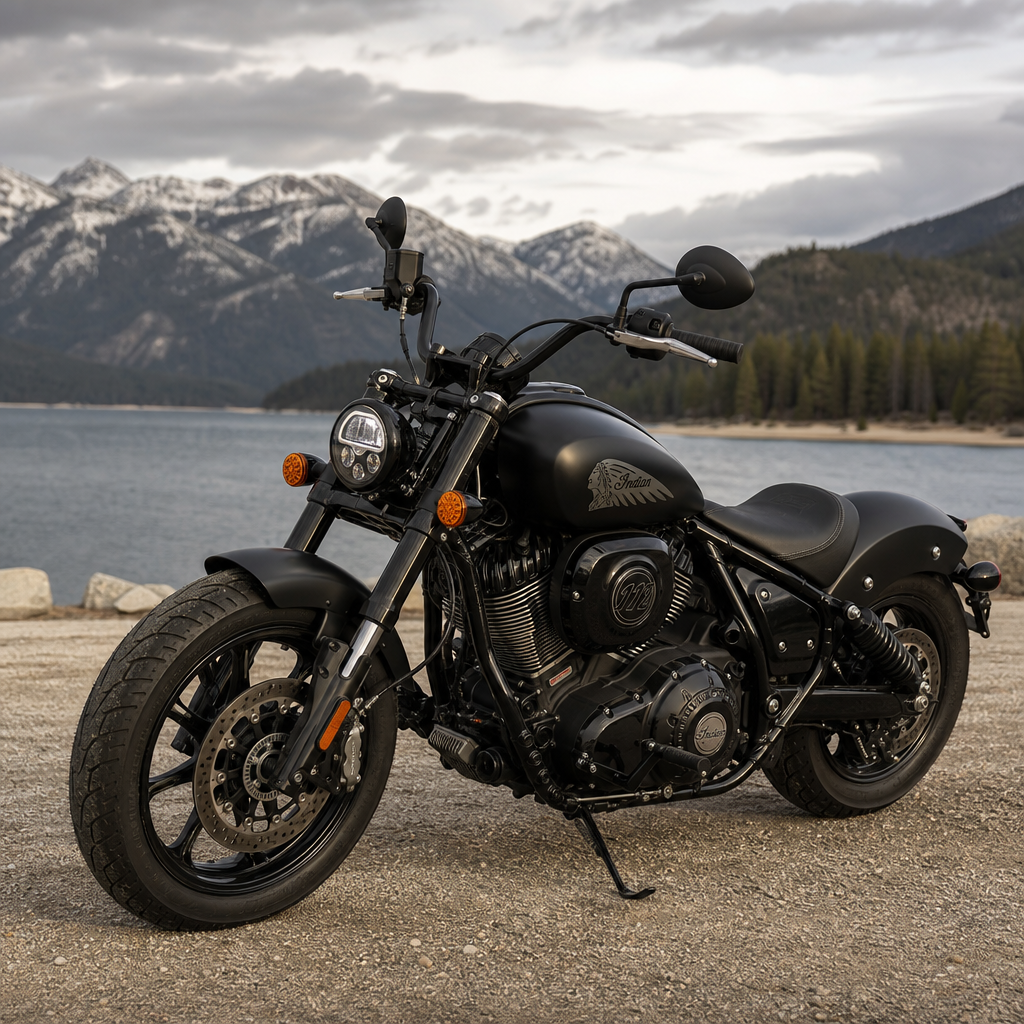
The 2026 Indian Chief Bobber Dark Horse is the kind of American cruiser that reveals its real character only after months of riding, not during a brief press launch. In this full long-term test ride, I am treating it as both a standalone review and a practical hub for riders researching American cruisers in the broader New Rides category. That matters because this motorcycle sits at a crossroads: classic V-twin styling, modern electronics, real-world ergonomics, and enough aftermarket support to turn one platform into several distinct machines. To evaluate it properly, you need more than a spec sheet. You need daily commuting miles, highway runs, rough pavement, slow-speed city work, weekend backroad riding, and honest ownership questions about heat, maintenance, comfort, and value.
Before going deeper, it helps to define the terms riders actually use. A bobber is generally a stripped-down cruiser with minimalist bodywork, solo-seat emphasis, short fenders, and a lower, tougher visual stance. A dark horse trim in Indian’s lineup usually means blacked-out finishes, premium equipment, and a more aggressive styling direction than chrome-heavy traditional cruisers. An American cruiser is broader: low seat, relaxed riding triangle, strong low-end torque, and a riding experience built around feel as much as speed. The 2026 Chief Bobber Dark Horse fits all three definitions, but it also pushes beyond them with ride modes, a touchscreen round gauge, keyless ignition, ABS, and strong connectivity features. That blend is why it deserves a long-term test rather than a first-impression summary.
In this segment of the American cruisers market, buyers are rarely choosing by horsepower alone. They compare identity, comfort, ease of customization, engine personality, dealer support, insurance cost, and how a bike makes them feel after two hours in the saddle. The Chief Bobber Dark Horse competes for the same attention as Harley-Davidson Softail variants, performance-oriented cruisers, and even some metric muscle cruisers. Over extended use, its strengths become clearer: stable chassis behavior, a usable torque curve, intuitive controls, and a premium fit-and-finish level that generally justifies the price. Its weaknesses also become easier to name with confidence: limited wind protection, a firm stock seat for longer days, restricted cornering clearance, and heat management that can vary significantly with traffic and ambient temperature.
For riders shopping this category, this article is designed to answer the most practical questions directly. Is the 2026 Indian Chief Bobber Dark Horse good for daily use? Yes, within reason; its low-speed manners, fueling, and electronics make it easier to live with than older-school big twins. Is it comfortable for touring? It can be, but only after addressing seat support, wind exposure, and luggage. Is it a better buy than rival American cruisers? For many riders, yes, especially if they want modern features without losing the elemental feel of a heavyweight V-twin. The rest of this test explains why, using long-term observations instead of brochure language.
Design, engine character, and everyday ride feel
Indian’s air-cooled Thunderstroke 116 remains the defining feature of this motorcycle, and in long-term use it delivers exactly what most cruiser riders want: immediate low-rpm shove, a strong pulse through the chassis, and enough mechanical character to feel alive without becoming crude. On paper, Indian emphasizes torque more than peak horsepower, which is the correct approach for this class. In practice, the engine pulls cleanly from low revs, prefers short-shifting, and makes urban riding easy because you do not need to chase the redline to access performance. Roll-on acceleration in the midrange is the bike’s signature move. Two-lane passing requires planning because of the weight and gearing, but the torque arrives early and predictably.
The six-speed transmission is generally positive, though like many big-twin gearboxes it rewards deliberate inputs more than lazy half-shifts. Over months of riding, I found neutral easy enough to select when warm, clutch effort manageable in traffic, and gearing relaxed on the highway. That said, sixth gear is most useful once speeds settle; below that, the bike often feels happier in fifth where response is more immediate. The belt final drive suits the mission well. It is quieter and cleaner than a chain, with lower routine maintenance demands, and it reinforces the long-distance ownership appeal that many American cruiser buyers prioritize.
Chassis behavior is more competent than the visual stance suggests. The Chief platform uses a steel-tube frame that keeps the bike feeling planted, and the suspension tuning is clearly aimed at preserving style while maintaining everyday usability. The result is acceptable control over expansion joints and urban pavement scars, but not exceptional plushness. The front end tracks accurately, and the bike holds a line well in medium-speed corners, especially when you ride smoothly and let the torque do the work. Ground clearance arrives as the limiting factor before tire grip does. That is standard cruiser reality, not a flaw unique to Indian, but riders coming from standards or sport-tourers will notice it quickly.
Ergonomically, the Bobber setup is a mixed but understandable compromise. The low seat inspires confidence at stops and makes the motorcycle approachable for a wide range of inseams. Mid controls keep the rider from feeling overly stretched, which helps around town and during brisk backroad riding. The mini-ape style handlebar gives the bike visual attitude, but rider comfort depends heavily on height, shoulder width, and preferred wrist angle. I have seen owners solve this with riser adjustments or alternate bars, and that ability to tailor fit is part of the appeal of this platform. Out of the crate, the riding position feels intentional rather than universally perfect.
Technology, features, and how it compares within American cruisers
One reason the 2026 Indian Chief Bobber Dark Horse stands out in the American cruisers field is that it integrates modern technology without turning the bike into an appliance. The round 4-inch touchscreen gauge is still one of the cleverest interfaces in the class because it preserves classic styling while delivering genuinely useful information. Navigation, ride mode selection, Bluetooth connectivity, vehicle data, and system settings are available in a format that remains readable once you learn the menu structure. I would still prefer larger text for quick glances at speed in harsh sunlight, but overall it is a better execution than bolting a tablet-like display onto a retro motorcycle.
Ride modes change throttle response in ways that are noticeable enough to matter. Tour softens initial response and works best in rain, traffic, or long highway days. Standard is the default recommendation for most riders because it balances smoothness and directness. Sport sharpens response and makes the Thunderstroke feel more urgent, though it does not transform the bike into a performance cruiser. ABS and traction-oriented calibration add a welcome safety layer, especially given the torque available at low rpm. Keyless ignition, cruise control, and USB charging also improve daily livability. These features may sound ordinary in 2026, but in the American cruiser class they still influence buying decisions more than many brands admit.
| Model | Best For | Main Strength | Main Tradeoff |
|---|---|---|---|
| Indian Chief Bobber Dark Horse | Riders wanting style plus modern tech | Strong torque, premium interface, customization potential | Firm comfort setup and limited wind protection |
| Harley-Davidson Street Bob | Traditional cruiser buyers | Huge dealer network and aftermarket depth | Feature set can feel leaner depending on trim |
| Indian Sport Chief | Aggressive backroad cruiser riders | Sharper handling and better sporty equipment | Less pure bobber aesthetic |
| Harley-Davidson Low Rider S | Performance-focused American V-twin fans | Very strong engine and dynamic capability | Higher cost and more committed riding position |
Compared with direct rivals, the Chief Bobber Dark Horse occupies a useful middle ground. It is not as sporting as a Low Rider S, and it does not try to be. It is not as visually traditional as some chrome-heavy cruisers, either. Instead, it targets riders who want classic proportions, blacked-out custom style, and enough factory technology that they do not feel stuck in a nostalgic time capsule. In my experience, that audience is larger than enthusiast forums suggest. Many buyers want a bike that looks old-school in the garage but behaves predictably in modern traffic and supports navigation, charging, and ride customization without aftermarket workarounds.
As the hub for American cruisers under New Rides, this is also where the Chief Bobber Dark Horse helps frame the category. Today’s American cruisers are no longer split simply between retro charm and modern performance. The category now includes heritage cruisers, performance cruisers, club-style builds, factory baggers, and technology-rich minimalist customs. Indian has become especially effective at bridging those subgroups. The Chief family proves that a heavyweight V-twin can still feel elemental while meeting current expectations for safety systems, integration, and finish quality. If you are researching this segment broadly, the Chief Bobber Dark Horse is one of the clearest reference points because it demonstrates where the class is heading.
Long-distance comfort, ownership costs, and who should buy it
Long-term riding exposes the biggest gap between image and reality on most bobbers, and the 2026 Chief Bobber Dark Horse is no exception. The stock solo-style seat looks right and supports short rides well enough, but after a few hours the limited padding becomes the first issue most owners will address. Wind exposure becomes the second. At city speeds, the upright stance feels natural and relaxed. On open highways, that same posture turns your torso into a sail. Adding a quick-release windshield or small fairing changes the bike dramatically for touring without permanently sacrificing style. This is one of those motorcycles that improves significantly with carefully chosen accessories, and Indian’s accessory catalog is broad enough to support different use cases.
Fuel range is acceptable rather than class-leading, and that matters on real trips. Depending on pace, load, riding mode, and wind, many riders will see a practical range that encourages fuel stops before the bike is truly empty. That is not necessarily a downside on a cruiser, where stopping every hundred-plus miles can help with comfort, but it is part of planning. Luggage capacity is similarly dependent on setup. A bare Bobber is intentionally minimalist. Add saddlebags, a passenger solution, and a touring screen, and it becomes a credible weekend travel bike. This flexibility is exactly why long-term owners often remain satisfied: the platform can evolve with their riding habits.
Ownership costs fall into the premium-American range but are not unreasonable for the segment. Insurance depends heavily on rider profile and location, yet the Chief generally lands where you would expect for a large-displacement cruiser with substantial replacement value. Routine maintenance is straightforward by class standards. Belt drive reduces mess and adjustment chores, hydraulic lifter design helps limit valve-train maintenance concerns compared with some other engine architectures, and Indian’s service intervals are manageable for riders who log regular miles. Tires, however, are a real wear item if you ride aggressively or often on coarse surfaces, and replacement costs can surprise first-time heavyweight-cruiser owners.
Reliability is always a major search question, and the honest answer is that modern Indian motorcycles have become far more dependable than skeptics often assume, provided they are maintained properly and software updates are handled when required. Over extended use, the issues I pay closest attention to are heat soak in traffic, battery health if the bike sits for long periods, and the behavior of electronic interfaces after repeated weather exposure. None of those concerns are unique to Indian. They are normal watchpoints for feature-rich modern motorcycles. The larger point is that this bike feels engineered for real use, not just showroom appeal.
So who should buy the 2026 Indian Chief Bobber Dark Horse? Buy it if you want an American cruiser with authentic V-twin presence, premium finishes, and meaningful factory technology, and if you are willing to personalize it for your body and ride length. Skip it if you want maximum cornering clearance, standard long-haul comfort, or bargain pricing. The long-term verdict is clear: this is one of the most complete modern bobbers on the market and one of the most important reference bikes in the American cruisers category. If you are building your New Rides shortlist, start here, compare it with the performance-cruiser alternatives, and then schedule a real test ride long enough to feel the seat, the heat, and the torque for yourself.
Frequently Asked Questions
Is the 2026 Indian Chief Bobber Dark Horse a good long-term motorcycle, or is it mainly impressive on a short test ride?
That is really the central question with this bike, and the honest answer is that the 2026 Indian Chief Bobber Dark Horse makes far more sense over time than it does in a quick first impression. On a short ride, most people notice the obvious things first: the low stance, the darked-out styling, the strong V-twin character, and the stripped-down bobber attitude. What takes longer to appreciate is how the motorcycle behaves when you live with it week after week. In a long-term test, the Chief Bobber Dark Horse starts to show its value through predictable road manners, strong low-end torque in everyday traffic, a relatively straightforward ownership experience, and a platform that can be adapted to different types of riders.
It is not a bike that hides what it is. This is still a heavyweight American cruiser with a low-slung riding position and a visual focus on style as much as function. But unlike some cruisers that feel great for one afternoon and tiring after a month, the Chief Bobber Dark Horse has a broader usability range than its appearance suggests. Riders who commute, run weekend backroad loops, or spend time customizing their bike will likely get more out of it than someone who only judges it by spec-sheet performance or a brief demo ride. The long-term view also highlights how much the chassis balance, engine character, and electronics package matter in daily use. In other words, this is a motorcycle that rewards familiarity, and that is why a full long-term test is much more meaningful than a standard launch review.
How comfortable is the 2026 Indian Chief Bobber Dark Horse for everyday riding and longer trips?
Comfort on the 2026 Indian Chief Bobber Dark Horse depends heavily on what kind of riding you actually do, and that is exactly why a long-term test is important. For shorter urban rides, casual evening cruises, and moderate backroad sessions, the bike generally works very well. The low seat height helps many riders feel immediately confident at stops, and the overall ergonomics can feel natural if you like a feet-forward cruiser layout. The bars, seat position, and general rider triangle are designed to support that classic American cruiser posture, and for many owners that creates an easy, relaxed connection with the bike during ordinary use.
Where things get more nuanced is on longer rides. Bobber-style motorcycles almost always involve some compromise, and the Chief Bobber Dark Horse is no exception. Its visual minimalism is part of the appeal, but minimalism can also mean less built-in wind protection, less touring-oriented seat support, and a firmer real-world ride than some larger, more comfort-focused cruisers. Over several months of use, riders tend to learn whether the stock setup suits them or whether they want to make changes. The good news is that this motorcycle benefits from solid aftermarket support, so it is realistic to improve seat comfort, add a windshield, change bars, or tailor the ergonomics to better fit your body and your mileage goals.
So, is it comfortable? Yes, within the context of what it is. It is more comfortable than some people expect from a bike with this much attitude, but it is not pretending to be a full-dress touring machine. For daily riding, it can be very satisfying. For longer distances, comfort becomes more rider-specific, and customization plays a big role in turning the bike from stylish cruiser to genuinely versatile long-term companion.
What is the engine and performance like in real-world riding on the 2026 Indian Chief Bobber Dark Horse?
In real-world use, the defining trait of the 2026 Indian Chief Bobber Dark Horse is usable torque. This is the kind of motorcycle that feels strongest where many riders actually spend most of their time: rolling away from a stop, passing without drama, flowing through traffic, and pulling cleanly out of corners without needing to chase high rpm. On paper, some bikes may offer more headline-grabbing numbers, but the Chief Bobber Dark Horse delivers its performance in a way that matches its cruiser identity very well. It feels muscular, immediate, and satisfying in ordinary street conditions, which is exactly what many American cruiser riders want.
Over a long-term test, that engine character tends to become one of the bike’s strongest selling points. Instead of constantly demanding attention, it provides a broad, relaxed power delivery that makes the motorcycle feel easy to ride while still having enough personality to feel special. You get the classic V-twin pulse and sound that many riders specifically seek out, but paired with modern rideability and electronics that help the bike feel more current than old-school styling alone might suggest. That blend is important, because it allows the Chief Bobber Dark Horse to appeal not only to traditional cruiser enthusiasts, but also to riders who want heritage aesthetics without giving up modern convenience.
Performance also has to be understood in context. This is not a sport cruiser built to win spec wars against performance nakeds or aggressive muscle bikes. It is a street-focused American cruiser that prioritizes torque, confidence, and connection over outright speed. In that role, it performs very well. During long-term ownership, that matters more than a single dramatic acceleration run, because what you remember after months of riding is how often the bike feels enjoyable, responsive, and easy to use. On that score, the Chief Bobber Dark Horse tends to leave a strong impression.
Does the 2026 Indian Chief Bobber Dark Horse have enough modern technology and features for today’s riders?
Yes, and that balance between classic design and modern function is one of the most compelling reasons this motorcycle stands out in the American cruiser market. The 2026 Indian Chief Bobber Dark Horse is aimed at riders who want old-school visual identity without accepting old-fashioned compromises everywhere else. That means the bike is expected to offer more than just a big V-twin and good looks. In real ownership, the value of modern features becomes clearer over time, especially when you ride in varying weather, traffic conditions, and road environments instead of only on a curated press route.
What matters most is not just the presence of electronics, but how well they support the riding experience. Modern rider aids, updated instrumentation, and day-to-day usability features can make a substantial difference in long-term satisfaction. Riders increasingly expect a motorcycle in this category to provide a mix of character and convenience, and the Chief Bobber Dark Horse generally fits that expectation well. That does not turn it into a tech-heavy luxury machine, and that is actually part of its appeal. It still feels focused and authentic rather than overloaded. The technology serves the motorcycle instead of overpowering its identity.
For buyers researching motorcycles in the broader New Rides category, this is a key point. The Chief Bobber Dark Horse competes in a segment where many decisions are emotional, but ownership is practical. Riders want something visually distinctive, but they also want confidence, reliability, and features that make the bike easier to live with. In that sense, the Indian’s modern equipment package supports its long-term credibility. It gives you enough current functionality to feel relevant in 2026 while preserving the stripped, muscular essence that defines the bobber formula.
Who should buy the 2026 Indian Chief Bobber Dark Horse, and who might be better off with a different cruiser?
The ideal buyer for the 2026 Indian Chief Bobber Dark Horse is someone who wants authentic American cruiser character but does not want a motorcycle that feels locked into the past. This bike makes the most sense for riders who care about style, torque-rich street performance, and the ability to personalize their machine over time. It also suits riders who appreciate a low, confidence-inspiring stance and who understand that cruisers are about feel and presence as much as raw performance numbers. If you want a bike that can serve as both a statement piece and a practical real-world machine, the Chief Bobber Dark Horse has a strong case.
It is especially appealing to riders who expect to spend months shaping the bike around their own use. The aftermarket support matters here, because this platform is not just something you ride as delivered and forget. It is something you can build into your version of the ideal cruiser, whether that means more comfort, more visual attitude, better luggage options, or a setup that supports longer weekend trips. In long-term testing, that flexibility becomes a major advantage. The bike grows with the owner rather than forcing a one-size-fits-all experience.
On the other hand, riders wanting maximum touring comfort straight from the factory may be happier with a larger, more touring-oriented cruiser. Riders focused on sharp cornering clearance, lighter weight, or high-rev performance may also want to look elsewhere. And if you prefer a completely upright standard riding position rather than the classic cruiser posture, this style of bike may never feel perfect no matter how good the engineering is. The Chief Bobber Dark Horse is best for riders who understand the cruiser brief and want one of the more modern, adaptable, and visually cohesive interpretations of it. For that audience, it is not just a good-looking motorcycle. It is a very credible long-term choice.