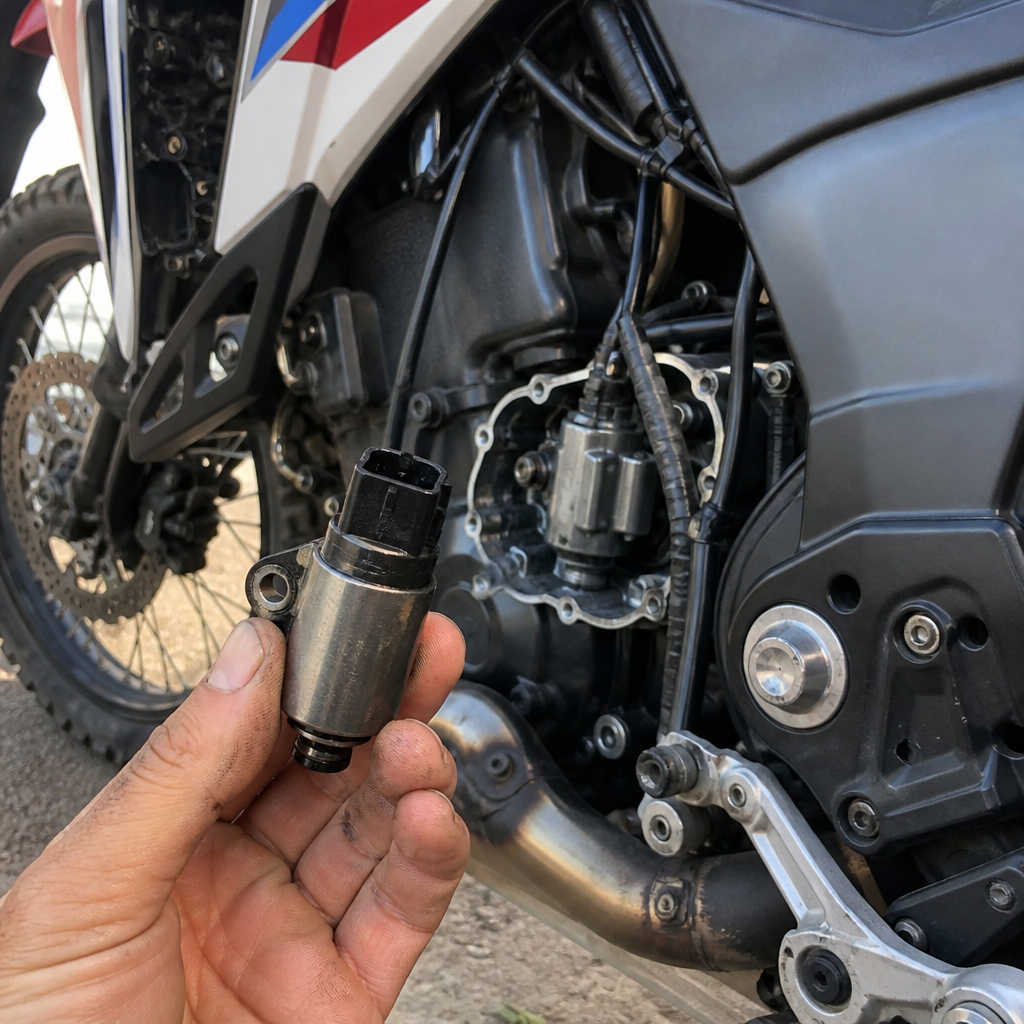
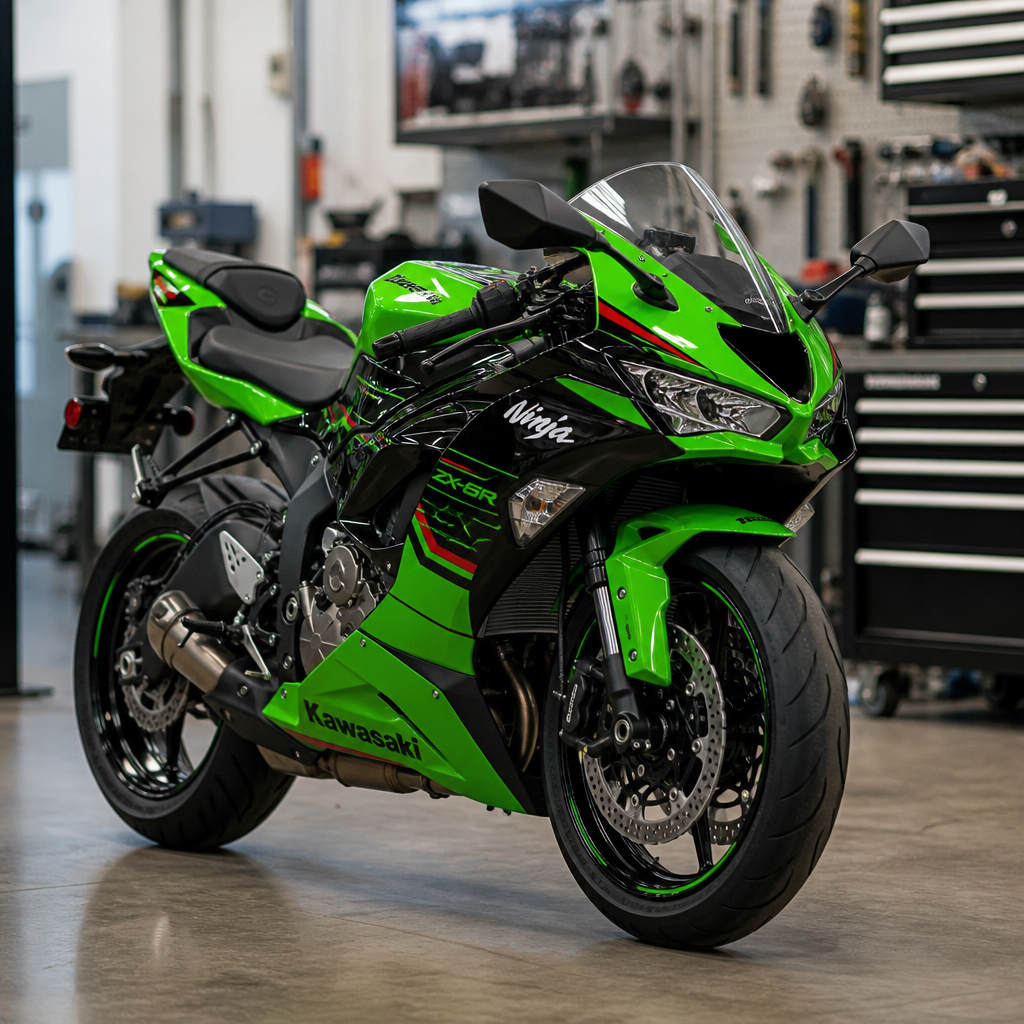
The 1983 Kawasaki GPZ750 Turbo arrived at a moment when motorcycle makers were chasing the future with unusual urgency, and few machines expressed that ambition better. This hub article explains how to restore metric classics from 1970 to 2024 through the specific lens of Kawasaki’s boosted flagship, while also showing how the same restoration principles apply across Japanese and European metric bikes. A metric classic is any motorcycle built around metric fasteners, dimensions, and service standards rather than inch-based hardware, and in practice that means most postwar machines from Japan, much of Europe, and many later global models. Restoration, meanwhile, is not simply repainting bodywork or replacing worn parts. Proper restoration combines historical research, mechanical rebuilding, electrical verification, cosmetic conservation, and safe road recommissioning. I have worked through enough neglected turbo bikes, fuel-injected eighties Kawasakis, and seventies UJMs to know that the hard part is rarely disassembly. The hard part is deciding what should be preserved, what must be rebuilt, and what can be modernized without erasing the motorcycle’s identity. The GPZ750 Turbo matters because it sits at the crossroads of all those decisions. It used advanced electronic fuel injection, a Hitachi HT10-B turbocharger, distinctive bodywork, and engine internals designed to survive boost, making it one of the most technically demanding and rewarding metric classics to revive today.
As a sub-pillar hub for restoration guides covering metric classics from 1970 through 2024, this article lays out the core methods every owner, buyer, and workshop should understand before turning the first wrench. The date range matters because restoration goals differ sharply by era. A 1970s Honda CB750 often needs carburetor rehabilitation, wiring repairs, and rust management. A 1983 Kawasaki GPZ750 Turbo adds pressurized intake plumbing, digital fuel-injection diagnostics, boost control checks, and scarce model-specific trim. A late-1990s Yamaha R1 or early-2000s Suzuki Hayabusa introduces ram-air ducting, more complex emissions hardware, and broader aftermarket support. By 2010 and later, restorers are often balancing original equipment with immobilizers, ABS units, ride-by-wire systems, and increasingly integrated electronics. The central question stays the same: how do you return a metric classic to dependable, historically coherent condition without wasting money or creating hidden safety risks. The answer begins with documentation, honest assessment, and a process that treats the motorcycle as a complete system rather than a collection of shiny parts.
Why the GPZ750 Turbo Is the Ideal Restoration Hub
The 1983 Kawasaki GPZ750 Turbo, sold in some markets as the ZX750E, is a strong anchor for a restoration hub because it condenses nearly every challenge found in metric classic work. It is rare enough that parts sourcing matters, sophisticated enough that testing matters, and famous enough that originality matters. Kawasaki did not simply bolt a turbo onto a standard GPz engine. The company lowered compression, strengthened internals, revised fueling, and built the package around digital fuel injection and a factory-integrated induction system. Period road tests regularly praised its extraordinary midrange and top-end acceleration, while long-term owners learned quickly that neglected examples punish shortcuts. If the plenum has leaks, if the wastegate is sticky, if injectors are varnished, or if the oil supply to the turbo is compromised, the bike will not deliver the smooth and forceful boost that made it legendary. The same systemic thinking required here applies directly to other metric classics, from a carbureted Suzuki GS1000 to a fuel-injected Ducati 916.
In practical restoration terms, the GPZ750 Turbo teaches three essential lessons. First, rarity increases the value of complete motorcycles, even rough ones, because model-specific components such as side panels, intake ducting, fuel-injection hardware, and turbo plumbing are expensive and time-consuming to replace. Second, originality and reliability are not enemies; they simply require disciplined sequencing. I always document the bike exactly as found, test electrical and mechanical baselines before cosmetic teardown, and preserve reusable finishes where possible. Third, every restoration needs a declared target. Are you building a concours-correct example with OEM fastener finishes, a roadworthy preservation bike with sympathetic upgrades, or a rider-focused machine using modern hoses, tires, and charging components? Without that target, budgets drift and decisions become inconsistent.
How to Assess a Metric Classic Before Restoration Begins
The first step in any restoration guide for metric classics is inspection, not ordering parts. Start with identity and completeness. Confirm frame and engine numbers against title documents and market-specific references. On the GPZ750 Turbo, verify the correct turbo model designation, look for nonstandard engine swaps, and inspect whether factory bodywork and intake pieces remain in place. Then move to structural condition. Check the frame for crash damage, steering-head deformation, corrosion around welded joints, and swingarm wear. On seventies and eighties bikes, center-stand lugs, sidestand mounts, and lower cradle sections often reveal hard use. For nineties alloy frames, pay close attention to stress cracks around engine mounts and fairing stay points. For modern bikes, examine subframe tabs that may have carried luggage or suffered tip-overs.
Mechanical assessment should be evidence-based. Perform a compression test and, where possible, a leak-down test before teardown. Inspect oil for metallic debris and coolant for contamination. On turbocharged bikes, remove intake ducts and check compressor wheel condition, axial and radial play, and evidence of oil pooling. Review the fuel tank with a bore scope; internal rust in a GPZ750 Turbo can quickly contaminate injectors and pressure regulators. Electrical testing should include battery load condition, charging voltage, resistance checks through key connectors, and continuity in safety circuits. Japanese bikes from the late seventies through early nineties are often let down by oxidized connectors, brittle grounds, and aged fuse holders rather than catastrophic component failure. I have seen owners replace expensive ignition parts when the real fault was a corroded earth point under the tank.
| Restoration Phase | Key Checks | Common GPZ750 Turbo Risks | Applies Across Metric Classics |
|---|---|---|---|
| Documentation | VIN, engine number, market specification, missing parts inventory | Incorrect bodywork, swapped EFI parts, absent turbo plumbing | Prevents buying wrong parts and protects resale value |
| Structural Inspection | Frame alignment, corrosion, fork straightness, wheel condition | Crash damage hidden by fairings, corroded exhaust studs | Essential for all bikes from 1970 to 2024 |
| Mechanical Testing | Compression, leak-down, oil analysis, fuel system condition | Turbo wear, injector varnish, boost leaks, clutch slip | Identifies rebuild scope before cosmetic spending |
| Electrical Verification | Charging output, connector resistance, sensor checks, grounds | Aged EFI connectors, weak stator output, relay faults | Critical on both carbureted and modern electronic bikes |
| Parts Strategy | OEM availability, reproduction quality, refurbishable components | Scarce plenum parts, sensors, decals, trim pieces | Defines budget and timeline realistically |
Engine, Turbo, Fuel, and Electrical Restoration Priorities
Once assessment is complete, build the restoration around systems that affect survival and safety. On the GPZ750 Turbo, engine and induction work comes first because every downstream result depends on a stable boosted powertrain. The 738 cc inline-four is durable when oiling, fueling, and heat control are correct. Replace all age-hardened oil lines and inspect feed and return routing carefully, since turbocharger health depends on unrestricted lubrication. Evaluate cam-chain condition, valve clearances, clutch wear, and charging-system output before chasing performance concerns. Rebuild the turbo only when measurements justify it. Minor shaft play that stays within serviceable limits is different from wheel contact or severe seal leakage. Specialists familiar with Hitachi units remain valuable because generic turbo assumptions do not always fit motorcycle applications with their packaging and thermal cycles.
Fuel injection deserves methodical treatment. The GPZ750 Turbo’s system was advanced for its era, but age affects pressure regulators, injector spray patterns, seals, and the integrity of connectors. Clean the tank properly, repair or line it only when necessary, flush lines, bench-test the fuel pump, and have injectors ultrasonically cleaned and flow tested. Replace vacuum hoses with the correct dimensions and heat ratings, then pressure-test the intake tract for leaks. Boost leaks cause erratic running, lean conditions, and disappointing power delivery. On carbureted metric classics from the seventies and eighties, the equivalent discipline means correct jet sizes, float heights, diaphragm inspection, and synchronization. On later fuel-injected bikes, it extends to throttle-body balance, sensor baselines, and scan-tool verification where available.
The electrical side of restoration determines whether a classic motorcycle merely starts in the workshop or remains trustworthy on the road. For the GPZ750 Turbo, inspect regulator-rectifier performance, stator output under load, and every connector related to EFI, ignition, and charging. Many restorers now use upgraded MOSFET regulator-rectifiers on rider builds because they reduce heat stress and improve charging stability, though concours restorations may retain stock parts if they test correctly. Use the factory service manual, not guesswork. Kawasaki specifications for resistance and voltage exist for a reason, and following them prevents expensive parts swapping. Across the broader metric classics category, the same rule applies to Honda transistor ignitions, Yamaha EXUP systems, Ducati charging circuits, and modern ABS-equipped bikes. Clean grounds, sound connectors, and verified output solve an astonishing percentage of supposed mysteries.
Chassis, Brakes, Suspension, and Cosmetic Preservation
A restored engine in a neglected chassis produces an unsafe motorcycle, so rolling components should be rebuilt to the same standard as the powertrain. Start with bearings and wear points: steering-head bearings, swingarm bearings, wheel bearings, chain and sprockets, cush drives, and brake pivots. The GPZ750 Turbo’s performance still feels serious by classic standards, which means suspension and brake condition are not optional details. Forks should be stripped, tubes checked for pitting or straightness, bushings and seals renewed, and correct oil weights selected according to intended use. Rear shocks on many metric classics are long past their best, and tired damping can make an otherwise healthy bike feel unstable. For rider restorations, a rebuildable modern shock matched to period-correct geometry is often a sensible compromise.
Brakes deserve zero nostalgia. Replace old rubber lines unless originality is the overriding goal and the bike is not intended for regular road use. Rebuild calipers and master cylinders with quality kits, inspect discs for thickness and runout, and ensure pad compounds match the machine’s use. On older Japanese bikes, seized caliper pistons and blocked return ports are common. On later classics, ABS rings, wheel sensors, and hydraulic modules may need diagnostic confirmation. Tires must suit both the bike and available rim sizes; chasing original tread patterns at the expense of modern compound quality is rarely wise for a rider. I have found that a carefully chosen modern tire transforms old chassis behavior more than many owners expect, especially on heavy turbo and sport-touring machines.
Cosmetic work should preserve original character whenever possible. Factory paint, decals, zinc finishes, and molded plastics tell the bike’s story. On a GPZ750 Turbo, correct graphics, black-chrome details, and intact body panels contribute heavily to value. Before refinishing anything, determine whether careful cleaning, paint correction, plastic welding, or local touch-in can retain more authenticity than full repainting. When refinishing is necessary, match original colors and sheen rather than chasing excessive gloss. Use vapor blasting selectively on alloy parts, mask machined surfaces properly, and avoid over-restoring fasteners that should have specific factory finishes. The same philosophy applies across restoration guides for metric classics from 1970 to 2024: preserve first, restore second, replace last. That order protects history and usually protects budgets too.
Parts Sourcing, Documentation, and Long-Term Ownership Strategy
Parts strategy separates successful restorations from stalled projects. For the GPZ750 Turbo, begin with factory part numbers and a model-specific fiche, then cross-reference enthusiast forums, marque specialists, salvage networks, and reproduction suppliers. Some consumables interchange with other Kawasaki models, but many turbo-specific components do not, so never assume compatibility based on appearance. For seventies universal Japanese motorcycles, parts support is often broader, with strong reproduction markets for seals, cables, ignition components, and trim. For nineties and early-2000s sport bikes, used OEM parts are common, but condition varies widely. For 2010-and-newer machines, electronic modules can be available yet expensive, and coding requirements may complicate replacement. That is why every hub article on metric classic restoration should emphasize inventorying reusable parts before disassembly.
Documentation is equally important. Photograph every routing path, every bracket orientation, every decal location, and every shim stack before removal. Bag and label hardware by subsystem. Keep a spreadsheet with part numbers, torque values, outsourced services, and dates. This sounds obsessive until reassembly begins six months later. Good records also increase resale confidence, especially on uncommon machines like the GPZ750 Turbo where buyers want evidence that the turbo, injectors, and electrical system were restored properly. Long-term ownership strategy should be decided during restoration, not afterward. If the bike will be ridden regularly, stock critical spares, run ethanol-safe fuel components, maintain battery health with a smart tender, and exercise the machine often enough to keep seals lubricated and injectors clean. Metric classics survive best when they are stored intelligently and used deliberately.
The 1983 Kawasaki GPZ750 Turbo remains one of the most compelling case studies in classic motorcycle restoration because it rewards rigor. It is fast, historically important, technically fascinating, and unforgiving of casual shortcuts. More importantly, it teaches the restoration habits that apply to the entire world of metric classics from 1970 through 2024: verify identity, test before tearing down, rebuild systems in sequence, preserve originality where practical, and modernize only with a clear purpose. Whether you are reviving a SOHC Honda four, a two-stroke Yamaha, a fuel-injected Kawasaki turbo, or a later European superbike, the process works when decisions are grounded in documentation and mechanical evidence. That is the main benefit of treating restoration as a discipline instead of a shopping spree.
If you are building your own restoration plan, start by choosing the bike’s end goal and writing a condition report before buying a single part. Use this hub as your roadmap for the broader Maintenance and Technical Encyclopedia on metric classics, then move into model-specific guides for engines, chassis, electrics, and finishing details. The era of high-tech boost is worth reviving, and so is every well-engineered metric classic that followed it. Approach the work patiently, record everything, and restore the motorcycle as a complete machine. That is how you bring history back to life with confidence.
Frequently Asked Questions
What makes the 1983 Kawasaki GPZ750 Turbo such an important metric classic?
The 1983 Kawasaki GPZ750 Turbo stands out because it captures a very specific moment in motorcycle history when manufacturers were experimenting aggressively with new technology to define the future of performance. Rather than simply refining an existing superbike formula, Kawasaki took the already capable GPz platform and added electronic fuel injection, forced induction, and purpose-built chassis updates to create a machine that felt dramatically more advanced than many of its contemporaries. That combination of turbocharged power and early electronic management gave the bike a reputation for being both exciting and technically ambitious, which is exactly why it remains so compelling to restorers and collectors today.
It is also a textbook example of what enthusiasts mean by a “metric classic.” The term generally refers to motorcycles built around metric fasteners, dimensions, and service standards, especially those from Japanese and European manufacturers from the 1970s onward. The GPZ750 Turbo fits squarely into that world, and its restoration teaches lessons that apply broadly across the category: how to decode model-specific parts differences, how to inspect aging electrical systems, how to source seals and bearings by metric dimensions, and how to balance originality with reliability upgrades. In other words, the bike matters not only because it is rare and desirable, but because it serves as an ideal case study in restoring complex, late-20th-century motorcycles the right way.
What are the first things to inspect before starting a restoration on a GPZ750 Turbo?
Start with completeness, originality, and structural integrity. On a turbo model, missing or incorrect parts can turn a promising project into a long and expensive hunt, so the first priority is confirming that the bike still has its turbo-specific components. That includes the turbocharger assembly, plenum, intake plumbing, fuel injection hardware, exhaust pieces, control unit components, bodywork unique to the model, and the correct wheels, brakes, and instrumentation. A machine that looks rough but remains complete is often a better restoration candidate than a cleaner bike that has been modified or stripped of hard-to-find factory equipment.
Next, inspect the frame, engine, and electrical system carefully. Look for crash damage, poor weld repairs, corrosion around mounting points, and signs of improper storage. On the engine side, do not focus only on whether it turns over. Check compression, inspect for oil contamination, evaluate turbo shaft play if possible, and examine fuel system condition, since stale fuel can damage tanks, pumps, injectors, and internal passages. Electrical issues are especially common on bikes from this era, so inspect connectors, grounds, fuse areas, charging components, and any evidence of amateur wiring repairs. Because the GPZ750 Turbo relies on a more sophisticated system than many naturally aspirated bikes of the period, neglected wiring can create problems that mimic major mechanical faults. A systematic baseline inspection saves time, money, and frustration later in the build.
Are GPZ750 Turbo parts difficult to find, and how should restorers approach sourcing them?
Some parts are straightforward to source, while others require patience, networking, and flexibility. Standard service items such as bearings, seals, brake components, chains, sprockets, hoses, and many fasteners can often be sourced through metric specifications rather than model-specific listings. That is one of the major advantages of restoring a metric classic: if you know the dimensions, thread pitch, and material requirements, you can often find high-quality replacements even when original packaging has long disappeared. This is especially true for chassis consumables and many mechanical wear items.
The challenge comes with turbo-specific and cosmetic components. Body panels, original exhaust sections, injection-related hardware, boost plumbing, correct instrumentation, and model-specific brackets can be much harder to locate. The best approach is to build a sourcing strategy early. Use factory parts books, service manuals, owner forums, marque specialists, salvage networks, and vintage motorcycle communities to identify what is interchangeable and what is truly unique. It is also wise to document every part before disassembly so that you can compare stampings, finishes, and routing details during reassembly. When originality matters, buy the best authentic pieces you can find, even if they need refurbishment. When reliability matters more than show-level authenticity, selective use of modern replacements can make sense, provided they are compatible with the bike’s engineering. Successful sourcing on a GPZ750 Turbo is rarely about one perfect supplier; it is about combining research, relationships, and careful verification.
How is restoring a turbocharged metric classic different from restoring a standard naturally aspirated bike?
A turbocharged restoration adds layers of complexity because every system has a tighter relationship with performance, heat, pressure, and fuel delivery. On a naturally aspirated motorcycle, you are still concerned with compression, ignition, carburetion or fueling, cooling, lubrication, and chassis function. On a turbo bike, those same concerns remain, but now they must work correctly under boosted conditions. That means the health of the oiling system becomes even more important, intake and exhaust sealing become more critical, and any weakness in fuel delivery or ignition quality can create problems far more quickly. What might be a minor tuning flaw on a standard bike can become a serious reliability issue on a turbocharged machine.
The GPZ750 Turbo also requires restorers to think in systems rather than isolated parts. You cannot evaluate the turbocharger without considering oil supply and return, you cannot assess drivability without understanding injection and sensor behavior, and you cannot tune confidently if the charging system is weak or the wiring harness is compromised. Heat management, vacuum and pressure integrity, and factory boost control logic all matter. That is why restorers should avoid the temptation to shortcut diagnostics or swap parts blindly. The best results come from restoring the bike to a known, correct baseline before making any modifications. These principles apply beyond the Kawasaki as well. Whether you are working on an advanced Japanese performance machine or a European metric classic with specialized induction or electronics, the rule is the same: preserve system integrity first, then refine.
Should a restored 1983 Kawasaki GPZ750 Turbo be kept completely original, or are modern upgrades acceptable?
The answer depends on your goal, but the smartest restorations begin by defining that goal clearly. If you are restoring for concours judging, historical preservation, or top-tier collector value, originality should drive nearly every decision. Correct finishes, factory routing, proper clamps, original-style hoses, stock bodywork, and period-correct hardware all matter. In that context, even small deviations can affect the bike’s authenticity and, in some circles, its market appeal. Because the GPZ750 Turbo represents such a distinctive technological milestone, an accurately restored example has real significance beyond simple cosmetics.
If your goal is reliable road use, however, carefully chosen upgrades can be entirely appropriate. Modern tires, improved brake materials, refreshed suspension internals, upgraded charging components, better fuel lines, and high-quality replacement seals and bearings can improve safety and dependability without undermining the character of the machine. The key is restraint and reversibility. Avoid modifications that permanently erase what makes the bike special, especially if they involve cutting original parts, replacing hard-to-find turbo-specific components with generic substitutes, or tuning beyond what the rest of the system can safely support. A well-restored rider can absolutely benefit from modern materials and service practices, but the best restorations still respect the engineering intent of the original motorcycle. In most cases, the ideal balance is a stock-appearing machine with discreet reliability improvements that make it safer, more usable, and easier to maintain over the long term.