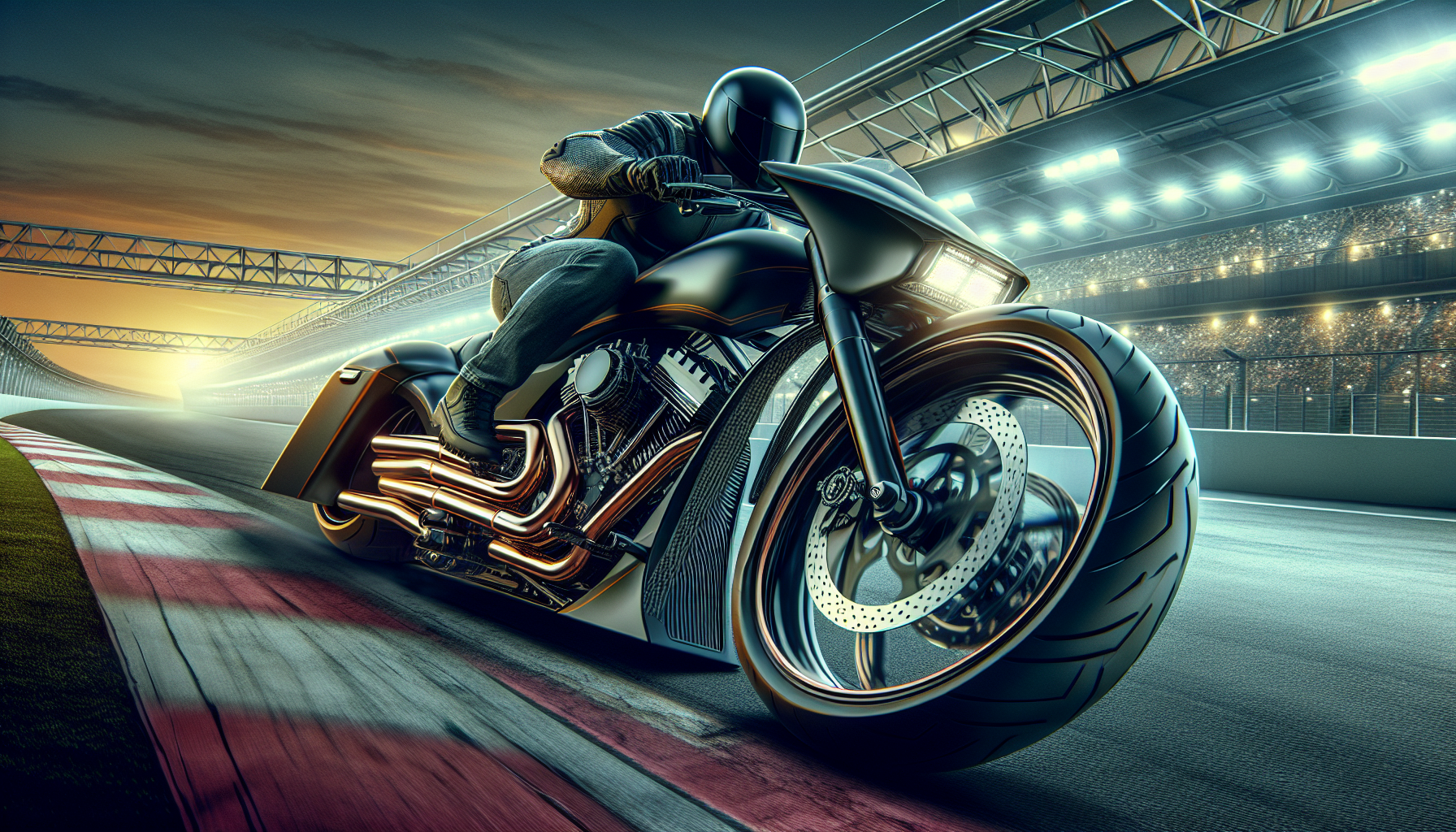
The performance bagger craze has moved from niche garage builds to the center of motorcycle culture, and in 2026 riders are proving that heavy iron can corner hard, brake late, and cover big miles without giving up style. A performance bagger is a touring-based motorcycle, usually with hard saddlebags and a fairing, modified or engineered for stronger acceleration, sharper handling, better braking, and a more aggressive riding stance. In plain terms, it is a big V-twin or touring bike that has been taught to behave like a muscle bike in the twisties while still carrying luggage, a passenger, and long-distance comfort. That combination explains why the category now dominates conversations in shops, at rallies, and across custom culture media.
I have watched this shift happen in real time at track days, demo events, and dealer launches. Ten years ago, many riders treated baggers as highway couches and sport bikes as the only answer for performance. That split is fading. Modern chassis geometry, inverted forks, radial brakes, ride modes, and high-output Milwaukee-Eight and PowerPlus engines changed expectations. Builders such as Saddlemen-backed race teams, S&S Cycle, Kraus Moto, and performance dealers around the country showed that a 700-plus-pound motorcycle can be fast, controllable, and genuinely fun on technical roads. When King of the Baggers put faired V-twins into bar-to-bar racing, it gave the movement a public stage and a clear story: these bikes are no longer pretending to be athletic. They are athletic.
As a hub for Trends and Styles within custom culture, this article covers the forces behind the performance bagger boom, the design cues defining the look, the parts that matter, the rider profiles driving demand, and the tradeoffs buyers should understand before joining in. If you want to understand why 2026 riders are racing heavy iron, start with one simple fact: the category succeeds because it solves more than one problem at once. Riders want speed, presence, comfort, personalization, and social credibility in a single machine. Performance baggers deliver that package better than almost any other trend on two wheels.
How racing legitimized the performance bagger movement
The biggest accelerant was organized racing. MotoAmerica’s Mission King of the Baggers series did not invent the idea of a fast touring bike, but it turned a regional custom scene into a national benchmark. Once riders saw Harley-Davidson Road Glides and Indian Challengers leaned over at race pace, dragging bodywork and storming down straights at triple-digit speeds, the old joke about baggers being only for boulevard cruising stopped landing. Racing gave the category proof. It also created a feedback loop between competition parts and street parts. What worked on track influenced suspension packages, brake upgrades, exhaust systems, and tuning strategies sold to everyday riders.
The race connection matters because trends become durable when they are validated by performance, not just appearance. In the early custom era, builders often chased style first. In the current bagger wave, style and function reinforce each other. A taller rear shock is not just for a tougher stance; it increases lean angle and helps the bike finish a corner. A billet triple tree is not only eye candy; it can improve front-end rigidity and steering feel. High-performance brake rotors and monoblock calipers do more than fill visual space behind a 19-inch front wheel. They shorten stopping distances and resist fade on mountain descents. Riders respond to modifications they can feel immediately.
Manufacturers also noticed. Harley-Davidson’s CVO Road Glide ST, Road Glide ST, and Street Glide ST signaled that the factory now understands the performance-touring customer. Indian did the same with the Challenger and Pursuit platforms, especially in trim levels that emphasize the liquid-cooled PowerPlus engine, inverted forks, and premium braking components. Even riders who never intend to race benefit from the halo effect. They walk into dealerships expecting sharper stock suspension, stronger engines, and geometry that supports aggressive cornering. The market has effectively raised its baseline.
The 2026 performance bagger style guide
Performance bagger style in 2026 is recognizable at a glance because the visual language is now consistent across factory bikes and customs. The foundation is a large frame-mounted or fork-mounted fairing, hard bags, and a stretched but functional silhouette. The difference from a traditional dresser is in the details. Riders want a bike that looks compressed, intentional, and ready to attack a canyon road. That means taller rear ride height, low bars or moto-style pullbacks, slim seats that lock the rider in place, and bodywork that appears tighter and more aerodynamic than full luxury touring trim.
Color and finish trends have shifted too. Gloss black still sells, but the 2026 look leans harder into contrast: exposed carbon-fiber accents, machined aluminum, bronze-coated hardware, and race-inspired graphics packages. Saddlemen seats, Kraus riser setups, ODI or Thrashin Supply-style controls, and short performance mufflers are not random accessories; they signal membership in a specific subculture that values measurable upgrades. Even wheel choices communicate intent. Instead of oversized show wheels that hurt handling, many serious builds use forged aluminum wheels designed to reduce unsprung and rotational mass. That choice sharpens turn-in and suspension response while still delivering a premium custom appearance.
Another defining trend is the mix of club-style influence with touring practicality. The club scene popularized tall risers, compact fairings, and performance suspension on Harley Dynas and Softails. Performance baggers absorbed those cues but translated them to touring frames. The result is a machine that feels more muscular than luxurious. Riders want saddlebagged motorcycles that look like they could leave a bike night, hit a backroad, and then cross two states before sunset. In custom culture terms, this is why the style has legs: it is not costume. It is an aesthetic built around use.
Why heavy motorcycles can still perform
The phrase heavy iron sounds like a disadvantage, yet that weight is only part of the story. A modern performance bagger carries mass low in the chassis, stretches the wheelbase for stability, and uses broad torque curves that make real-world acceleration immediate. On the street, especially on imperfect pavement, that can create a planted, confidence-inspiring ride that many supersport motorcycles do not match. A high-revving 600cc machine may win on a stopwatch at the racetrack, but a tuned touring V-twin with 120-plus pound-feet of torque can feel faster and more usable when passing traffic, climbing grades two-up, or exiting slower corners without constant downshifting.
Suspension is the real equalizer. In my experience, the single biggest transformation comes from replacing underdamped stock rear shocks with quality units from Öhlins, Fox, Legend Suspensions, or Penske, then matching them with properly valved forks. Good suspension keeps the chassis calm under braking, improves tire contact, and gives the rider feedback instead of wallow. Braking comes next. Brembo calipers, larger rotors, braided steel lines, and modern ABS calibration change rider confidence more than raw horsepower numbers do. Once a bagger can stop repeatedly and hold a line, the extra weight becomes manageable rather than intimidating.
Engine tuning completes the package. A Stage 2 or Stage 3 build on a Milwaukee-Eight, or intake, exhaust, and ECU tuning on an Indian PowerPlus, delivers the kind of roll-on thrust that suits a heavy motorcycle. The goal is not peaky dyno bragging. The goal is broad, reliable torque. Good tuners know that heat management, fueling, and rideability matter as much as top-end output, especially on bikes expected to idle in traffic and then run all day at interstate speeds. The best performance baggers feel cohesive because every system supports the same mission.
The parts and setups riders are actually buying
Most riders enter the trend in stages, not with a six-figure build. They start with the modifications that offer the clearest return in comfort, control, and style. The parts below dominate shop invoices because they change the bike in practical ways and create a strong visual signal at the same time.
| Upgrade | Why riders choose it | Typical effect on the road |
|---|---|---|
| Rear shocks and fork cartridges | Better damping, more lean angle, improved ride height | Sharper cornering, less wallow, more confidence over bumps |
| Performance seat | Locks rider in place and reduces sliding under acceleration | Better control, longer comfort, improved body position |
| Risers, bars, and controls | Creates an active riding posture with better leverage | Quicker steering input, less fatigue, stronger visual identity |
| Exhaust, intake, and ECU tune | Unlocks torque and improves throttle response | Stronger roll-ons, smoother delivery, more heat-conscious tuning |
| Brake upgrades | Stock systems can be the weak point on heavy bikes | Shorter stops, better lever feel, less fade on hard rides |
| Forged wheels and quality tires | Reduces rotating mass and increases grip | Faster turn-in, better traction, more predictable handling |
Notice what is missing from that list: giant cosmetic-only parts. The 2026 buyer is more educated than the average custom customer of the past. Riders compare dyno sheets, shock travel, spring rates, wheel weights, and ECU maps in forums and at events. They ask whether a part helps ground clearance or just changes the silhouette. This more technical buying behavior is one reason the trend remains strong. It is rooted in results.
There is also a stronger appreciation for balanced builds. A loud exhaust without proper tuning can create heat, poor fueling, and a fatiguing ride. Extra horsepower without suspension is wasted. Tall bars that look dramatic but compromise wrist angle can ruin long-distance comfort. The best shops sell systems, not isolated parts, and serious riders increasingly seek that integrated approach.
Who is buying performance baggers in 2026
The buyer profile is broader than many people assume. One group consists of experienced V-twin riders aging out of hardtail customs, extreme choppers, or cramped club bikes but unwilling to surrender attitude. They want luggage, wind protection, and room for a passenger without stepping into bland touring culture. Another group is younger riders who grew up seeing stunt bikes, supermotos, and race content online and now want a motorcycle that delivers spectacle and utility together. For them, a performance bagger feels aspirational in a way a conventional dresser does not.
There is also a meaningful crossover audience from sport and adventure riding. These riders are not switching because baggers beat every category at every task. They are switching because the sensory experience is different. Big V-twin torque, a large fairing, and the visual drama of a leaned-over bagger provide a kind of involvement that many modern machines, despite greater technical capability, do not. The bagger is slower in absolute terms than many sport bikes, but it often feels richer, louder, and more characterful at legal or near-legal speeds. That matters in the real world, where emotion drives purchasing as much as specifications.
Women riders, returning riders, and long-distance couples are also part of the growth story. Lower seat heights on some platforms, stable chassis behavior, and strong aftermarket ergonomic support make these bikes surprisingly adaptable. Dealers report that many customers who came in for traditional touring models leave after test riding an ST or performance-oriented trim because the bike feels more alive without giving up essential comfort. In trend terms, the category wins because it welcomes multiple identities at once: racer, traveler, commuter, collector, and customizer.
What this trend means for custom culture next
Performance baggers are reshaping the larger custom scene by changing what counts as desirable craftsmanship. The old hierarchy rewarded chrome density, paint complexity, and visual excess. The new hierarchy rewards execution. Clean cable routing, suspension geometry, heat shielding, cornering clearance, wheel alignment, and a proper dyno tune now carry status. That is healthy for the culture because it connects aesthetics to engineering. A beautiful build that rides poorly has less credibility than it did a decade ago.
This trend is also influencing adjacent styles. Club-style Softails borrow bagger suspension thinking. Touring riders are adopting race-derived brake setups. Audio and long-haul luxury builds increasingly include performance foundations before adding comfort accessories. Expect more factory competition editions, more premium suspension partnerships, and more modular aftermarket packages designed around use cases such as canyon riding, two-up sport touring, and track-capable street builds. Electrification may eventually enter this conversation, but for now the heart of the trend remains mechanical feel: torque pulses, intake sound, chassis feedback, and the satisfaction of making a large motorcycle move with precision.
The main takeaway is simple. Riders are racing heavy iron in 2026 because performance baggers deliver a rare combination of speed, comfort, identity, and practicality. They are not a fad built on appearance alone, and they are not just touring bikes with louder pipes. They represent a mature style movement within custom culture, one backed by racing, supported by serious engineering, and validated by riders who actually put miles on their machines. If you are building a Trends and Styles reading list, make performance baggers your starting point, then explore the related topics that grow from this hub: club-style crossover builds, performance suspension tuning, wheel and tire strategy, modern bagger ergonomics, and race-inspired V-twin aesthetics. The category’s message is clear: big motorcycles no longer have to choose between presence and pace. They can own both. If you are shopping, test ride one well-set-up example and feel the difference for yourself.
Frequently Asked Questions
What is a performance bagger, and how is it different from a standard touring motorcycle?
A performance bagger is a touring-based motorcycle that keeps the signature look and long-distance capability of a traditional bagger while adding meaningful upgrades for speed, control, and rider engagement. In most cases, that means a big V-twin platform with hard saddlebags and often a frame-mounted or fork-mounted fairing, but with sharper suspension, stronger brakes, improved tires, more cornering clearance, and engine tuning aimed at quicker acceleration. The riding position may also be slightly more aggressive, with bars, seat shape, and controls designed to give the rider better leverage and feedback.
The biggest difference from a standard touring bike is intent. A conventional touring motorcycle is primarily tuned for comfort, stability, passenger support, and highway miles. A performance bagger still does those things, but it is engineered or modified to handle twisty roads, late braking zones, and fast transitions far better than people expect from a heavyweight machine. In other words, it is not just a dressed-up cruiser. It is a full-size motorcycle that has been rethought to deliver real athleticism without losing its visual presence, road-trip practicality, or unmistakable V-twin character.
Why are performance baggers so popular in 2026?
Performance baggers have exploded in popularity in 2026 because they sit at the intersection of style, real-world usability, and surprisingly high performance. Riders no longer want to choose between a bike that looks bold, a bike that can travel all weekend, and a bike that is genuinely fun when the road gets technical. The performance bagger checks all three boxes. It offers the visual drama of big bodywork, stretched lines, and hard bags, but it also delivers modern handling and braking that challenge old assumptions about what a heavyweight touring motorcycle can do.
Cultural visibility has also played a major role. Racing series, custom builders, aftermarket brands, and factory-backed performance models have pushed baggers from niche garage experiments into the mainstream. What used to be seen as an unusual custom scene now has legitimacy on the track, at rallies, and on social media. Riders are watching these machines drag floorboards less, lean harder, and run faster lap times than many people thought possible.
There is also a practical reason for the trend. Many riders want one motorcycle that can commute, tour, carry gear, and still feel exciting on a canyon road. A performance bagger makes that possible. In 2026, that blend of versatility and attitude is exactly what many buyers are looking for, especially experienced riders who want comfort and presence without giving up cornering confidence or acceleration.
Can a heavy bagger really handle well, or is the performance mostly hype?
Yes, a heavy bagger can absolutely handle well, and the performance is not just marketing hype. Weight does matter, and no one is pretending that an 800-plus-pound touring machine will feel exactly like a middleweight sport bike. But modern chassis development, suspension technology, tire compounds, and brake systems have dramatically changed what these motorcycles can do. A properly set up performance bagger can feel planted, precise, and impressively composed, especially in fast sweepers, rough pavement, and real-world roads where stability matters as much as agility.
The key is understanding what “handles well” means in this category. Performance baggers are not built to mimic supersports. They are built to maximize confidence and speed within the reality of a large-displacement touring platform. Better shocks and fork internals reduce wallow and dive. Higher-quality brakes improve stopping power and lever feel. Stickier tires and optimized geometry help the bike turn in more predictably and hold a line with less drama. Increased cornering clearance lets riders lean farther before hard parts touch down, which is a major part of the transformation.
For many riders, the surprise is how capable these motorcycles feel once they are moving aggressively. The mass often becomes less intimidating because the bike is better controlled. So while hype certainly exists around any trend, the core appeal of the performance bagger is backed by genuine mechanical improvement. The best examples are not just fast for a bagger. They are legitimately enjoyable to ride hard.
What upgrades make the biggest difference on a performance bagger?
If the goal is to create a true performance bagger rather than just a louder or flashier touring bike, suspension is usually the most important place to start. High-quality rear shocks and improved fork components transform the motorcycle’s behavior by controlling weight transfer, reducing chassis movement, and helping the tires stay in contact with the road. That means better corner entry, more stability mid-turn, and improved confidence when accelerating out of corners. Many riders are surprised to learn that suspension often delivers a bigger real-world benefit than engine work.
Brakes are another major upgrade area. Stronger calipers, larger rotors, braided lines, and better pads can dramatically improve stopping performance and consistency. On a heavyweight motorcycle, braking confidence is essential. A bagger that can shed speed cleanly and predictably feels more manageable everywhere, from mountain roads to urban traffic.
Tires also play a huge role. Performance-oriented rubber gives better grip, faster warm-up, and more precise steering response. Combined with suspension and brakes, the right tires help the bike feel like an integrated package rather than a collection of bolt-ons. Beyond that, common upgrades include engine tuning, intake and exhaust changes, cam packages, handlebar setups, performance seats, and floorboards or controls designed to improve rider position and cornering clearance.
The most effective builds follow a balanced formula. More horsepower is fun, but it works best when the chassis, brakes, and ergonomics are improved at the same time. That is what separates a serious performance bagger from a cosmetic custom. The goal is not only to go faster in a straight line, but to make the whole motorcycle more capable, more controlled, and more rewarding to ride.
Are performance baggers still good for long-distance touring, or do the upgrades ruin comfort?
In most cases, a well-executed performance bagger still works very well for long-distance touring, and many of the best ones actually feel better over big miles than stock motorcycles. That may sound counterintuitive, but performance upgrades do not automatically mean a harsh or uncomfortable ride. Quality suspension, for example, often improves comfort by managing bumps more effectively and keeping the bike composed under load. A premium shock is not just about corner speed. It can also reduce fatigue by preventing the bike from bouncing, wallowing, or bottoming over imperfect pavement.
Performance baggers also retain the features that make touring bikes useful in the first place: wind protection, luggage capacity, broad torque, stable highway manners, and roomy ergonomics. Riders can still carry gear, cover serious mileage, and enjoy the visual style that drew them to the platform. The difference is that they no longer have to accept vague handling or excessive chassis movement when the route gets interesting.
That said, comfort depends on how the bike is built. Extremely aggressive setups can trade some plushness for control, especially if the owner prioritizes track-inspired handling above all else. Low-profile seats, firm suspension tuning, or very aggressive ergonomics may not suit every rider. The best approach is to match the build to the intended use. For most 2026 riders, that means creating a bagger that can devour highway miles, carve back roads, and still look right parked at a bike night. When done properly, a performance bagger does not ruin the touring experience. It broadens it.