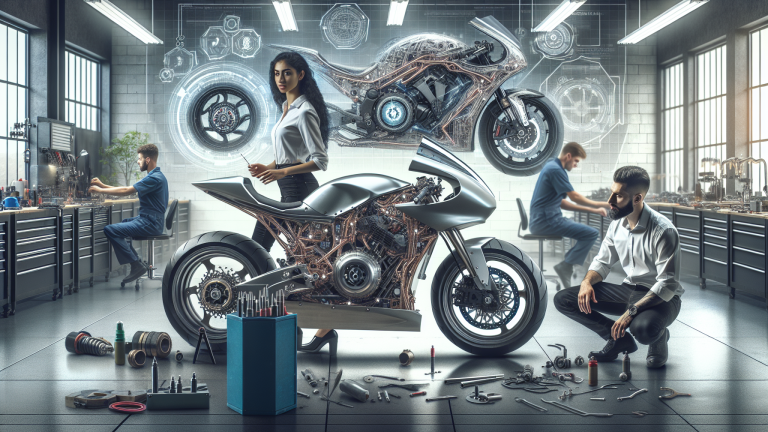
Carbon fiber has moved from exotic race paddocks and aerospace labs into garages, bike shops, marine yards, and boutique fabrication studios, reshaping what custom builders mean when they talk about performance, style, and craftsmanship. In the custom culture world, “ultra-light materials” usually refers to composites and advanced alloys engineered to cut mass without giving up stiffness, safety, or visual impact, and carbon fiber sits at the center of that shift. It is a composite made from thin strands of carbon bound in resin, then layered in specific orientations to create parts that are remarkably strong for their weight. In practical terms, that means hoods, splitters, interior trim, motorcycle subframes, wheelsets, seat shells, and even entire monocoques can weigh dramatically less than steel alternatives while opening new design possibilities.
This matters because weight influences nearly every aspect of a build. Reduce mass and a vehicle can accelerate harder, brake shorter, corner more precisely, and use less energy. On bicycles, lower weight changes climbing feel and rider fatigue. On boats, lightweight structures affect efficiency, planing, and payload. Even in purely aesthetic projects, carbon fiber signals intent: it tells viewers the builder values function, material science, and a motorsport-informed look. I have watched this change firsthand in custom shops where a carbon roof or forged wheel set did more than improve lap times; it altered the entire direction of a project, from suspension tuning to paint strategy to how a customer described the build online.
As a hub for trends and styles in custom culture, this article maps the full landscape: why carbon fiber became desirable, where it works best, where it disappoints, how builders combine it with other materials, what finishing styles are dominating right now, and which tradeoffs serious enthusiasts should understand before spending money. The most important point is simple: carbon fiber is not magic, but when chosen for the right part, built with the right process, and matched to the right use case, it changes custom builds in ways few materials can.
Why Carbon Fiber Became the Signature Material of Modern Custom Builds
Carbon fiber rose to prominence because it solves two problems at once: it lowers weight and it communicates advanced engineering. That dual value is rare. Aluminum is light, but it does not have the same visual theater. Steel is affordable and predictable, but it adds mass quickly. Fiberglass is versatile and inexpensive, yet it generally cannot match carbon’s stiffness-to-weight ratio. In high-end customs, builders often chase “free performance,” meaning gains that do not require more engine output or a larger powertrain. Lighter body panels, seats, driveshafts, and aero parts deliver exactly that. Remove 100 pounds from a car and you improve every dynamic system at once.
There is also a cultural reason for carbon fiber’s rise. Motorsport filtered into street style. As Formula 1, endurance racing, MotoGP, and superbike design became more visible online, enthusiasts started wanting the same exposed weave, satin clear coats, and structural honesty on road cars and custom bikes. A carbon rear diffuser or tank cover became the visual shorthand for a build that takes performance seriously. Social platforms amplified the effect. Under shop lights, twill weave patterns photograph beautifully, and that made carbon fiber both a technical choice and a branding tool for builders.
Manufacturing advances helped too. Pre-preg materials, vacuum bagging, resin infusion, and better CNC mold making lowered barriers for small specialist shops. While true aerospace-grade part production still demands tight process control, the aftermarket now includes reputable suppliers producing autoclaved panels, compression-molded components, and forged carbon trim pieces at a level of quality that was rare two decades ago. Brands such as Akrapovič, BST, Rotiform, Eventuri, Seibon, and Ilmor-adjacent motorsport suppliers normalized carbon in enthusiast markets. The result is that carbon fiber no longer belongs only to elite racing programs; it is now a core language of custom trends and styles.
Where Ultra-Light Materials Make the Biggest Difference
Not every part benefits equally from carbon fiber. The smartest builds target areas where weight reduction changes performance the most. Unsprung mass is the classic example. Lightweight wheels, brake components, and suspension elements improve how quickly the tire follows the road surface, which can sharpen grip and ride quality at the same time. A carbon fiber wheel on a performance car or motorcycle reduces both unsprung and rotational mass, and that matters more than a similar weight savings from a stationary trim panel. I have seen bikes transformed by a high-quality carbon wheel set more than by many expensive engine modifications, because steering response and acceleration changed immediately.
High-mounted weight is another priority. Roof panels, hatches, upper fairings, and elevated bodywork affect center of gravity. Replacing a steel roof with a carbon roof lowers mass from one of the worst possible locations, helping reduce body roll and improving transitional behavior. BMW’s M models made this logic familiar to mainstream enthusiasts, and custom builders have followed the same rule for years. On off-road rigs and overland-inspired customs, lightweight roof accessories matter even more because heavy rooftop loads degrade stability quickly.
Then there are aerodynamic components. Splitters, canards, diffusers, wings, and ducts benefit from carbon because these parts need stiffness to hold shape under airflow. A floppy aero part can stall, scrape, or fail; a well-built carbon part maintains its profile and can survive track abuse better than cheap fiberglass replicas. Interior parts also matter, especially when builders chase total vehicle mass. Seat shells, center consoles, door cards, and dashboard structures can remove meaningful weight while reinforcing a stripped, motorsport-driven aesthetic.
| Build Area | Why Carbon Fiber Works | Best Use Case | Main Limitation |
|---|---|---|---|
| Wheels | Reduces unsprung and rotational mass | Track cars, superbikes, premium road builds | High cost and impact sensitivity concerns |
| Roof and upper panels | Lowers center of gravity | Performance coupes, race-style customs | Complex installation and finishing |
| Aero parts | High stiffness with low weight | Track-focused cars, time attack builds | Cheap parts often prioritize looks over function |
| Interior components | Saves weight and creates race-inspired style | Restomods, club sport builds, custom bikes | Can feel cosmetic if overused |
| Frames and structural pieces | Exceptional stiffness-to-weight potential | Bicycles, supercars, specialty fabrication | Requires advanced engineering and inspection |
The table highlights a common pattern in custom culture: the most respected carbon applications are the ones that deliver measurable benefits, not just visual novelty. Builders who understand this usually earn more credibility because their material choices align with how the machine is actually used.
Design Trends and Finishing Styles Shaping the Look Right Now
Carbon fiber style has matured. Early aftermarket trends often favored maximum exposure: glossy twill weave on every mirror cap, dashboard insert, and engine cover. That look still has an audience, but current custom trends are more selective. Exposed carbon is now often used as a visual accent rather than a blanket theme. Satin and matte clear coats are especially popular because they reduce glare, photograph well, and feel closer to endurance racing and OEM performance design. Builders also mix weave directions deliberately so body lines flow rather than fight each other, a detail casual buyers miss but experienced fabricators obsess over.
Forged carbon has become another major style signal. Unlike traditional woven carbon cloth, forged carbon uses chopped fibers compressed in resin, creating a marbled pattern rather than a visible weave. Lamborghini pushed this aesthetic into mainstream awareness, and now custom interiors, steering wheels, shrouds, and trim packages use forged carbon when builders want something technical but less predictable than 2×2 twill. Colored carbon is growing too. Tinted resins, hybrid weaves with Kevlar, and dyed fibers let shops create blue, red, silver, or bronze undertones without abandoning the material’s identity.
One important trend is contrast. Carbon fiber now appears alongside leather, Alcantara, brushed aluminum, Cerakoted metal, and even natural wood in high-end restomods. That combination keeps a build from looking one-dimensional. A vintage Porsche or Land Cruiser with discreet carbon seat backs and structural reinforcements can preserve classic character while improving performance. On motorcycles, carbon often pairs with titanium exhausts and machined billet controls for a layered materials story. The best custom styling does not shout “carbon everywhere.” It uses carbon where the eye and the engineering both benefit.
Another shift is toward paint-partial exposure. Instead of leaving a full hood exposed, builders may paint most of the panel and reveal only a center stripe, vent area, or underside. This creates a cleaner look and reduces the risk of a build feeling dated. In my experience, customers who initially ask for full exposed carbon often end up preferring a more restrained finish after mockups, because selective exposure feels more premium and survives trend cycles better.
How Builders Use Carbon Fiber Across Cars, Bikes, Bicycles, and Marine Projects
In car culture, carbon fiber has spread far beyond obvious parts such as hoods and spoilers. Modern custom car builds use carbon driveshafts, prop shafts, intake systems, seat structures, brake ducts, front clips, and one-piece aero assemblies. Time attack and track-day communities value rigid splitters and vented hoods that combine cooling and downforce management. Restomod builders use hidden carbon reinforcement in floors, inner panels, and trunk structures to stiffen old chassis without advertising the modification. EV customizers are also joining the trend, because reducing mass can help offset battery weight and support range.
Motorcycles may be the purest expression of the material. Fairings, wheels, fenders, tail sections, tank covers, airboxes, and subframes all benefit from lower weight. Because bikes are so sensitive to mass distribution, relatively small changes are noticeable. Carbon bodywork can make direction changes feel sharper, while carbon wheels from makers such as BST have become aspirational upgrades in premium builds. The caveat is heat management and crash damage. A beautiful carbon belly pan near an exhaust system needs proper shielding, and a dropped bike can damage a part in ways paint might hide.
On bicycles, carbon fiber is already mainstream, but custom culture has pushed it further through layup tuning, integrated cockpits, aero seat posts, and bespoke frame geometry. Builders and fit specialists choose different fiber orientations to balance compliance and stiffness for climbing, sprinting, gravel riding, or endurance use. Riders often assume lighter is always faster, but experienced bike builders know ride quality and fit still matter more than headline grams. Carbon enables that nuance because the material can be engineered around the rider rather than simply substituted for metal.
Marine projects use carbon selectively because cost rises fast on larger structures, but masts, foils, hardtops, seating shells, and performance hull components benefit greatly. In powerboats and sailing applications, every kilogram saved aloft improves stability and efficiency. The marine environment also forces disciplined finishing and inspection, since UV exposure, salt, and moisture can punish poor resin systems and bad edge sealing. That harsh reality makes marine custom work a useful reminder that carbon fiber is only as good as its design and execution.
Cost, Safety, and the Limits Most Buyers Ignore
The biggest mistake in the carbon fiber conversation is pretending that every part is worth buying. It is not. Genuine high-quality carbon is expensive because the material, tooling, labor, curing process, and quality control are expensive. A bargain carbon hood may save little weight compared with aluminum, fit poorly, and require hours of bodywork before paint or clear coat. Cosmetic overlay parts can look good for a season and then yellow, crack, or delaminate. I always advise builders to ask a simple question before ordering: is this part structural, semi-structural, aerodynamic, or decorative, and was it engineered for that role?
Safety is equally important. Carbon fiber behaves differently from metal in an impact. Steel bends; aluminum often deforms visibly; composites can crack, delaminate, or fail internally. That does not make carbon unsafe, but it does mean inspection standards matter. In racing, teams regularly inspect composite parts for hidden damage using tap testing, ultrasound, or strict replacement intervals. Road builders should at least understand impact history, mounting loads, and manufacturer guidance. Reputable wheel makers, for example, publish testing standards and recommended service practices. Buyers should look for compliance with recognized benchmarks such as TÜV validation where applicable, SAE-informed testing practices, and transparent production methods.
Repairability is another tradeoff. Some carbon components can be repaired by specialist composite technicians, especially non-critical body panels, bicycle frames, and cosmetic pieces. Others should be replaced, particularly if they carry safety loads or have uncertain damage near mounting points. Insurance coverage can also be more complicated. On custom cars, one damaged carbon part can trigger long lead times and expensive refinishing. These realities do not diminish the material’s value; they simply separate informed builders from trend chasers.
How to Choose Carbon Parts That Improve a Build Instead of Just Decorating It
The best buying strategy starts with use case. If the build is a weekend show car, finish quality and design integration may matter more than saving every ounce. If it is a track car, focus first on wheels, seats, roof panels, ducts, and aero components with known testing. If it is a canyon bike, prioritize wheel quality, heat shielding, and fit around service items. Ask about manufacturing method, fiber type, resin system, hardware inserts, UV protection, and whether the claimed weight includes brackets and mounting hardware. Good suppliers answer these questions clearly.
Fitment is a major filter. In custom shops, I have seen clients spend more correcting bad composite parts than they would have spent buying premium pieces from established brands the first time. Clean edges, consistent weave, solid mounting points, proper clear coat depth, and accurate panel gaps are not luxury extras; they are evidence of process discipline. Also consider whether the part supports the build story. A classic truck with random carbon mirror caps may feel forced, while hidden carbon reinforcements and a subtle interior package can feel thoughtful and modern.
Finally, treat carbon fiber as one chapter in a broader materials strategy. Titanium, magnesium, high-strength aluminum, advanced polymers, and even smart use of thinner-gauge steel all belong in the same conversation. The strongest custom trends do not worship one material. They use the right material in the right place for a measurable reason. That mindset produces builds that drive better, age better, and earn more respect. If you are planning a project under the Custom Culture umbrella, start by auditing where weight, heat, stiffness, and visual focus matter most, then choose carbon fiber with intention.
Ultra-light materials are changing custom builds because they influence performance, efficiency, and design language all at once. Carbon fiber leads that movement, but its real value appears only when builders understand where it works, how it fails, and how it should look within a cohesive project. Use this hub as your starting point for deeper trend and style decisions, then evaluate each part the way experienced fabricators do: by function first, finish second, and hype last.
Frequently Asked Questions
Why has carbon fiber become such a big deal in custom builds?
Carbon fiber has become central to modern custom builds because it changes the basic math of performance, design, and fabrication. In almost every custom scene—cars, motorcycles, bicycles, boats, and even specialty interiors—builders are constantly trying to remove unnecessary weight while keeping strength, stiffness, and visual appeal. Carbon fiber helps on all three fronts. Compared with traditional materials like steel, and in many cases even aluminum or fiberglass, carbon fiber composites can deliver excellent rigidity at a much lower weight. That means a builder can improve acceleration, braking, handling response, efficiency, and balance without always needing more engine power or more aggressive suspension changes.
It also matters because carbon fiber is not just a structural material; it is a design statement. The woven surface, glossy finish, and technical look instantly signal high-end craftsmanship and motorsport influence. For custom builders, that makes it useful both as a performance upgrade and as a styling element. Hoods, fenders, splitters, seat pans, fairings, dash panels, interior trim, and marine components can all benefit from that combination of low mass and premium appearance. Just as importantly, advances in manufacturing have made carbon fiber more accessible than it used to be. What was once limited to aerospace programs and elite race teams is now being shaped in boutique fabrication studios, garage workshops, and specialist parts shops, allowing more builders to use it in creative, application-specific ways.
What do people mean by “ultra-light materials” in the custom world, and where does carbon fiber fit in?
In the custom world, “ultra-light materials” usually refers to materials engineered to reduce mass without creating a major compromise in stiffness, durability, or safety. That category includes carbon fiber composites, fiberglass in some applications, Kevlar and hybrid fabrics, titanium, magnesium, advanced aluminum alloys, and modern core materials such as honeycomb or foam sandwich structures. The reason these materials matter is simple: reducing weight often improves performance more efficiently than chasing horsepower alone. A lighter custom car or bike can feel more responsive, stop shorter, change direction faster, and place less stress on tires, brakes, suspension, and driveline components.
Carbon fiber sits at the center of this shift because it offers one of the best strength-to-weight and stiffness-to-weight profiles available in mainstream custom fabrication. Technically, carbon fiber itself is made from extremely thin strands of carbon, usually woven into fabric and combined with resin to create a composite part. That composite can be engineered in different ways depending on the job. Builders can change the weave orientation, the number of layers, the resin system, and the curing process to tune how a part behaves. This is what makes carbon fiber so attractive: it is not just light, it is highly configurable. In a custom build, that means it can be used for aesthetic overlays, semi-structural body panels, or fully structural components when designed and manufactured correctly. It represents the broader move away from one-size-fits-all materials and toward purpose-built construction.
Does adding carbon fiber automatically make a custom build faster or better?
No, not automatically. Carbon fiber is a powerful tool, but it only improves a build when it is used intelligently. The biggest advantage comes from removing weight in the right places. For example, reducing mass high up on a vehicle can lower the center of gravity, which improves stability and handling. Removing unsprung weight—such as from wheels or certain suspension-adjacent components—can improve ride quality and responsiveness. Lightening rotating parts can also sharpen acceleration and braking feel. So the results depend not just on using carbon fiber, but on where the material is used and how the part integrates with the rest of the build.
There is also a difference between cosmetic carbon fiber and functional carbon fiber. A decorative trim piece may look impressive, but it will not change performance in a meaningful way. On the other hand, a well-designed carbon roof, hood, aero element, bike frame component, or marine hatch structure can create measurable gains. Builders also need to account for how the rest of the machine is set up. If weight is removed from one area without recalibrating suspension, spring rates, alignment, or balance, the final result may not be as refined as expected. In other words, carbon fiber is not magic. It works best as part of a complete build strategy that considers structure, geometry, load paths, heat, vibration, finish quality, and real-world use. When used with that level of planning, it can absolutely make a build better—but the material itself is only one piece of the equation.
What are the main downsides or challenges of using carbon fiber in custom fabrication?
The first challenge is cost. Quality carbon fiber materials, proper resin systems, tooling, molds, vacuum bagging equipment, and finishing work can make even a small project expensive. If a builder wants true structural performance rather than a surface skin, costs rise further because the part must be engineered correctly and often requires more advanced layup methods and careful curing. Labor is another major factor. Carbon fiber fabrication is detail-sensitive work. Surface prep, fabric orientation, resin control, compaction, trimming, bonding, and finishing all have to be done properly to produce a strong and attractive result.
The second challenge is that carbon fiber behaves differently from metals. Steel and aluminum can bend, dent, or deform in ways that are often visible and somewhat predictable. Carbon fiber composites can be extremely strong, but when overloaded or poorly designed they may crack, delaminate, or suffer impact damage that is not always obvious from the outside. That means inspection, repair, and safety evaluation can be more complicated. There are also application-specific concerns such as heat resistance near engines or exhaust systems, UV protection for exposed finishes, galvanic corrosion when carbon contacts certain metals, and long-term durability if the part is exposed to vibration, moisture, or harsh marine conditions. For custom builders, the takeaway is that carbon fiber rewards expertise. It is not a universal replacement for every material, and it performs best when matched to the right job, built with the right process, and maintained with a clear understanding of composite behavior.
Which custom build parts benefit the most from carbon fiber, and how should builders decide where to use it?
The parts that benefit most are usually the ones where weight reduction, stiffness, and packaging matter at the same time. In automotive builds, that often includes hoods, roofs, trunk lids, splitters, diffusers, spoilers, seat shells, interior panels, air boxes, and certain underbody components. In motorcycles, common high-value uses include fairings, tank covers, subcomponents, seat units, front fenders, and accessory panels where reducing upper weight can improve feel and responsiveness. In bicycles, carbon fiber is especially valuable in frames, forks, wheels, bars, and seatposts because every gram saved affects acceleration, climbing, and ride behavior. In marine applications, it is often used in hatches, consoles, hardtops, seating structures, and performance-critical elements where weight savings improve speed, fuel efficiency, and balance on the water.
The best way to decide where to use carbon fiber is to start with the goals of the build. If the goal is all-out performance, focus on components that remove meaningful weight or improve aero efficiency without compromising safety. If the goal is a balanced street build, it may make more sense to use carbon fiber selectively in visible areas that offer moderate weight savings and strong visual impact. If the goal is craftsmanship and exclusivity, carbon fiber may be used in interiors, trim, custom enclosures, or mixed-material pieces paired with aluminum, leather, or wood. Builders should also ask practical questions: Is the part exposed to impacts? Does it sit near heat? Is it cosmetic, semi-structural, or fully structural? Will it need easy repairability? The smartest custom builds use carbon fiber where its properties genuinely matter, rather than applying it everywhere just for appearance. That is what separates a thoughtful advanced-material build from a trend-driven one.