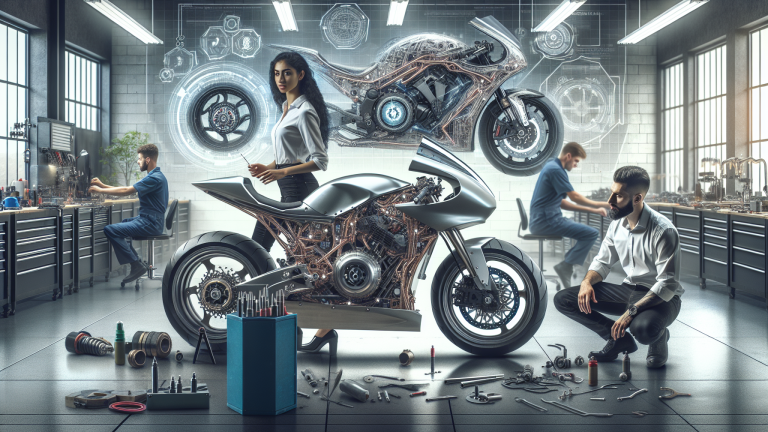
The $5,000 Project Challenge: Building a Custom Tracker on a Budget is the kind of build that turns daydreams into hard decisions, because every part, tool, and shortcut shows up in the final ride. In the project bikes world, a “tracker” usually means a stripped, agile street machine inspired by flat track racers: upright bars, neutral ergonomics, predictable handling, and a clean silhouette that prioritizes function over chrome. A “custom tracker” does not have to be a race replica, but it should carry the same practical DNA: low visual weight, quick steering, strong midrange power, and durable components chosen for real use. The $5,000 budget matters because it forces discipline. Instead of buying identity through expensive bolt-ons, you build it through planning, smart sourcing, and mechanical judgment. I have worked through enough budget customs to know that most overruns come from three places: buying the wrong donor, underestimating fabrication, and repainting the same idea twice. This hub page covers project bikes comprehensively from that reality-first perspective. If you want a tracker that looks right, rides right, and does not become a half-finished garage sculpture, start here. The goal is not just to save money. The goal is to spend on the parts that actually shape the motorcycle.
Choosing the Right Donor Bike
The donor bike determines whether your $5,000 tracker budget is realistic. In practice, the best candidates are simple, common motorcycles with strong aftermarket support, healthy used-parts supply, and engines that can survive neglect. Good examples include the Yamaha XS650, Suzuki SV650, Honda CB750 Nighthawk, Suzuki GS twins, Kawasaki EX500, and single-cylinder platforms like the Suzuki DR650 or Yamaha SR400. Newer fuel-injected bikes can work, but carbureted donors often keep costs down when wiring and electronics are not your strongest skill. The wrong donor is usually cheap for a reason: missing title, hacked harness, blown forks, hidden engine noise, or rare model-specific parts that force you into custom fabrication for basic maintenance items.
When I inspect a donor for a budget tracker build, I focus on seven things before paint or style even enters the conversation: title status, frame integrity, engine compression, charging output, wheel straightness, fork condition, and brake system completeness. Cosmetic damage is negotiable. Missing side covers, scratched tanks, and ugly seats can help you negotiate. A bent frame, contaminated oil, or charging system failure can eat the budget immediately. Ask for cold-start video, service history, and close photos of neck welds, engine cases, and the inside of the fuel tank. If the owner says “just needs carbs cleaned,” assume the bike may also need intake boots, battery, petcock rebuild, and a full fuel system flush.
For most builders, the sweet spot is a complete running donor between $1,500 and $2,500. That leaves enough room for tires, suspension refresh, bars, seat work, lighting, paint, and the small hardware costs everyone forgets. Buying a basket case for $800 can look clever, but once you add missing gauges, controls, fasteners, and electrical repairs, the math usually collapses. Project bikes reward completeness far more than bargain hunting.
Budget Planning That Actually Works
A realistic tracker budget is not one number. It is a controlled sequence of spending decisions. I break builds into four buckets: donor purchase, safety and reliability, stance and ergonomics, and finish work. Safety and reliability always come first. Tires, brakes, bearings, chain and sprockets, cables, battery, and fork seals are not exciting, but they define whether the finished custom feels professional or sketchy. Stance and ergonomics come next because they create the tracker character: handlebar choice, seat profile, ride height, wheel and tire proportions, and exhaust routing. Finish work is last. Paint should never come before the bike starts, charges, stops, and tracks straight.
| Category | Target Budget | What It Covers |
|---|---|---|
| Donor bike | $1,500–$2,500 | Complete titled motorcycle with usable engine, frame, wheels, and controls |
| Safety and reliability | $900–$1,300 | Tires, brake rebuild, battery, fluids, seals, bearings, chain, sprockets, cables |
| Tracker conversion parts | $900–$1,200 | Bars, seat, fenders, lighting, exhaust changes, rearsets or peg changes, number plates |
| Finish and contingency | $400–$800 | Paint, powder coating, upholstery, hardware, unexpected repairs, registration costs |
This framework works because it prevents the classic budget mistake: spending $700 on tank paint and custom leather while riding on ten-year-old tires with sticky calipers. Leave at least 10 percent for contingency. On almost every build, something surfaces after teardown: wheel bearings feel rough, a stator tests weak, fork tubes are pitted in the travel area, or the steering head bearings notch under load. Budget project bikes succeed when the plan absorbs that reality instead of pretending it will not happen.
What Makes a Tracker Look and Ride Right
A convincing custom tracker is more than a seat hump and a fire-road photo. The visual language comes from proportion and purpose. The fuel tank should sit naturally with the frame, not tower over the top line. The seat should be flat or gently tapered, allowing rider movement and keeping the silhouette horizontal. Bars should be wide enough for leverage but not cartoonishly tall. Tires should suggest traction and toughness, yet still match actual street use. A 19-inch front wheel often helps the stance on older standards, but you do not need period-correct race dimensions to capture the idea. What matters is balance.
On the road, tracker ergonomics should feel neutral and alert. Mid controls or slightly rearward pegs work well. Excessively rear-set controls can make a street tracker feel cramped, while cruiser pegs ruin body positioning. Suspension setup matters as much as styling. If you lower the rear too much to chase a certain profile, steering slows and ground clearance disappears. If you fit cheap “universal” shocks with the wrong spring rate, the bike will pogo through corners regardless of how good it looks parked. I prefer to preserve useful travel, refresh stock forks with correct oil level and springs if needed, and choose quality shocks from proven suppliers like Hagon, YSS, Progressive Suspension, or Ikon when the budget allows.
Exhaust and intake changes deserve restraint. On many project bikes, a stock airbox and a freer-flowing muffler produce a better budget result than pod filters and a loud pipe. Pods often create tuning headaches on constant-velocity carburetors, especially on older Hondas and Suzukis. If your goal is a reliable rider, tuneability is part of style. A bike that starts cleanly, idles steadily, and pulls from low rpm feels more authentic than one that looks race-ready but stumbles off every stoplight.
Where to Spend and Where to Save
If you only remember one rule for a $5,000 tracker build, make it this: spend real money on parts that affect safety, geometry, and repeat labor. Save money on cosmetics that can be upgraded later. Tires are worth buying new from reputable brands such as Michelin, Dunlop, Pirelli, Bridgestone, or Continental. Brake components deserve the same seriousness. Rebuild calipers properly, replace aged rubber lines if needed, and use quality pads. Suspension is worth thoughtful spending because it shapes confidence every mile. Cheap shocks are false economy when you end up replacing them twice.
Save on non-structural styling pieces by buying used or modifying stock parts. Factory tanks often fit better than trendy replacements. A trimmed steel rear fender can look cleaner than an expensive handmade piece. Side number plates can be fabricated from aluminum sheet with basic tools. Many successful project bikes use refurbished OEM switchgear, repainted fork lowers, and secondhand bars from larger marketplaces. The best budget customs look cohesive because the builder selected parts with intent, not because every component came from a boutique catalog.
Labor is another hidden budget line. If you cannot weld, avoid a hardtail-inspired fantasy that requires subframe surgery, hidden electronics trays, and one-off exhaust mounts. Bolt-on or lightly modified solutions are cheaper and often more durable. The same goes for electrical work. A simple, well-routed harness using stock charging and ignition architecture is usually smarter than trying to reinvent the entire bike around a minimalist control module. M-Unit systems and custom looms can be excellent, but only if the wiring plan is within your skill level and budget.
Building in Phases Without Losing Momentum
Most unfinished project bikes die from scope creep. The owner strips a running motorcycle to the frame, sends random pieces out for coating, then stalls because every next step depends on five previous unfinished tasks. The budget-friendly way to build a custom tracker is phased transformation. Start by making the donor healthy and roadworthy. Then sort stance and ergonomics. Then refine appearance. This approach keeps the bike mobile, lets you test decisions in the real world, and reduces the psychological drag that kills long builds.
Phase one should include fluids, tune-up, brakes, battery, tires, chain drive inspection, steering head check, and charging test. Ride the bike enough to understand its baseline. Phase two can cover bars, seat, rear shocks, fork service, lighting cleanup, and minor trimming. Phase three is where paint, upholstery, coating, and detail hardware belong. By this point you know whether the bike tracks straight, whether the bars are comfortable at speed, and whether the chosen tires support the handling you want. That knowledge saves rework.
I have seen builders cut subframes before confirming seat height, then realize the riding position is wrong once the new bars are installed. I have seen fresh powder coating ruined during late-stage welding that could have been planned earlier. A phased build prevents expensive enthusiasm. It also creates natural content hubs for the wider Custom Culture topic: donor selection, budgeting, tracker ergonomics, suspension basics, carb tuning, and paint strategy all deserve their own supporting articles, while this page anchors the complete project bikes journey.
Common Budget Mistakes on Project Bikes
The most common mistake is building for photos instead of riding. Oversized dual-sport tires on a heavy street twin may look rugged, but they can slow steering, reduce feel, and wear poorly on pavement. The second mistake is ignoring fitment math. Before ordering a seat, tank, or shock, measure mounting points, wheel travel, chain clearance, and tire-to-fender distance. “Universal” often means “requires fabrication.” The third mistake is underestimating the cost of small parts. Rubber grommets, fuel line, stainless hardware, heat shrink, clamps, relays, gaskets, and connectors can quietly consume hundreds of dollars.
Another recurring issue is chasing performance gains before restoring baseline health. A rejet kit, velocity stacks, and a loud exhaust will not fix weak compression or a failing regulator-rectifier. On older project bikes, electrical grounding, charging stability, and fuel delivery should be verified with a multimeter and pressure-tested common sense before any modification money goes out. Compression and leak-down tests, spark quality checks, and valve clearance inspection give far better returns than cosmetic upgrades early in the build.
Finally, many builders fail to consider legality and registration. Lighting placement, plate brackets, mirror requirements, muffler noise limits, and turn signal rules vary by region. If the bike cannot pass inspection or risks constant roadside attention, the “budget” tracker becomes expensive in fines and rework. Build with local rules in mind from the start. Clean execution is always cheaper than last-minute correction.
The $5,000 Project Challenge: Building a Custom Tracker on a Budget is absolutely achievable, but only when the build is guided by priorities instead of impulse. Start with a complete donor that has a clear title, a sound frame, and a healthy engine. Put the first dollars into brakes, tires, bearings, battery, and suspension service. Shape the tracker identity through proportion, ergonomics, and practical component choices, not through random expensive parts. Spend where failure is costly, save where style can evolve later, and build in phases so the motorcycle stays understandable from first wrench turn to final test ride.
As the hub for Project Bikes within Custom Culture, this page sets the framework for every deeper topic that follows: donor selection, tracker geometry, carburetion, electrical simplification, suspension setup, seat fabrication, paint planning, and real-world budgeting. The core lesson is simple. A strong budget custom is not a lesser build. It is often a better one, because every part has to justify itself. If you are planning your own tracker, define your budget, shortlist two or three donors, and map the build in phases before buying parts. That one step will save money, reduce rework, and give your project bike the best chance of becoming a finished machine you actually ride.
Frequently Asked Questions
1. Is it really possible to build a custom tracker for $5,000?
Yes, but only if the budget shapes the build from the very beginning. A $5,000 custom tracker is realistic when the project starts with a sensible donor bike, a clear plan, and a willingness to prioritize function over expensive cosmetics. In most successful budget builds, the donor bike takes up a significant portion of the total spend, so choosing the right platform matters more than chasing rare parts later. Older Japanese twins, singles, and some standard motorcycles are often strong candidates because they are mechanically simple, widely supported, and easier to adapt into a tracker-style machine without major fabrication.
The biggest mistake builders make is confusing “custom” with “fully reinvented.” On this kind of budget, the smart path is to build a tracker-inspired motorcycle that captures the essentials: upright stance, clean body lines, neutral riding position, reduced weight, and dependable street manners. That usually means refreshing the mechanical basics first, then spending selectively on visual changes that also improve the ride. Suspension service, tires, brakes, controls, bars, seat, lighting, and basic tuning often deliver far more value than chasing one-off bodywork or premium finishes.
It is also important to budget for the unglamorous items. Gaskets, cables, fluids, battery, chain, sprockets, wheel bearings, carburetor rebuild parts, wiring supplies, and shop consumables can quietly eat into the total. A realistic $5,000 tracker build usually succeeds because the builder creates a detailed parts list early, leaves room for surprises, and resists changing direction halfway through the project. In other words, yes, it can be done, but discipline is what makes the number work.
2. What is the best donor bike for a budget-friendly custom tracker build?
The best donor bike is not necessarily the coolest or most powerful one. It is the one that lets you hit the tracker look and riding character without forcing expensive structural changes. For a $5,000 challenge, the ideal donor is mechanically sound, complete, easy to title, and common enough that replacement parts are affordable. Standard motorcycles, older UJMs, parallel twins, air-cooled singles, and some middleweight road bikes often make excellent foundations because they already have simple frames, usable geometry, and straightforward maintenance requirements.
When evaluating a donor, focus on four practical factors: engine health, frame condition, parts availability, and how much of the tracker style it already supports. An engine with good compression and no major bottom-end noise is worth paying more for, because internal repairs can destroy a budget fast. A straight frame and clean paperwork are equally important. Cosmetic roughness is usually acceptable, but hidden crash damage, rust in critical areas, or missing title documents can turn a “cheap deal” into an expensive headache.
Another smart consideration is how much fabrication the bike will require. A donor that already has a simple subframe, conventional forks, and standard wheel sizes is usually easier to work with than something highly specialized. The more the stock bike already lends itself to a flat, minimalist silhouette and neutral ergonomics, the less money you will spend correcting it. In a budget build, choosing the right starting point is often the single decision that determines whether the finished tracker feels intentional or compromised.
3. Where should the money go first in a $5,000 tracker project?
The money should go first into safety, reliability, and ride quality. That order matters. It is easy to get distracted by the visual transformation, but a tracker that looks right and rides poorly misses the point. Start with the systems that determine whether the bike is trustworthy on the road: brakes, tires, bearings, suspension, controls, charging system, and fuel delivery. Fresh rubber, serviced forks, healthy wheel bearings, properly functioning brakes, and a clean, tuned engine will do more for the final result than any paint or trim package.
Once the mechanical baseline is solid, the next priority should be the ergonomic and structural elements that define the tracker experience. Upright handlebars, footpeg position, seat shape, and overall rider triangle have a major influence on whether the bike actually feels agile and comfortable. After that, move to the visual simplification that supports the style: a cleaner tail section, reduced clutter, compact lighting, neater wiring, and a tank-and-seat combination that creates a cohesive line. These changes should still be made thoughtfully, because poor fitment or rushed fabrication can create reliability problems later.
As a rule, avoid spending heavily on areas that do not add meaningful performance or durability. Premium paint, boutique bolt-on parts, and one-off cosmetic pieces can consume the budget without improving the ride. A successful low-cost build is usually one where the owner invests in the invisible improvements first and lets the appearance follow the mechanical honesty of the machine. That approach not only keeps spending under control, but it also produces a custom tracker that feels purposeful rather than decorative.
4. What are the most common budget-killing mistakes when building a custom tracker?
The most common budget-killing mistake is starting without a complete plan. Builders often buy a donor because it is cheap, then discover it needs major engine work, impossible-to-find parts, or far more fabrication than expected. The second big mistake is constantly changing the concept mid-build. Switching from a mild street tracker to a more radical custom direction usually leads to duplicate purchases, wasted labor, and a pile of parts that no longer fit the vision. On a fixed budget, indecision is expensive.
Another major problem is underestimating the cost of basic refurbishment. Many project bikes need more than a quick cleanup. Carburetors may need rebuilding, electrical systems may be brittle or hacked, fork seals may be leaking, tires may be aged out, and the charging system may be weak. None of these repairs are glamorous, but skipping them leads to breakdowns, poor ride quality, and the false economy of doing the job twice. The same goes for trying to save money on critical components. Cheap tires, poor-quality controls, and bargain electrical parts can quickly erase any short-term savings.
Fabrication is another area where costs can spiral. Cutting the frame before confirming the seat design, buying aftermarket parts before measuring correctly, or outsourcing welding and finishing in small, unplanned stages can add up fast. Even small errors create downstream costs when parts need to be remade or repainted. The smartest budget builders work in sequence: define the stance, confirm fitment, sort the mechanics, then finalize cosmetics. They also leave contingency money in reserve, because nearly every project bike reveals at least one surprise after teardown. A budget survives not because everything goes perfectly, but because the builder expects some things not to.
5. Can a budget custom tracker still be reliable enough for regular street use?
Absolutely, and in many cases it can be more reliable than an overcomplicated custom build. Reliability on a budget comes from restraint, not corners being cut. A street-friendly tracker does not need exotic parts or radical engineering to work well. In fact, the best approach is usually to preserve as much proven factory functionality as possible while upgrading the areas that truly matter. Keeping the stock frame geometry largely intact, using quality replacement wear items, and avoiding unnecessary electrical or fuel-system complexity are all smart ways to build a bike that starts easily and behaves predictably.
Street reliability also depends on realistic choices about how the bike will be used. If the goal is weekend riding, commuting, and general backroad fun, the build should favor comfort, serviceability, and consistent tuning over extreme minimalism. That means secure wiring, proper lighting, decent weather resistance, a seat you can actually sit on, and controls that feel natural in traffic. It also means understanding that a tracker-inspired motorcycle is supposed to feel light, direct, and honest, not fragile or unfinished. A clean look is great, but not if it compromises practicality.
The final piece is disciplined setup and testing. Even a modest build can be excellent if the owner spends time dialing in carburetion or fueling, checking fasteners, aligning the wheels, setting chain tension, adjusting the brakes, and putting real shakedown miles on the bike before calling it finished. That process is what turns a project into a dependable machine. A $5,000 custom tracker will not hide mistakes behind expensive parts, but that can be a strength. When built carefully, it delivers exactly what the style promises: a simple, responsive motorcycle that is enjoyable to ride and realistic to maintain.