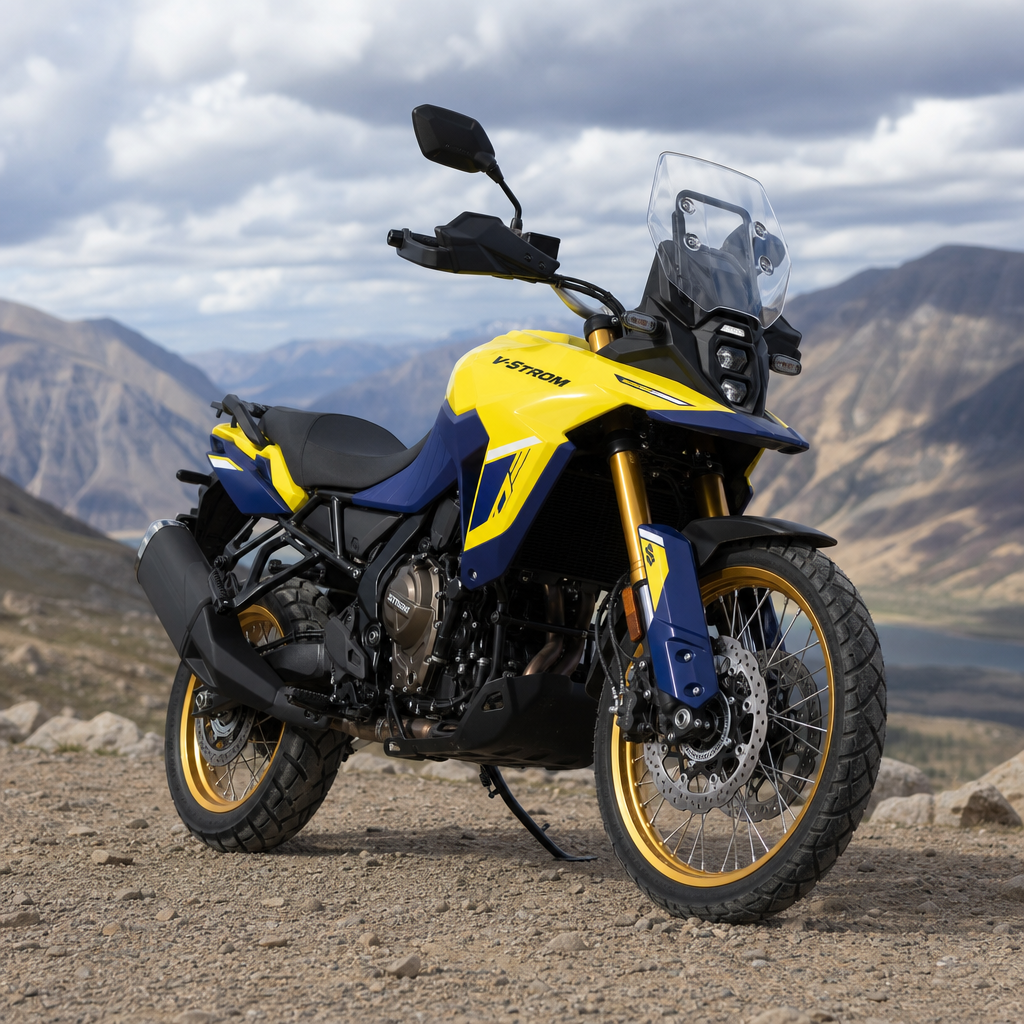
The Suzuki V-Strom 800DE (2026) lands in one of motorcycling’s most competitive classes: the middleweight adventure bike. That category generally means twin-cylinder machines around 700cc to 900cc, built to cover highway miles, broken pavement, gravel roads, and light to moderate trail work without the bulk or cost of a liter-class ADV. Riders shopping this segment usually ask the same question I hear every season at demo days and dealer events: what gives the best mix of capability, comfort, reliability, and price? Framed that way, the V-Strom 800DE deserves serious attention because Suzuki has built a motorcycle that gets the fundamentals right rather than chasing headline horsepower.
Adventure and touring matter because most real-world riders do not live at one extreme. They commute during the week, disappear for a weekend on back roads, and maybe tackle a BDR section or forest service route a few times a year. A successful Adventure & Touring machine must be versatile, predictable, and affordable to own. In that context, value does not mean “cheap.” It means the total package: purchase price, standard equipment, service intervals, fuel range, luggage readiness, electronics usefulness, and the confidence a bike inspires when conditions change fast. After spending time with middleweight ADV platforms and watching how owners actually use them, I can say this class rewards balance far more than spec-sheet bravado.
As a hub page for Adventure & Touring in the New Rides space, this article uses the 2026 Suzuki V-Strom 800DE as a lens for the whole category. It explains where the bike fits, who it suits, what tradeoffs come with its design, and why it may be the best value middleweight ADV for riders who want one motorcycle to do almost everything. It also points toward the broader buying questions this subtopic always raises: on-road versus off-road bias, tubed versus tubeless wheels, suspension quality, electronics calibration, passenger comfort, and long-distance practicality. If you understand how the V-Strom 800DE answers those questions, you understand the segment.
Where the Suzuki V-Strom 800DE Fits in the Middleweight ADV Market
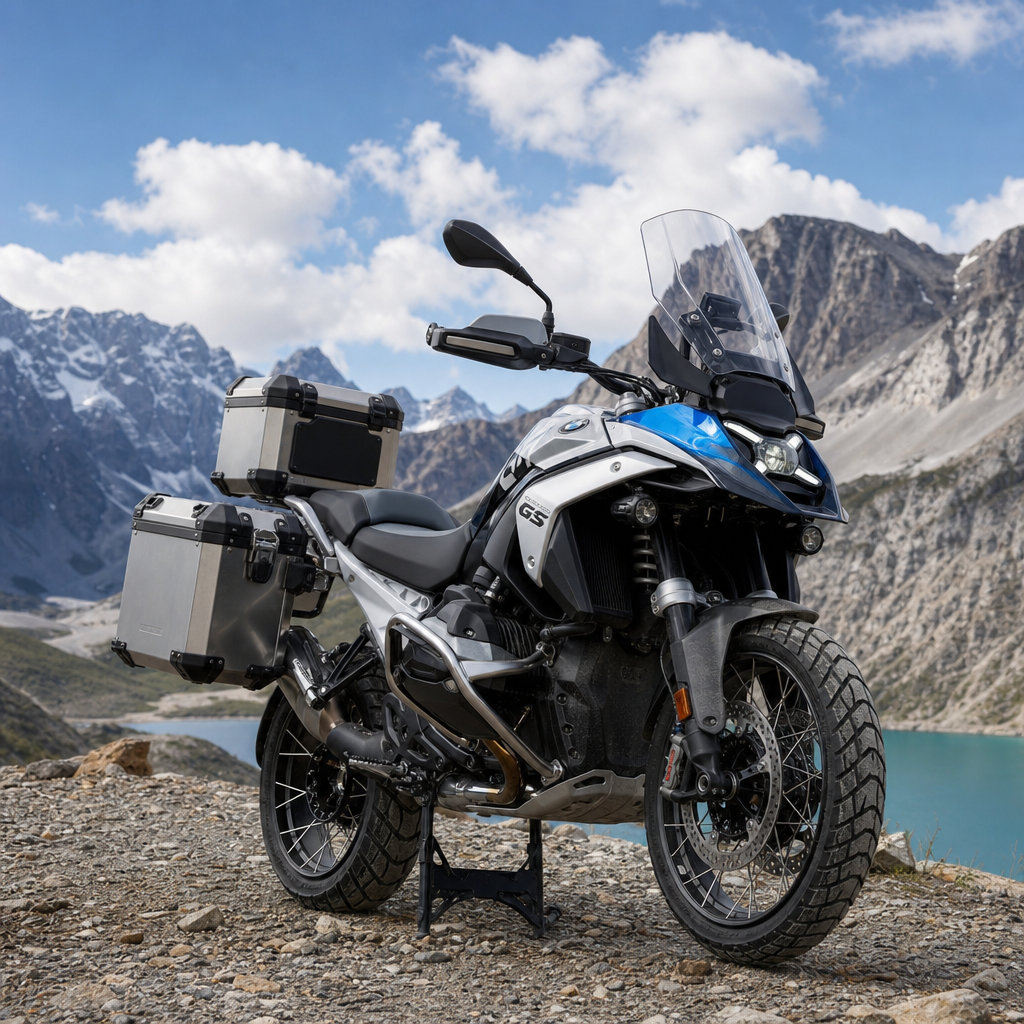
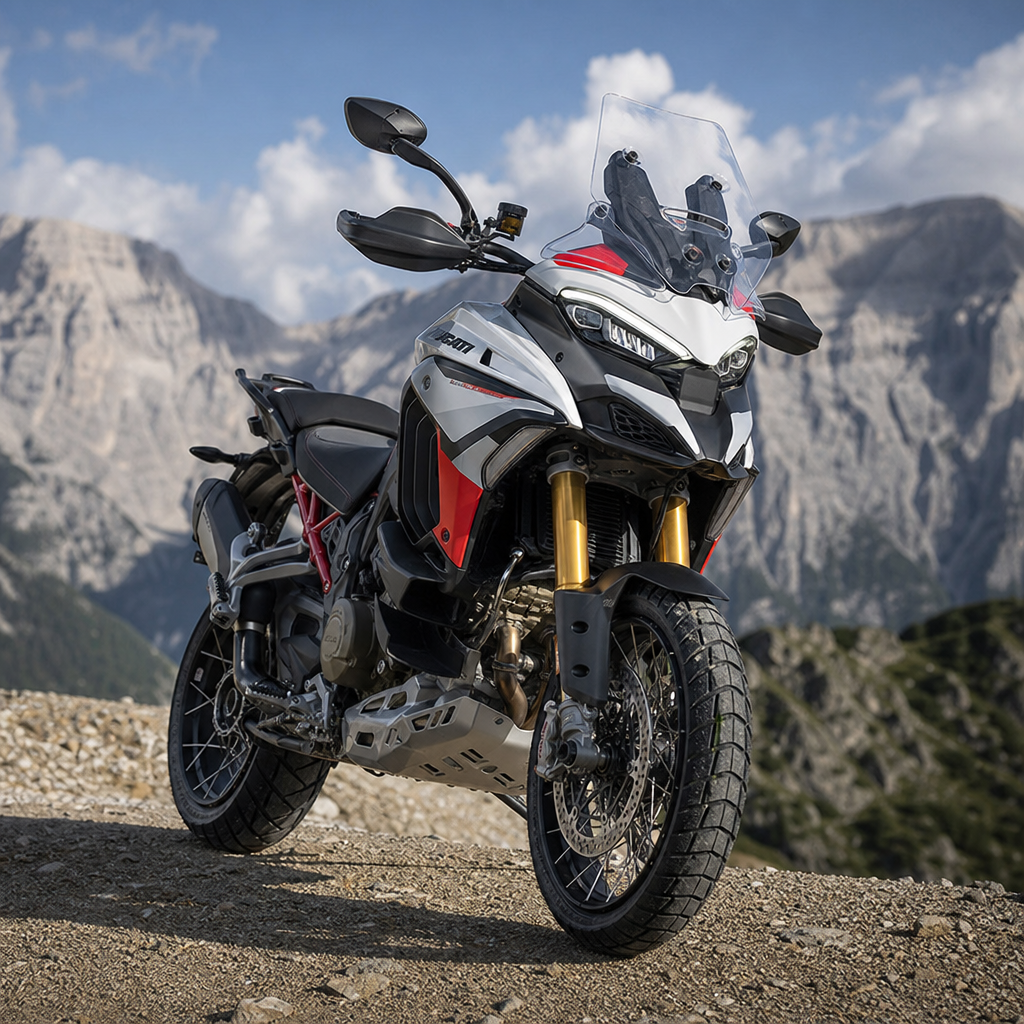
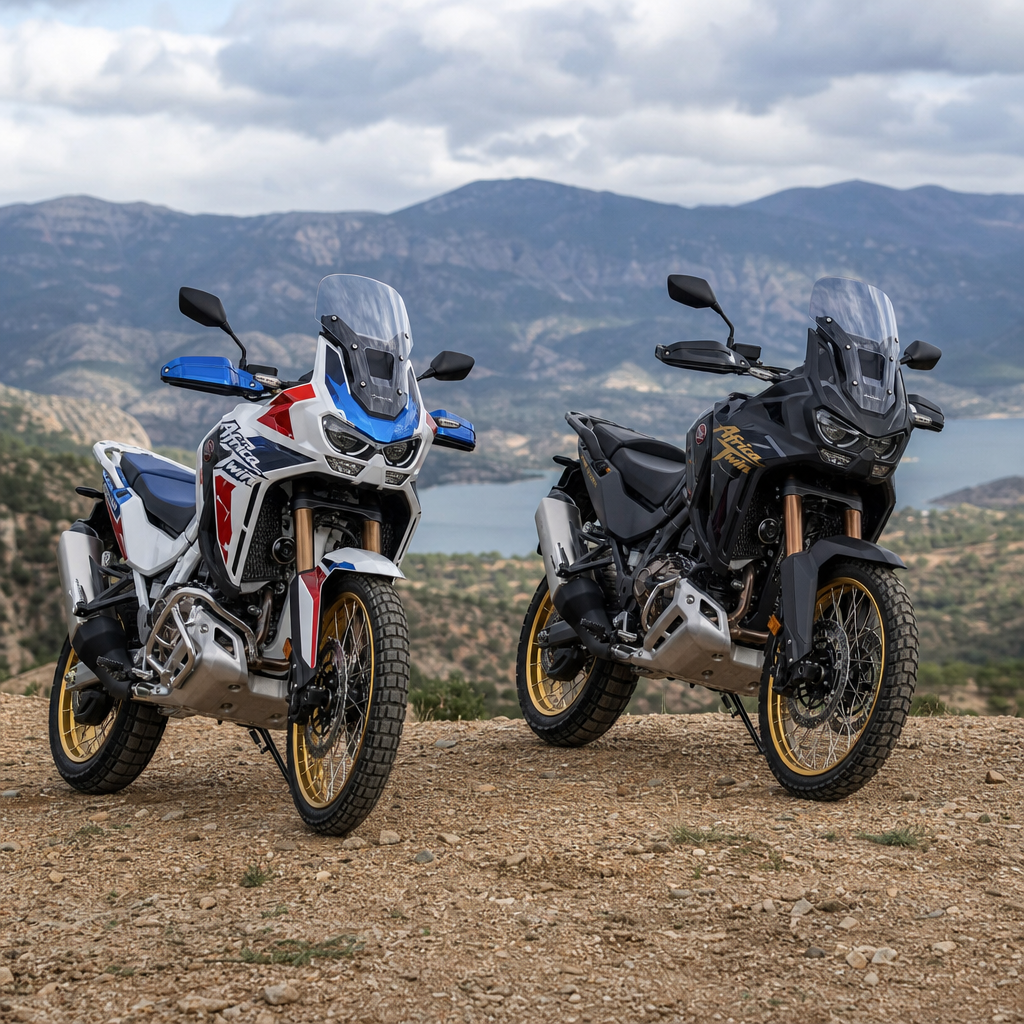
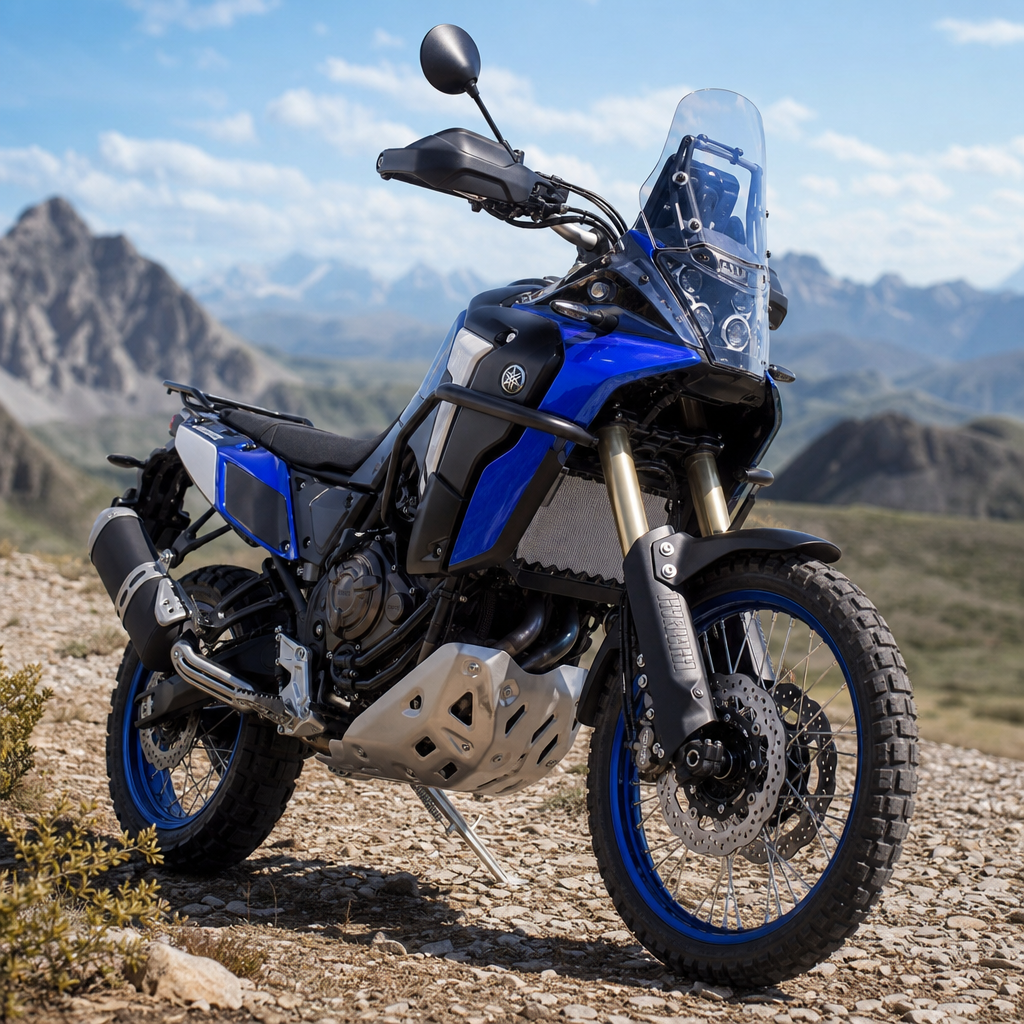
The Suzuki V-Strom 800DE sits in the heart of the class, competing with bikes such as the Yamaha Ténéré 700, Honda Transalp 750, KTM 790 Adventure, Aprilia Tuareg 660, BMW F 900 GS, and Triumph Tiger 900 variants. Each rival leans in a slightly different direction. The Ténéré emphasizes simplicity and dirt-road toughness. The Transalp is road friendly and approachable. KTM pushes sharper off-road performance and electronics. Triumph aims at premium touring sophistication. Suzuki’s position is more pragmatic: deliver real ADV geometry, a strong twin-cylinder engine, credible suspension travel, and a road-trip-friendly chassis at a price that undercuts many premium alternatives.
That matters because this category has become crowded with bikes that look capable but require expensive add-ons before they truly fit travel duty. Owners often need to budget for skid plates, crash protection, better tires, center stands, heated grips, luggage racks, and navigation mounts. Suzuki has long understood that V-Strom buyers tend to rack up miles and judge motorcycles by durability, not showroom drama. The 800DE continues that approach with a 21-inch front wheel, wire-spoke wheels, long-travel Showa suspension, switchable ABS modes, gravel-tuned traction settings, and ergonomics that suit full-day riding. In plain terms, it is not pretending to be an enduro bike or a luxury tourer. It is trying to be a usable all-rounder, and that is exactly what many riders need.
The model also plays an important role in Suzuki’s current lineup. For years, the V-Strom 650 defined sensible adventure touring, while the V-Strom 1050 addressed bigger-mile expectations. The 800DE bridges the gap with a newer platform and a more modern engine architecture. That makes it especially relevant for riders moving up from smaller dual-sports, downsizing from heavyweight ADVs, or entering the segment for the first time. In a market where “middleweight” can still mean expensive, the V-Strom 800DE keeps the class grounded.
Engine, Chassis, and Real-World Riding Character
At the core of the 800DE is Suzuki’s 776cc parallel-twin with a 270-degree crankshaft, a layout chosen to mimic the traction feel and pulsing character riders like in V-twins while packaging efficiently. That engine design creates a more distinctive power delivery than a flat, appliance-like twin, and on mixed terrain it helps the rear tire hook up with a predictable rhythm. Output figures vary slightly by market reporting, but the bike is generally cited around the low-80-horsepower range with torque in the upper-50 lb-ft range. More important than peak numbers is where the engine works best: the midrange. Roll-on acceleration from corner exits, highway passing, and climbing loose grades all benefit from a broad, accessible spread of power.
In practice, the motor feels lively without becoming tiring. On pavement, it cruises comfortably at highway speed with enough reserve for overtakes even when loaded. Off pavement, first-gear tractability and smooth fueling matter more than redline urgency, and Suzuki has tuned the throttle response well enough that newer ADV riders can manage technical surfaces without constant clutch drama. The bi-directional quickshifter, where fitted or bundled depending on market, adds convenience on tour and keeps the bike settled on dirt climbs. This is not the most aggressive engine in the category, but it is one of the easiest to use well.
The chassis follows the same philosophy. A steel frame and aluminum swingarm may not generate brochure excitement, yet they contribute to a planted feel that many riders prefer on poor surfaces. Showa suspension with substantial travel gives the bike room to absorb washboard, potholes, and rain-rutted tracks better than road-biased crossover machines. Ground clearance is genuinely useful. The 21-inch front wheel improves obstacle rollover and directional stability in loose material, though it naturally slows steering response on asphalt compared with a 19-inch setup. That is a tradeoff, not a flaw. Suzuki chose genuine off-pavement competence over purely sporty road manners, and buyers should see that as a clear design statement.
Touring Comfort, Electronics, and Daily Usability
Adventure touring success depends less on one dramatic feature than on dozens of small decisions that reduce fatigue. The V-Strom 800DE gets many of those details right. The upright riding position, wide handlebar, and relaxed knee bend make it comfortable over long hours, while the seat height reflects the bike’s suspension travel and off-road intent. Shorter riders may need to plan stops carefully, but the standing position is natural and the rider triangle works well with protective boots and ADV gear. Wind protection is solid rather than cocooning, which suits mixed riding because a huge screen can become noisy or fragile when standing off road.
Suzuki’s electronics package is practical. Ride modes, traction control settings, gravel mode, and adjustable ABS are not there as gimmicks; they solve specific problems. On a wet commute, conservative intervention preserves confidence. On a rocky fire road, looser rear-wheel management allows momentum without forcing skilled riders to fight the system. TFT instrumentation improves readability and makes navigation accessory integration easier. Crucially, the interface remains understandable. That sounds minor until you have watched owners struggle through six-layer menus in a rainstorm. Good touring electronics should disappear into the background until needed.
Daily usability is another area where value becomes obvious. The V-Strom’s reputation has always been built on predictable starts, modest running costs, and broad dealer familiarity. Chain drive still requires maintenance, but service access on a middleweight is typically less intimidating than on larger, bodywork-heavy bikes. Fuel economy in this class often lands in the 45 to 60 mpg range depending on pace and terrain, which means useful range from the tank without the mass penalty of oversized fuel storage. Add luggage systems, hand guards, heated grips, and a center stand, and the bike becomes a credible commuter-tourer that can leave for a multi-state trip on short notice.
| Model | Front Wheel | Power Character | Off-Road Bias | Touring Comfort | Value Position |
|---|---|---|---|---|---|
| Suzuki V-Strom 800DE | 21-inch | Strong midrange, smooth twin | Balanced, genuinely capable | High | Excellent standard-equipment value |
| Yamaha Ténéré 700 | 21-inch | Direct, simple CP2 response | High | Moderate | Strong, but fewer comfort features |
| Honda Transalp 750 | 21-inch | Refined, road-friendly twin | Moderate | High | Competitive, lighter touring focus |
| KTM 790 Adventure | 21-inch | Punchy, energetic twin | High | Moderate to high | Feature rich, often pricier to own |
| Aprilia Tuareg 660 | 21-inch | Revvier, sporty twin | High | Moderate | Premium performance, less budget-minded |
What “Best Value” Really Means in Adventure & Touring
If you are trying to decide whether the Suzuki V-Strom 800DE is the best value middleweight ADV, start by defining value correctly. It is not just MSRP. A bike can cost less upfront and still deliver poor value if its suspension wilts under luggage, its electronics frustrate, or its comfort forces expensive aftermarket fixes. On the other hand, a slightly pricier bike can be a bargain if it arrives travel-ready and asks little in return beyond normal maintenance. In my experience, the smartest ADV buyers build a three-year ownership picture before signing papers.
On that score, Suzuki is strong. The brand has an established record for dependable engines, sensible parts pricing, and wide dealer support in many markets. Insurance costs are often less intimidating than for premium European alternatives. The 800DE also avoids unnecessary complexity. That matters when you are hundreds of miles from home and a problem has to be diagnosed quickly. There is a reason long-distance riders repeatedly gravitate toward motorcycles that may not top comparison tests yet earn loyalty over time: they work, consistently.
There are tradeoffs. The V-Strom 800DE is not the lightest bike in the segment, and elite off-road riders may prefer something slimmer or more dirt focused. Riders with a heavy passenger and aluminum panniers stuffed for a month away may still prefer a larger displacement machine for effortless two-up highway work. Tubed tires, common in more off-road-oriented setups, can also be less convenient to repair roadside than tubeless designs. Those are valid considerations, and they are exactly the kind of questions this Adventure & Touring hub should raise. But for solo riders, weekend explorers, and practical tourers who want one motorcycle to handle nearly every assignment, the Suzuki’s compromises are unusually intelligent.
The broader lesson for this subtopic is simple: the best new ride for adventure touring is rarely the one with the biggest screen, the tallest suspension, or the longest options list. It is the one that matches the way you actually travel. The V-Strom 800DE excels because it understands the average ADV day better than many competitors do. Most riders spend more time transitioning between road types than blasting whoops or crossing continents. A middleweight bike that feels stable on the interstate, forgiving on gravel, comfortable after six hours, and affordable to outfit with luggage is where real value lives.
Who Should Buy the Suzuki V-Strom 800DE in 2026
The ideal V-Strom 800DE buyer is not chasing internet bragging rights. This rider wants a modern adventure bike with enough off-road credibility to leave pavement confidently, enough comfort to ride all day, and enough financial sanity to justify using it often. If you are moving from a 300cc or 400cc dual-sport and want better wind protection, stronger highway performance, and more carrying capacity, the Suzuki makes immediate sense. If you own a large ADV and are tired of wrestling 550-plus pounds in parking lots, on cambered trails, or after a long day, the 800DE offers a welcome reset without feeling underpowered.
It also suits riders building a travel system. This is the kind of platform that works with soft luggage for backcountry routes, hard cases for commuting, and a tank bag plus dry duffel for fast weekend escapes. As the hub for Adventure & Touring under New Rides, that versatility is the point. The segment is about adaptable motorcycles and informed choices. The 2026 Suzuki V-Strom 800DE may not be perfect, but judged by capability per dollar, broad usability, and likely ownership satisfaction, it stands near the top of the class. If you are shopping middleweight adventure bikes, put it on the shortlist, schedule a test ride, and evaluate it with your actual trips in mind rather than someone else’s fantasy itinerary.
Frequently Asked Questions
Is the 2026 Suzuki V-Strom 800DE really one of the best-value middleweight adventure bikes?
Yes, it has a very strong argument as one of the best-value options in the middleweight ADV class, especially for riders who want real-world versatility more than badge prestige or headline horsepower. In this segment, value is not just about sticker price. It is about how much capability, comfort, and durability you get for the money, and the V-Strom 800DE tends to score well across all three. It offers the kind of engine character, electronics, chassis confidence, and day-to-day usability that many riders expect from more expensive adventure bikes, while typically staying accessible to buyers who do not want to jump into premium-liter-bike pricing.
What makes it compelling is the balance. The V-Strom 800DE is not trying to be a race replica with long-travel suspension, and it is not pretending to be a giant luxury tourer either. Instead, it fits the actual needs of a huge percentage of ADV riders: commuting during the week, touring on the weekend, handling rough pavement without drama, and taking gravel or fire roads seriously enough to be fun rather than intimidating. That broad usefulness is a major part of its value proposition.
Another reason it stands out is Suzuki’s reputation for practical engineering. Many buyers in this category care less about having the most exotic specification sheet and more about getting a bike that is dependable, comfortable for long days, and relatively straightforward to live with. If the 2026 model continues that formula, the V-Strom 800DE remains attractive because it tends to give riders the features they actually use instead of overcomplicating the ownership experience. For shoppers comparing total ownership satisfaction rather than spec-sheet bragging rights, that can make it one of the smartest buys in the class.
Who is the Suzuki V-Strom 800DE best suited for: beginners, experienced ADV riders, or touring-focused owners?
The Suzuki V-Strom 800DE is best suited for a wide middle ground of riders, which is one of the reasons it earns so much attention. It makes the most sense for intermediate to experienced riders who want a capable, confidence-inspiring ADV without the weight, cost, and sheer size of a large-displacement machine. That said, it can also work well for newer riders who are moving up from smaller bikes and want something they can grow into, provided they are comfortable with the seat height, overall physical size, and the responsibilities of handling an adventure motorcycle on uneven terrain.
For touring-focused riders, the bike is easy to recommend because middleweight ADVs are often the sweet spot for long-distance travel. You get enough power for highway cruising and two-lane passing, but you avoid much of the heft that can make larger adventure bikes tiring in parking lots, on loose surfaces, or after a long day in the saddle. A rider who spends most of the time on pavement but wants the freedom to explore poor roads, campsites, gravel connectors, or occasional backcountry routes will likely find the 800DE more usable than a heavier flagship ADV.
Experienced ADV riders may appreciate it for a different reason: it offers honest capability without demanding constant compromise. It is generally easier to manage off pavement than larger bikes, yet still substantial enough for real travel. That makes it ideal for riders who know they are not chasing hard-enduro terrain but still want a machine that feels legitimate when the pavement ends. In short, the 2026 V-Strom 800DE is for riders who want a practical, all-conditions adventure bike rather than a niche specialist.
How capable is the 2026 V-Strom 800DE off-road compared with other middleweight adventure bikes?
The V-Strom 800DE should be viewed as a genuinely capable adventure bike for gravel roads, forest service routes, broken surfaces, and moderate trail conditions, but with realistic expectations. In the middleweight ADV class, “off-road capable” can mean very different things depending on the manufacturer. Some bikes lean more toward rally-inspired aggressiveness, while others are essentially road-tourers with upright ergonomics and ADV styling. The 800DE typically lands in the useful middle: more dirt-ready than soft-road alternatives, but still designed first as a multi-surface travel machine rather than a pure off-road weapon.
That matters because most owners are not riding sand washes or tackling technical single-track every weekend. They want a bike that can maintain composure on washboard gravel, absorb potholes on neglected backroads, and handle the occasional rocky or muddy detour without feeling overwhelmed. In that environment, the V-Strom 800DE makes a lot of sense. Its ADV-focused chassis setup, wheel package, and riding position support standing control and traction management on loose surfaces while preserving enough road manners for longer pavement days.
Compared with rivals, the Suzuki often appeals to riders who want confidence and predictability more than raw edge. Some competitors may feel sportier on pavement, lighter on the trail, or more premium in terms of suspension sophistication, but the Suzuki’s strength is accessible, repeatable control. That is important in adventure riding, where rider confidence often matters more than absolute performance. If your definition of off-road is exploring backcountry roads, not chasing enduro bikes into technical terrain, the 2026 V-Strom 800DE should be considered fully credible and more than capable enough for the way most middleweight ADV owners actually ride.
Is the V-Strom 800DE comfortable enough for long-distance touring and everyday riding?
Comfort is one of the V-Strom line’s traditional strengths, and that is a big reason the 800DE attracts so much interest in this category. For long-distance touring, a middleweight ADV has to do several things well at once: provide an upright riding position, offer wind protection that reduces fatigue, maintain stable highway manners, and deliver an engine character that feels relaxed rather than busy over long miles. The V-Strom 800DE generally checks those boxes in a way that makes it easy to imagine using it not only for weekend trips, but for multi-day travel and daily commuting as well.
The upright ergonomics are especially important. Riders in this class often spend hours at a time in the saddle, and a neutral seating position can make a major difference in how fresh you feel at the end of the day. Adventure bikes also tend to offer good visibility in traffic and enough suspension travel to smooth out bad pavement, which improves comfort during regular everyday use. For commuters or riders dealing with patchy roads, expansion joints, frost-heaved pavement, and occasional curb-height surprises, that added compliance is a practical benefit rather than just a marketing point.
For touring, the bigger question is often whether the bike can carry luggage, hold a steady pace on the highway, and remain comfortable when loaded. That is where middleweight ADVs like the 800DE are especially appealing. They typically provide enough performance for interstate work without crossing into oversized, overcomplicated territory. Add a windscreen that works for your height, luggage suited to your travel style, and possibly a seat upgrade if you are especially mileage-focused, and the V-Strom 800DE can become a very convincing lightweight tourer. It is exactly the kind of motorcycle that can handle a weekday commute, a Saturday backroad loop, and a weeklong travel plan without feeling out of its element.
What should buyers compare before choosing the 2026 Suzuki V-Strom 800DE over rival middleweight ADV models?
Buyers should compare far more than power figures and price tags. In the middleweight adventure category, the smartest purchase usually comes down to fit, intended use, and ownership priorities. Start with ergonomics. Seat height, handlebar reach, standing position, and overall weight distribution matter a lot more in daily use than a small advantage in horsepower. A bike that feels manageable at low speeds, easy to balance on uneven ground, and comfortable for your body type will almost always prove to be the better value over time.
Next, consider how you actually ride. If you spend 80 to 90 percent of your time on pavement with occasional gravel detours, prioritize comfort, wind protection, luggage options, and road composure. If you are more dirt-focused, look closely at suspension behavior, wheel setup, ground clearance, off-road electronics, and how the bike feels standing up. The V-Strom 800DE tends to appeal strongly to riders who want a true all-rounder, so it is important to be honest about whether you want a balanced machine or a more specialized one.
You should also compare dealer support, accessory availability, maintenance expectations, and long-term reliability reputation. These practical factors often determine whether a bike feels like a good value after two or three seasons of ownership. Suzuki has historically appealed to riders who appreciate dependable, sensible motorcycles that are built to be used, and that matters in the adventure segment where bikes often rack up miles, weather exposure, and luggage duty quickly. Finally, test ride if possible. On paper, many middleweight ADVs look close. In person, one may feel immediately natural while another feels tall, top-heavy, or overly road-biased. If the 2026 V-Strom 800DE feels right to you in the saddle and matches your riding mix, that is often the strongest proof that it may indeed be the best-value choice for your needs.