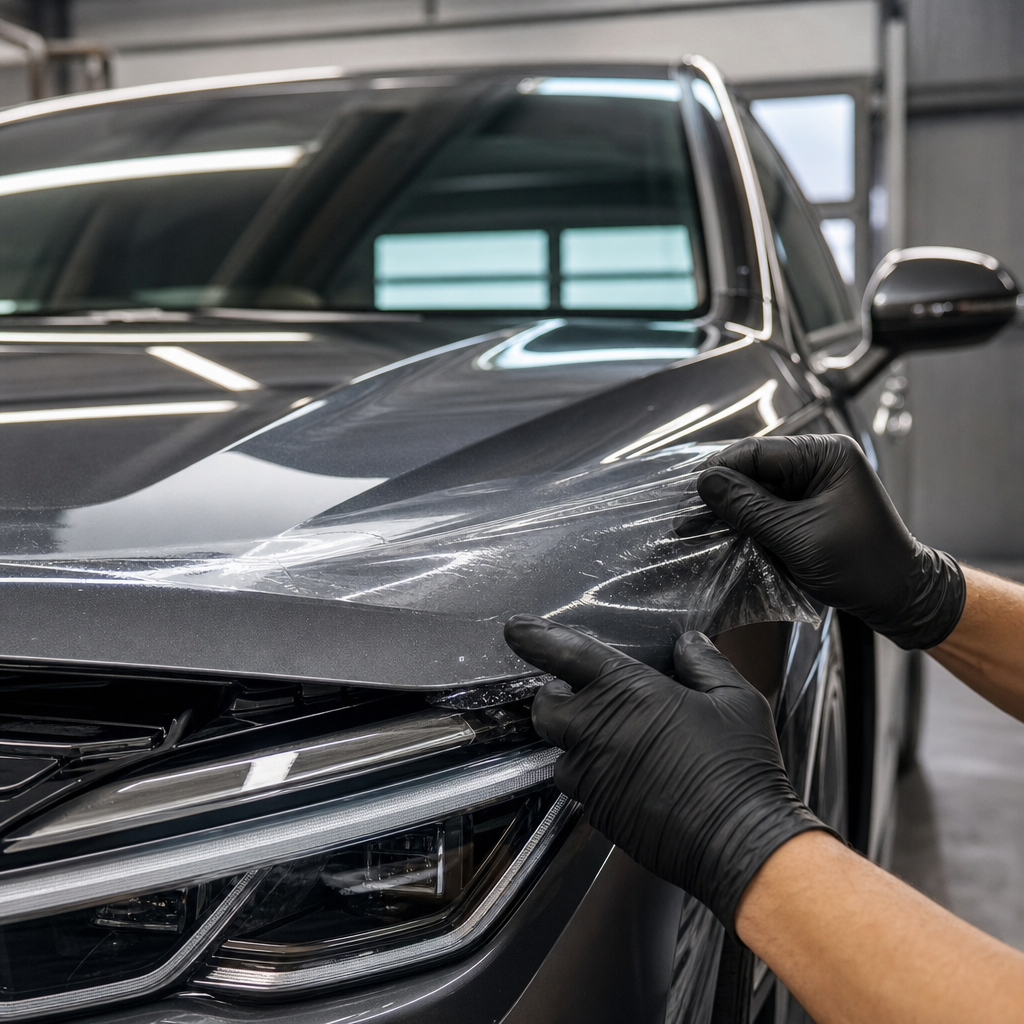
Smart Paint Protection Film, often shortened to smart PPF, is the new standard for 2026 customs because it does far more than stop rock chips. It combines impact resistance, self-healing chemistry, optical clarity, stain resistance, and sensor-friendly installation methods in one engineered layer. In modern custom builds, where 3D-printed trim, forged carbon accents, exposed wiring architecture, and ADAS hardware all live inches apart, that matters. I have watched builders spend months perfecting panel gaps, satin carbon weave alignment, and hidden harness routes, only to have road rash and wash marring dull the result within a season. Smart PPF solves a real problem: it protects expensive fabrication work without changing the design language that made the build special.
To understand why this topic matters, define the terms clearly. Paint protection film is a transparent thermoplastic urethane layer applied over paint, carbon fiber, gloss plastics, headlights, and selected trim pieces. Self-healing means the topcoat can reflow minor swirl marks and light scratches when exposed to heat from the sun, warm water, or a heat gun used within manufacturer limits. Smart PPF adds newer traits important for 2026 customs: hydrophobic top layers, improved UV stability, compatibility with radar and camera zones, printable pattern libraries, and finishes beyond clear gloss, including satin, stealth, black, and fashion colors. For custom culture, that makes PPF both a protection product and a finishing material.
This article is the hub for fabrication tech within custom culture and builders, specifically 3D printing, carbon, and wiring. Those three areas now shape how high-end custom vehicles are designed, built, and maintained. A printed intake shroud may sit beside a carbon radiator panel. A relocated battery and motorsport-style power distribution module may require new harness branches under protected fenders. A widebody built from composite and additive-manufactured templates may need film stretched across complex geometry without trapping tension lines. The point is simple: PPF no longer sits at the end of the project as a detailing add-on. It must be planned alongside fabrication, materials, and electrical architecture from the start.
That planning mindset separates durable 2026 customs from builds that look good only on delivery day. Smart film can preserve gloss on painted metal, reduce yellowing risk on clear-coated carbon, shield printed polymers from abrasion, and protect high-touch zones around custom door cards or trunk setups where wiring service happens. It also affects resale, serviceability, and long-term appearance. Builders, installers, and owners who understand how self-healing film interacts with carbon composites, additive parts, and wiring layouts make better decisions, avoid rework, and keep the vehicle usable. The sections below break down exactly how smart PPF fits into fabrication tech and where it delivers the most value.
Why smart PPF belongs in fabrication planning
The biggest mistake I still see is treating PPF as a final cosmetic step rather than a design input. On a serious custom, fabrication planning starts with surfaces, tolerances, heat, and service points. Film thickness, adhesive behavior, edge wrapping, and stretch limits all influence where fasteners should sit, how panel returns are built, and which textures are realistic. A deep recessed vent that looks dramatic in CAD may become a failure point if the film has to bridge sharp transitions. Likewise, a printed bracket placed too close to a wrapped edge can create a hard contact spot that eventually lifts the film. Bringing the film installer into mock-up and pre-assembly reviews prevents these problems.
Material choice matters just as much. Most premium films are aliphatic polyurethane, selected because it resists yellowing better than aromatic alternatives and maintains clarity over time. Topcoats vary, but the best current systems combine elastomeric self-healing with chemical resistance against bug acids, bird droppings, road salt, and alkaline shampoos. That chemistry matters on customs because fabricated cars often use nonstandard vents, wider wheels, and lower ride heights that increase debris exposure. If a carbon splitter sits close to the road, or a printed aero canard takes direct abuse, the protective layer must tolerate repeated impact and cleaning without clouding, tearing, or staining.
There is also a practical workflow benefit. When PPF requirements are included early, builders can modify panel edges, reduce unnecessary seams, and avoid impossible install zones. A hood vent bezel can be split into serviceable subcomponents. A carbon mirror cap can gain a slightly safer radius for wrapping. A custom engine bay shroud can be printed in a finish that hides the line where film must stop. None of those decisions weaken the build; they make it more professional. The result is a vehicle that photographs better, cleans more easily, and survives real driving instead of living under a cover after a few events.
How self-healing technology works in real use
Self-healing film is not magic, but it is impressive when used correctly. The topcoat contains elastomeric polymers engineered to relax after minor surface deformation. In plain terms, a light wash mark or shallow scuff disturbs the top surface, then heat helps the material return toward its original smoothness. Sun exposure on a warm day is often enough for light marring. Warm water can accelerate the process. For shop correction, installers may use controlled heat, but overheating risks distortion, adhesive stress, or gloss change, so procedure matters. Deep cuts that penetrate the film will not disappear; the film is sacrificial, meaning it takes the damage instead of the painted or composite surface beneath.
In daily use, that sacrificial behavior is why smart PPF earns its cost. Consider a custom truck with a forged carbon hood, painted flares, and printed marker light surrounds. Gravel from a freeway shoulder may nick the film, not the substrate. Improper hand washing may leave temporary marring that fades after a hot afternoon. On a black show car, where every swirl is visible, that means the finish stays presentation-ready with less polishing. Since excessive polishing thins clear coat and can alter edge sharpness around hand-finished panels, reducing correction work preserves the fabrication underneath. That is especially valuable on one-off builds where repainting or recoating matched custom finishes is expensive and time consuming.
Performance does depend on brand, topcoat generation, maintenance chemistry, and environment. Films from XPEL, STEK, SunTek, and 3M each have different gloss levels, slip characteristics, stain resistance profiles, and pattern support. Install quality matters as much as product choice. Contamination under the film, overstretched corners, and poor edge prep can ruin durability. Owners also need realistic expectations: self-healing minimizes light cosmetic damage, but it does not replace careful washing, decontamination, or periodic inspection. The value lies in reducing visible wear and extending the life of custom surfaces, not making them indestructible.
3D printing and PPF: where additive parts need protection
3D printing has moved from prototyping into functional custom fabrication. Builders now print intake ducts, switch panels, vent bezels, trim inserts, wire management clips, and patterning tools from materials such as nylon, PETG, ABS, ASA, and carbon-filled polymers. On premium builds, I often see additive parts used first as development pieces, then retained in final form if strength, temperature, and finish are sufficient. These components create new opportunities for PPF, especially on interior touchpoints, cargo areas, frunk tubs, engine bay covers, and painted exterior add-ons. If a printed part is visible and frequently handled, a film layer can reduce abrasion and simplify cleaning.
The limitation is substrate preparation. Raw printed surfaces have layer lines, porosity, and sometimes residual release agents or sanding dust. Film adhesive needs a stable, clean, properly cured surface. If the part is rough, the film can silver, trap air, or telegraph texture. The best workflow is to print with enough wall thickness for finishing, sand progressively, use a compatible primer or surfacer where needed, and topcoat the part if it will live in UV or high-touch conditions. Once the surface is smooth and stable, installers can apply selected film sections just as they would on painted trim. For repetitive custom production, digital templates can be created after the final geometry is locked.
There is also a design advantage. Because printed parts can be iterated quickly, builders can alter geometry to make film application realistic. A radius can be increased by two millimeters, a vent edge can be softened, or a mounting flange can be hidden behind a seam. Those changes are trivial in CAD and expensive in hand-laid composite. In practice, that means additive manufacturing and smart PPF work well together. The printed ecosystem supports serviceability and rapid prototyping, while the film protects the finished surfaces from wear that would otherwise make printed custom components look old long before the rest of the vehicle.
Carbon fiber, forged carbon, and film compatibility
Carbon parts deserve special attention because the visual finish is part of their value. Traditional woven carbon shows weave alignment, resin clarity, and depth. Forged carbon has a marbled, chopped-fiber appearance with more visual randomness. Both can degrade if UV exposure, poor clear coat, or repeated abrasion take a toll. Smart PPF is one of the best ways to preserve that finish, especially on hoods, roofs, mirror caps, spoilers, seat backs, door sills, and aero pieces. A quality film blocks much of the abuse that would otherwise require polishing or recoating, and it reduces the chance that bug residue or water spotting will etch vulnerable clear coats.
However, not every carbon part should be wrapped immediately. Fresh clear coat must cure properly, and lower-cost imported pieces often have pinholes, edge voids, excessive resin texture, or inconsistent clear thickness. Film can magnify those defects rather than hide them. Installers should inspect weave alignment, edge finishing, and clear integrity before application. On satin or matte carbon, product selection is even more critical because gloss film will alter appearance. Dedicated satin films can preserve the intended finish while adding protection. On forged carbon exposed to engine bay heat, confirm both the resin system and the film’s temperature tolerance, especially near turbos, radiators, or vent outlets where sustained heat can exceed safe limits.
| Fabrication area | Common custom parts | Best PPF use case | Main caution |
|---|---|---|---|
| 3D printing | Switch panels, ducts, trim bezels | Protect painted or clear-coated high-touch surfaces | Layer lines and porosity must be finished first |
| Carbon fiber | Hoods, spoilers, mirror caps, seat backs | Preserve clear coat, resist chips, reduce swirl marks | Check cure time, resin quality, and heat exposure |
| Wiring zones | Door jambs, trunk floors, battery areas | Shield service areas from tool marks and abrasion | Avoid blocking harness access and drain paths |
One of the smartest uses of film on carbon is selective placement rather than full coverage. On a vented hood, the leading edge, vent surrounds, and latch area usually take the most abuse. On a rear diffuser, outer corners and top surfaces near loading zones often show first damage. Selective film keeps the visual purity of exposed composite while protecting the exact areas that fail in use. For owners who drive their customs regularly, that targeted strategy often delivers the best balance of appearance, durability, and budget.
Wiring, sensors, and service-friendly protection
Custom wiring has become dramatically more sophisticated. Modern builds use CAN-based accessories, solid-state power distribution, motorsport connectors, laser-etched switch legends, and integrated lighting scenes. At the same time, 2026 vehicles carry radar sensors, cameras, ultrasonic hardware, and complex driver-assistance calibration requirements. PPF has to fit around that electrical reality. The right approach protects high-contact areas without blocking access to harness junctions, fuses, battery service points, drain paths, or calibration targets. In trunk installs, for example, film on painted floors and amp rack surrounds prevents scratches during routine service. In door jambs, it reduces wear where looms and tools routinely pass during speaker or actuator work.
Sensor areas require discipline. Cameras behind glass are generally unaffected by body film, but radar covers in bumpers can be sensitive to material thickness, metallic content in adjacent wraps, paint stack changes, and trapped moisture. Premium clear PPF is often acceptable on approved zones, yet installers should always follow vehicle manufacturer guidance and verify calibration after bumper removal or refinishing. The same applies to parking sensors and headlight elements. Tinted or fashion films may look dramatic, but they can alter output or appearance in ways that create legal and functional issues. On serious builds, appearance never outranks safety systems.
Serviceability is the overlooked benefit. I prefer to map likely maintenance paths before final film layout: battery disconnect access, amplifier rack removal, air suspension manifold service, fuse replacement, and charge port handling on EV conversions or restomods. If those zones are protected strategically, technicians can work without immediately damaging painted structures. That keeps the build presentable long after show season and reduces the temptation to avoid necessary maintenance because the owner fears cosmetic damage.
Buying, installing, and maintaining smart PPF in 2026
Choosing the right smart PPF starts with the vehicle’s use case. A trailered show car may prioritize optical clarity and invisible edges. A daily-driven custom needs stronger contamination resistance, easy wash behavior, and broad coverage on impact zones. Ask about film thickness, topcoat chemistry, warranty terms, pattern software support, and installer experience with carbon, custom paint, and non-OEM parts. DAP-style plotting systems help consistency, but custom builds still require bulk work and hand finishing. A shop that only wraps stock bumpers may struggle on shaved trim, widened arches, or printed aero.
Installation should happen after paint and clear are cured, fabrication dust is gone, and panel fit is final. If you expect future changes, discuss modular sections so one damaged piece can be replaced without disturbing the entire panel. Maintenance is straightforward: wash with pH-balanced soap, avoid harsh solvents unless approved, remove contaminants quickly, and inspect edges regularly. Ceramic coatings made for film can improve hydrophobic behavior, but they are optional, not a substitute for quality film. If your build includes 3D-printed parts, carbon composites, and complex wiring, treat smart PPF as infrastructure, not decoration. Plan it early, specify it precisely, and use it to protect the fabrication work that defines the vehicle.
Smart Paint Protection Film is essential for 2026 customs because it protects the exact surfaces modern builders invest in most: bespoke paint, exposed carbon, finished printed parts, and service-heavy wiring zones. The key lesson is integration. When PPF is considered during fabrication planning, self-healing technology becomes more than a cosmetic shield. It supports design decisions, preserves material finishes, reduces rework, and makes a custom vehicle easier to maintain and enjoy. That is why this topic sits at the center of fabrication tech alongside 3D printing, carbon, and wiring rather than at the edge of detailing.
The practical takeaway is clear. Use additive manufacturing to refine geometry and serviceability, use carbon intelligently with proper finishing and cure control, and route wiring with maintenance access in mind. Then specify film coverage based on real risk, not guesswork. Leading edges, touchpoints, carbon clear coats, trunk work areas, and selected sensor-friendly panels deliver the highest return. Product choice matters, but install quality, substrate prep, and realistic maintenance habits matter just as much. A premium film on a poorly prepared panel will fail; a well-matched film on a properly engineered surface will extend the life of the entire build.
For builders and owners in the New Guard of custom culture, smart PPF is now part of the fabrication conversation from day one. It protects craftsmanship without hiding it, and it gives advanced builds the durability to be driven, serviced, and shown repeatedly. Audit your current project, identify vulnerable fabricated surfaces, and plan film coverage before final assembly. That single step will save money, preserve finish quality, and keep your custom looking intentional long after the first reveal.
Frequently Asked Questions
1. What makes smart paint protection film different from traditional PPF on a 2026 custom build?
Smart paint protection film goes well beyond the basic “clear bra” concept that many enthusiasts still associate with older PPF products. Traditional film was mainly valued for absorbing light road rash, reducing rock-chip damage, and providing a sacrificial surface over painted panels. Smart PPF still does those things, but it adds a more advanced material package that is especially important on 2026 customs, where finish quality, mixed materials, and integrated technology all have to coexist without compromise. The newest films are engineered with stronger impact resistance, better optical clarity, improved hydrophobic and stain-resistant topcoats, and self-healing chemistry that helps the surface recover from fine swirls, wash marring, and other minor defects.
What really separates smart PPF in the custom world is how well it adapts to complex builds. Modern customs often combine high-end paint, forged carbon, satin trim, 3D-printed components, exposed aero details, and tightly packaged ADAS hardware in a very small space. A quality smart film can protect these surfaces while preserving the visual intent of the build instead of muting it. On gloss finishes, it keeps reflections crisp. On satin or stealth finishes, the correct film helps maintain the intended texture and sheen. On colored or specialty wraps layered beneath compatible protection systems, it can add durability without visually distorting the final look.
Another major difference is installation strategy. Smart PPF for 2026 vehicles is increasingly chosen with sensor-friendly methods in mind, especially on customs that still rely on radar, cameras, ultrasonic sensors, parking systems, and other driver-assistance components. The film itself is only part of the story; the real value comes from choosing the right thickness, adhesive behavior, edge-wrapping approach, and coverage plan so that protection does not interfere with function. In short, smart PPF is different because it is no longer just a protective accessory. It is a precision finishing layer that supports durability, appearance, and technology integration at the same time.
2. How does self-healing PPF actually work, and what kinds of damage can it realistically fix?
Self-healing PPF works through a specialized elastomeric top layer designed to recover from minor surface-level damage. When the film picks up light swirls, towel marks, shallow wash scratches, or very fine abrasions, that upper layer can relax and return closer to its original smooth state when exposed to heat. Depending on the product, that heat may come from warm sunlight, hot water, ambient summer temperatures, or gentle controlled heat during detailing. The result is that many of the tiny defects that would normally accumulate on an unprotected finish simply fade or disappear instead of becoming permanent visual clutter.
It is important to be realistic about what “self-healing” means. Smart PPF is excellent at dealing with superficial marks in the film’s upper surface, but it is not magic. It will not repair a deep gouge, a puncture from sharp debris, torn material, or impact damage severe enough to cut through the film into the paint or substrate below. If a rock strikes hard enough to breach the film, the damaged section still needs to be replaced. Likewise, if contamination is ignored for too long and physically etches the surface beyond the topcoat’s recovery range, healing performance may be limited. The benefit is not that the film makes damage impossible; the benefit is that it dramatically reduces visible wear from everyday use and keeps the protected surfaces looking freshly finished for much longer.
On a custom vehicle, that matters more than many owners initially realize. Customs tend to receive meticulous paint correction, hand-built trim fitment, and carefully managed panel transitions, so even faint surface marring becomes noticeable. Self-healing chemistry helps preserve that show-level finish between maintenance intervals and event appearances. It also changes ownership behavior in a positive way. Builders and collectors can wash the vehicle, travel to meets, and use the car with less anxiety because the film is designed to absorb and visually recover from the kind of light abuse that normally ages a finish quickly. That is why self-healing has become one of the defining features of premium smart PPF rather than a marketing extra.
3. Is smart PPF safe to use around sensors, cameras, radar, and other ADAS components on 2026 customs?
Yes, smart PPF can be safe around ADAS and related vehicle technology, but only when the film choice and installation plan are matched to the vehicle’s hardware layout. This is one of the most important topics for 2026 customs because modern builds rarely involve only cosmetic changes anymore. Even heavily personalized vehicles may still retain adaptive cruise systems, parking sensors, front-facing cameras, surround-view modules, blind-spot systems, and radar-based safety functions. If these components are covered carelessly, wrapped too heavily, distorted by improper stretching, or affected by poor placement over critical surfaces, the result can be compromised performance, false alerts, reduced sensitivity, or calibration issues.
The good news is that reputable installers account for this from the beginning. They evaluate where radar-transparent areas are needed, whether certain sensors should remain uncovered, how edges should terminate, and which film constructions are best suited for nearby surfaces. Optical clarity also matters near camera zones, as haze, lift lines, trapped contamination, or visible texture can become more than a cosmetic issue. On customs with custom bumper work, modified grilles, widened fenders, or reworked front fascias, the installer and builder need to coordinate early so protection does not become an afterthought. The best outcomes happen when the PPF strategy is part of the build plan, not something improvised at the end.
It is also worth noting that “sensor-friendly” does not just refer to whether a system works on day one. It refers to long-term reliability. A properly selected film should maintain clarity, adhesion, and dimensional stability around critical areas so that weather, heat cycling, wash routines, and daily use do not gradually create problems. For owners, the takeaway is simple: smart PPF is absolutely compatible with high-tech custom vehicles, but installation quality is non-negotiable. If the shop understands both protection film and modern vehicle electronics, smart PPF becomes an asset rather than a risk.
4. Which surfaces on a custom car benefit the most from smart PPF coverage?
The highest-priority surfaces are still the classic impact zones: front bumper, hood, fenders, mirrors, headlights, rocker panels, A-pillars, and the leading edges that take constant abuse from road debris. On a 2026 custom, however, coverage planning usually expands beyond those standard areas because the build itself introduces more vulnerable materials and more expensive finish work. Forged carbon accents, gloss black trim, custom skirts, air management components, diffuser elements, canards, painted widebody sections, and bespoke trim pieces often sit low, protrude outward, or feature edges that are particularly prone to chips, scuffs, and staining.
High-contact areas are another smart place for protection. Door cups, door edges, trunk ledges, loading lips, pillar trims, and around fuel doors can all pick up damage quickly even on carefully used vehicles. If the build includes exposed design features or delicate cosmetic details near access points, these zones deserve special attention. Many custom owners also choose film for piano-black trim, carbon weave showpieces, or specialty painted accents because those surfaces reveal even the slightest marring under direct light. In these cases, smart PPF is not only protecting against impact; it is preserving the visual sharpness that makes the custom finish worth showing in the first place.
The best coverage plan depends on how the vehicle is used. A show-only build might prioritize optical perfection on visible surfaces. A street-driven custom or a high-powered restomod intended for regular use may need a much more comprehensive wrap strategy that accounts for heat, grime, brake dust, bug splatter, and repeated cleaning. The key is not simply applying film everywhere possible. It is identifying where the build is most exposed, where the materials are most difficult or costly to refinish, and where visual preservation has the highest value. Smart PPF delivers the most when coverage decisions are made intentionally rather than generically.
5. How long does smart PPF last, and what is the best way to maintain it on a premium custom vehicle?
High-quality smart PPF can last for years when it is professionally installed and properly maintained, though exact lifespan depends on the film brand, environmental exposure, driving conditions, storage habits, and maintenance quality. A vehicle that lives indoors, is washed correctly, and sees occasional fair-weather use will usually preserve film performance far longer than one exposed daily to harsh sun, road salt, industrial fallout, bug acids, and automatic car washes. The most advanced films are engineered for long-term clarity, resistance to yellowing, improved stain defense, and stable adhesive performance, but even the best product benefits from smart care.
Maintenance is straightforward but should be deliberate. Wash the vehicle regularly using pH-balanced products, clean microfiber towels or mitts, and safe drying methods that avoid grinding debris into the surface. Remove bug residue, bird droppings, and sap promptly, because contamination left sitting too long can challenge even stain-resistant topcoats. Avoid abrasive polishes or harsh chemicals unless the film manufacturer explicitly approves them. If the car receives ceramic coating over the film, use products that are compatible with