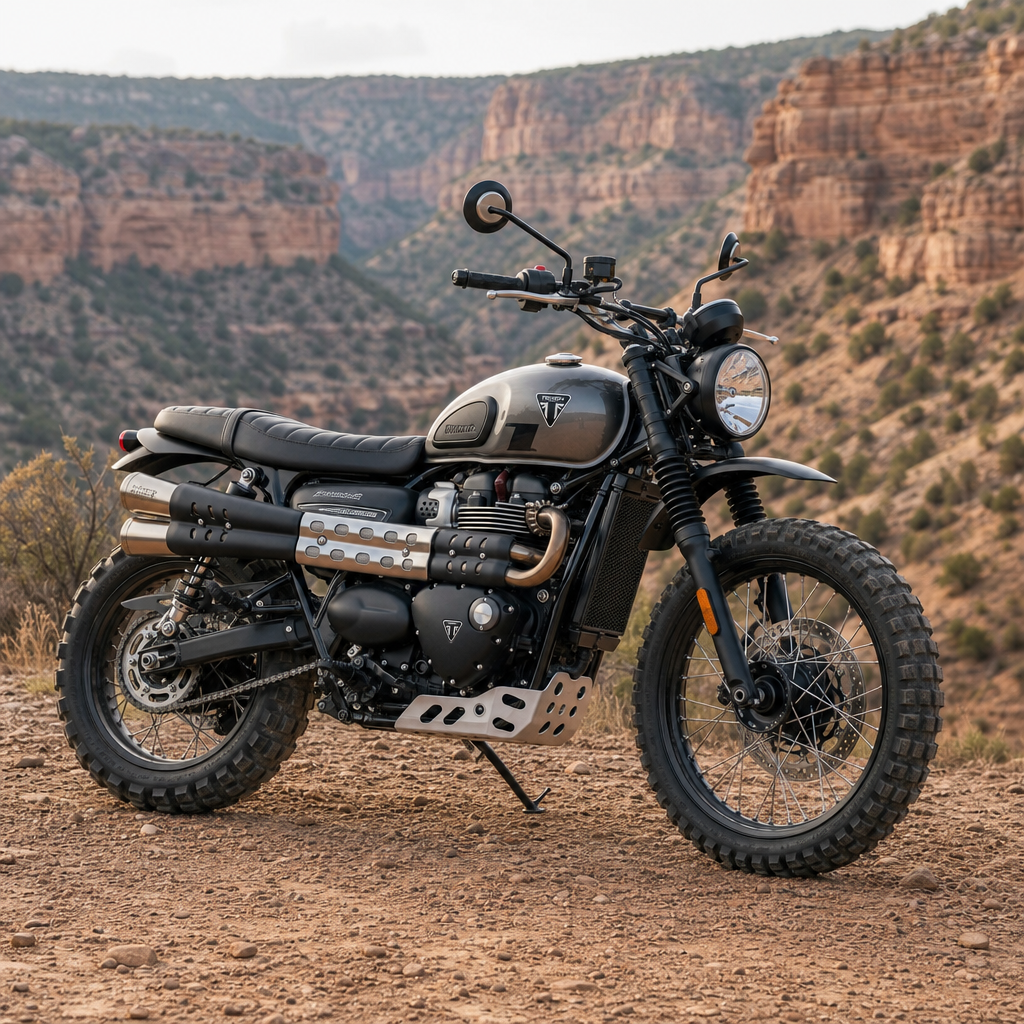
Scrambler conversions have become one of the clearest expressions of modern custom culture, and transforming a 2026 Triumph into an off-road beast sits at the crossroads of fabrication technology, design history, and practical riding performance. In builder circles, a scrambler conversion means more than bolting on dual-sport tires or raising the bars. It is the deliberate reworking of stance, suspension travel, protection, ergonomics, and visual language so a road-based motorcycle can survive dirt roads, broken pavement, and light trail work while still looking intentional. I have spent enough time around fabrication shops, CAD mockups, and late-night test rides to know the difference between a catalog build and a coherent machine. The best conversions solve a riding problem and communicate an identity at the same time.
That broader identity matters because this topic sits inside a larger conversation about custom culture and the new generation of builders using digital design, CNC machining, 3D scanning, and cleaner fabrication workflows. A 2026 Triumph platform, whether based on the Scrambler 1200, Speed Twin, Bonneville, or another modern classic, gives builders a strong starting point: ride-by-wire, better brakes, improved electronics, emissions-compliant fueling, and a frame with enough aftermarket support to encourage experimentation. Yet the real story is not only technical. It is also aesthetic. Design theory in contemporary motorcycle building pulls from established styles like Chicano, performance bagger, and Frisco, then translates their principles into new forms. Understanding those styles helps riders make better choices about proportion, attitude, material finish, and functional priorities.
For this hub, “design theory” means the set of visual and structural decisions that give a custom motorcycle coherence. Chicano style emphasizes elegance, long visual lines, rich paint, cultural symbolism, and lowrider influence. Performance bagger design takes the touring platform and sharpens it around speed, cornering clearance, braking, and integrated aerodynamics. Frisco style is rooted in stripped-down San Francisco chopper culture, often pushing tanks high, narrowing bodywork, and exposing mechanical honesty. “Beyond” includes the hybrid ideas reshaping custom work now: rally-inspired adventure customs, digi-fab restomods, endurance-racer cues, and street tracker crossovers. If you are planning a Triumph scrambler conversion, these reference points matter because every hardware choice, from wheel diameter to subframe treatment, changes both capability and narrative.
That is why this page functions as a hub. It connects practical conversion strategy with the design languages informing today’s best builds, so readers can move from inspiration to execution without treating style and performance as separate topics.
What makes a 2026 Triumph a strong scrambler conversion platform
A 2026 Triumph offers a rare balance of classic architecture and modern engineering, which is exactly what a successful scrambler conversion needs. Builders want a bike that is visually adaptable, structurally predictable, and electronically manageable. Triumph’s modern classics usually meet those requirements better than many fully faired sport platforms or heavily integrated adventure bikes. The parallel-twin layout keeps packaging narrow, torque delivery is friendly in low-grip conditions, and aftermarket support for protection, suspension, and bodywork is extensive. In practical workshop terms, that means less time fighting inaccessible components and more time refining fit, finish, and geometry.
The first question most riders ask is simple: what actually changes in a proper conversion? The answer is fivefold. You address suspension, wheels and tires, rider triangle, durability, and weight distribution. Suspension is the most transformative. If the donor bike has limited travel or soft damping, upgraded cartridges, piggyback shocks, and revised spring rates improve control on washboard surfaces and rutted fire roads. Wheels and tires then determine how much terrain the bike can realistically handle. A 19-inch front can be enough for mixed use, but a 21-inch front improves roll-over on loose terrain at the cost of some on-road sharpness. Handlebars, pegs, and seat profile matter because standing posture is central to off-road control. Add skid plates, radiator guards, hand protection, and high-mount exhaust clearance, and the motorcycle starts behaving like a purpose-built machine rather than a styled roadster.
Electronics also deserve attention. Modern Triumphs often include ride modes, switchable traction control, and ABS settings that can be useful off pavement. The best builders work with those systems rather than around them. I have seen expensive custom projects ruined by deleting sensors or rerouting harnesses carelessly, only to trigger faults and limp modes. A credible 2026 conversion respects the factory CAN-based architecture, heat management, and serviceability. That is one reason high-end shops increasingly use 3D scanning for bracket design and test clearances in CAD before cutting metal. The result is cleaner packaging and fewer surprises when the bike is fully assembled.
Design theory in custom culture: how style guides function
Good design theory is not abstract art talk. In motorcycle building, it is a practical system for deciding what belongs and what does not. Every recognized custom style developed around specific constraints: roads, rider needs, available materials, local taste, and the technology of its era. Today’s new guard builders are successful because they understand those source conditions instead of copying surface cues. When someone asks how Chicano, performance bagger, or Frisco design applies to a Triumph scrambler conversion, the useful answer is that each style offers principles about line, mass, stance, finish, and emotional tone.
Chicano design teaches the value of flow, symbolism, and presentation. Performance bagger design demonstrates that visual aggression should match measurable handling and braking gains. Frisco style reminds builders that simplicity and exposed structure can carry more authority than decorative excess. In my experience, the strongest customs borrow one dominant language and one secondary influence. Problems begin when a project mixes too many codes at once: long low fenders with high-travel suspension, ornate paint over disposable welds, or race-style bodywork on stock suspension and budget tires. Coherence is what turns a modified motorcycle into a designed object.
For a scrambler, the most useful design questions are direct. What terrain will it actually ride? Should the bike feel elegant, brutal, minimal, or technical? Does the visual center of gravity sit low and elongated, or high and compact? Are you celebrating craftsmanship through paint and upholstery, or through weld quality, machining, and component choice? A serious builder answers these questions before ordering parts. That planning is why professional shops create mood boards, geometry sheets, and measured mockups. It is not corporate overkill. It prevents expensive contradiction.
Chicano influence: elegance, symbolism, and line control
Chicano motorcycle design is frequently misunderstood by newcomers as just paint, engraving, and chrome. In reality, its power comes from line control and cultural intentionality. The visual influence of lowriders is obvious: long silhouettes, deep finishes, layered detail, and a sense of dignified motion even when the machine is parked. On Harley touring bikes and softails, that often appears through stretched visual lines, custom murals, candy paint, pinstriping, tall bars, and tailored seats. The point is not maximal ornament. The point is harmony, presence, and identity.
How does that translate to a Triumph scrambler conversion without becoming costume? Through selective adaptation. A builder might use a rich monochrome or candy finish on the tank and side panels while keeping the lower half technical and durable. Upholstery can bring in diamond or pleated patterns, but the foam density and cover material still need to support standing transitions and wet weather use. Gold hardware, polished engine covers, or engraved small parts can work if they are restrained. Even a high-mounted fender and skid plate can coexist with Chicano influence when the paint, stance, and detailing create a feeling of intention rather than randomness.
The limitation is obvious and worth stating plainly: heavily detailed show finishes are vulnerable in real off-road use. Stone chips, mud abrasion, and repeated washing take a toll. That does not make the style invalid; it simply means the owner must define the mission honestly. If the bike will do mostly urban riding, event display, and occasional gravel roads, Chicano-derived finishing can be a compelling choice. If it will regularly see brush, sand, and hard drops, use the style more sparingly and prioritize coatings, guards, and easily repairable panels.
Performance bagger logic: speed, geometry, and integrated function
Performance bagger design might seem unrelated to scramblers, but the underlying logic is extremely relevant. The style emerged from riders who wanted full-sized American touring bikes to corner harder, brake later, and carry speed with confidence. That meant taller shocks, cartridge forks, stiffer chassis behavior, radial brakes, sticky tires, improved ergonomics, and fairing or luggage solutions that looked integrated rather than accidental. The lesson for a Triumph conversion is simple: if a visual upgrade suggests capability, the chassis needs to deliver it.
Many excellent modern builders bring this mindset into scrambler work. Instead of focusing only on vintage cues, they engineer complete systems. That can mean rally-style wind protection paired with actual navigation mounts, auxiliary lighting wired through proper relays, and suspension selected around rider weight plus luggage. I have ridden customs that looked perfect in photos but became unstable on washboard because the fork oil, spring rates, and rear preload were never matched. The performance bagger school rejects that kind of superficiality. It insists that aesthetics and measured performance support each other.
| Design language | Core visual traits | Functional lesson for a scrambler build |
|---|---|---|
| Chicano | Flowing lines, rich paint, tailored details | Use finish and proportion to create identity without compromising mission |
| Performance bagger | Aggressive stance, integrated bodywork, premium running gear | Match every visual promise with real braking, suspension, and ergonomic gains |
| Frisco | Minimal bodywork, exposed mechanics, narrow silhouette | Reduce clutter and keep mass centralized for a direct, honest machine |
| Beyond/hybrid | Rally, tracker, endurance, and digi-fab influences | Combine references only when geometry and intended use remain consistent |
On a 2026 Triumph, this can translate into fully adjustable suspension from Öhlins, Fox, or Tractive; brake upgrades using Brembo master cylinders or braided lines; and wheel and tire combinations chosen around actual terrain, not trends. It also means understanding geometry. Raising ride height changes rake, trail, chain run, and sidestand angle. Better builders calculate those effects, then test them. That discipline is the real inheritance from performance bagger culture.
Frisco style: minimalism, attitude, and mechanical honesty
Frisco style comes from a very different cultural and functional place than Chicano or performance bagger design, yet it still offers powerful lessons for a scrambler project. Traditionally associated with narrow choppers, peanut tanks mounted high on the backbone, slim rear sections, and a stripped, urban toughness, Frisco style values directness. It often makes the motorcycle look taller, leaner, and more elemental. You see the machine’s bones. Nothing is trying to hide what it is.
That spirit translates surprisingly well to a Triumph scrambler conversion. A slim tank line, abbreviated tail, visible frame triangle, and compact lighting can make the bike feel agile before the wheels even turn. Brushed metal, black ceramic-coated exhaust, and simplified wiring runs support that effect. The visual message is that the motorcycle exists to be used, not merely admired. On mixed-surface builds, that honesty can be refreshing, especially when paired with practical details like serrated pegs, soft-luggage anchors, and a narrow seat that improves stand-up mobility.
Still, Frisco influence has tradeoffs. A very small tank may compromise range. Minimal fenders can create mud problems. Ultra-clean lighting and plate mounts may not meet legal requirements in every market. The right approach is to borrow the attitude, not blindly imitate old packaging solutions. Use compact LED lighting, but keep it robust and compliant. Keep the silhouette lean, but retain enough fuel and rear structure for how the bike will be ridden. Modern custom work succeeds when it updates the philosophy rather than freezing the look in time.
Beyond the classics: hybrid design, fabrication tech, and the new guard
The most interesting custom motorcycles now rarely fit a single traditional label, and that is especially true in the Triumph scene. Builders are mixing rally raid ergonomics, street tracker compactness, endurance-racer surfaces, and handmade metalwork with digital fabrication methods that would have been inaccessible to small shops a decade ago. This is where the “new guard” earns the name. They are just as likely to begin with a 3D scan and suspension data sheet as with a sketchbook, yet the best of them still understand hand-formed aluminum, TIG weld sequencing, and finish work at a very high level.
For a scrambler conversion, these hybrid methods solve real problems. 3D-printed prototypes help test instrument relocation and headlight shrouds before expensive final parts are machined. Waterjet or CNC-cut brackets improve repeatability and symmetry. Finite element thinking, even when informal, encourages stronger subframe and luggage-mount solutions. Coatings such as Cerakote, DLC on fork internals, and durable powder systems extend service life. ECU tuning done with reputable software and dyno verification can improve throttle response without creating heat or drivability issues. None of that is theoretical; it changes how usable the motorcycle becomes.
The caution is that technology should support clarity, not replace it. A bike overloaded with billet accessories, printed trim pieces, and gadget mounts can feel less resolved than a simpler build executed well. The hub principle is straightforward: choose one design thesis, define the terrain and speed envelope, and use fabrication tech to refine fit, strength, and repeatability. That is how a 2026 Triumph becomes more than a donor. It becomes a finished idea.
Building a hub mindset: where this topic connects next
As a sub-pillar hub, this subject leads naturally into more focused articles on paint and surface language, bagger-derived chassis tuning, Frisco proportions, rally conversion workflows, Triumph electronics integration, suspension setup, wheel and tire sizing, and fabrication planning. Those internal pathways matter because builders rarely solve style, engineering, and ride use in one step. They iterate. First comes the design language, then geometry and parts selection, then fabrication, then testing, then refinement. Readers who approach the process in that order waste less money and end up with motorcycles that make sense from every angle.
The central lesson is clear. Scrambler conversions are not about making a 2026 Triumph look vaguely rugged. They are about aligning visual identity with real capability. Chicano design teaches presence and finish discipline. Performance bagger thinking demands that stance and hardware justify the story. Frisco style strips the machine back to its essentials and values mechanical honesty. Hybrid contemporary practice adds digital precision, better materials, and a broader menu of influences. When these ideas are understood as principles rather than trends, they become useful design tools instead of clichés.
If you are planning your own build, start with the intended terrain, rider posture, and distance requirements, then select one dominant design language and one supporting influence. Measure before cutting, mock up before welding, and test before painting. That process produces the kind of scrambler conversion that looks right, rides hard, and holds up over time. Use this hub as the starting point, then move deeper into the linked subtopics to shape a Triumph that is not only customized, but convincingly transformed.
Frequently Asked Questions
What exactly is a scrambler conversion, and how is it different from simply adding off-road accessories to a 2026 Triumph?
A true scrambler conversion is a complete rethink of how the motorcycle stands, handles, protects itself, and communicates its purpose. On a 2026 Triumph, that means going far beyond cosmetic changes or a few bolt-on adventure-style parts. Dual-sport tires, a high fender, or wider handlebars may change the look, but they do not automatically make the bike capable of handling rough terrain in a reliable, balanced way. A real conversion addresses the entire system: suspension travel and damping, wheel and tire choice, ground clearance, chassis geometry, underbody protection, intake and exhaust routing, rider ergonomics, and the durability of controls and bodywork under repeated impacts and vibration.
In practical terms, a proper scrambler build starts with the base platform and asks what it needs in order to survive broken pavement, gravel, fire roads, washboard sections, and light trail work without feeling fragile or compromised. That may involve replacing short-travel road-biased suspension with longer, better-controlled units, revising spring rates for rider and luggage weight, fitting stronger rims, using tires that preserve predictable steering on asphalt while adding loose-surface grip, and protecting critical components such as the sump, radiator, and engine cases. Builders also look at the rider triangle, because standing on the pegs comfortably is a basic requirement for off-road control. If the bars, seat, and footpeg relationship is wrong, the motorcycle may look right in photos but feel awkward and tiring in real use.
The difference, then, is intent and integration. Accessories decorate. A scrambler conversion engineers. The best builds preserve the Triumph’s core identity while adapting it to terrain and abuse the stock road setup was never designed to handle. That is why the strongest scrambler conversions feel cohesive rather than assembled. Every modification supports another, and the final result is a motorcycle that not only resembles an off-road machine, but actually behaves like one when the pavement ends.
Which parts of a 2026 Triumph matter most when building it into a capable off-road scrambler?
The most important areas are suspension, wheels and tires, protection, ergonomics, and gearing. If a builder gets those five categories right, the motorcycle will usually become far more useful off-road even before aesthetic details are finalized. Suspension is typically the single biggest performance upgrade because it determines traction, confidence, and fatigue. A road-oriented Triumph may have damping and spring rates optimized for paved surfaces, but off-road use demands more compliance over repeated hits, better rebound control, and often more travel. Without that, even excellent tires cannot deliver their full benefit.
Wheels and tires are the next major factor. Tire selection changes the motorcycle’s behavior instantly, but the choice has to match the real use case. Some owners want a 70/30 road-to-dirt split, while others expect regular gravel, mud, and rutted trails. Builders may also consider spoked wheels for improved resilience over rough terrain, and in some cases a change in wheel size can improve obstacle rollover and tire availability. However, wheel changes must be evaluated carefully because they can alter steering response, seat height, and ABS or traction-control compatibility on a modern 2026 platform.
Protection is equally critical because off-road riding introduces impacts and tip-overs as normal operating conditions, not rare events. A proper scrambler conversion often includes a skid plate, engine guards, hand guards, radiator protection, and reinforced mounting solutions for vulnerable components. Ergonomics matter because a rider must be able to transition easily between seated and standing positions. Wider bars, revised peg placement, grippier pegs, and a seat designed for mobility all contribute to control. Finally, gearing can transform the personality of the bike. Slightly shorter gearing often improves low-speed throttle control and makes technical riding less demanding, especially on a torquey Triumph twin where tractability is one of the bike’s strengths.
Taken together, these areas define whether the build is truly functional. Paint, exhaust note, and visual style are important to custom culture, but they sit on top of the mechanical foundation. The best scrambler conversions prioritize capability first and aesthetics second, then blend the two so the finished Triumph looks purposeful because it is purposeful.
Is a 2026 Triumph a good base for a scrambler conversion, or is it better to start with a different motorcycle?
A 2026 Triumph can be an excellent base for a scrambler conversion, especially if the builder values strong engine character, classic-modern styling, and a platform with a deep custom aftermarket. Triumph has long occupied a natural position in scrambler culture because its modern classics already carry much of the visual DNA associated with historic desert sleds and stripped-down mixed-surface machines. That gives builders a strong aesthetic starting point. More importantly, many Triumph models offer torquey parallel-twin performance, manageable dimensions, and chassis layouts that respond well to targeted upgrades.
That said, whether it is the right base depends on the intended use. If the goal is a stylish urban scrambler that can confidently handle gravel roads, poor pavement, and occasional trail detours, a Triumph is often ideal. If the goal is aggressive enduro-style performance, deep sand work, or repeated technical trail riding, then even a well-executed conversion may still be heavier and less specialized than a purpose-built dual-sport or adventure machine. This is where experienced builders are realistic: a scrambler conversion is usually about expanding capability and creating a distinctive all-terrain character, not turning a road-based classic into a competition dirt bike.
Modern electronics and emissions packaging on a 2026 model can also influence the project. Today’s Triumphs are more advanced than earlier custom platforms, which means there are greater opportunities for refined performance but also more complexity when changing exhausts, wheel setups, lighting, and control systems. Builders need to understand ECU behavior, sensor tolerances, legal compliance, and how modifications interact with ABS, traction control, and ride modes. A well-planned build embraces that complexity rather than fighting it.
So yes, a 2026 Triumph is a strong candidate, provided the expectations are aligned with the platform. It is especially compelling for riders who want a machine that feels special on the street, remains genuinely useful on dirt and gravel, and carries the unmistakable visual authority that has made scrambler conversions such a central expression of modern motorcycle customization.
What are the biggest challenges or mistakes people make during a scrambler conversion?
The most common mistake is building for appearance instead of function. Many conversions chase the visual shorthand of a scrambler—knobby tires, a tucked tail, brown seat, fork gaiters, and a high exhaust—without considering how those changes affect heat management, rider comfort, suspension performance, weight distribution, or legality. A 2026 Triumph may still look convincing parked outside a café, but if the tires are wrong for the wheel width, the bars create awkward standing posture, or the suspension remains underdamped and short on travel, the bike will quickly reveal its limitations in actual off-road conditions.
Another major challenge is failing to think in systems. Raising one end of the motorcycle without balancing the other can disrupt geometry. Installing more aggressive tires without addressing fender clearance can create rubbing issues. Adding luggage or protective equipment without re-springing the suspension can overload the chassis. Swapping exhaust components without proper tuning can hurt rideability or trigger electronic issues. Modern motorcycles reward careful integration, and the more advanced the platform, the more important that systems-level thinking becomes. On a current Triumph, this also includes preserving reliability in the presence of added vibration, dirt ingress, and repeated impacts.
Budget mismanagement is another frequent problem. Builders often underestimate how quickly costs escalate once quality suspension, wheel work, fabrication, protective parts, custom brackets, tuning, and finishing are included. It is very easy to spend heavily on visual details early and then run out of resources before the bike is mechanically sorted. Experienced customizers usually reverse that priority. They allocate funds first to suspension, tires, controls, protection, and braking confidence, and only then move to trim pieces and styling flourishes.
Perhaps the most overlooked issue is honesty about usage. A successful scrambler conversion is built around real riding habits. If the owner is mostly riding pavement with occasional dirt roads, the setup should reflect that. If the build will see extended gravel travel with luggage, then durability, comfort, and serviceability become central. The mistake is pretending every build needs extreme off-road hardware. The smartest conversions are tailored, not exaggerated. They solve the actual problem the rider has, and that is why they feel so well judged both on the road and off it.
How can you make a scrambler-converted 2026 Triumph reliable, safe, and enjoyable for real-world riding?
Reliability and safety come from disciplined planning, quality parts, and testing under realistic conditions. Start with the motorcycle’s intended mission and choose components that support that mission without overcomplicating the build. If the bike will see mixed commuting, back-road riding, and unpaved routes on weekends, then every modification should improve resilience and control in that environment. That means proven suspension components, tires suited to the actual terrain, proper protection for vulnerable systems, and controls that remain