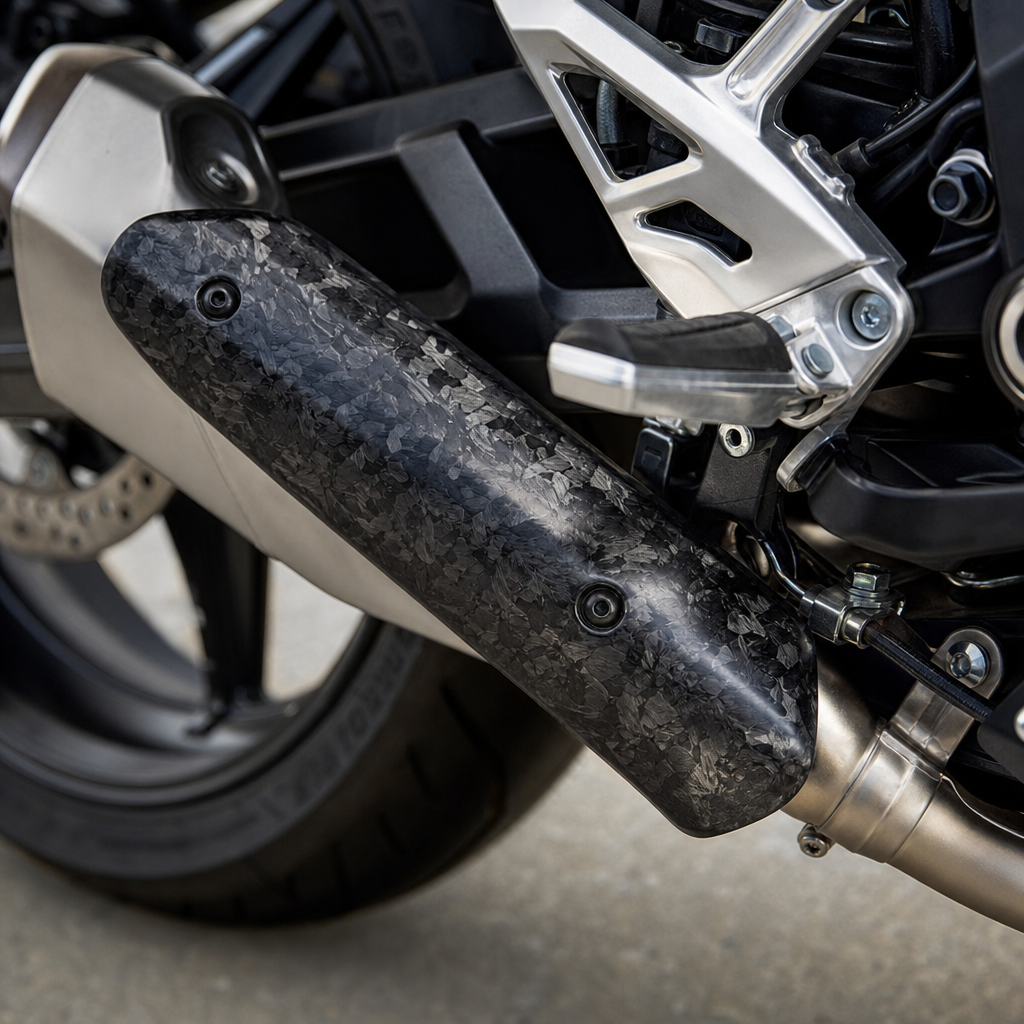
Forged Carbon Exhaust Heat Shields: Style and Function for 2026 sit at the intersection of performance fabrication, visual identity, and practical thermal management, making them one of the most useful upgrades in today’s custom culture. A forged carbon heat shield is a protective panel made from chopped carbon fiber compressed in resin, then cured into a dense composite that can handle heat, reduce radiant transfer, and deliver the marbled look builders now associate with premium motorsport parts. In my own shop work, I have seen riders and fabricators choose forged carbon not just because it photographs well, but because it solves real packaging problems around modern exhaust routing, compact subframes, and tightly integrated bodywork. For 2026 builds, that matters more than ever. Motorcycle and automotive projects are moving toward lighter components, shorter production runs, and digitally assisted fabrication, so parts must combine function, repeatability, and customization.
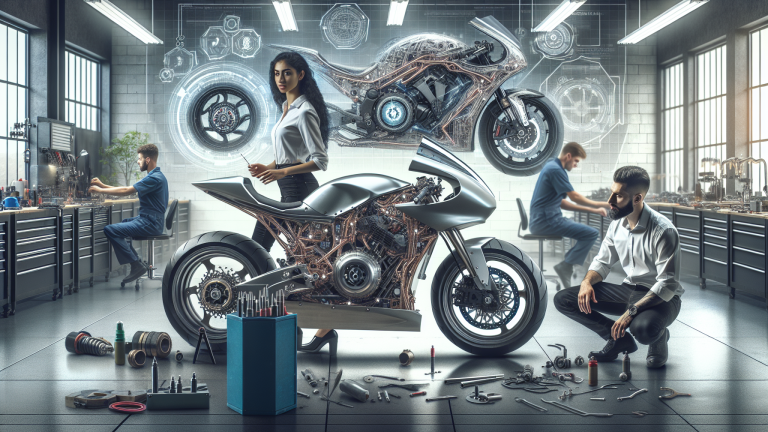
This hub article covers the broader fabrication technology landscape that forged carbon heat shields now belong to: 3D printing for prototyping and tooling, carbon composites for final parts, and advanced wiring methods that support clean, reliable custom builds. These three areas increasingly overlap. A builder may 3D print a heat shield buck, laminate forged carbon over a matched mold, and finish the project with motorsport-grade wiring routed away from heat zones identified during mock-up. Understanding that workflow helps enthusiasts make better part choices and helps shops avoid expensive rework. It also explains why forged carbon has become a flagship material for custom exhaust heat shields in 2026: it looks distinctive, can be shaped for low-volume production, and fits the digital fabrication methods now driving the new generation of builders.
Why Forged Carbon Heat Shields Matter on Modern Custom Builds
An exhaust heat shield has a straightforward job: reduce surface temperature exposure to the rider, passenger, wiring, body panels, luggage, and nearby components. Good shields limit radiant heat, create an insulating air gap, and provide a physical barrier around headers, mid-pipes, mufflers, or underseat exhaust sections. Forged carbon adds a second layer of value by reducing mass compared with many metal assemblies while allowing a highly sculpted appearance. On a naked bike, sportbike, adventure build, or compact car with exposed exhaust routing, that combination of lower weight and stronger visual presence is hard to match.
In practice, forged carbon heat shields work best when designed as part of the exhaust system, not as an afterthought. I have measured disappointing results from shields bolted flush against hot metal because there was no air gap, no reflective barrier, and no thought given to mounting stand-offs. The best-performing examples use stainless or titanium stand-offs, controlled spacing, and high-temperature resin systems rated for sustained service temperatures appropriate to the mounting location. Builders also add basalt, silica, or aluminized glass insulation on the hidden side when heat load is severe. Material choice alone does not create thermal performance; geometry, spacing, and installation do.
Style matters too. Forged carbon’s random fiber pattern differs from traditional woven carbon cloth, so each part appears unique. That matters in a market where buyers expect custom fabrication to look custom at close range, not just in catalog photos. For 2026, this finish aligns with broader trends in exposed hardware, short-run boutique parts, and mixed-material detailing that pairs forged carbon with raw titanium, Cerakote, brushed aluminum, and additive-manufactured brackets.
How 3D Printing Changes Heat Shield Development and Small-Batch Fabrication
3D printing has become the fastest way to move from concept to mounted heat shield. Builders use FDM printers for test fixtures, clearance jigs, trim templates, and low-cost prototype shields. Resin printers are useful for smaller detail parts, clip geometries, and appearance studies. In professional workflows, printed components are often not the final heat shield near high exhaust temperatures, but they dramatically reduce development time by validating fit around swingarms, rearsets, passenger pegs, belly pans, and bodywork before composite tooling is made.
A common workflow starts with 3D scanning or careful manual measurement of the exhaust path and surrounding chassis. CAD software such as Fusion, SolidWorks, or Rhino is then used to shape the shield with controlled standoff depth, edge return, and fastener placement. A prototype is printed in PETG, ABS, ASA, nylon, or a carbon-filled polymer to test fitment. Once the geometry is proven, that printed piece can become the basis for a mold, a plug, or a trimming guide for the forged carbon layup. This shortens iteration cycles from weeks to days.
For low-volume production, printing also helps standardize results. If a shop is building ten heat shields for a limited run of custom bikes, digital files maintain repeatable bracket spacing and mounting angles. That repeatability matters because small errors near an exhaust can cause rattles, hot spots, and finish damage. I have found that even simple printed drill guides prevent the kind of one-millimeter misalignment that turns a clean installation into a stressful rework session.
| Fabrication area | Primary role | Typical tools | Best use on a 2026 custom build |
|---|---|---|---|
| 3D printing | Prototype, jig, mold aid, bracket development | FDM printers, resin printers, Fusion, SolidWorks | Rapid fit checks, repeatable small-batch production, custom mounting solutions |
| Carbon composites | Final lightweight structural or semi-structural part | Forged carbon charge patterns, compression molds, vacuum bagging | Heat shields, trim panels, covers, ducts, seat units |
| Wiring technology | Reliable electrical integration in tight, hot spaces | TXL wire, DR-25, Deutsch DT, Raychem boots, proper crimp tools | Clean harness routing, sensor protection, serviceable custom electronics |
There are limits. Most common printed plastics degrade if used as the final shield directly over a hot exhaust. Even high-temperature nylons and engineering filaments must be validated against real-world heat soak, vibration, and UV exposure. That is why 3D printing is most powerful as a development and tooling technology within this category, while forged carbon or metal remains the preferred final material in many applications.
Carbon Composite Choices: Forged Carbon vs Woven Carbon vs Metal
Not all carbon parts behave the same, and builders should understand the tradeoffs before choosing a heat shield material. Forged carbon uses chopped fibers distributed in resin, usually compression molded or formed under pressure. Its visual signature is irregular and modern, and it allows shapes that are difficult to achieve cleanly with woven cloth. Because the fibers are discontinuous, forged carbon does not mirror the directional strength characteristics of a carefully engineered woven or unidirectional laminate, but for heat shields that are lightly loaded and properly mounted, it is often an excellent fit.
Traditional woven carbon remains popular where builders want a classic motorsport appearance and more predictable drape planning across broader surfaces. It can produce lighter laminates in some designs, especially when vacuum bagged with disciplined resin control. However, cosmetic layup quality depends heavily on technician skill, and compound curves can distort the weave. Forged carbon hides those aesthetic challenges and is more forgiving when the part geometry includes tight radii, asymmetry, or localized thickness changes.
Metal still has an important place. Stainless steel heat shields handle abuse, impact, and sustained temperature extremely well. Aluminum reflects heat effectively and is easy to form, though it loses strength as temperature climbs and can fatigue if unsupported. Titanium offers premium corrosion resistance and low weight but raises cost sharply. For many performance applications, the smartest answer is hybrid construction: forged carbon outer skin for appearance and low mass, metal inserts or stand-offs for mounting integrity, and insulation where needed. That mix usually outperforms single-material thinking.
Resin selection is critical. Standard cosmetic epoxy systems may yellow, soften, or degrade near exhaust temperatures. Heat shield manufacturers therefore use higher-temperature epoxy, phenolic, cyanate ester, or specialized prepreg systems depending on process and budget. Published glass transition temperature values are useful, but they are not the full story; proximity to the pipe, airflow, shielding layers, and duty cycle determine whether a part survives. A street bike with intermittent use and open airflow imposes a different thermal load than a turbocharged car with enclosed plumbing and long heat soak periods after shutdown.
Designing for Heat, Vibration, and Real Service Conditions
Successful heat shield design starts with thermal mapping. Builders should identify the hottest zones, likely contact points, rider exposure areas, and vulnerable nearby systems such as brake lines, ABS wiring, coolant hoses, and plastic undertrays. An infrared camera or temperature-indicating labels provide useful baseline data after a road test or dyno run. This evidence-based step prevents guesses and helps determine whether the shield needs only radiant protection or also conductive isolation and airflow control.
Mounting strategy is where many custom projects fail. Composite parts do not like crushed fastener loads or unsupported flutter. Use bonded inserts, properly sized washers, metal sleeves, or isolated brackets to spread stress. Maintain adequate clearance for engine movement and exhaust expansion. On motorcycles, remember that a hard-mounted shield near a rubber-mounted engine or a flexing subframe can crack even if the material itself is sound. Rubber isolation can help, but too much movement invites rubbing. The right answer is controlled stiffness with enough compliance to absorb vibration.
Edge finishing and backside treatment also matter. Sharp composite edges chip easily and can fray during service. Rolled, chamfered, or resin-sealed edges last longer and look more professional. On the hidden side, reflective foil barriers or ceramic insulating mats can substantially reduce outer surface temperature. In one underseat application I worked on, changing from a bare composite backside to a layered reflective and insulating treatment cut measured external temperature enough to stop repeated soft luggage damage. That kind of improvement comes from system design, not material trend-following.
Maintenance should be considered during fabrication. A beautiful shield that blocks access to an O2 sensor, spring clip, or drain point will frustrate any owner. For 2026 builders, serviceability is part of quality. Design around common maintenance tasks, specify corrosion-resistant fasteners, and ensure replacement hardware is easy to source.
Wiring Technology: The Overlooked Partner to Exhaust Fabrication
Any article about fabrication tech that stops at the visible carbon part misses the build discipline that separates durable customs from short-lived showpieces. Exhaust heat affects wiring constantly. On modern machines, harnesses for quickshifters, ride-by-wire throttles, lambda sensors, CAN bus accessories, brake lights, and auxiliary electronics often pass near headers or mufflers because packaging is tight. Poor routing leads to brittle insulation, intermittent faults, and expensive troubleshooting.
The best builders now treat wiring with the same seriousness they give carbon fabrication. That means selecting appropriate wire type such as TXL, GXL, or motorsport-spec thin-wall cable; using proper open-barrel crimps instead of hardware-store terminals; sealing with adhesive heat shrink or molded boots where required; and protecting harness sections with DR-25, fiberglass sleeve, or aluminized thermal sleeving in hot areas. Connectors like Deutsch DT, DTM, and Autosport series have become common because they improve serviceability and reliability in harsh environments.
Layout discipline matters just as much as component quality. Keep harnesses away from direct radiant zones, avoid unsupported spans, and build in strain relief near connectors. Where a harness must pass near an exhaust heat shield, leave predictable clearance and use stand-offs or P-clamps so vibration cannot pull the loom into contact with hot metal. If a custom tail section relocates electronics, review grounding strategy, fuse placement, and current paths rather than extending wires casually. I have corrected too many “clean” builds where hidden wiring looked tidy but created voltage drop, sensor noise, or repeat heat damage.
For shops producing repeatable packages, wiring documentation is now part of fabrication technology. CAD-based harness drawings, label systems, and continuity testing reduce failures and make future diagnostics possible. That level of process is quickly becoming normal in the new guard of custom builders.
What to Look for When Buying or Commissioning a Forged Carbon Heat Shield
If you are buying a finished forged carbon exhaust heat shield, ask practical questions before focusing on surface finish. What resin system is used? What is the intended operating temperature range? Is the shield designed with an air gap, insulation, or reflective backing? Are mounting points reinforced with metal inserts or compression sleeves? Has the part been tested on the exact exhaust model, or is it a universal fit requiring compromise? Clear answers separate engineered parts from cosmetic accessories.
Inspect details closely. Consistent edge trim, accurate hole spacing, smooth backside finish, and quality hardware indicate a disciplined process. Ask whether replacement hardware is included and whether the part requires periodic torque checks. If the seller cannot explain installation spacing, recommended torque, or heat limitations, be cautious. A forged carbon shield is only as good as the thermal and mechanical thinking behind it.
Commissioned custom work should begin with use case. Street riding, track days, off-road exposure, and luggage carrying each change the heat shield brief. Share how the machine will be used, whether passengers are involved, and what nearby materials need protection. The strongest results come from collaboration among exhaust fabricator, composite specialist, and wiring technician, not from isolated decisions made one component at a time.
Forged carbon exhaust heat shields represent more than a styling trend for 2026. They showcase how modern fabrication now works: digital development through 3D printing, carefully engineered composite construction, and wiring practices designed for heat, vibration, and service life. When those disciplines are combined, the result is a part that protects the rider and surrounding systems, reduces unnecessary weight, and gives a custom build a finish that looks intentional rather than improvised.
The key takeaway is simple. A good forged carbon heat shield is not just a carbon panel near a muffler. It is a thermal management component shaped by CAD, validated through prototyping, built with the right resin and mounting strategy, and integrated with the rest of the machine’s electrical and mechanical layout. Builders who understand that full process make better choices, avoid repeat failures, and create projects that hold up on the road, at shows, and under close inspection.
If you are planning a 2026 custom build, use this hub as your starting point for fabrication tech, then evaluate every heat shield, printed part, and wiring run as part of one coordinated system. That approach will give you the style you want, the function you need, and a build that deserves to be called finished.
Frequently Asked Questions
What is a forged carbon exhaust heat shield, and how is it different from traditional carbon fiber or metal heat shields?
A forged carbon exhaust heat shield is a thermal protection panel made from chopped carbon fiber strands suspended in resin and compressed into a mold under heat and pressure. Instead of the woven pattern people usually associate with standard carbon fiber, forged carbon has a distinct marbled appearance created by the random orientation of the fiber pieces. That visual difference is a major reason it has become so popular in modern custom builds, but the appeal is not only cosmetic. The compressed composite structure can be shaped into complex forms, which makes it especially useful around exhaust systems where space is tight and contours matter.
Compared with traditional woven carbon fiber, forged carbon is often easier to mold into more intricate shield designs without requiring the same visible weave alignment considerations. Compared with stamped or formed metal heat shields, forged carbon offers a very different blend of benefits: lower weight, a more premium performance look, strong rigidity, and reduced radiant heat transfer when properly engineered. Metal shields still remain common because they are inexpensive and highly durable, but they can transmit and radiate heat differently, and they do not deliver the same visual impact. In a 2026 aftermarket landscape where builders want both functional upgrades and signature styling, forged carbon heat shields stand out because they can protect nearby components while also becoming a focal design element.
Do forged carbon exhaust heat shields actually improve heat management, or are they mostly for appearance?
They absolutely can improve heat management when they are designed and installed correctly. A forged carbon exhaust heat shield is intended to reduce radiant heat exposure from the exhaust system to surrounding parts such as body panels, wiring, brake lines, passenger footwells, luggage areas, bumpers, or underbody components. By creating a thermal barrier between the hot exhaust and nearby materials, the shield helps limit heat soak and can reduce the chances of long-term damage to temperature-sensitive areas. That makes them a practical upgrade, especially on modified vehicles with tighter packaging, higher exhaust gas temperatures, turbo setups, or custom routing.
That said, not every forged carbon shield on the market performs at the same level. Real-world effectiveness depends on material quality, resin formulation, thickness, mounting design, airflow around the shield, and whether there is an insulating air gap between the shield and the exhaust. Some premium options also use reflective backing, ceramic layers, or hybrid insulation to improve thermal performance. So while the marbled forged carbon finish definitely brings a strong visual upgrade, a properly built shield is far more than a styling accessory. In many builds, it serves as a critical component for managing heat in compact, high-performance environments.
Are forged carbon exhaust heat shields safe for high-temperature applications on performance vehicles?
Yes, they can be safe for high-temperature applications, but the important detail is that not all forged carbon parts are created for the same thermal load. A true exhaust heat shield intended for performance use should be manufactured with heat-resistant resins and engineered specifically for the temperature range of the vehicle’s exhaust system. This matters because standard cosmetic composite parts may look similar but may not tolerate prolonged exposure to elevated temperatures, especially near headers, downpipes, turbo housings, or catalytic sections where heat can become extreme. In other words, material specification matters just as much as appearance.
For street performance cars, motorcycles, and many custom exhaust applications, a high-quality forged carbon heat shield can perform very well when installed with proper spacing and hardware. However, in especially severe thermal zones, builders often combine forged carbon shielding with metal stand-offs, ceramic insulation, or reflective barriers to improve durability and maintain safety margins. The best approach is to match the shield design to the application rather than assuming every forged carbon panel is universally heat-proof. If the part comes from a reputable manufacturer and is designed as a true thermal management component rather than a decorative trim piece, it can be a safe and highly effective solution.
What are the main benefits of upgrading to a forged carbon exhaust heat shield in 2026?
The biggest benefit is that you get a rare combination of practical performance value and strong visual identity in a single part. From a functional standpoint, a forged carbon exhaust heat shield can help reduce radiant heat reaching nearby components, improve thermal control in tight engine bays or underbody areas, and support the longevity of parts that would otherwise be exposed to repeated heat cycling. Weight reduction is another advantage, especially for enthusiasts who want to remove unnecessary mass without sacrificing protection. On custom builds where every component is chosen with purpose, replacing a bulky or plain factory shield with a lighter, better-looking alternative is an easy way to modernize the vehicle.
From a style perspective, forged carbon has become one of the defining materials of premium aftermarket design. Its marbled surface gives each shield a more bespoke appearance than standard woven carbon, and that uniqueness fits perfectly with 2026 trends in motorsport-inspired fabrication, restomods, tuner culture, and high-end motorcycles. Builders are looking for parts that do more than blend into the background. A forged carbon heat shield adds visual texture, reinforces a high-performance theme, and signals attention to detail. That is why these shields are increasingly viewed not as minor accessories, but as meaningful upgrades that deliver both thermal function and brand-defining aesthetics.
How should you choose and maintain a forged carbon exhaust heat shield for long-term performance?
Start by choosing a shield based on actual thermal demands, not just appearance. Look for a manufacturer that clearly states the part is intended for exhaust heat shielding and provides information about temperature resistance, mounting method, and compatible applications. Fitment is critical. A well-designed shield should maintain proper clearance from the exhaust, mount securely without vibration issues, and cover the area that most needs thermal protection. It is also smart to pay attention to hardware quality, since poor fasteners or weak brackets can undermine the effectiveness of even a premium composite shield. If the application is particularly hot, look for designs that incorporate stand-offs, air gaps, or additional insulating layers.
Maintenance is straightforward but important. Periodically inspect the shield for resin discoloration, surface cracking, warping, loose hardware, or signs of hot spots. Cleaning should be gentle; use non-abrasive products and avoid harsh chemicals that could degrade protective finishes. If the vehicle sees track time, aggressive driving, or repeated high-heat cycles, inspections should be more frequent. It is also wise to verify that the exhaust has not shifted over time, since reduced clearance can increase heat exposure dramatically. With the right product and routine checks, a forged carbon exhaust heat shield can hold up well, continue protecting surrounding components, and preserve the premium look that makes it such a popular upgrade in today’s custom performance scene.