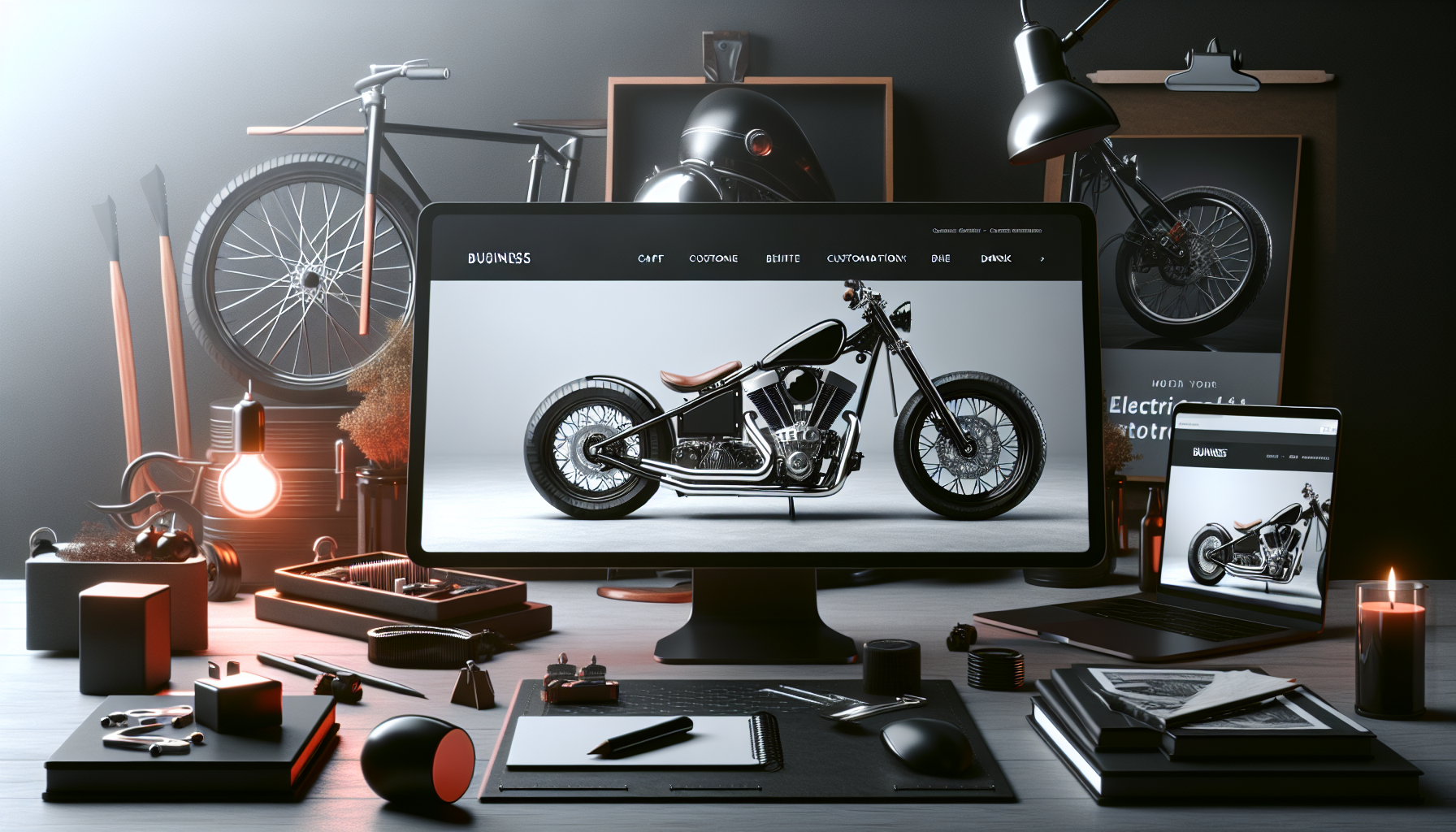
Electric customization has reached the point where a genuinely stylish machine is no longer a novelty, and that makes the question worth asking seriously: can you really build a cool electric bobber? The short answer is yes, but only if you understand what makes a bobber visually convincing, what electric drivetrains demand from a chassis, and where style must give way to engineering. I have worked around custom motorcycles long enough to see many electric builds fail for the same reason early café and chopper projects failed: builders chase a silhouette before solving proportion, packaging, and usability. A bobber is not simply any stripped-down bike. Traditionally, a bobber removes excess bodywork, shortens or “bobs” the fenders, emphasizes the engine, and creates a low, elemental stance. In an electric bobber, the missing internal-combustion engine changes the visual center of gravity, so the battery, motor, controller, and cabling become the design problem. That matters because custom culture has always rewarded authenticity. A bike can be futuristic, but it still needs a coherent story in metal, paint, and geometry. As electric motorcycles move from prototypes into garages and boutique workshops, trends and styles are becoming more defined. Some builders lean industrial and expose cells, welds, and bus bars. Others hide the technology inside faux engine cases or monocoque enclosures to preserve a classic profile. Both can work. The difference between a memorable electric bobber and an awkward one is whether the design resolves weight distribution, ride height, wheel choice, and battery placement into one clear identity. This hub article maps the trends and styles shaping the category, explains what actually works in practice, and shows where electric bobber culture is heading next.
What Makes an Electric Bobber Look Right
A cool electric bobber starts with stance, not with voltage. The bikes that immediately read as “right” usually share a few visual rules: a low solo seat, a strong horizontal line from neck to rear axle, shortened fenders, generous tire sidewall, and minimal clutter above the beltline. On a gasoline bobber, the V-twin or parallel twin often fills the frame and provides visual mass. On an electric bobber, that role must be recreated through deliberate component layout. The motor is compact, so if the battery box is too tall, too square, or mounted too high, the whole bike looks top-heavy and appliance-like.
Builders who get this right often use one of three strategies. First, they place a rectangular battery low and central, then shape side covers so the pack visually echoes crankcases. Second, they split the battery into modules to preserve a triangle in the frame, which helps the bike retain classic custom proportions. Third, they make the battery enclosure the hero object, using ribbed aluminum, brushed stainless, or formed steel to turn necessary mass into a sculptural element. I have seen all three approaches work, but the common factor is discipline. If the enclosure, seat pan, bars, and wheel sizes do not speak the same design language, the build feels unresolved.
Wheel and tire selection carry more influence than many builders expect. A 16-inch rear with a broad profile can instantly create visual heaviness that compensates for the absence of a big combustion engine. Pair that with a 19-inch narrow front and the bike begins to suggest vintage American bobber proportions. Drop too far into sportbike wheel sizes, and the build starts reading as a naked commuter with a custom seat. This is why many successful electric bobbers borrow from cruiser, tracker, and old-school custom cues rather than from superbike styling.
Packaging the Battery Without Losing the Soul
The battery is the central styling and engineering challenge in any electric bobber. Lithium-ion packs are dense, heavy, and happiest when protected from impact, moisture, vibration, and heat. That means you cannot simply hang them in a decorative box and hope for the best. Real battery packaging involves a structural enclosure, service access, insulation, a battery management system, contactors, fusing, and cooling considerations. Even air-cooled packs need room for thermal stability. The good news is that these constraints can create style if approached honestly.
Most custom builders working with roadgoing electric motorcycles choose between two broad layouts: a central monoblock battery or distributed modular packs. A monoblock keeps wiring shorter, simplifies enclosure sealing, and usually improves structural efficiency. It also makes the bike look modern and purposeful. Distributed modules allow more shape freedom and can preserve open frame space, but they add wiring complexity and demand careful balancing and mounting. For a bobber, the central monoblock usually gives the better result because it keeps mass low and central, which improves handling while supporting the stripped-down aesthetic.
Cooling and range also shape style. A compact urban bobber designed for 30 to 60 miles of city riding can use a smaller pack and cleaner proportions. A highway-capable electric bobber intended to cover 100 miles at mixed speeds needs more kilowatt-hours, and that extra battery volume affects every visual line. This is where honesty matters. If a builder promises long range and vintage slimness in the same package, something is usually compromised. Either the bike becomes heavy, the range claim relies on unrealistically low speeds, or the seating and ergonomics become impractical. The coolest builds do not pretend the battery is invisible. They integrate it as a defining form, the same way a finned V-twin once defined a traditional bobber.
Current Trends and Styles in Electric Bobber Culture
Electric bobber style is no longer one look. The category is developing recognizable branches, each with different audiences and technical priorities. In workshops, shows, and digital communities, I see five trends repeated because they solve the style-versus-function puzzle in distinct ways.
| Trend | Visual Signature | Why It Works | Main Tradeoff |
|---|---|---|---|
| Retro camouflage | Battery hidden in faux engine cases or tank forms | Keeps classic bobber identity familiar | Can look forced if proportions are fake |
| Industrial exposed tech | Visible battery housing, bus bars, machined brackets | Turns electric hardware into the centerpiece | Needs exceptional fabrication quality |
| Minimal urban bobber | Slim pack, short fenders, compact wheelbase | Best suited to real city range and low-speed fun | Limited touring practicality |
| Luxury artisan build | Hand-formed metal, leather, premium finishes | Positions electric as bespoke rather than utilitarian | Very expensive and often heavy |
| Performance bobber | Muscular tires, stronger brakes, aggressive geometry | Matches instant torque with sharper dynamics | Can drift away from classic bobber simplicity |
Retro camouflage remains popular because many riders still want the emotional comfort of a traditional motorcycle outline. This style works best when the builder respects scale. Oversized fake cylinders or decorative covers fool no one. Better examples use subtle visual references, such as side panels with fin details, cast housings, or a “tank” that actually stores charging hardware and low-voltage systems. Industrial exposed tech is the opposite philosophy. Here, the battery box, weld seams, copper accents, and controller mounts become visible proof of craft. This direction has credibility because it does not apologize for being electric.
The minimal urban bobber may be the most honest trend of all. Electric motorcycles excel in stop-and-go environments thanks to regenerative braking, instant torque, and low routine maintenance. A small, lightweight city bobber embraces that use case. Luxury artisan builds appeal to collectors who want a gallery-grade object that also happens to move under its own power. Performance bobbers are fewer in number, but they are influential because they prove that electric customs do not have to be sedate. With modern motors delivering strong low-end torque, these bikes can feel dramatically quick, provided the frame, brakes, and suspension are built to match.
Real-World Build Decisions That Separate Good From Gimmicky
When I evaluate whether an electric bobber is genuinely cool, I look past paint and ask practical questions. What is the nominal system voltage: 72V, 96V, or higher? Is the motor hub-driven or mid-mounted? Has the builder used a reputable controller from suppliers such as Sevcon, Kelly Controls, or Cascadia Motion, depending on performance level? Are the brakes upgraded for the actual curb weight and acceleration? Is there a proper DC-DC converter for lights and accessories, or has someone improvised the low-voltage side? These details matter because a clean custom that strands its owner or overheats after ten hard miles is not a successful custom.
Mid-drive layouts generally suit bobber aesthetics better than hub motors because they preserve the visual lightness of the rear wheel and allow chain or belt drive, which adds mechanical character. They also help centralize mass. Hub motors simplify packaging and reduce drivetrain parts, but they increase unsprung weight, which can hurt ride quality, especially on rough roads. For a rigid-look or hardtail-inspired bobber, that can make the bike feel harsh very quickly. If the goal is a practical rider rather than a static showpiece, rear suspension tuning becomes critical. Hidden monoshocks or compact dual shocks often produce a cleaner result than fake-hardtail compromises.
Charging hardware is another neglected design area. Level 1 charging from a household outlet is simple and accessible, but slower. More advanced on-board chargers improve convenience but consume valuable space and add heat. Builders need to decide early whether the bike is for short local rides, regular commuting, or occasional weekend runs. The answer changes not just battery size but also seat comfort, peg position, handlebar choice, and whether a passenger pad or luggage points make sense. The strongest electric bobber builds align every style decision with actual use. That consistency is what gives them authority.
Why Materials, Finish, and Sound Design Matter More on Electric Builds
An internal-combustion bobber gets sensory drama almost for free. The engine pulses, the exhaust note broadcasts character, and heat shimmer plus vibration create theater even at idle. Electric bikes are quieter and mechanically smoother, so weak design choices become more visible. This is why materials and finish quality matter even more on an electric custom. Poor welds, cheap fasteners, oversized plastic housings, or messy cable runs instantly break the illusion of craftsmanship.
Metal choice affects both style and function. Aluminum enclosures reduce weight and can dissipate heat, but they require careful isolation and sealing. Steel gives a traditional handmade feel and is easier for many custom shops to fabricate, though the weight penalty is real. Stainless works beautifully for visible brackets and accent pieces but can look cold if overused. Powder coat is durable and practical for chassis parts, while Cerakote and anodized finishes can bring a more technical, premium look to battery housings and machined details. Leather, waxed canvas, and brass can warm up an otherwise sterile electric build, but restraint is essential. Too many heritage cues make the bike feel like a costume.
Sound design is emerging as a serious style choice. Some riders prefer near silence, which reinforces the stripped-down purity of the bobber concept. Others add subtle gear whine, belt noise, or legally compliant acoustic systems to improve road presence. Artificial soundtrack systems exist, but on customs they often feel gimmicky. In my experience, the best electric bobbers let authentic mechanical sounds speak: chain movement, tire noise, and the faint high-frequency character of the motor. That understated presence fits the category better than fake exhaust notes ever will.
The Future of Electric Bobber Trends and How to Build One That Lasts
The future of electric bobber style will be shaped less by nostalgia than by better components. As energy density improves, battery cases can shrink for a given range, which gives designers more freedom to create elegant frame triangles and lower seat heights. Integrated controllers, compact chargers, and smarter battery management systems will also simplify wiring and reduce visual clutter. At the same time, regulations around lighting, braking, registration, and battery safety are tightening in many markets, so credible custom builders will increasingly borrow from established standards such as UN 38.3 shipping compliance for cells, ingress protection practices, and automotive-grade connectors.
If you want to build a cool electric bobber that still looks relevant five years from now, avoid chasing novelty for its own sake. Start with intended use, target range, and total weight. Choose a wheel and tire package that supports the silhouette before drawing the battery box. Treat the enclosure as a major design object, not an afterthought. Use proven electrical components, protect them properly, and leave realistic room for maintenance. Most importantly, let the bike be electric. The strongest trend in custom culture is no longer imitation; it is confident integration of new technology into a timeless stripped-back form.
So, can you really build a cool electric bobber? Absolutely. The evidence is already in the best customs appearing in specialist shops, independent fabrication studios, and rider garages. The bikes that succeed combine classic bobber proportion, honest battery packaging, disciplined material choices, and engineering that stands up to everyday riding. They do not hide every modern element, and they do not abandon the emotional clarity that made bobbers attractive in the first place. If you are planning your own project, study the stance, define the use case, and build around real-world constraints first. Style follows sound decisions. Do that, and your electric bobber will not just look cool in photos; it will feel right on the road, which is the standard that actually matters.
Frequently Asked Questions
Can an electric motorcycle really capture the look and attitude of a traditional bobber?
Yes, it absolutely can, but it only works when the builder understands that a bobber is more than a motor with two wheels and a stripped-down seat. A convincing bobber has a very specific visual language: compact proportions, a purposeful stance, clean lines, minimal bodywork, and a frame layout that looks intentional rather than improvised. Electric power does not prevent any of that. In fact, an electric drivetrain can make some aspects easier because it removes bulky exhaust routing, reduces visible clutter, and opens up new packaging possibilities. The challenge is that batteries, controllers, and cooling systems have to be integrated in a way that supports the silhouette instead of fighting it.
Many electric customs fail because they look like a conventional frame with a large battery box awkwardly stuffed into the center. That instantly breaks the flow that makes a bobber visually appealing. A cool electric bobber needs the battery enclosure to feel like part of the motorcycle’s architecture. It should visually anchor the bike the way an engine would on an internal-combustion build. When the battery shape, frame geometry, wheel size, seat height, and rear triangle all work together, the result can be every bit as striking as a gas-powered custom. The “cool” factor comes from proportion, restraint, and coherence, not from the sound of the drivetrain.
What makes an electric bobber look right instead of looking like an unfinished engineering project?
The difference usually comes down to proportion and integration. On a traditional bobber, the engine is often the visual centerpiece, and the rest of the build supports it. On an electric bobber, the battery and motor take over that role, whether the builder likes it or not. If those components are treated like afterthoughts, the whole motorcycle ends up looking accidental. To avoid that, the battery enclosure needs to be designed as a deliberate mass within the frame, with surfaces, edges, and mounting points that complement the bike’s style. The motor should also appear properly placed, not hanging low or exposed in a way that makes the build look incomplete.
Stance is equally important. A low seat, clean rear fender line, simple tank treatment or tank-inspired body panel, and strong wheel-to-frame relationship do a lot of the heavy lifting. Builders also need to pay attention to cable routing, charger placement, access panels, and electronics packaging. Loose wiring and visible hardware can ruin the look faster on an electric bike because there is no exhaust, carburetor, or finned engine to distract the eye. The most successful electric bobbers are usually the ones that embrace simplicity. They do not try to disguise every electric component, but they present each one with purpose. If it looks designed rather than assembled, it reads as cool. If it looks like a prototype with a seat bolted on, it does not.
What engineering compromises are usually necessary when building a stylish electric bobber?
This is where the serious part of the question begins. Yes, you can build a stylish electric bobber, but style cannot overrule battery safety, weight distribution, structural integrity, and rider usability. The biggest compromise is usually packaging. A bobber aesthetic favors minimalism, but an electric drivetrain needs room for battery modules, a controller, a contactor system, high-voltage cabling, cooling considerations, and a charging solution. If the builder tries to hide all of that in an overly small chassis just to preserve a classic silhouette, performance and reliability suffer. Range can become impractically short, component temperatures can rise, and serviceability can become a nightmare.
Weight placement is another major issue. Batteries are heavy, and unlike a fuel tank, they do not gradually lighten during use. That means the chassis has to be designed around a constant mass that influences handling at all times. Builders may need to give up some of the ultra-skinny, ultra-empty visual treatment common in traditional customs and instead accept a slightly fuller center section or a more substantial frame cradle. Suspension, brakes, and tire choice also matter more than many people expect. A bike that looks stripped and elegant still needs to safely manage instant electric torque and the extra weight of the battery system. The best builders know where to compromise: they preserve the spirit of the bobber while making practical decisions about geometry, component strength, and rider safety.
How important are frame design and battery placement in making an electric bobber successful?
They are everything. If the frame design and battery placement are wrong, the build will struggle both visually and mechanically. A bobber depends heavily on silhouette, and the frame is what establishes that silhouette. With electric motorcycles, the frame also becomes the primary tool for organizing mass. Battery placement affects center of gravity, ground clearance, steering feel, wheelbase balance, and overall ride quality. Put the battery too high and the bike can feel top-heavy and awkward. Put it too low or too far rearward and you can create clearance issues or upset handling. A good electric bobber needs that weight centralized and supported by a frame that looks elegant while remaining structurally sound.
From a styling perspective, smart frame design allows the battery to feel integrated instead of inserted. That often means starting with the electric layout first rather than trying to convert a gas-bike frame with minimal changes. Custom builders who approach the project as a true electric platform usually get better results because they can shape the frame rails, mounting tabs, and bodywork around the battery from day one. This also improves service access, cooling, and cable management. In other words, the frame is not just there to hold the parts together. It is the thing that turns a collection of electric components into a motorcycle with presence, balance, and a believable bobber identity.
Is building a cool electric bobber best left to experienced custom builders, or can a determined enthusiast do it well?
A determined enthusiast can absolutely build one, but this is not a casual bolt-on project. The reason many early electric customs fell short is that builders underestimated how different electric packaging is from traditional motorcycle customization. You are not only choosing bars, fenders, a seat, and paint. You are dealing with battery chemistry, current demands, controller compatibility, thermal behavior, charging systems, fuse protection, high-voltage safety, and chassis dynamics. That does not mean the project is out of reach, but it does mean the builder needs discipline, patience, and a willingness to design around engineering realities rather than chasing a sketch at all costs.
The smartest path for an enthusiast is to begin with a clear concept and realistic performance goals. Decide whether the bike is meant for short urban rides, show use, or daily street duty, because that will determine how much battery capacity you need and how aggressively you can prioritize aesthetics. From there, it helps to consult experienced fabricators, EV specialists, or both. Even if you do much of the fabrication yourself, getting expert input on battery enclosure design, structural mounting, and electrical safety can save enormous time and prevent expensive mistakes. A cool electric bobber is absolutely achievable outside a professional shop, but the builds that truly succeed are the ones that respect both sides of the equation: custom motorcycle design and electric vehicle engineering.