Custom paint trends 2026 are splitting the market into two sharply defined camps: candy finishes that celebrate depth, color travel, and craftsmanship, and minimalist vinyl wraps that prioritize restraint, texture, and reversible style. In custom culture, “candy paint” refers to a translucent color layer sprayed over a reflective metallic or pearl base, creating a deep, saturated look that appears to glow from within. “Minimalist vinyl wraps” describe clean, low-graphic surface treatments, often in satin, matte, or brushed textures, used to change a vehicle’s appearance without permanent refinishing. I have worked around both approaches in shops, at shows, and during client consultations, and the divide is real because buyers now care as much about process, maintenance, and resale flexibility as they do about visual impact. This matters in 2026 because trends are no longer driven only by car shows; they are shaped by social media close-ups, EV design language, stricter budgets, and growing awareness of long-term panel protection. For anyone following custom culture trends and styles, this hub article explains where candy paint excels, where minimalist vinyl wraps win, how costs and upkeep compare, and why the smartest builds often choose one approach based on use case rather than hype alone.
Why Candy Finishes Are Returning to the Center of Custom Culture
Candy finishes are regaining prominence because they deliver a visual richness that digital-first styling cannot imitate. A true candy job is not simply “bright paint.” It is a layered system, usually beginning with meticulous bodywork, primer surfacer, sealer, a metallic or pearl ground coat, transparent candy mid-coats, and a clearcoat stack that must be cut and polished correctly. When done well, the finish produces exceptional depth, especially on curves, hood bulges, roof transitions, and bodylines. In 2026, that matters because more builds are being photographed under mixed lighting, and candy paint performs dramatically in sunlight, dusk, and indoor LEDs.
The strongest trend within candy paint is not random color explosion; it is refined saturation. Deep root beer, black cherry, cobalt over coarse silver, emerald over fine gold, and copper candy over champagne metallic are replacing the louder combinations that dominated some late-2000s scenes. Builders are aiming for elegance with technical difficulty. House of Kolor remains a reference point in this segment, while Glasurit and PPG continue to influence premium custom work where color accuracy, repairability, and clearcoat durability matter. Experienced painters are also using spray-out cards more rigorously because candy intensity changes fast with each pass, and one extra coat can push a panel from sophisticated to muddy.
Another reason candy is back is that younger enthusiasts are rediscovering legacy techniques from lowriders, show trucks, custom motorcycles, and mini-truck builds. They are borrowing that heritage without copying it directly. Instead of full mural-heavy layouts, many 2026 builds use candy on fewer surfaces: a roof, engine bay, wheel centers, motorcycle tank, or a subtle two-tone fade. That selective use lowers cost while preserving the “handmade” credibility buyers increasingly value. In custom culture, trends and styles always move in cycles, but the current candy revival is more disciplined, more technical, and more intentional than nostalgia alone.
How Minimalist Vinyl Wraps Became the Default Modern Style Statement
Minimalist vinyl wraps have grown from a budget alternative into a primary design language. The appeal is straightforward: wraps can transform a vehicle quickly, preserve underlying paint, and support a restrained aesthetic that aligns with modern OEM design. In 2026, minimalist does not mean boring. It usually means deleting excess graphics, emphasizing body shape, and choosing finishes such as satin stone gray, matte pine green, warm white, gloss sand, brushed titanium, or clear protective films paired with blackout trim. These surfaces photograph well, look intentional in urban settings, and fit the clean visual language associated with premium EVs, European sedans, and modern trucks.
The wrap industry has also matured. Leading films from 3M, Avery Dennison, KPMF, and Orafol offer better conformability, air-release channels, and more predictable removal than early-generation products. Install quality still defines the result, but the ceiling is much higher than it was a decade ago. A properly installed wrap can look factory-clean from ten feet away and hold up well when edges are post-heated, recesses are managed correctly, and the client understands washing limitations. I have seen minimalist wraps succeed particularly well on daily drivers because they let owners make a strong style statement without committing to permanent paintwork or extended shop downtime.
What pushes wraps into the center of custom culture trends and styles is flexibility. A brand-new performance car can be wrapped in satin charcoal, driven for three years, then returned to stock appearance for sale. A content creator can change a fleet’s look seasonally. A business owner can mix subtle personal styling with removable commercial graphics. Minimalist wraps also pair naturally with current wheel trends, including monochrome forged designs, brushed finishes, and small-color-accent brake packages. The overall effect is calm, premium, and deliberate, which is exactly why wraps now appeal far beyond the traditional tuner market.
Candy Paint vs. Minimalist Wraps: Cost, Durability, and Visual Impact
Choosing between candy paint and minimalist vinyl wraps depends on budget, expectations, and intended vehicle use. There is no universal winner. Paint offers permanence, optical depth, and show-level prestige. Wraps offer reversibility, speed, and practical experimentation. The right choice comes from understanding tradeoffs before the vehicle enters the booth or install bay.
| Factor | Candy Finishes | Minimalist Vinyl Wraps |
|---|---|---|
| Typical cost | High; premium multi-stage jobs often exceed standard resprays due to labor, materials, and color sanding | Moderate to high; full wraps usually cost less than elite paint but more than many owners expect |
| Downtime | Long; body prep, cure time, polishing, and reassembly can stretch into weeks | Shorter; many full wraps are completed in days if prep and disassembly are straightforward |
| Visual character | Deep, luminous, highly dimensional, especially under changing light | Flat to satin-rich, texture-driven, clean, modern, understated |
| Repair complexity | Difficult; color match and blend consistency are challenging with candies | Panel-based replacement is possible, though film lot variation can matter |
| Longevity | Excellent if maintained properly; clearcoat quality is critical | Good but finite; climate, storage, and film quality affect lifespan |
| Resale flexibility | Lower; permanent aesthetic choice may narrow buyer pool | Higher; wrap can be removed, preserving original finish underneath |
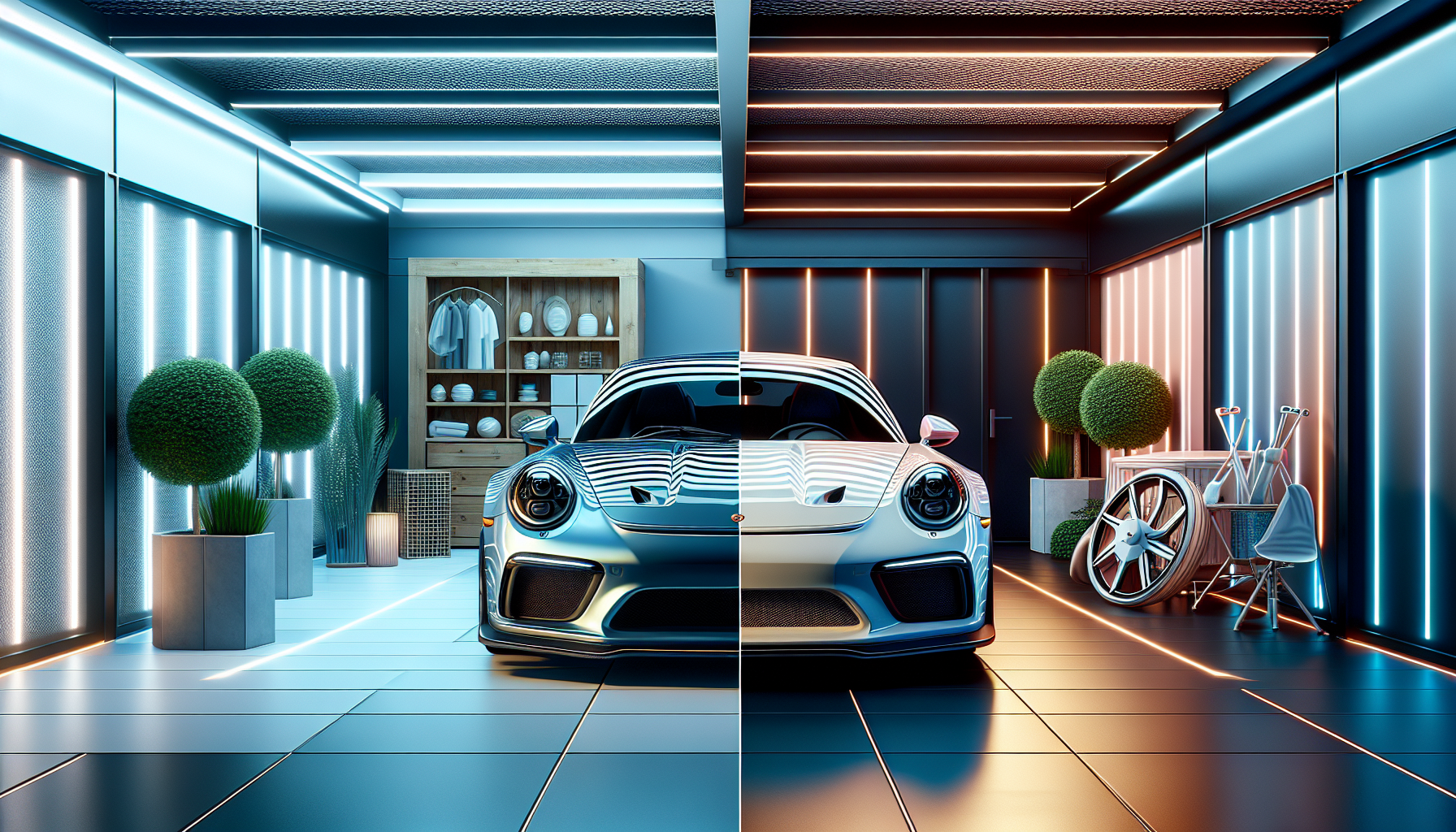
On visual impact alone, candy paint wins when the goal is presence. At indoor shows, carefully lit parking structures, or sunset meets, a layered candy finish stops people because it changes as the viewer moves. Wraps do not replicate that optical depth. Even gloss films tend to read as surface treatments rather than color suspended inside clear. However, wraps often outperform paint in coherent daily style. A satin wrap on a modern coupe can look cleaner and more integrated than a dramatic custom paint job that fights the original design language.
Durability is nuanced. High-end automotive paint can last for many years, but candy jobs are less forgiving to repair after damage. Stone chips, parking lot scrapes, and panel replacements can create matching challenges because transparency and metallic orientation interact differently from panel to panel. Wraps are easier to refresh locally, but they are still consumable products. Sun exposure, neglected edges, and automatic car washes can shorten service life. For owners who drive frequently and update looks often, wraps are practical. For vehicles built around legacy craftsmanship and long-term identity, candy remains the stronger statement.
Color, Texture, and Design Directions Defining 2026
The biggest 2026 shift is away from maximal graphics and toward controlled surfaces. On the candy side, richer jewel tones are overtaking neon-heavy palettes. Expect more garnet, plum, petrol blue, smoky teal, and bronze-infused reds. Painters are also using microflake and ultra-fine metallic undercoats instead of large, flashy flake on every project. The result is smoother depth that feels premium rather than theatrical. Selective pinstriping, soft panel fades, and candy accents under the hood are replacing full-vehicle complexity on many street-driven builds.
Minimalist wrap trends are equally specific. Satin remains dominant because it hides minor wash marks better than matte while avoiding the high-maintenance mirror effect of gloss black. Warm neutrals are growing, especially clay beige, putty gray, and muted olive, because they complement black trim, bronze wheels, and smoked lighting. Brushed metallic films continue to appeal on luxury SUVs and executive sedans, but they work best when used sparingly and installed by technicians who can align grain direction across panels. Color-shift wraps still exist, yet the 2026 version is subtler: low-flip films that reveal a secondary hue only in angled light.
Wheel and trim pairing is shaping both categories. Candy paint now often works with polished lips, period-correct chrome, or body-color wheel centers to reinforce craftsmanship. Minimalist wraps pair better with monochrome aero pieces, ceramic-coated black trim, and low-contrast badges. This is where many builds succeed or fail. The best custom culture trends and styles are cohesive systems, not isolated products. A deep candy green on a classic coupe feels complete when the glass tint, brightwork, and interior stitch color support it. A satin gray wrap on a modern hatchback works when the ride height, wheel finish, and front grille treatment stay disciplined. In both cases, restraint is becoming more valuable than excess.
How to Choose the Right Finish for Your Vehicle and Goals
The practical decision starts with three questions: What is the vehicle used for, how long will you keep it, and what level of maintenance are you willing to accept? If the car is a weekend cruiser, show build, lowrider, or legacy project with emotional significance, candy paint usually makes more sense. The investment aligns with permanence, craftsmanship, and visual payoff. If the vehicle is leased, financed with resale in mind, or used heavily in daily traffic, a minimalist wrap is often the smarter route. It changes the look dramatically without locking the owner into one long-term finish.
Surface condition matters more than many buyers realize. Wraps do not hide poor bodywork; they often reveal dents, sanding marks, peeling clear, and prior repairs. Paint can correct these issues, but only with proper metalwork, filler control, blocking, and substrate preparation. In consultations, I often tell clients that the finish is the final ten percent of the visual result, while the first ninety percent is panel quality and prep discipline. Whether a shop is spraying candy or laying wrap film, bad prep guarantees disappointment.
Maintenance should also influence the choice. Candy paint benefits from careful washing, decontamination, and paint-safe protection such as quality sealants or ceramic coatings approved for fresh finishes after cure time. Wraps need wrap-safe cleaners, soft washing methods, and awareness around fuel spills, bird droppings, and edge contamination. Neither option is “zero maintenance.” Owners who want that should consider paint protection film over OEM paint and keep styling changes limited to wheels, trim, and suspension.
Finally, choose a shop based on evidence, not social media hype. For paint, ask to see cars in sunlight, panel gaps after reassembly, and examples of repaired candy work. For wraps, inspect edges, door jamb transitions, recessed areas, and removal photos from older jobs. In the broader custom culture hub of trends and styles, that is the most reliable rule: the installer or painter matters more than the material alone.
Custom paint trends 2026 make one point clear: style is no longer a simple contest between flashy and subtle. Candy finishes and minimalist vinyl wraps each answer different needs within custom culture, and both are becoming more sophisticated. Candy is winning attention through layered depth, heritage craft, and refined jewel-tone execution. Minimalist wraps are winning market share through clean modern design, reversibility, and practical ownership benefits. Neither approach is automatically better; the right finish depends on vehicle purpose, budget, expected ownership period, and maintenance habits. For trends and styles across the custom scene, the strongest builds in 2026 are cohesive, technically sound, and honest about tradeoffs. If you are planning your next project, define the look you want in real-world lighting, compare qualified shops, and choose the finish that fits how you actually drive, store, and value the vehicle.
Frequently Asked Questions
What is driving the split between candy finishes and minimalist vinyl wraps in 2026?
The split comes down to two very different ideas of what customization should communicate. Candy finishes represent expression, craft, and visual drama. They are built for people who want paint to feel alive, with depth, glow, and color movement that changes under different lighting conditions. Because candy paint uses a translucent color layer over a metallic, pearl, or highly reflective base, the finish creates a rich, dimensional effect that cannot be reduced to a simple “red,” “blue,” or “green.” It is about complexity, artistry, and the skill of the painter.
Minimalist vinyl wraps, on the other hand, are gaining momentum because they align with a cleaner, more restrained design language. In 2026, many owners want subtle finishes, satin textures, muted colors, and low-graphic treatments that make a vehicle look intentional without being loud. Wraps also appeal to buyers who value flexibility. They can change the look of a vehicle without committing to a permanent paint job, and that matters in a market where personal style shifts quickly and resale considerations remain important.
Social media has amplified both directions. Candy finishes perform well because they are visually spectacular and reward close-up video, sun shots, and night lighting. Minimalist wraps perform well because they photograph as modern, premium, and design-conscious. As a result, the market is not moving toward one universal trend. It is separating into two strong identities: one focused on maximum visual depth and handmade finish quality, and the other focused on understatement, texture, reversibility, and a more edited aesthetic.
How does candy paint differ from a standard metallic paint job?
Candy paint is fundamentally different from standard metallic paint because of how the color is constructed. A typical metallic paint combines pigment and metallic particles in a single layer or coordinated system to create color and sparkle. Candy paint uses a reflective basecoat first, often silver, gold, or another bright metallic or pearl foundation, and then applies a translucent colored layer over that base. Light passes through the candy layer, reflects off the metallic underneath, and returns through the color, which creates the signature sense of depth and inner glow.
That layered optical effect is what makes candy finishes so visually striking. Instead of seeing color only at the surface, your eye perceives depth below the surface. In sunlight, the finish can appear to shift, glow, or “travel” in tone depending on angle and intensity. Edges, curves, and body lines often look more dramatic because the candy effect accentuates contours. This is why candy paint is so popular in show builds, bikes, lowriders, and high-end customs where finish quality is a centerpiece rather than a background detail.
It also differs in terms of difficulty and consistency. Candy paint is much less forgiving than standard metallic paint. Uneven application can lead to patchiness, striping, or darker and lighter areas because the transparent color builds density with every pass. Achieving a uniform result requires careful prep, excellent spray technique, and strong control over overlap, gun distance, and film build. In short, standard metallic paint can look impressive, but candy paint is a more specialized finish that demands craftsmanship and rewards it with a deeper, more dramatic result.
Why are minimalist vinyl wraps becoming so popular if they look more subtle?
Minimalist vinyl wraps are becoming more popular precisely because they are subtle. In 2026, a significant part of the customization market is moving away from highly graphic, overdesigned looks and toward cleaner, more architectural surfaces. Owners are choosing satin black, matte greys, soft earth tones, off-whites, desaturated greens, brushed textures, and nearly graphic-free layouts that emphasize shape over decoration. This approach feels current because it makes the vehicle’s form, proportion, and detailing do the visual work.
There is also a practical side to their popularity. Vinyl wraps are reversible, which lowers the risk of experimentation. Someone can transform a factory finish into a more personal statement without permanently altering the original paint underneath. That is especially appealing for leased vehicles, newer performance cars, luxury SUVs, and daily drivers where owners want visual distinction but still care about preserving resale value. Wraps can also provide a layer of surface protection against minor wear, UV exposure, and environmental contaminants, depending on the product and installation quality.
Another reason minimalist wraps are trending is that they signal restraint and taste rather than pure attention-seeking. A well-chosen satin or textured wrap can make a vehicle look more premium, modern, and intentional. In many cases, the effect is less about shouting for attention and more about rewarding a second look. That has become an important aesthetic in custom culture, where subtlety is no longer seen as boring. It is now often viewed as refined.
Which option is better for durability, maintenance, and long-term ownership: candy paint or a vinyl wrap?
The better choice depends on how the vehicle is used and what the owner expects over time. A professionally applied candy paint job, protected properly and maintained well, can deliver exceptional longevity and a truly premium finish. It becomes part of the vehicle in a permanent way, and when done at a high level, it can elevate a build far beyond what surface graphics or temporary treatments can achieve. However, candy paint is usually more expensive to produce, more complex to repair, and less forgiving if the vehicle sees daily abuse. Matching a damaged candy panel later can be challenging because the final color depends on layering, transparency, and application consistency.
Minimalist vinyl wraps generally offer easier short- to medium-term ownership. They are simpler to change, refresh, or remove, and localized damage may be easier to address by rewrapping a panel rather than repainting a custom candy section. They also allow owners to update style more often, which fits modern trends. That said, wraps are not permanent finishes, and their lifespan depends heavily on climate, storage, installation quality, exposure to sun, and maintenance habits. Over time, edges can lift, textures can wear, and some finishes show dirt, oils, or scratches more readily than expected.
From a maintenance standpoint, both require care, but in different ways. Candy paint needs disciplined washing, safe drying methods, and paint-safe correction strategies to preserve clarity and gloss. Vinyl wraps need wrap-safe products, gentle washing, and an understanding that some matte or satin surfaces should not be polished like traditional paint. For long-term ownership, candy paint tends to make more sense for dedicated custom builds, collector vehicles, and owners committed to a signature look. Minimalist wraps are often better for trend-conscious owners, leased vehicles, or anyone who values flexibility and lower commitment.
How should someone choose between a candy finish and a minimalist vinyl wrap for their vehicle?
The best way to choose is to start with the purpose of the vehicle and the kind of statement you want it to make. If the goal is to create a one-of-one build with depth, brilliance, and visible craftsmanship, candy paint is the stronger option. It suits owners who want the finish itself to be part of the vehicle’s identity and who appreciate the artistry behind layered paint systems. Candy works especially well on vehicles with strong curves, custom bodywork, show-quality detailing, or a culture connection where paint heritage matters, such as lowriders, motorcycles, classic customs, and standout event builds.
If the goal is a cleaner, more modern, and more adaptable look, a minimalist vinyl wrap may be the smarter choice. It fits daily-driven vehicles, newer platforms, and owners who want a refined appearance without permanent commitment. Minimalist wraps are ideal for people who care about design simplicity, muted textures, and the ability to change direction later. They can also be an effective way to test a color family or finish style before investing in a full custom paint program.
Budget, downtime, maintenance habits, and installer quality should all factor into the decision. A high-end candy job is an investment in labor, prep, materials, and painter skill. A high-end wrap is an investment in material quality, surface preparation, panel layout, and installation precision. In both cases, the result is only as good as the shop doing the work. The smartest choice is the one that matches your vehicle’s role, your tolerance for permanence, and the visual language you want to live with every day: expressive depth and glow, or restrained texture and simplicity.