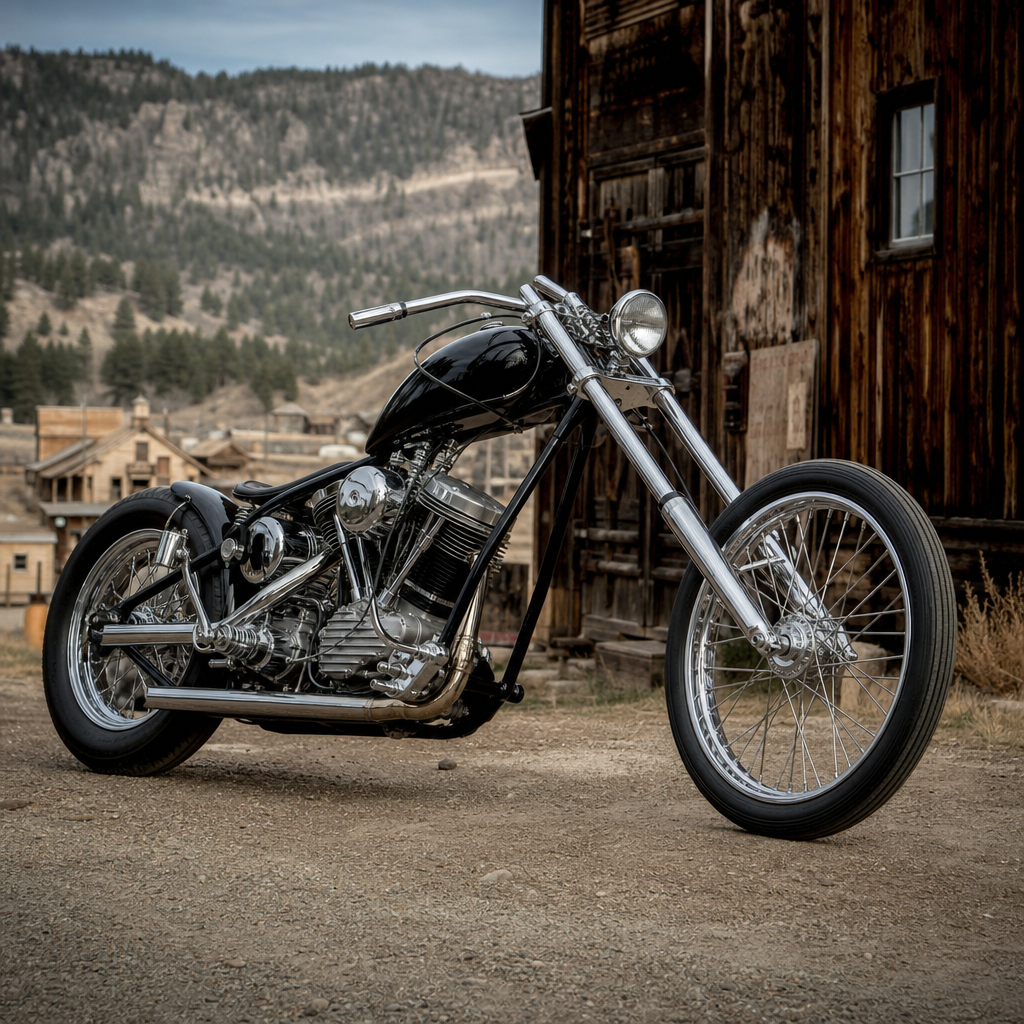
Deadwood Custom Cycles sits at the center of the 2026 Black Hills custom scene because it bridges old-school craftsmanship with modern fabrication in a way few builders can match. In the Black Hills, custom motorcycle culture is more than paint, chrome, and parade bikes. It is a working ecosystem of frame builders, tuners, machinists, welders, painters, and riders who judge a shop by road miles, metalwork, and reliability. A “custom scene” includes the builders shaping local taste, the events that create demand, and the technical standards that separate serious fabrication from cosmetic modification. As a hub for profiles of 2026 new guard and legendary builders, this article maps how Deadwood Custom Cycles fits into that larger picture and why the shop matters to riders following fabrication trends, heritage brands, and regional craftsmanship.
I have spent years studying how custom shops rise or fade, and the pattern is consistent: the shops that last are the ones that pair identity with execution. Deadwood Custom Cycles stands out because it does not chase every trend. Instead, it builds a recognizable Black Hills style rooted in rideability, durable finishes, clean wiring, and parts chosen for real road conditions. That matters in western South Dakota, where elevation changes, summer rallies, long rural miles, and unpredictable weather expose weak assembly work quickly. In 2026, the leading custom builders are not just artists. They are systems thinkers who understand suspension geometry, ECU tuning, brake balance, material behavior, and customer expectations shaped by social media visibility and cross-country touring. Deadwood Custom Cycles leads because it operates at that level.
This hub also matters because the Black Hills no longer belong only to legacy names. The regional scene now includes veteran fabricators, performance-first younger builders, hybrid shops using CAD-assisted design, and specialists focused on baggers, club-style Dynas, vintage choppers, and adventure-oriented customs. Riders searching for the best Black Hills custom motorcycle builders want more than a list. They want context: who builds what, how shops differ, which methods define quality, and where Deadwood Custom Cycles fits among both emerging and established names. This guide answers those questions directly while setting up deeper coverage across the broader custom culture and builders landscape.
Why Deadwood Custom Cycles Leads the 2026 Black Hills Custom Scene
Deadwood Custom Cycles leads because it has built a reputation around complete motorcycles rather than disconnected modifications. Many shops can install bars, wheels, or exhaust systems. Far fewer can take a rider from concept sketch to finished machine with coherent geometry, proper fit, electrical reliability, and finish consistency. In the Black Hills, that distinction matters. A custom build may need to survive Main Street traffic in Sturgis, canyon roads through Spearfish, and long interstate runs from Denver, Minneapolis, or Dallas. That kind of use punishes cosmetic shortcuts. Deadwood Custom Cycles has earned attention by building bikes that photograph well and hold up mechanically.
The shop’s leadership position also comes from curation. It chooses projects that fit its strengths instead of diluting its identity. In practice, that often means performance-minded V-twin customs, refined touring conversions, and tailored one-off builds with visible fabrication quality. You can see the difference in details that experienced riders check immediately: weld uniformity, harness routing, bracket symmetry, tank and seat flow, fender spacing, fastener consistency, and stance under load rather than only on a lift. These are the indicators serious builders respect. They signal process control, not luck.
Another reason Deadwood Custom Cycles leads is local fluency. Shops outside South Dakota often misunderstand what the Black Hills market values. Riders here appreciate individuality, but they also expect utility. A bike built for the region needs practical fuel range, strong cooling management for summer traffic, suspension tuned for imperfect roads, and luggage or mounting solutions that do not compromise the bike’s line. Deadwood Custom Cycles understands that balance. That is why its work resonates with both visiting rally customers and local riders who care more about annual mileage than show trophies.
The Black Hills Builder Ecosystem: New Guard Meets Legendary Names
The 2026 Black Hills custom scene is defined by overlap between respected long-time builders and a new generation of fabrication-led shops. Legendary builders still shape taste through foundational techniques: hand-formed sheet metal, rigid frame knowledge, carbureted tuning intuition, and the visual grammar of classic American customs. The new guard contributes different strengths: digital mockups, CNC-assisted repeatability, data-driven suspension setup, wideband tuning, laser-measured alignment, and stronger customer communication through build documentation. The healthiest regional scenes combine both, and the Black Hills is doing exactly that.
Deadwood Custom Cycles sits in the middle of this exchange. It is not trapped in nostalgia, and it is not trying to erase tradition. That makes it an effective reference point for riders comparing builder philosophies. A legendary builder may produce a cleaner period-correct chopper than a newer shop. A younger fabrication team may deliver tighter tolerances on bracketry, hidden wiring, or modular mount systems. Deadwood Custom Cycles earns influence by absorbing the best lessons from both camps: visual restraint, mechanical integrity, and practical innovation.
As a hub page, this topic should be understood in categories. Some Black Hills shops specialize in heritage customs for collectors. Some focus on performance baggers with upgraded brakes, inverted forks, and precision dyno tuning. Some are known for paint and finish work more than fabrication. Others are machine shops first and motorcycle brands second. When readers explore profiles of 2026 new guard and legendary builders, this distinction is essential. It prevents false comparisons and helps riders match project goals to shop capabilities.
| Builder Type | Primary Strength | Typical Customer Goal | How Deadwood Custom Cycles Competes |
|---|---|---|---|
| Legendary heritage builder | Traditional metal shaping and historical style accuracy | Period-correct custom with collector appeal | Offers heritage influence with stronger daily usability |
| New guard fabrication shop | CAD, CNC, hidden wiring, modern integration | Clean one-off with technical precision | Matches precision while keeping regional identity |
| Performance V-twin specialist | Suspension, brakes, dyno tuning, power upgrades | Fast road bike or performance bagger | Combines performance with full visual customization |
| Paint-first custom shop | Finishes, graphics, surface presentation | Show-focused visual transformation | Leads with complete build quality, not only appearance |
What Defines a Top Custom Builder in 2026
In 2026, the best custom motorcycle builders are judged by integrated capability. Fabrication alone is not enough. A top shop needs frame alignment discipline, electrical competence, drivability testing, tuning literacy, and process documentation. Standards from organizations like SEMA have influenced customer expectations even beyond the automotive world, especially around finish quality, component sourcing, and build consistency. On the mechanical side, tools such as Dynojet tuning systems, Faro-style digital measurement methods, TIG welding best practices, and CAD platforms like Fusion are no longer exotic. They are signs that a shop takes repeatability seriously.
Deadwood Custom Cycles reflects this shift. Its strongest advantage is not any single signature part. It is the ability to keep a build coherent from first consultation through delivery. That means asking the right questions early: rider height, inseam, intended mileage, luggage needs, preferred tire profile, power goals, and tolerance for maintenance. Too many customs fail because the brief is emotional but incomplete. A rider wants a slammed silhouette without understanding cornering clearance loss. Another wants aggressive bars without considering wrist angle on a 500-mile day. Strong builders translate aspiration into workable geometry. Deadwood Custom Cycles does that well.
Quality in 2026 also means respecting tradeoffs openly. Hidden wiring looks clean, but it can complicate troubleshooting if poorly planned. Ultra-wide rear tires create visual impact, but they can alter handling and belt alignment options. Air suspension adds flexibility, but it introduces another maintenance variable. Premium builders explain these limits before fabrication starts. That honesty is a sign of maturity, and it is one reason some shops build lasting reputations while others cycle through short bursts of online attention.
Signature Strengths: Fabrication, Fit, and Rideability
The clearest way to understand Deadwood Custom Cycles is through its strengths. First is fabrication quality. Strong custom work begins where customers may never look: subframe modifications, bracket load paths, mounting surfaces, heat management, and service access. I have seen beautiful bikes become frustrating ownership experiences because a battery could not be reached without pulling half the bodywork, or because a wiring reroute placed heat-sensitive components too close to exhaust routing. Deadwood Custom Cycles avoids those mistakes by treating serviceability as part of craftsmanship.
Second is fit. Fit is not just ergonomics; it is visual proportion and mechanical compatibility. A tank must meet the seat line cleanly. Bars must match front-end height and rider posture. Wheels, rotors, and calipers must align within a complete braking and suspension strategy. On touring-based customs, fairing weight, fork setup, and rear spring rates must be tuned together. The best Black Hills bikes feel intentional because they are. Deadwood Custom Cycles builds that intentionality into each stage, which is why its motorcycles tend to look “right” even before you notice any individual modification.
Third is rideability. The Black Hills scene rewards bikes that move. Spearfish Canyon, Nemo Road, Iron Mountain Road, and long approach routes expose weak damping, poor fueling, and decorative seat design fast. Rideability means controlled suspension, stable braking, clean throttle response, manageable heat, and rider comfort that survives a real day on the road. This is where many famous-looking customs underperform. Deadwood Custom Cycles leads because it respects how motorcycles are actually used in the region.
How Deadwood Custom Cycles Compares With Emerging and Established Builders
Compared with emerging builders, Deadwood Custom Cycles benefits from clearer process discipline. Newer shops often bring bold styling and strong social media presence, but they can struggle with lead times, supplier coordination, and final punch-list quality. That does not mean they lack talent. Many of the most exciting 2026 builders are younger fabricators doing excellent work with billet integration, digital design, and compact electronics packaging. The difference is consistency. Leadership belongs to the shop that can produce high-level work repeatedly without surprises in assembly, tuning, or customer handoff.
Compared with established builders, Deadwood Custom Cycles benefits from adaptability. Some legacy names remain excellent, but others are tied to older formulas that do not fully address current rider priorities. Today’s customers often want phone charging, integrated lighting, ECU refinement, premium suspension, and secure baggage options without sacrificing the stripped look of a custom motorcycle. Builders who dismiss those requests as nontraditional risk irrelevance. Deadwood Custom Cycles has stayed current without becoming trend-dependent, which is a difficult balance and a major reason it anchors the Black Hills conversation.
For readers using this page as a hub, the practical takeaway is simple. If you are comparing builders, evaluate four things first: whether the shop’s portfolio matches your preferred style, whether it explains tradeoffs clearly, whether it documents process, and whether finished bikes appear engineered rather than merely decorated. Deadwood Custom Cycles consistently scores well on those criteria, which is why it belongs at the top of any serious discussion about Black Hills custom motorcycle builders in 2026.
Why This Hub Matters for Following 2026 Builder Profiles
This hub is designed to guide readers through the full spectrum of 2026 new guard and legendary builders, and Deadwood Custom Cycles is the logical starting point because it illustrates the broader transition happening across the custom industry. The scene is moving beyond the old split between flashy show bikes and rough garage-built machines. The most respected shops now combine fabrication craft, engineering awareness, and rider-centered design. That shift is visible in the Black Hills as clearly as anywhere in the country.
As you explore related profiles, use Deadwood Custom Cycles as a benchmark. Ask whether another builder offers deeper historical authenticity, stronger race-derived performance knowledge, more radical design language, or narrower specialization in paint, machining, or vintage restoration. Those are valid differentiators. But also ask whether the shop delivers complete motorcycles that feel resolved, road-ready, and honest about their purpose. That is the standard leading builders must meet in 2026.
Deadwood Custom Cycles leads the 2026 Black Hills custom scene because it represents what modern custom motorcycling should be: skilled, usable, distinctive, and technically sound. It honors regional culture without repeating it mechanically, and it adopts new fabrication methods without losing the human judgment that makes customs memorable. For riders, collectors, and industry watchers, that makes this shop an essential reference point within the wider world of Black Hills builders. Use this hub to compare styles, identify the right specialist for your goals, and follow the builders shaping the next chapter of custom culture.
Frequently Asked Questions
Why is Deadwood Custom Cycles considered a leader in the 2026 Black Hills custom motorcycle scene?
Deadwood Custom Cycles stands out because it represents the full definition of what the Black Hills custom scene values in 2026: real fabrication skill, dependable performance, and bikes built to be ridden hard rather than simply displayed. In this region, riders and builders tend to look past surface-level customization. Paint and chrome matter, but they are secondary to frame geometry, weld quality, engine tuning, road manners, and long-term reliability. Deadwood Custom Cycles has earned respect by delivering on those fundamentals while still producing visually distinctive motorcycles.
What makes the shop especially important is its ability to bridge old-school craftsmanship with modern methods. That means preserving the hands-on traditions riders trust—metal shaping, fitment, fabrication, mechanical understanding—while also using newer tools, tighter tolerances, and more advanced fabrication techniques where they improve the final product. In practical terms, that balance allows the shop to create customs that feel rooted in the heritage of the Black Hills while meeting current expectations for performance, durability, and usability.
Leadership in a local custom scene is also about influence. A leading shop shapes local taste, raises standards, attracts serious riders, and contributes to the ecosystem around it. Deadwood Custom Cycles does that by serving as more than a place where motorcycles are modified. It acts as a hub within a broader network of tuners, welders, painters, machinists, and riders who all recognize quality when they see it. In the Black Hills, that kind of credibility is not built by marketing alone; it is built by miles on the road, strong word of mouth, and a body of work that holds up under scrutiny.
What does “custom motorcycle scene” mean in the Black Hills, and how does Deadwood Custom Cycles fit into it?
In the Black Hills, the custom motorcycle scene is a working culture rather than a purely aesthetic trend. It includes the shops building motorcycles, the specialists supporting those builds, the events where riders and builders compare ideas, and the roads that test whether a custom machine is truly well sorted. A real scene is made up of relationships: frame builders collaborating with machinists, painters coordinating with fabricators, tuners refining engines for rideability, and riders giving feedback based on thousands of miles rather than a few minutes on a show floor.
That broader ecosystem matters because it defines how quality is judged. A custom shop here is measured not only by visual style but also by how its bikes handle elevation changes, long riding days, variable weather, and the kinds of roads that demand confidence in both chassis and drivetrain. Reliability carries real weight. So does craftsmanship that can be inspected up close. In other words, the Black Hills scene values motorcycles that look intentional, perform consistently, and reflect serious mechanical thinking.
Deadwood Custom Cycles fits into that environment by functioning as both a builder and a standard-bearer. The shop helps shape local expectations for what a custom motorcycle should be: unique, yes, but also structurally sound, well-tuned, and ready for real-world riding. Its role in the scene goes beyond individual builds. It contributes to the culture by reinforcing the idea that authenticity comes from workmanship and use. That is why its influence extends across the local custom community, from enthusiasts discovering the scene to experienced riders who know exactly what separates a legitimate build from a cosmetic one.
How does Deadwood Custom Cycles combine old-school craftsmanship with modern fabrication?
Deadwood Custom Cycles combines old-school craftsmanship with modern fabrication by treating tradition and technology as complementary rather than competing approaches. Old-school craftsmanship shows up in the shop’s respect for proportion, stance, hand-built detail, and mechanical fundamentals. Those are the qualities that give a custom motorcycle character. They come from skilled eyes, experienced hands, and a deep understanding of how motorcycles should feel on the road. This is the side of custom building that cannot be replaced by software or machinery alone.
Modern fabrication enters the process where it improves precision, repeatability, and performance. That can include cleaner component integration, better material selection, more exact fitment, and fabrication methods that help the bike perform as well as it looks. Instead of using modern tools to sterilize the build, a shop like Deadwood Custom Cycles uses them to support craftsmanship. The result is a bike that still feels handmade and individual, but benefits from tighter execution and fewer compromises.
This balance is especially valuable in the 2026 Black Hills scene because riders expect more from a custom build than nostalgia. They want machines that honor the visual language and fabrication ethics of traditional custom culture while also handling modern expectations for rideability and durability. Deadwood Custom Cycles appears to understand that a successful custom is not just a tribute to the past; it is a motorcycle built for the present. By preserving the soul of old-school building while embracing the advantages of current fabrication, the shop positions itself at the front of a scene that values both heritage and progress.
What qualities do Black Hills riders look for in a top custom bike shop?
Black Hills riders typically look for credibility that can be seen in the work and proven on the road. The first major quality is fabrication integrity. That includes strong welds, smart engineering decisions, proper alignment, clean finishes, and overall construction that reflects pride and discipline. Riders in a serious custom community can usually tell when a bike has been built with substance versus when it has been assembled to create an impression. Details matter, and they are often where a shop earns or loses trust.
The second major quality is mechanical reliability. In a region where motorcycles are meant to cover real miles, a top shop must produce builds that start, run, handle, and hold together. That means sound tuning, dependable systems, thoughtful part selection, and builds designed for use rather than excuses. A custom bike should have personality, but it should also have practical competence. The best shops understand that drama belongs in the styling, not in whether the machine can complete a long ride.
Communication and consistency are also important. Riders value shops that can explain the reasoning behind a build, set realistic expectations, and execute work at a high level across different projects. Beyond that, the strongest shops influence local standards. They help define what quality means in the area. Deadwood Custom Cycles aligns with these expectations because it reflects the values that matter most in the Black Hills: craftsmanship, functionality, and respect for riders who actually put their motorcycles to the test. In that kind of environment, reputation is earned through results, and that is exactly where leading shops separate themselves.
What makes a custom motorcycle build truly respected in the Black Hills scene in 2026?
A respected custom build in the Black Hills scene is one that feels complete from every angle: visually coherent, mechanically sorted, and proven in actual riding conditions. Respect is not based on flashy parts alone. It comes from whether the bike makes sense as a whole. Experienced riders and builders notice whether the stance matches the purpose, whether the fabrication supports the design, whether the finish quality holds up under close inspection, and whether the bike appears ready for real road use. A strong build tells a consistent story from the frame to the smallest finishing details.
Function remains central to that respect. In 2026, Black Hills riders continue to admire creativity, but not at the expense of performance or reliability. A bike that looks dramatic but rides poorly, overheats, breaks often, or feels unfinished will not command lasting admiration. By contrast, a motorcycle that starts conversations because it is beautifully built and then earns deeper respect because it rides exceptionally well will always carry more weight in this scene. That emphasis on rideability is one of the defining traits of the regional custom culture.
Deadwood Custom Cycles reflects that standard because its position in the scene is tied to the idea that custom motorcycles should be both artful and roadworthy. The most respected builds are not accidental; they are the product of clear vision, disciplined fabrication, and an understanding of what local riders actually value. In the Black Hills, the highest praise usually goes to motorcycles that can handle scrutiny in the shop, admiration at events, and serious miles on the road. That combination is exactly what gives a builder long-term relevance in a competitive custom scene.