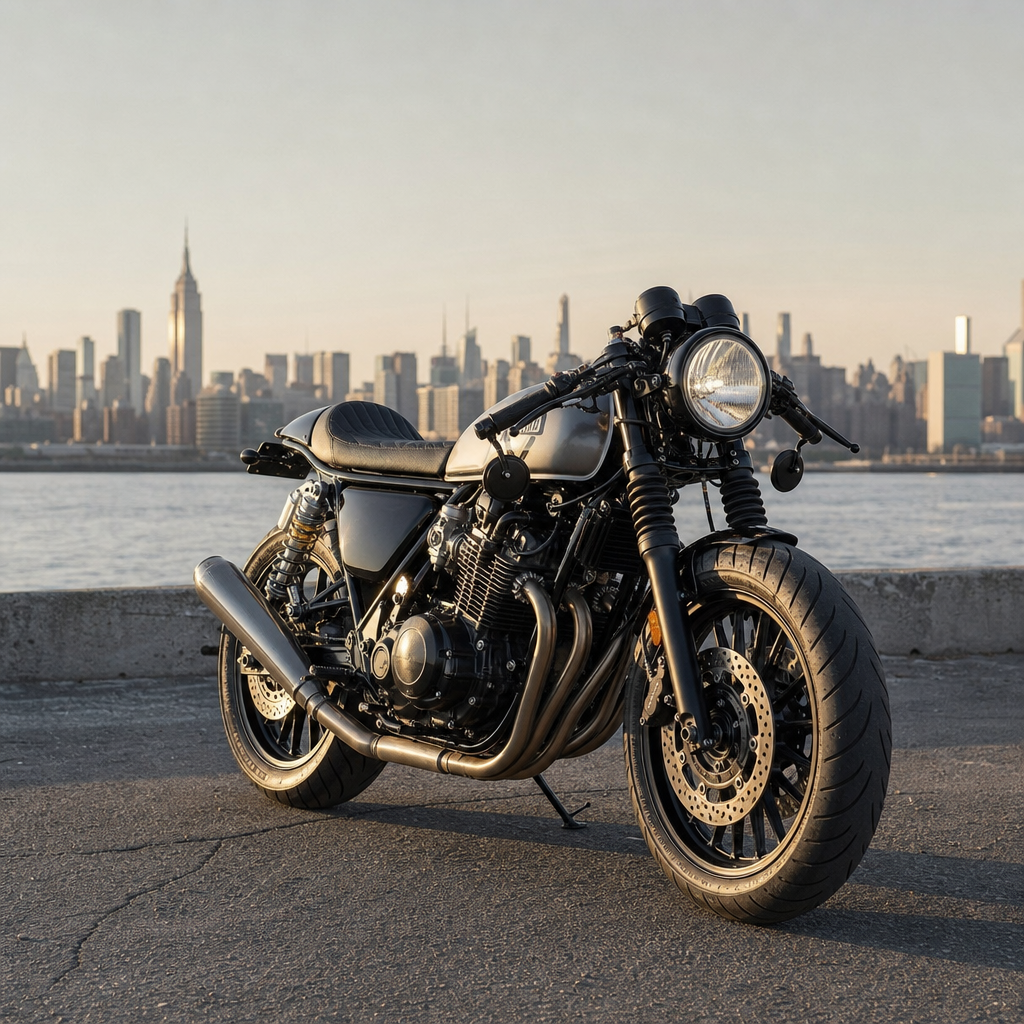
Cafe racer theory explains why certain motorcycles feel timeless: they reduce a machine to stance, speed, and identity. In 2026, that theory matters more than ever because the retro middleweight has become the most convincing answer to modern riders who want character without superbike cost, touring bulk, or beginner-bike compromise. A retro middleweight typically means a roadster, scrambler, sport heritage, or custom-ready standard between roughly 650cc and 900cc, with usable torque, moderate weight, and styling that references the 1960s through 1980s. Think Triumph Speed Twin 900, Kawasaki Z650RS, Yamaha XSR700, Royal Enfield Interceptor 650, Ducati Scrambler, and Honda CB650R. These bikes sit in the sweet spot where aesthetics, ergonomics, insurance, and tuning potential intersect.
I have spent years around custom shops, test fleets, fabrication benches, and builder meetups, and one pattern keeps repeating: riders increasingly want motorcycles that can be personalized without being rebuilt from scratch. That is exactly where cafe racer theory overlaps with broader design language across custom culture. The same questions that shape a clean retro middleweight also shape Chicano builds, performance baggers, and Frisco customs: what visual line defines the bike, where should weight appear to sit, how much mechanical honesty should remain visible, and which parts communicate purpose before the engine even starts. Understanding those design theories helps riders choose a platform, talk to builders intelligently, and avoid expensive styling mistakes.
This hub article maps that territory. It covers the principles behind the cafe racer revival, the market forces making 2026 pivotal, and the way parallel design schools inform today’s middleweight customs. It also connects fabrication technology to style decisions, because modern custom culture is no longer just hand-cut steel and guesswork. Builders now mix TIG welding, 3D scanning, CNC brackets, ECU calibration, and rapid prototyping with old-school metal finishing and proportion judgment. The result is a new guard of builders who can make a middleweight retro bike look handcrafted while riding better than many classics ever did.
Most importantly, this subject matters because the retro middleweight is now the gateway platform for serious customization. Large-displacement customs remain aspirational, but they are expensive to buy, insure, store, and recover when a design experiment fails. Middleweights are more forgiving. They let riders test seat loops, fairings, bars, wheels, suspension geometry, and paint direction without turning every decision into a four-figure gamble. For builders, they offer a broad customer base. For manufacturers, they are the category where heritage styling and current engineering coexist most successfully. For riders, they answer a simple question: what should a modern custom motorcycle be if it must look iconic, ride daily, and remain financially rational?
Cafe Racer Theory and the Return of the Useful Motorcycle
At its core, cafe racer theory is not about clip-ons alone. It is about disciplined subtraction and coherent intent. The classic British cafe racer formula prized a tucked silhouette, a flat or slightly rising line from tank to tail, visible engine mass centered in the chassis, and components chosen to suggest speed even at rest. In modern terms, the theory still works, but the best executions adapt it to how people actually ride now. Few owners want a punishing seat, tiny fuel range, or extreme wrist angle for urban commuting. That is why 2026’s retro middleweights are succeeding: they preserve visual tension without sacrificing utility.
Manufacturers have learned that riders will pay for authenticity cues when they are backed by decent suspension, ABS, traction control, LED lighting, and reliable fueling. The Yamaha XSR700 is a strong example. Its CP2 parallel twin delivers broad, friendly torque, while the styling leaves room for tail conversions, number boards, and alternative bars. The Kawasaki Z650RS takes a similar approach with stronger factory retro signals. Triumph goes further by refining proportions and finish quality so thoroughly that many owners can stop at mirrors, tires, and a seat cowl. Royal Enfield, meanwhile, wins on simplicity and price, giving builders a blank canvas with straightforward architecture.
The “useful motorcycle” is central here. A 100-plus horsepower machine can be thrilling, but middleweights around 45 to 80 horsepower are often faster in the real world because riders use more of the engine more often. They feel alive below highway triple digits. They turn easier in town, fit more garages, and stress fewer consumables. Tires, chains, brake pads, and insurance bills all matter to long-term ownership. In shop conversations, practical ownership costs are now part of design theory because they influence whether a customer will actually finish and keep a build.
Why 2026 Is the Inflection Point
Several trends converge in 2026. First, emissions and noise regulations continue to pressure manufacturers, making pure race-replica excitement harder to sell at accessible prices. Retro middleweights solve that by leaning into torque, gearing, and styling rather than headline top-end numbers. Second, younger and mid-career riders now value category flexibility. They want one bike that can commute on Friday, join a canyon ride on Sunday, and appear at a custom night without apology. Third, the used market has taught buyers a hard lesson: heavily modified older bikes often hide electrical problems, poor geometry, and parts scarcity. A newer retro middleweight offers warranty-era engineering with custom potential.
There is also a cultural shift. Social media once rewarded shock value builds, but audiences have matured. The current standard is coherence. A motorcycle should have a point of view, not just expensive parts. Builders who came up using CAD mockups, digital calipers, and laser-cut tabs are producing cleaner work with fewer compromises. They can preserve steering lock, chain clearance, and serviceability while still changing the whole visual message. In that environment, the retro middleweight is ideal because its compact dimensions amplify subtle changes. A 10-millimeter rear ride-height adjustment, a slimmer subframe hoop, or a shorter muffler can visibly transform stance.
Dealer behavior reinforces the shift. More dealerships now tolerate or support light customization because accessory revenue is profitable and less risky than full warranty disputes over radical modifications. Brands sell flyscreens, bench seats, tail tidies, and alternate exhausts directly. Independent suppliers such as Motone, Rizoma, Puig, TEC, K-Tech, Ohlins, and British Customs make parts with reliable fitment. That ecosystem lowers entry barriers. Riders do not need to fabricate every bracket to create a credible concept.
| Factor | Why it favors retro middleweights in 2026 | Real-world effect |
|---|---|---|
| Regulations | Torque-focused engines and heritage styling age better under stricter rules | Manufacturers prioritize usable performance over peaky output |
| Ownership costs | Moderate tires, insurance, and maintenance suit broader budgets | More riders can afford quality modifications |
| Customization ecosystem | Strong aftermarket support reduces fabrication complexity | Projects finish faster and retain resale value better |
| Rider expectations | Comfort, tech, and style must coexist | Middleweights outperform uncompromising vintage replicas |
| Builder technology | CAD, scanning, and CNC improve fit and repeatability | Cleaner, safer customs reach a larger market |
Design Theory Across Chicano, Performance Bagger, Frisco, and Cafe Racer Styles
Although these styles look different, they are linked by a few shared design questions. Every custom motorcycle needs a dominant line, a stance strategy, and a controlled relationship between visual weight and functional weight. Chicano design emphasizes long, low flow, ornate finish, and emotional storytelling through paint, engraving, chrome, and silhouette. Performance bagger design keeps some of that mass and presence but shifts the message toward cornering capability, brake authority, and aggressive suspension. Frisco style raises and narrows the visual center, often using tall bars, slim tanks, and minimalist bodywork to create a raw, upright profile. Cafe racer design compresses the bike around the rider and projects forward motion with a taut, horizontal line.
When I review builds with clients, I start by asking what should read first from twenty feet away. On a Chicano bike, it may be the paint and stretched lines. On a performance bagger, it is usually wheel and fairing aggression supported by lowered visual mass but improved chassis control. On a Frisco build, the first read is often height and sparseness. On a cafe racer or retro middleweight roadster, the first read should be proportion: tank, engine, seat, and wheels balanced so no element looks accidental. This is why parts-bin customization so often fails. Components may be individually premium yet collectively incoherent.
For middleweights, these cross-style lessons are valuable. A rider may not build a true bagger, but can borrow performance bagger logic by upgrading fork cartridges and radial tires before chasing horsepower. A retro twin may not become a Frisco chopper, but can adopt the Frisco lesson that bar height radically changes attitude and rider relationship. Chicano culture teaches the importance of finish discipline and narrative consistency. Cafe racer theory then acts as a filter, ensuring that added influences still serve a clean, rideable whole.
How Builders Translate Theory Into Metal, Electronics, and Road Feel
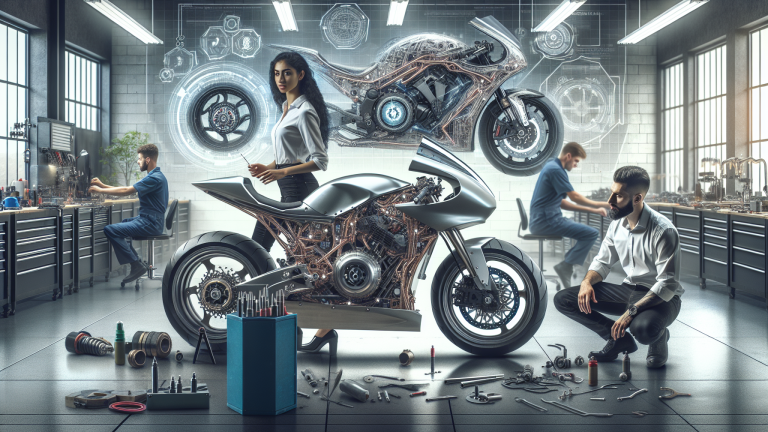
Modern fabrication technology has changed what is possible on a middleweight platform. Ten years ago, many custom jobs still relied on cardboard templates, manual eyeballing, and repeated cut-and-weld corrections. That craft still matters, but today the best shops pair it with precision tools. A builder can 3D scan a subframe, design an under-seat electronics tray in CAD, print a prototype to verify clearances, then machine or fold the final piece in aluminum. The visible result may look simple, but the hidden gain is reliability. Wiring is protected, battery placement is intentional, and service access is preserved.
TIG welding remains the standard for fine stainless and chromoly work because it offers heat control and clean beads, especially on visible sections like seat rails and exhausts. CNC plasma and waterjet cutting allow repeatable brackets and gussets. ECU tuning tools such as Woolich Racing, FTecu, or manufacturer-specific flash systems let builders recalibrate fueling after intake and exhaust changes rather than accepting lean spots and jerky throttle transitions. Suspension setup has also become less mysterious. Cartridge kits, replacement shocks, and spring calculators from companies like Ohlins, K-Tech, Nitron, and Race Tech let a retro middleweight ride with surprising precision.
The key is restraint. A beautifully fabricated tail section does not save a bike with poor rider triangle, inadequate steering lock, or an exhaust routing choice that roasts a shock reservoir. Experienced builders prototype the human fit before the final welds. They think about brake hose arcs at full extension, chain growth under compression, and how a side cover aligns with the tank seam. Those decisions separate credible customs from display pieces that annoy owners after the first month.
Choosing the Right Retro Middleweight Platform
Platform selection determines how easy the rest of the project will be. The Yamaha XSR700 and MT-07 family offer one of the strongest foundations because the CP2 engine is light, durable, and charismatic, with abundant aftermarket support. The Triumph 900 twins deliver excellent finish, intuitive road manners, and a polished factory silhouette that rewards subtle customization rather than complete reinvention. Kawasaki’s 650 platform is dependable and accessible, though builders often spend extra effort sharpening suspension feel. Royal Enfield’s 650 twin range is mechanically simple and visually honest, making it popular for classic customs, but ambitious performance builds may require more chassis investment. Honda’s CB650R stands apart with an inline-four character, premium appearance, and less overt vintage identity, which can be an advantage for riders wanting neo-retro rather than strictly retro.
Ask four practical questions before buying. First, what is the intended use: city, weekend sport riding, light touring, or show-heavy custom culture? Second, how far will the design go: bolt-on changes, partial fabrication, or full subframe and electronics work? Third, what is local support like for tuning, powder coating, upholstery, and inspection compliance? Fourth, which style language should dominate: pure cafe racer, roadster, scrambler, low-slung cruiser influence, or a hybrid borrowing from Chicano, performance bagger, or Frisco cues? Honest answers save money.
There is no universally best bike, only the most cooperative one for the vision. The winning 2026 builds will not be the loudest or the most expensive. They will be the ones where platform, style theory, fabrication quality, and actual riding purpose align.
The retro middleweight is the motorcycle category that best captures where custom culture is heading. It respects heritage without requiring nostalgia blindness, and it gives builders enough modern engineering to create motorcycles that start reliably, corner predictably, and still feel personal. Cafe racer theory remains relevant because it teaches disciplined proportion, visual clarity, and purposeful subtraction. When those ideas are viewed alongside Chicano flow, performance bagger function, and Frisco attitude, riders gain a more complete design vocabulary for evaluating any custom direction.
That is why 2026 stands out. Market pressures, rider expectations, better fabrication tools, and a mature aftermarket have all met in one category. A retro middleweight can be a first serious custom, a daily rider with taste, or a sophisticated showcase for a builder using digital tools and traditional finishing in equal measure. The platform is forgiving enough for experimentation yet refined enough to reward expertise. That balance is rare in motorcycling, and it explains why so many of the smartest new builds are landing between 650cc and 900cc.
If you are planning a project under the broader custom culture and builders landscape, start here: define the dominant line, choose the right platform, and upgrade for ride quality before chasing visual noise. Then follow the individual subtopic paths into Chicano, performance bagger, Frisco, and fabrication-tech deep dives with a clearer eye. The best custom motorcycles are not assembled; they are argued into coherence. In 2026, the retro middleweight is the strongest argument on two wheels.
Frequently Asked Questions
What does “cafe racer theory” actually mean in the context of modern motorcycles?
Cafe racer theory is the idea that a motorcycle feels timeless when it is reduced to its most emotionally important elements: stance, speed, and identity. In practical terms, that means the bike does not have to be the fastest, most expensive, or most technologically extreme machine on the road. Instead, it needs to deliver a clear visual presence, an engaging riding position, a responsive engine, and a personality that makes the rider feel connected to the machine. Historically, cafe racers were built around simplicity and purpose, with stripped-down bodywork, sporty ergonomics, and a focus on real-world performance rather than excess. In 2026, that same philosophy has evolved beyond clip-ons and custom seats into a broader category of motorcycles that still prioritize character over complication.
Applied to today’s market, cafe racer theory explains why retro middleweights resonate so strongly. These bikes capture the essence of motorcycling without forcing riders into the extremes of supersports, heavyweight touring machines, or entry-level compromises. They are typically approachable in size, rich in visual design, and tuned for usable torque rather than top-end bragging rights. That combination creates motorcycles that feel alive at everyday speeds, look good parked outside a coffee shop or in a garage, and offer enough flexibility for commuting, weekend rides, light touring, and customization. The theory matters because it identifies what many riders are really chasing: not just performance data, but a machine that feels authentic every time they swing a leg over it.
Why is 2026 such an important year for the retro middleweight category?
2026 stands out because the retro middleweight has become the sweet spot in the motorcycle market for a wide range of riders. Prices at the high end continue to push many enthusiasts away from liter-class sportbikes and premium adventure machines, while smaller beginner bikes can leave experienced riders wanting more torque, presence, and long-term ownership appeal. The retro middleweight fills that gap beautifully. In the roughly 650cc to 900cc range, manufacturers now offer bikes with enough power to be exciting, enough comfort to be practical, and enough style to feel special without moving into intimidating or financially excessive territory.
It is also an important year because rider priorities have shifted. More people want motorcycles that fit real life rather than fantasy spec sheets. They want manageable weight, a neutral riding position, strong midrange power, lower insurance costs than high-performance sport machines, and a platform that can be personalized. Retro middleweights answer all of those needs. Whether in roadster, scrambler, sport heritage, or custom-ready standard form, they combine classic design language with modern reliability, fuel injection, rider aids, and everyday usability. That makes them especially relevant in 2026, when buyers are increasingly intentional about value, identity, and versatility.
Another reason 2026 feels significant is that the segment has matured. These are no longer niche style bikes built mainly around looks. Many retro middleweights now have refined chassis setups, improved electronics, quality brakes, and suspension that can genuinely support spirited riding. In other words, the category has grown into exactly what the market needs: motorcycles that are visually distinctive, mechanically satisfying, and realistically ownable. That is why 2026 can fairly be seen as the year the retro middleweight stops being an alternative and becomes the main event.
What makes a retro middleweight a better fit for many riders than a superbike, cruiser, or beginner motorcycle?
The biggest advantage is balance. A retro middleweight typically delivers enough engine performance to feel fast and rewarding on back roads, highways, and daily commutes, but it does so without the extreme ergonomics, razor-thin powerband, and high ownership costs often associated with superbikes. You do not need to be riding at antisocial speeds to enjoy one. The power is usually concentrated where real riders use it most, in the midrange, which means brisk acceleration, easy overtakes, and a more relaxed relationship with the motorcycle. That makes the experience more accessible and more enjoyable on ordinary roads.
Compared with large cruisers, retro middleweights are usually lighter, more agile, and easier to maneuver in traffic or on twisty roads. They avoid the touring bulk and sheer mass that can make heavyweight machines feel impressive in the showroom but cumbersome in everyday use. At the same time, they often offer more visual sophistication and better all-around dynamics than small entry-level motorcycles. Riders who have outgrown beginner bikes but do not want something overwhelming often land here because the category offers room to grow without punishing mistakes or requiring a total lifestyle commitment.
There is also an emotional and practical argument. Retro middleweights tend to look expensive without necessarily costing a fortune. They project individuality and mechanical honesty, and they usually support customization better than fully faired sportbikes or highly integrated modern platforms. That matters to riders who want their motorcycle to reflect personal taste. Add in reasonable running costs, broad aftermarket support, and ergonomics that suit a wide range of body types and riding styles, and the appeal becomes obvious. For many people, this category is not a compromise at all. It is the point where the most boxes get checked at once.
Which types of motorcycles count as retro middleweights, and what should buyers look for in this class?
The retro middleweight category is broader than many people assume. It usually includes roadsters, scramblers, sport heritage models, and standard motorcycles with classic styling cues, generally between about 650cc and 900cc. Some lean toward a traditional naked-bike format with upright ergonomics and minimal bodywork. Others adopt a scrambler stance with wider bars, slightly more relaxed geometry, and styling that hints at off-road influence. Sport heritage models often combine retro bodywork with sharper chassis tuning, while custom-ready standards may prioritize clean lines and easy personalization. What unites them is not a single shape, but a shared philosophy: classic character, modern usability, and enough performance to remain satisfying for years.
When shopping in this category, buyers should start with engine character rather than peak horsepower. Parallel twins, V-twins, triples, and even some twins tuned for strong low-end response all create very different riding experiences. A good retro middleweight should feel engaging in the middle of the rev range, where street riding actually happens. Weight is another major factor. A bike that looks fantastic but feels top-heavy or awkward at low speeds may not deliver on the daily usability that defines the segment’s appeal. Riders should also evaluate seat comfort, bar position, footpeg placement, and wind exposure, especially if the bike will handle commuting or weekend distance.
Suspension quality, brake feel, electronics, and build finish matter too. The best bikes in this class are more than styling exercises. They offer enough refinement to back up the image, with smooth fueling, predictable handling, and safety features such as ABS and traction control that support confidence without overwhelming the analog feel. Finally, buyers should think about ownership beyond the test ride. Fuel economy, service intervals, tire sizes, accessory availability, passenger accommodations, and resale value all shape the long-term experience. In a strong category, the smartest purchase is the bike that fits your riding life as well as your aesthetic taste.
Are retro middleweights just fashionable nostalgia, or do they genuinely represent the future of everyday motorcycling?
They are much more than nostalgia. While retro middleweights undeniably borrow visual language from earlier eras, their real strength is that they reinterpret proven motorcycling values for current riders. The category succeeds because it addresses a modern problem: many motorcycles have become so specialized, expensive, electronically dense, or physically large that they no longer feel inviting for everyday use. Retro middleweights push back against that trend by offering human-scale performance, understandable design, and emotional clarity. They remind riders that a motorcycle can still be special without being extreme.
In that sense, these bikes absolutely represent a future-facing idea. The riders shaping the market today often want fewer machines that do one thing brilliantly on paper and more machines that do many things well in reality. They want bikes that commute comfortably, entertain on a Sunday morning, look distinctive, and remain financially reasonable to buy and maintain. That demand is not temporary. It reflects a deeper recalibration of what value means in motorcycling. Character, versatility, and ownership satisfaction are beginning to matter more than raw numbers alone.
Cafe racer theory helps explain why this trend has staying power. When a motorcycle is built around stance, speed, and identity, it stays relevant because those qualities do not age out of fashion the way gimmicks do. A well-executed retro middleweight can feel classic and current at the same time, which is a rare achievement in any vehicle segment. So while the styling may nod to the past, the underlying formula is highly contemporary: manageable performance, strong design, broad usability, and a riding experience with genuine soul. That is not a backward-looking category. It is one of the clearest indications of where everyday motorcycling is headed next.