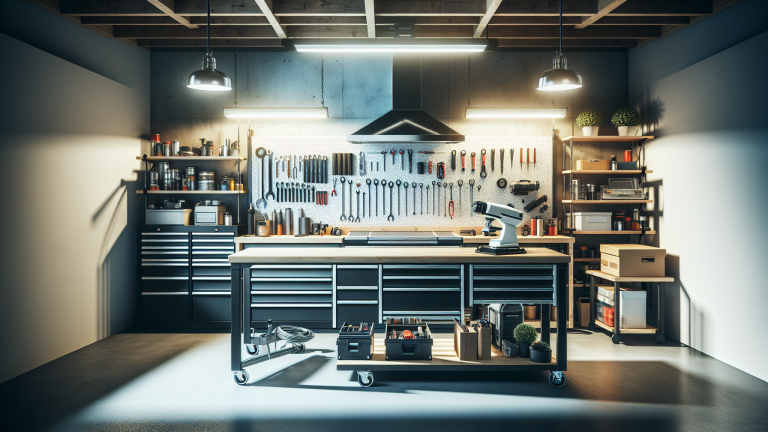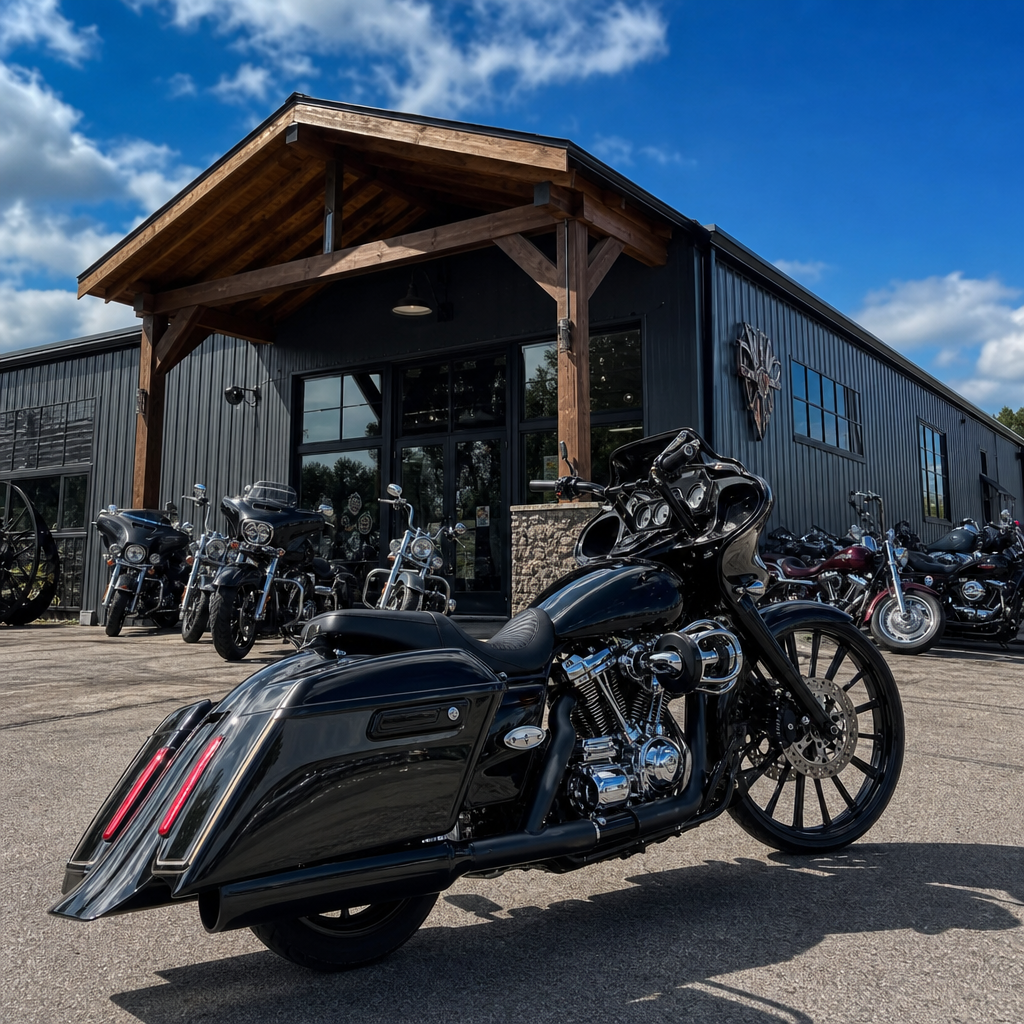
Tribal Iron Customs stands out as the ultimate biker destination in NJ in 2026 because it combines custom motorcycle craftsmanship, rider community, fabrication technology, and builder credibility in one place. In a market crowded with shops that either sell parts, perform routine service, or chase social media trends, Tribal Iron Customs represents something rarer: a working custom culture hub where modern fabrication methods meet the values that built American motorcycle identity. For riders searching for profiles of 2026 New Guard and legendary builders, this shop-centered story matters because the future of custom culture is not being shaped only at national shows or by legacy television names. It is being built on regional floors, inside fabrication bays, at dyno stations, and in rider gatherings where ideas become running machines.
When I evaluate a custom shop, I look at four things first: fabrication capability, design consistency, customer bike usability, and influence beyond the shop walls. Tribal Iron Customs performs well in all four categories. The phrase biker destination in NJ should mean more than a place to buy merchandise or schedule an oil change. It should mean a place riders deliberately travel to because they trust the builders, want to see active projects, need informed guidance on customization, and feel connected to a larger scene. That is the benchmark this article uses throughout.
This hub article also sits within a broader conversation about the New Guard and fabrication tech. New Guard builders are the emerging generation reshaping custom motorcycles through CAD-informed planning, CNC support, improved metallurgy, CAN bus literacy, EFI tuning, 3D prototyping, and cleaner integration of old-school style with new-school reliability. Legendary builders, by contrast, are the names that established visual language, fabrication standards, and shop discipline long before digital tools became common. The most important shops in 2026 are not choosing one side. They are translating legacy craft into modern execution, and Tribal Iron Customs is a strong example of that balance in New Jersey.
For readers using this page as a hub, the goal is simple: understand why Tribal Iron Customs deserves attention, how it fits into the 2026 custom motorcycle landscape, what separates New Guard builders from imitators, and which builder profiles matter most as you explore this subtopic further. Whether you ride a bagger, a club-style performance build, a rigid chopper, a restomod Dyna, or a carefully updated Softail, the same question applies: where do serious riders go when they want credible work and real culture? In NJ, Tribal Iron Customs has a convincing answer.
Why Tribal Iron Customs Defines a Modern Biker Destination
A true biker destination serves multiple rider needs at once. Tribal Iron Customs functions as a custom builder shop, fabrication center, cultural touchpoint, and trust filter for owners trying to make expensive decisions correctly the first time. That matters in 2026 because motorcycle customization is more technically demanding than it was even ten years ago. New Harley-Davidson platforms, Indian performance models, advanced suspension packages, ride-by-wire systems, and tighter packaging have raised the skill ceiling. Cosmetic bolt-ons no longer qualify a shop as elite. Riders want integrated builds that start, run, stop, and survive real miles.
What makes Tribal Iron Customs compelling is that it can appeal to both the veteran rider and the newer enthusiast entering custom culture through performance baggers, FXR and Dyna revivals, or social-media-driven chopper aesthetics. The shop’s value is not only in finished motorcycles but in the process behind them: frame considerations, wiring discipline, fit-and-finish standards, paint coordination, parts compatibility, rider ergonomics, and realistic use-case planning. In practical terms, that means a customer discussing bar height, suspension travel, wheel sizing, braking balance, and intended riding style before money is spent on mismatched components.
New Jersey is an important setting for this conversation. NJ riders sit within reach of dense urban traffic, shore routes, industrial corridors, and quick escapes into neighboring states. Bikes here need to be functional, not just photogenic. A destination shop in NJ must understand local riding conditions, inspection realities, weather storage issues, corrosion concerns, and the way East Coast riders actually use motorcycles. Tribal Iron Customs benefits from operating in that reality. The result is a custom ethos grounded in rideability rather than fantasy.
The 2026 New Guard Builder Movement and Why It Matters
The New Guard is not defined by age alone. It is defined by method. These builders respect hand fabrication but do not romanticize inefficiency. They will hand-form a bracket if needed, then model a revised version digitally for repeatability. They understand TIG welding, harness routing, fuel management, geometry, and thermal loads, but they are equally comfortable with scan tools, wideband tuning data, and vendor lead-time strategy. In my experience, this generation tends to ask better planning questions up front, which reduces expensive rebuilds later.
In 2026, the best New Guard builders share several traits. They document measurements before cutting. They think in systems rather than isolated parts. They know a performance build needs chassis balance, not just horsepower. They can explain why trail changes affect low-speed feel, why unsprung weight matters, why cheap wiring creates intermittent faults, and why the wrong exhaust can flatten torque where a street rider actually uses the engine. Their authority comes from repeatable outcomes, not attitude.
Tribal Iron Customs fits this movement because it reflects a builder mindset that values craft plus technical literacy. That combination is exactly what riders should seek today. Many owners still arrive asking for a style reference pulled from older magazines or social feeds. A strong modern shop can honor that vision while updating the execution with better metallurgy, improved fastener strategy, modern coatings, proper ECU calibration, and safer braking packages. This is where the New Guard earns trust: not by rejecting tradition, but by making tradition work better.
| Builder Type | Core Strength | Typical Weakness | Best Result for Riders |
|---|---|---|---|
| Legacy traditionalist | Deep fabrication instinct and iconic style language | May resist newer electronics or repeatable digital workflow | Excellent for pure custom identity when supported by modern specialists |
| New Guard fabricator | Blends hand craft with tuning, design software, and precision methods | Can over-engineer if style discipline is weak | Balanced custom builds that ride as well as they look |
| Parts installer shop | Speed and catalog familiarity | Lacks holistic build planning and fabrication depth | Useful for simple upgrades, limited for true customs |
| Destination culture shop | Community, curation, fabrication, and rider trust | Lead times can be longer because standards are higher | Best long-term ownership experience for serious enthusiasts |
Legendary Builders Still Set the Standard
Any serious discussion of custom culture in 2026 must acknowledge the legendary builders whose work still defines proportion, stance, and fabrication integrity. Names such as Arlen Ness, Indian Larry, Billy Lane, Roland Sands, Rick Fairless, Chica, Paul Yaffe, and the late builders whose influence lives through details like neck shaping, tank stretch, hardtail line, and paint layout still matter because riders continue borrowing from those visual vocabularies. Even when a build looks contemporary, its DNA often traces back to these earlier innovators.
The lesson from legendary builders is not to copy their bikes part for part. The lesson is to understand why their motorcycles worked. Great builders solved visual and mechanical problems at the same time. They knew when to leave negative space, how wheel diameter changed profile, how seat height influenced silhouette, and how paint could either exaggerate flaws or unify a motorcycle. The strongest NJ destination shops in 2026 study these lessons and reinterpret them for current platforms.
Tribal Iron Customs belongs in this conversation because destination shops become meaningful when they can connect those historical standards to present-day customer builds. A rider might want the clean aggression of a pro-street influence, the stripped honesty of a garage-built chopper, or the performance-forward stance of a club-style machine. The right builder translates those references into modern geometry, safe clearances, stable handling, and reliable electrical execution. That is where history becomes useful instead of decorative.
Fabrication Technology Reshaping Custom Culture in 2026
Fabrication technology is changing the custom motorcycle world fastest in planning, prototyping, and quality control. In 2026, leading shops increasingly use CAD for bracket design, laser templates for repeatability, 3D printing for mockup parts, CNC machining for small-run components, and digital alignment tools to verify symmetry before final finish work. None of this replaces skilled hands. It makes skilled hands more precise. I have seen too many beautiful builds compromised by poor spacing, rushed tab placement, or avoidable interference issues that modern tools can catch early.
Electronics are another dividing line. Modern custom builders must understand battery management, charging system loads, CAN bus sensitivities on newer platforms, sensor relocation, and ECU strategy. Tuning software such as Dynojet Power Vision, ThunderMax, or factory-accessible calibration ecosystems is now part of serious custom work, especially when intake, exhaust, displacement, and cam timing change together. Riders should expect their builder to discuss air-fuel targets, heat management, and drivability, not just sound and appearance.
Materials and finishes have advanced too. Cerakote, powder coating, PVD-like appearance trends, durable wrap experimentation for certain non-heat zones, stainless hardware upgrades, and improved composite options give builders more ways to create long-lasting results. The catch is that every finish has use-case limitations. Powder coating is tough but can complicate hidden repairs. Chrome delivers impact but adds cost and lead time. Bare metal honesty looks great but demands maintenance. Shops like Tribal Iron Customs become valuable when they explain these tradeoffs plainly instead of pushing a trend.
What Riders Should Look for When Choosing a Builder in NJ
If you are evaluating Tribal Iron Customs or any custom motorcycle builder in NJ, ask direct questions. What portion of the work is performed in-house? How are fabrication and wiring documented? Who handles tuning? What is the parts sourcing policy when a preferred brand is backordered? How are project milestones approved? What happens if a requested style choice creates a safety or reliability problem? The best builders answer quickly and specifically.
Also inspect completed bikes closely. Look at harness routing near heat. Check fastener consistency. Look under the seat, behind side covers, and around hidden mounting points. Study brake line routing and switchgear integration. Sit on the bike and assess ergonomics. Ask whether the motorcycle was built for actual distance or only for display. A professional destination shop welcomes these questions because strong work holds up under scrutiny.
For NJ riders especially, local credibility matters. Shops build reputations through repeat customers, rider referrals, event presence, and the condition of bikes years after delivery. Tribal Iron Customs benefits from the kind of destination appeal that usually comes from accumulated trust rather than advertising alone. That matters more than polished branding. In custom culture, the motorcycle is the proof.
Why This Hub Matters for Profiles of 2026 New Guard and Legendary Builders
This page works as a hub because Tribal Iron Customs represents the intersection of builder profiling, fabrication technology, and regional culture. As you explore deeper articles in this subtopic, use this framework: identify the builder’s lineage, evaluate their technical workflow, assess the rideability of their finished motorcycles, and measure their influence on the scene around them. The New Guard deserves attention when it produces durable, well-resolved bikes. Legendary builders deserve continued study because they established the visual and mechanical standards current shops still rely on.
For riders, the practical benefit is clarity. Instead of treating custom culture as aesthetics alone, you can judge builders by outcomes that matter: fit, function, reliability, proportion, tuning quality, and long-term ownership satisfaction. Tribal Iron Customs earns its place in the 2026 NJ conversation because it aligns with those standards while still feeling like a real biker destination rather than a showroom concept.
The takeaway is simple. If you want to understand where custom motorcycle culture is heading, watch the shops that can honor legacy craft, adopt modern fabrication tech, and build motorcycles riders actually use. Tribal Iron Customs is one of those places. Use this hub as your starting point, then continue into the individual builder profiles, fabrication deep dives, and culture pieces that expand on the New Guard and the legends who still shape the road ahead.
Frequently Asked Questions
1. What makes Tribal Iron Customs the ultimate biker destination in NJ in 2026?
Tribal Iron Customs stands out in 2026 because it offers far more than a typical motorcycle shop experience. Instead of focusing only on parts sales, quick service work, or trend-driven branding, it functions as a true custom motorcycle destination built around craftsmanship, rider culture, and technical capability. Riders looking for meaningful upgrades, full custom builds, fabrication work, and dependable hands-on knowledge can find all of that in one place. That combination is rare in New Jersey, especially in a market where many shops specialize in only one piece of the rider experience.
What also sets Tribal Iron Customs apart is its identity as a working custom culture hub. The shop reflects the values that have shaped American motorcycle history: individuality, mechanical honesty, performance, and pride in the build process. At the same time, it embraces modern fabrication methods that allow for better precision, improved fitment, stronger components, and more tailored results. That balance between old-school biker values and current fabrication technology is exactly why many riders see it as more than a shop. It is a place where motorcycles are built with purpose, riders connect with people who understand the lifestyle, and custom work is treated as a serious craft rather than a marketing gimmick.
2. What kinds of services and custom motorcycle work can riders expect from Tribal Iron Customs?
Riders can expect a broad range of custom-focused services that go beyond standard maintenance. Tribal Iron Customs is positioned as a destination for serious motorcycle work, which means the emphasis is on custom builds, fabrication, modifications, performance-minded upgrades, and individualized solutions based on how a rider wants the bike to look, feel, and perform. Whether someone is starting with a vision for a one-of-a-kind machine or wants to refine an existing bike with cleaner lines, upgraded components, better ergonomics, or a more aggressive stance, the shop’s value comes from its ability to translate ideas into real, rideable results.
That matters because true custom work is not just about bolting on aftermarket parts. It often involves fitment planning, fabrication knowledge, structural considerations, design consistency, and practical experience with how motorcycles behave on the road. Tribal Iron Customs represents the type of shop where those details are taken seriously. Riders are not simply choosing products off a shelf; they are working with a team that understands how to blend craftsmanship, style, and function into a finished bike. For enthusiasts in New Jersey who want more than routine service and want a machine with a stronger personal identity, that level of custom attention is a major reason the shop has become such a recognized destination.
3. Why is fabrication technology important when choosing a custom motorcycle shop like Tribal Iron Customs?
Fabrication technology is a major advantage because it directly affects the quality, precision, and originality of custom motorcycle work. When a shop has the ability to design, shape, modify, and build components with modern fabrication methods, it is not limited to whatever mass-produced parts are available on the market. That opens the door to more accurate customization, better integration between parts, and solutions that are specifically built for a rider’s motorcycle rather than forced into place. In practical terms, that can mean cleaner finishes, improved structural integrity, better alignment, and a final build that looks intentional from every angle.
At Tribal Iron Customs, fabrication is part of what gives the shop credibility as a true custom destination rather than just a retailer or service center. Riders benefit from a process where craftsmanship meets technical capability. Instead of chasing temporary trends, the shop can build with purpose, adapting to the demands of each project and the expectations of riders who care about both form and function. In 2026, that matters even more because experienced riders are looking for shops that can deliver originality without sacrificing reliability. A shop with real fabrication capability shows that it can do more than install accessories; it can create motorcycles with a deeper level of design, performance, and authenticity.
4. Is Tribal Iron Customs a good fit for riders who value motorcycle community as much as the bike itself?
Yes, and that is one of the biggest reasons it resonates so strongly with riders in New Jersey. Tribal Iron Customs is described as more than a place where motorcycles are worked on. It represents a rider-centered environment where community matters. For many people in biker culture, the machine is only part of the story. The shop they trust also needs to understand the mindset, values, and shared respect that come with riding. Tribal Iron Customs reflects that by serving as a place where custom craftsmanship and rider identity come together, creating a stronger sense of belonging than a purely transactional business ever could.
This community aspect is especially important in 2026, when many businesses in the motorcycle space focus heavily on image, short-form online attention, or trend cycles. Tribal Iron Customs stands in contrast by offering something more grounded and lasting. It appeals to riders who appreciate builder credibility, real shop culture, and conversations rooted in experience rather than hype. That makes it a strong fit for both longtime bikers and newer riders who want to connect with a more authentic side of the motorcycle world. When a shop supports the culture as much as the machine, it becomes a destination people return to not just for work, but for trust, connection, and shared passion.
5. Why does builder credibility matter when choosing a motorcycle destination in NJ?
Builder credibility matters because custom motorcycles require judgment, skill, and experience that cannot be faked through branding alone. A rider putting money, trust, and safety into a build needs confidence that the people working on the bike understand the deeper mechanics and design principles involved. Credibility comes from proven craftsmanship, consistency, fabrication knowledge, and a reputation for doing real work the right way. In a crowded market, that becomes one of the clearest signs that a shop is worth the investment.
Tribal Iron Customs earns attention as a top biker destination in NJ in 2026 because it embodies that credibility. It is positioned not as a shop chasing popularity, but as one rooted in working custom culture. That distinction is important. Riders can often tell the difference between a place that promotes a custom image and a place that genuinely builds, fabricates, and lives the craft. When builder credibility is present, the entire experience improves: communication is better, recommendations are more trustworthy, customization is more thoughtful, and the finished motorcycle reflects a higher standard of execution. For anyone serious about finding a dependable and authentic custom motorcycle destination in New Jersey, builder credibility is not a bonus. It is essential, and it is one of the key reasons Tribal Iron Customs stands out.