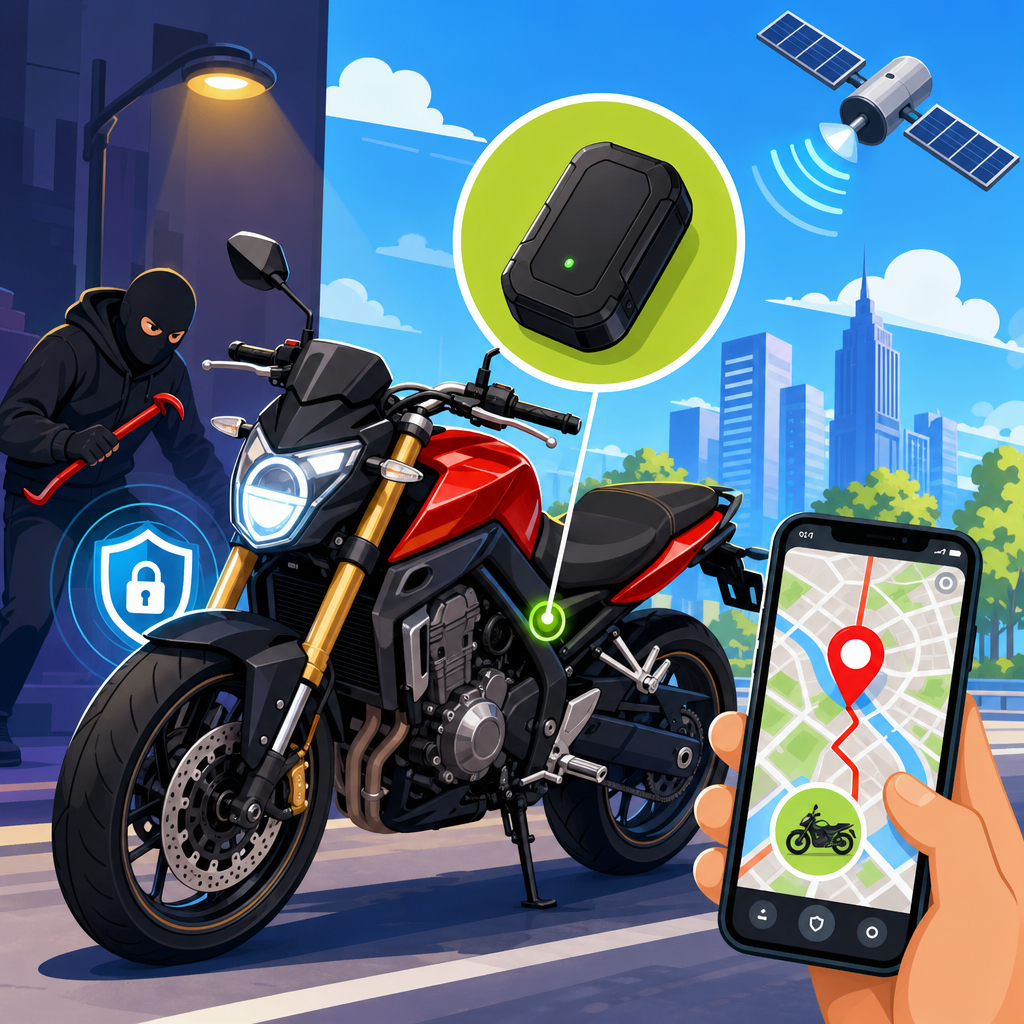
Smart bike trackers have become one of the most effective upgrades a rider can add in 2026, because modern motorcycle theft is fast, organized, and increasingly difficult to stop with locks alone. In this guide, smart bike trackers means compact GPS-enabled anti-theft devices that monitor location, motion, ignition events, and sometimes battery health through cellular, Bluetooth, radio frequency, or hybrid networks. I have installed trackers on commuters, adventure bikes, and high-value sport models, and the difference between recovering a stolen motorcycle in hours versus never seeing it again often comes down to how quickly a device detects movement and how accurately it reports location. As the Tech & Comms hub within Garage & Gear, this article explains the best anti-theft GPS devices for motorcycles, how they work, which features matter, what tradeoffs to expect, and how to choose a tracker that fits your riding style, storage situation, and budget.
Why smart bike trackers matter in 2026
Motorcycle theft remains attractive to criminals because bikes are lighter, easier to move, and often stored in shared parking areas or exposed driveways. A steering lock, disc lock, chain, and cover still matter, but they are delay tools, not recovery systems. A smart bike tracker changes the equation by sending an alert the moment your motorcycle is tilted, moved, or started, then providing continuous location updates that you and, where appropriate, law enforcement can act on. In practice, this matters most during the first few hours after theft, when a bike may be hidden in a van, parked in a garage for cooling-off, or stripped for parts. Riders searching for motorcycle GPS tracker options usually want direct answers: can it stop theft, can it recover a stolen bike, and is installation hard? The honest answer is that no tracker prevents theft by itself, but the best anti-theft GPS devices dramatically improve the odds of rapid response and recovery when paired with physical security.
How motorcycle GPS trackers work
A motorcycle GPS tracker uses a positioning source, a communications method, and a power strategy. Positioning usually comes from GPS, often supplemented by GLONASS, Galileo, or BeiDou for better satellite acquisition in dense urban environments. Communication is commonly handled through LTE-M, 4G, or low-power cellular data, though some systems add Bluetooth for short-range setup or radio-frequency beacons for indoor recovery. Power comes either from the motorcycle battery through a hardwired connection or from an internal rechargeable battery in compact standalone units. The most reliable systems combine hardwired power with an internal backup battery, so the tracker keeps reporting if thieves disconnect the bike battery. Good devices also include accelerometers for motion sensing, geofencing, tamper alerts, and sleep modes that reduce parasitic draw. From experience, false alerts drop sharply when motion thresholds, parking mode sensitivity, and ignition detection are properly configured instead of left at factory defaults.
The best smart bike trackers for motorcycles in 2026
Several devices stand out in 2026 because they balance coverage, response speed, battery management, and app usability. Monimoto remains a leading choice for riders who want simple installation, independent power, and strong theft-oriented alerts; its paired key fob logic can reduce nuisance alarms because the unit knows when authorized movement is likely. BikeTrac continues to appeal to premium-bike owners because of professional monitoring, Thatcham-recognized options in some markets, and strong dealer familiarity. DataDot DNA and similar marking systems are not GPS trackers, but they are sometimes bundled into anti-theft packages and should be treated as identification layers rather than active recovery tools. Invoxia has stayed relevant for lightweight, self-powered tracking, especially where low-draw installation matters, though buyers need to verify regional network support. LandAirSea and Optimus models remain popular with riders who prioritize versatile tracking platforms, but some are better suited to fleet use than covert motorcycle installation. Apple AirTag and Samsung SmartTag can help locate property, yet they are not dedicated motorcycle anti-theft GPS devices and should only be considered secondary tools because anti-stalking features can alert thieves to their presence.
| Tracker | Best For | Key Strength | Main Limitation |
|---|---|---|---|
| Monimoto | DIY riders | Easy install, backup battery, theft-focused alerts | Subscription required for live services |
| BikeTrac | Premium and financed bikes | Professional monitoring and strong recovery support | Higher total ownership cost |
| Invoxia | Low-draw setups | Compact self-powered design | Depends heavily on regional network compatibility |
| LandAirSea/Optimus | Flexible tracking needs | Robust platform features and reporting | Not always optimized for covert bike mounting |
Features that actually matter when choosing a tracker
The best motorcycle GPS tracker is not the one with the longest feature list; it is the one that keeps reporting under theft conditions. Start with network coverage in your actual riding and parking areas, not marketing claims. If your bike lives in an underground garage, a unit with weak cellular penetration or no backup location method may go silent at the worst moment. Next, look at alert logic: motion alerts, tilt alerts, tow alerts, ignition sensing, and geofencing should be individually configurable. Update frequency matters too. A ping every few minutes may be enough for parked-vehicle security, but active theft recovery benefits from tighter intervals. Battery strategy is critical. Hardwired units should have low quiescent current, ideally in the low milliamp range, to avoid flattening smaller motorcycle batteries during winter storage. Weather resistance should be at least IP65, and covert installation options matter because visible trackers are quickly removed. Finally, evaluate the app. The best hardware is wasted if the app delays notifications, buries live tracking, or makes it difficult to share a location with police, family, or a recovery service.
Installation, placement, and concealment best practices
Where you mount a smart bike tracker often matters as much as which model you buy. On motorcycles, there is limited bodywork, significant vibration, heat exposure, and far less dead space than in a car. I prefer installing hardwired trackers away from obvious access points like under-seat trays that thieves check first. Side fairings, tail sections, and cavities near the airbox can work well if the unit is protected from engine heat and direct spray. Avoid placing a GPS antenna directly beneath heavy metal structures that can interfere with signal reception. Use proper crimped connectors, adhesive-lined heat shrink, and loom tape rather than quick taps that corrode over time. If the device includes a backup battery, test whether it continues to report after main power is disconnected. For self-powered units, secure them against vibration and use tamper-resistant fastening where possible. A dual-layer strategy works best: one visible deterrent such as a disc lock alarm, and one hidden tracker installed where removal takes time. In shop practice, recovery outcomes improve when owners document the install location privately, verify serial numbers, and test alerts monthly.
Subscriptions, data privacy, and long-term ownership costs
Most serious anti-theft GPS devices for motorcycles require a subscription because live tracking depends on cellular connectivity, cloud services, and app infrastructure. Riders often resist recurring fees, but subscription support is usually what enables instant alerts, route history, remote settings, and customer assistance during theft events. A cheap tracker with a clumsy app and unstable servers is often worse than no tracker because it creates false confidence. Before buying, calculate the three-year cost, including hardware, activation, SIM fees, and any premium monitoring plan. Also read the privacy policy. A reputable provider should explain what trip data it stores, how long it keeps location history, and whether it shares data with insurers, partners, or analytics vendors. Security standards matter here too: account-level two-factor authentication, encrypted communications, and clear device ownership transfer procedures reduce the risk of unauthorized access. If you sell your motorcycle, reset the tracker and remove it from your account. If you finance or insure a high-value bike, ask whether your lender or insurer recognizes specific certified systems, since that can offset subscription cost through lower premiums or improved theft recovery support.
How trackers fit into a complete motorcycle security system
A smart bike tracker works best as one layer in a broader anti-theft plan. Physical security still delays thieves, creates noise, and pushes them toward easier targets. A hardened chain through the frame to a ground anchor, a quality disc lock with alarm, a covered bike, and secure lighting remain highly effective. The tracker adds detection, evidence, and recovery capability after the attack starts. Riders in shared parking structures benefit especially from geofencing and tilt alerts because theft often begins with quiet repositioning before loading. For touring riders, portable battery-powered trackers are useful when hotel parking is unpredictable, while commuters may prefer hardwired units with ignition-based parking mode. Trackers also overlap with the wider Tech & Comms category: many apps integrate trip logs, ride history, battery-voltage reporting, crash alerts, and maintenance reminders. Those features are convenient, but anti-theft performance should remain the priority. If a product markets itself mainly as a lifestyle gadget, verify that it still offers immediate motion alerts, low-latency tracking, and reliable support when the situation becomes urgent. In real use, the strongest setup is boringly practical: quality locks, disciplined parking habits, and a hidden tracker that you have already tested under realistic conditions.
Common mistakes riders make when buying bike trackers
The most common mistake is buying on price alone and ignoring network quality, alert speed, and installation realism. Another is assuming any locator tag equals a theft-recovery tracker. Bluetooth ecosystem tags can help you find lost property in populated areas, but they are not substitutes for dedicated GPS motorcycle security devices. Riders also underestimate battery management. A tracker that draws too much power on a bike parked for weeks can create a no-start problem that owners blame on the motorcycle. Poor placement is another failure point: under a seat beside the battery may be convenient, but it is also the first place a thief checks. Some owners never test the system after installation, so they do not discover weak signal, delayed notifications, or expired subscriptions until after a theft. Others rely on trackers while neglecting insurance, serial-number records, and photos of modifications. The best results come from treating the tracker as part of an operating procedure: maintain your subscription, update the app, confirm contact numbers, and know exactly how you will respond if an alert arrives at 2 a.m.
Smart bike trackers in 2026 are no longer niche gadgets; they are core motorcycle security tools that combine GPS location, motion sensing, and mobile alerts into a practical theft-recovery system. The right choice depends on how your bike is stored, whether you want DIY installation or professional monitoring, how much recurring cost you can accept, and how covertly the device can be mounted. For most riders, the best anti-theft GPS devices are the ones that deliver fast alerts, dependable location updates, backup power, and an app simple enough to use under stress. Pair a tracker with strong physical security, verify coverage in your area, and test the system regularly. If you are building out your Garage & Gear setup, use this Tech & Comms hub as the starting point, then compare individual tracker reviews, installation guides, and motorcycle alarm options before you buy. Choose one solid system, install it properly, and make theft recovery far more likely.
Frequently Asked Questions
1. Are smart bike trackers really effective for preventing motorcycle theft in 2026?
Yes, smart bike trackers are one of the most effective anti-theft upgrades a rider can add in 2026, but it is important to understand what “effective” really means. A tracker does not physically stop a thief the way a heavy chain, disc lock, or ground anchor can. What it does exceptionally well is shorten the time between a theft attempt and your response, while also improving the chances of recovery if the bike is moved. Modern motorcycle theft is often fast and organized, with thieves using vans, signal jammers, cloned keys, or rapid loading techniques that can defeat basic visible security in minutes. A well-installed tracker gives you a second layer of defense that stays active even after the bike leaves your sight.
The biggest advantage of today’s smart bike trackers is how quickly they alert you to suspicious activity. Good systems can notify you if the bike is tilted, moved without authorization, tampered with, or started unexpectedly. Many also provide live location tracking, geofencing, route history, ignition alerts, and battery-voltage monitoring through a mobile app. That means you are not relying on discovering the theft hours later. In many real-world cases, the difference between recovering a stolen motorcycle and losing it entirely comes down to how quickly the owner or authorities know where it went.
That said, the best results come when a tracker is part of a layered security setup. Pairing a hidden GPS tracker with a visible lock, alarm, immobilizer, or cover makes your motorcycle less attractive to steal and easier to recover if someone still takes it. In practice, trackers are especially valuable for commuters parked outside, adventure bikes left at hotels or trailheads, and high-value sport motorcycles that are common theft targets. So yes, they are absolutely effective, especially in 2026, but they work best as a recovery and rapid-alert tool inside a broader anti-theft strategy.
2. What features should I look for when choosing the best anti-theft GPS tracker for a motorcycle?
The best motorcycle tracker is not just the one with GPS on the box. You want a device built around real-world theft recovery, stable connectivity, discreet installation, and low maintenance. Start with the tracking method itself. Many top units now combine GPS with cellular data, Bluetooth proximity, radio-frequency recovery support, or hybrid systems that improve tracking when signal conditions are poor. GPS gives accurate outdoor positioning, while cellular sends that location to your phone. Hybrid systems can be especially useful if the motorcycle is moved into a garage, container, underground parking area, or transport van where a single network type may struggle.
Alert quality is just as important as location accuracy. Look for motion alerts, tilt alerts, tow-away detection, ignition-on notifications, unauthorized movement warnings, and geofence support. These features help you catch suspicious activity early rather than only checking the bike after it is already gone. A strong app matters too. The best apps provide live maps, trip history, battery status, subscription details, customizable alert sensitivity, and reliable push notifications without being confusing or slow.
Installation and power setup should also influence your decision. Some trackers are hardwired into the motorcycle battery and are ideal for riders who want permanent monitoring with less charging hassle. Others are self-powered and easier to hide, making them useful for riders who switch bikes or want a less invasive install. If you choose a battery-powered model, check real battery life under normal usage, not just the optimistic marketing estimate. Long standby time is helpful, but so is a device that can handle frequent pings and still remain dependable.
Finally, pay close attention to size, weather resistance, subscription costs, and tamper resistance. A small tracker is easier to conceal, which is critical because a visible unit can be removed quickly. Weatherproof construction is essential on motorcycles exposed to rain, washing, temperature swings, and vibration. Subscription fees vary widely, and a cheap device can become expensive over time if the service plan is poor value. In short, prioritize reliable alerts, strong app performance, discreet fitment, durable build quality, and a network system that works where and how you actually ride and park.
3. Where should a motorcycle GPS tracker be installed for the best security and signal performance?
The best place to install a motorcycle tracker is somewhere hidden, secure, and difficult to access quickly, while still allowing the device to maintain a usable signal. That balance matters more than many riders realize. If a tracker is too exposed, a thief may spot and remove it in seconds. If it is buried too deeply under metal or crammed into a shielded area, location updates may become unreliable. A good installation uses the motorcycle’s bodywork, wiring routes, and internal cavities to conceal the device without choking off connectivity.
Common installation zones include under the seat, inside side panels, beneath tail sections, behind fairings, or within less obvious cavities near the subframe. On some bikes, especially larger touring and adventure models, there is enough internal space to place a compact tracker well away from immediate view. On sport bikes and smaller commuters, space can be tighter, so installation quality matters even more. The tracker should be mounted securely so vibration, heat, and movement do not affect long-term performance. Avoid obvious locations, direct engine heat, and areas where water can pool.
For hardwired units, clean wiring is critical. The device should be integrated in a way that does not interfere with normal electrical operation, battery health, or future maintenance. It is also smart to avoid installations that make the tracker look like an aftermarket accessory or alarm component at first glance. Some experienced installers even use decoy strategies, making one visible security element obvious while the real tracker remains deeply concealed.
If you are concerned about theft by professional crews, concealment becomes even more important. Organized thieves often know the common mounting spots and may search predictable areas first. That is why many riders choose professional installation, especially on premium motorcycles. A proper install does not just make the tracker function better; it increases the chance that the device remains undetected long enough to help recover the bike. The ideal location is always a compromise between stealth, protection from the elements, ease of service, and signal reliability.
4. Do motorcycle GPS trackers need a monthly subscription, and are they worth the ongoing cost?
Most modern motorcycle GPS trackers do require some type of subscription, especially if they offer real-time location updates, cloud-based route history, mobile alerts, geofencing, and theft monitoring through cellular networks. That monthly or annual fee typically covers the SIM connectivity, server access, app infrastructure, and in some cases customer support or recovery assistance. While subscription fatigue is real, this is one category where the ongoing cost often makes sense because the service is what turns a simple device into an active security system.
Whether it is worth the cost depends on the value of your motorcycle, where you park, how often you ride, and how quickly you want to know if something is wrong. For a high-value sport bike parked on the street overnight, a tracker subscription can be a very small expense compared with the financial hit of theft, insurance deductibles, premium increases, or the loss of aftermarket parts and riding gear. Even for a daily commuter, the convenience of getting immediate movement or ignition alerts can justify the fee if the bike is regularly left in public areas.
Not all subscription plans are equal, though. Some brands offer affordable basic plans with standard tracking and notifications, while others charge more for higher refresh rates, cross-border coverage, or advanced recovery features. Before buying, calculate the total cost over two or three years, not just the entry price. A cheap tracker with expensive service may be worse value than a premium unit with a better app, stronger network support, and more dependable alerts.
If you strongly prefer no subscription, there are Bluetooth-based or limited-range alternatives, but those usually do not provide the same level of independent theft recovery. They can be useful for local proximity detection or as a backup layer, but they are not a full replacement for a dedicated connected motorcycle tracker. In practical terms, the subscription is usually what gives the device real anti-theft value, and for most riders in 2026, that ongoing cost is justified.
5. Can a smart bike tracker drain my motorcycle battery or cause reliability issues?
A properly designed and properly installed smart bike tracker should not cause significant battery drain or reliability problems, but this is a valid question because motorcycles often sit longer than cars and many have smaller batteries. Hardwired trackers do draw a small amount of power continuously so they can remain connected, monitor movement, and send alerts. On a healthy battery and a quality tracker, that draw is usually low enough to be manageable. Problems tend to happen when a bike already has a weak battery, sits unused for long periods, or has multiple accessories all pulling standby power at once.
This is why battery management features matter. Many of the better 2026 trackers monitor system voltage and either reduce activity or alert you if the battery level drops too low. Some units enter low-power sleep states when the bike is parked and wake quickly when movement or ignition activity is detected. That helps preserve battery life without sacrificing theft detection. If your motorcycle is a seasonal machine, a garage-kept weekend bike, or a model with a sensitive electrical system, choosing a tracker with smart power handling is especially important.
Installation quality also plays a major