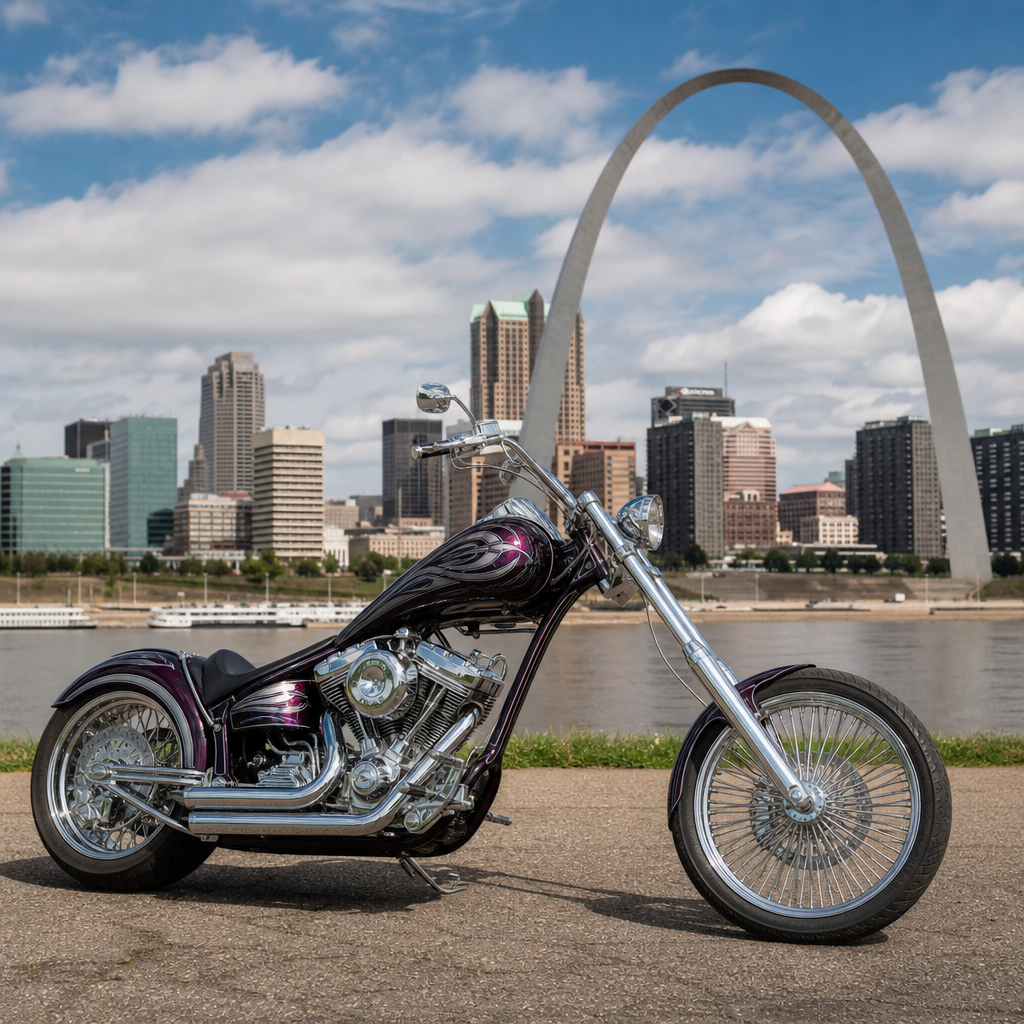
Cycle Showcase St. Louis proves that a motorcycle can be transportation, sculpture, engineering exercise, and cultural statement at the same time. In the custom world, “functional art” describes machines built to run, ride, and survive real roads while also expressing a builder’s eye for line, proportion, finish, and historical reference. That idea matters because the modern custom scene is no longer split neatly between old-school legends and digital-age newcomers. In 2026, the most influential builders blend hand fabrication, CAD modeling, CNC precision, paint chemistry, metallurgy, and storytelling. This hub article maps the field by profiling the “New Guard” and the legendary builders whose methods still set the benchmark.
From years of covering bike shows, fabrication shops, and debut builds, I have seen the same pattern repeat: the motorcycles that stop people cold are rarely the loudest or most expensive. They are the bikes with resolved design. A narrow tank line that carries into the seat cowl. Exhaust routing that respects heat, flow, and silhouette. Brackets hidden where possible and celebrated where necessary. Wiring integrated so the machine looks inevitable rather than assembled. Cycle Showcase St. Louis stands out because it rewards that level of craft. It treats motorcycles not as isolated parts lists but as complete objects, judged by execution, rideability, innovation, and presence.
As a sub-pillar hub for profiles of 2026 New Guard and legendary builders, this page serves two purposes. First, it explains what makes St. Louis important in the larger custom culture and fabrication technology conversation. Second, it gives readers a practical framework for understanding builder categories, signature techniques, and the standards that separate trend-driven bikes from enduring work. If you are researching the best custom motorcycle builders, the rise of fabrication tech, or the future of American and international custom culture, this is the place to start.
Why Cycle Showcase St. Louis matters in modern custom culture
Cycle Showcase St. Louis has earned attention because it bridges communities that often talk past each other: V-twin traditionalists, performance builders, vintage restorers, metal shapers, painters, machinists, and younger hybrid builders who borrow from all of them. A strong show does more than display finished motorcycles. It creates a common standard for what excellent work looks like in public. In St. Louis, that standard is increasingly tied to complete design thinking. Judges and attendees notice frame geometry, stance, finish consistency, safety, serviceability, and whether the bike feels coherent from ten feet away and from ten inches away.
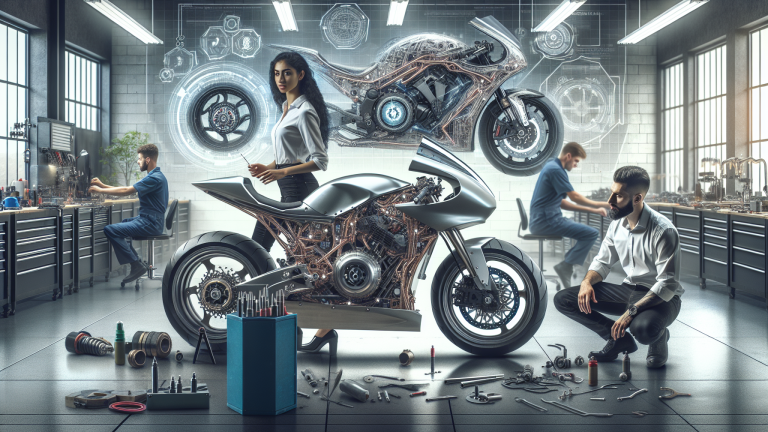
The event also matters because it reflects where custom motorcycle building is going in 2026. Builders now work in a mixed environment of TIG welding, 3D scanning, billet machining, additive prototyping, laser-cut fixtures, and old-fashioned hammer-and-dolly shaping. That mix has changed the pace of innovation. Ten years ago, a one-off intake manifold or rearset bracket might have required repeated manual trial and error. Today, a builder can model the part, print a prototype, test fitment, then machine the final version while still relying on hand finishing to keep the part from looking sterile. The best bikes at St. Louis show exactly that balance.
For readers following custom culture, St. Louis is also useful because it reveals influence early. Show bikes often preview paint trends, wheel fitment directions, aero-inspired bodywork, evolving bagger performance setups, and renewed interest in forgotten platforms. In previous seasons, details that appeared first on high-caliber showcase bikes later became common in customer builds: integrated lighting, cleaner cockpit controls, compact lithium battery packaging, hidden brake plumbing, and more disciplined use of black finishes contrasted with raw metal or high-saturation paint. In that sense, the show is both gallery and forecasting tool.
Defining the 2026 New Guard builders
The “New Guard” is not just a younger generation. It refers to builders who approach motorcycles with cross-disciplinary fluency. Many came up through skate, BMX, hot rod, industrial design, aerospace machining, motorsports, or digital product design rather than a single legacy bike scene. Their shops may be small, but their output is highly resolved because they use technology selectively. They do not replace craftsmanship with software; they use software to eliminate waste and reserve handwork for the areas where touch matters most.
In practical terms, New Guard builders usually share five traits. They design around a complete brief rather than collecting fashionable parts. They understand packaging, especially around suspension travel, air management, fuel capacity, and rider ergonomics. They document builds well, which helps customers and media understand process rather than just result. They are comfortable with modern electronics such as CAN bus integration, programmable ECUs, data logging, and compact charging systems. Finally, they often move between categories, producing a race-influenced bagger one month and a stripped tracker or monoshock custom the next without losing visual identity.
At shows like Cycle Showcase St. Louis, these builders stand out because their motorcycles look intentional in every layer. A New Guard FXR-based performance build, for example, may combine optimized trail numbers, upgraded swingarm stiffness, radial brakes, modern cartridge forks, and dyno-tuned fueling with bodywork that still feels lean and analog. A custom sport heritage build might hide sensors, fuse blocks, and charging hardware beneath shaped aluminum panels so the bike photographs like a classic while functioning like a 2026 machine. That hybrid competence is the defining mark of the current era.
How legendary builders still set the benchmark
Legendary builders remain essential because they established the visual grammar and fabrication discipline the New Guard inherits. Long before digital workflows, elite builders mastered proportion by eye, learned to read stress paths through fabricated frames, and developed surface finishing standards that still embarrass many modern shops. Their influence shows up in stretched tanks that still preserve knee control, in seat transitions that avoid awkward dead space, in exhaust systems that follow motion rather than simply occupy room, and in paint layouts that guide the eye without overpowering the machine.
What separates true legends from merely famous names is repeatability. They could build one remarkable bike, then another, and another, across changing customer tastes and technical constraints. They understood jigging, alignment, material selection, and the hidden labor customers rarely see: deburring inside edges, truing sheetmetal before filler, pressure-testing tanks, checking chain lines under suspension compression, and designing brackets for maintenance access. Many also built businesses that trained younger fabricators, painters, and machinists, indirectly shaping the current custom scene.
At St. Louis, legendary influence appears in direct and indirect ways. Some established builders still present new work or collaborate on special projects. Others are represented through design vocabulary now treated as standard: the disciplined use of rake, the acceptance of polished metal as a deliberate visual tool, the idea that engraving, paint, machining, and upholstery should work as one composition, and the insistence that a custom motorcycle must ride properly. The best New Guard builders understand this lineage. They are not rejecting tradition; they are editing and extending it.
Builder profiles readers should watch in this hub
This hub covers two profile lanes: emerging 2026 builders shaping the next decade and established names whose methods remain reference points. The emerging lane includes fabricators known for integrated performance baggers, compact club-style builds with OEM-level wiring discipline, and genre-crossing customs that pull from road racing, flat track, and industrial design. These builders often publish process shots showing fixture tables, scanner data, CAD screenshots, tube notching strategies, and billet parts before finishing. Their transparency helps readers understand why one build works and another only photographs well.
The legendary lane focuses on builders whose reputations rest on complete motorcycles, not social media momentum. Expect profiles centered on frame geometry, body line composition, metal finishing, and consistency across decades. The most valuable stories are not nostalgia pieces. They examine what older masters solved that newer shops still struggle with, including visual weight distribution, hand-formed symmetry, structural integrity under real use, and methods for making elaborate bikes easy to service. That insight is indispensable for anyone studying custom culture seriously.
| Builder lane | Primary strengths | What to study at St. Louis |
|---|---|---|
| New Guard | Digital design, mixed fabrication methods, electronics integration, performance focus | Packaging, hidden wiring, machining quality, rider-centered ergonomics |
| Legendary | Proportion, metal shaping, frame craft, finish discipline, long-term influence | Body lines, weld quality, stance, serviceability, timeless visual decisions |
Readers using this page as a hub should move from broad categories to specific builder case studies. Start by asking simple questions. Does the builder have a recognizable design language? Can they execute across more than one platform? Do they solve mechanical and visual problems simultaneously? Are their innovations likely to influence other shops? Those questions produce better judgments than hype-driven rankings.
Fabrication technology changing the art of custom motorcycles
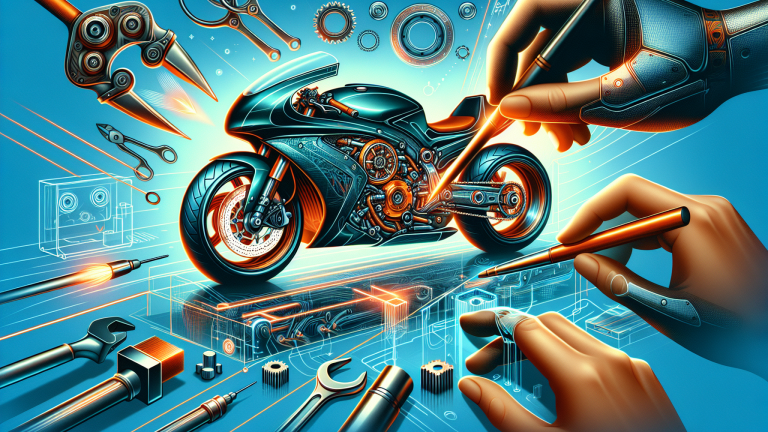
The phrase “fabrication tech” can sound abstract, but in custom motorcycles it usually means better control over tolerances, repeatability, and finish. In 2026, the most relevant tools include CAD platforms such as Fusion, SolidWorks, and Rhino; CNC mills and routers for billet parts and fixtures; tube lasers for precise frame components; 3D scanners for digitizing stock frames and engine cases; and additive manufacturing for prototyping mounts, ducts, and mockup components. None of these tools guarantee a good motorcycle. They simply make it easier to execute a good idea accurately.
Real-world examples show where technology helps most. A builder designing a one-off oil tank can scan the chassis, model surrounding components, verify chain and tire clearance, then produce a template before cutting metal. That reduces rework and leaves more time for final shaping. Another shop might machine triple clamps with exact offset and bar placement to improve feel while preserving visual lightness. Painters now use spectrophotometers and controlled booth conditions to repeat complex color effects with far less variance. Upholstery specialists use digital patterns, but the best still hand-tune foam density and stitch placement after test sitting the bike.
The tradeoff is that precision can expose weak design. A badly proportioned part remains bad even if machined perfectly. I have seen bikes with expensive billet everywhere and no visual hierarchy, no calm surfaces, and no ergonomic logic. That is why the most respected builders at Cycle Showcase St. Louis use technology in service of concept. Their best work feels human, not automated. Tool marks may be removed, but evidence of decision-making remains in radius choices, edge breaks, panel gaps, and the way light moves over the motorcycle.
What makes a motorcycle functional art rather than decorative excess
A functional art motorcycle succeeds when every aesthetic move also respects use. The bars fit the rider. The seat supports actual miles. Ground clearance matches intended riding. Heat shielding protects legs and wiring. Fuel range is honest. Fasteners are chosen for strength and accessibility, not just appearance. Lighting meets the real needs of visibility. In other words, function is not the enemy of beauty. It is the structure that allows beauty to last.
When judging bikes at a high level, I look for signs that a builder understands this. Are the brake and clutch lines routed for full steering sweep? Is there enough suspension travel, or is stance achieved by crippling performance? Do body panels come off without draining half the bike? Is the paint placed where chips are manageable? Has the builder considered vibration isolation for electronics and battery mounts? These details decide whether a motorcycle is a serious build or a fragile display object.
Cycle Showcase St. Louis highlights motorcycles as functional art because the strongest entries answer those questions well. They invite close inspection and survive it. A viewer may first notice a hand-formed fairing, polished rocker boxes, or an elegant subframe loop, but the lasting impression comes from completeness. Nothing feels accidental. Nothing asks for apology. That is the standard readers should bring into every profile linked from this hub.
How to use this hub to explore 2026 builder profiles
Use this page as your starting map for the subtopic of 2026 New Guard and legendary builders. From here, follow profile articles by builder type, fabrication specialty, and motorcycle category. If you care about performance customs, begin with shops advancing suspension, braking, and chassis geometry without losing style. If you care about traditional craftsmanship, start with legendary metal shapers, painters, and frame builders whose work remains structurally and visually instructive. If your interest is fabrication technology, look for profiles centered on scanning, CAD-driven prototyping, billet production, and integrated electronics.
The key takeaway is simple: Cycle Showcase St. Louis matters because it reveals which motorcycles achieve the rare balance of art, engineering, and rideability. The New Guard brings new tools, wider influences, and cleaner integration. Legendary builders supply the enduring standards of proportion, finish, and fabrication discipline. Together, they define the current frontier of custom culture. Explore the builder profiles connected to this hub, compare methods, study the details that repeat across great bikes, and use those patterns to identify the builders worth watching next.
Frequently Asked Questions
What does “functional art” mean in the context of Cycle Showcase St. Louis?
At Cycle Showcase St. Louis, “functional art” refers to motorcycles that are designed to do more than simply look impressive on a display floor. These machines are built to start, run, ride, corner, brake, and handle real-world road conditions while also expressing a clear artistic vision. In other words, a functional-art motorcycle is not just sculpture with wheels, and it is not merely transportation with custom paint. It sits in the middle of engineering, aesthetics, craftsmanship, and culture.
That idea is especially important in the custom motorcycle world because great builds are judged on both execution and intent. Builders pay close attention to line, stance, geometry, materials, finish quality, component selection, and historical references, but the best motorcycles also retain mechanical integrity. A bike may feature hand-shaped metalwork, one-off fabrication, and a carefully curated visual theme, yet it still needs to work as a motorcycle. That balance is exactly what makes the term “functional art” meaningful rather than just fashionable language.
Cycle Showcase St. Louis helps bring this concept into focus by presenting motorcycles as complete creative statements. Visitors are not just seeing chrome, paint, and polished parts; they are seeing design decisions. The relationship between tank and seat, the way a frame is modified, the choice between vintage influence and modern performance, and even the hardware finish all contribute to the final impression. The result is a machine that can be appreciated by riders, fabricators, designers, and even people who may never have considered motorcycles as an art form before.
Why is Cycle Showcase St. Louis significant in the modern custom motorcycle scene?
Cycle Showcase St. Louis matters because it reflects where custom motorcycle culture is now, not where it was decades ago. The event highlights a world in which traditional craftsmanship and modern design thinking coexist. The custom scene is no longer cleanly divided between old-school builders and younger digital-era creators. Instead, today’s most influential motorcycles often combine timeless fabrication skills with contemporary tools, broader cultural influences, and a more design-conscious approach to building.
That makes the showcase important as a snapshot of the industry’s evolution. In one setting, attendees can see motorcycles that reference historic racing, classic American chopper language, performance bagger trends, vintage European styling, precision-machined modern customs, and minimalist design philosophies. Rather than forcing one narrow definition of what a custom motorcycle should be, the event demonstrates how wide the category has become. It validates both heritage and experimentation.
It is also significant because it gives builders a respected platform to present work in a context that encourages deeper appreciation. Instead of viewing custom bikes only through social media posts or short-form video clips, people can study them in person. They can examine proportion, fabrication detail, paint depth, and engineering choices up close. That matters for builders who want their work taken seriously and for audiences who want to understand why one motorcycle rises above another. In that sense, Cycle Showcase St. Louis serves as both a cultural gathering point and a quality filter for the modern custom movement.
How do builders balance rideability with artistic expression when creating a custom motorcycle?
Balancing rideability with artistic expression is one of the defining challenges of custom motorcycle building. A successful builder has to think like an artist, engineer, fabricator, and rider at the same time. Every visual choice can influence performance, and every mechanical decision can affect the final design. Frame geometry, suspension travel, wheel and tire sizing, handlebar position, seat shape, exhaust routing, and weight distribution all need to work together. If one element is chosen only for appearance, it can compromise the motorcycle’s comfort, handling, or reliability.
The best builders begin with a clear concept and then make disciplined decisions that support it without sacrificing core function. For example, a bike may have a dramatically simplified silhouette, but wiring still needs to be routed intelligently, controls still need to feel natural, and engine cooling still needs to be considered. A fuel tank can be beautifully sculpted, but it must also mount securely and hold usable capacity. Low, aggressive stance may look excellent, yet ground clearance and suspension behavior still matter on actual roads. Functional art comes from solving these conflicts gracefully, not ignoring them.
This is one reason events like Cycle Showcase St. Louis are so compelling. They reward motorcycles that do more than chase attention. The most respected bikes are often those where the viewer senses that nothing is accidental. The motorcycle looks complete because the builder understood not only what to add, but what to leave out. Artistic expression becomes stronger when the machine still feels purposeful, believable, and usable. That combination of restraint, creativity, and technical competence is what separates a thoughtful custom build from a superficial one.
What kinds of design influences are commonly seen in motorcycles featured at Cycle Showcase St. Louis?
Motorcycles at Cycle Showcase St. Louis often draw from a wide range of design influences, which is part of what makes the event so visually rich. Many builds reference classic eras of motorcycling, including postwar American customs, vintage road racers, flat-track machines, endurance bikes, desert sleds, and early superbikes. Others pull from industrial design, hot-rod culture, aviation, motorsport engineering, and even architecture or fine art. These influences show up in paint schemes, metal shaping, riding position, wheel selection, stance, and the overall visual rhythm of the motorcycle.
Historical reference is especially important in custom culture because builders often communicate through visual cues that informed enthusiasts immediately recognize. A narrow tank profile, certain fairing shapes, ribbed seat patterns, drilled brackets, polished alloy finishes, or a specific exhaust layout can all signal admiration for a particular era or style lineage. At the same time, contemporary builders are not limited to restoration-style nostalgia. Many reinterpret those cues using modern suspension, high-performance brakes, CAD-assisted fabrication, updated electronics, and cleaner, more minimal design language.
That blend of old and new is central to the event’s appeal. In 2026, influential custom motorcycles are often defined by how intelligently they combine heritage with innovation. A builder might use traditional craftsmanship techniques while presenting the finished bike with a modern sense of proportion and surface treatment. Another may create a highly current machine that still honors classic motorcycle forms. Cycle Showcase St. Louis highlights these layered influences, making it clear that custom motorcycles are not random collections of aftermarket parts; they are often deeply researched, culturally aware design objects.
What should attendees pay attention to when viewing motorcycles as functional art at the show?
Attendees should start by looking beyond the obvious attention-grabbers like paint color, polished metal, or engine size. The deeper story of a custom motorcycle is usually found in proportion and cohesion. Notice how the tank flows into the seat, how the wheels fit the bike’s character, how the front and rear ride heights relate to each other, and whether the overall silhouette feels intentional. Strong builds usually have a visual logic that makes them feel resolved from every angle.
It is also worth studying craftsmanship in detail. Look closely at weld quality, bracket design, cable and wire management, fastener choices, surface finishing, and transitions between materials. On a truly well-executed motorcycle, even small elements support the larger concept. Nothing appears careless or purely decorative. Good fabrication tends to feel quiet and confident, while weaker work often relies on visual noise to distract from poor planning. The best bikes reward slow viewing because each pass reveals another thoughtful decision.
Finally, consider the motorcycle’s credibility as a machine, not just an object. Ask whether it appears rideable, durable, and mechanically coherent. Does the riding position make sense? Do the tire choices match the intended use? Does the chassis setup suggest real handling, or just a dramatic pose? Functional art is powerful because it preserves the motorcycle’s identity as something meant to move. At Cycle Showcase St. Louis, the most memorable builds are usually the ones that succeed on multiple levels at once: they look exceptional, they reflect a distinct point of view, and they still honor the practical demands of being ridden on real roads.