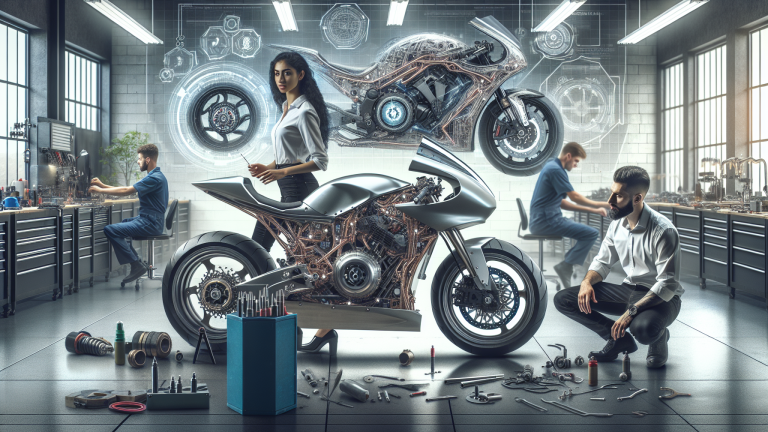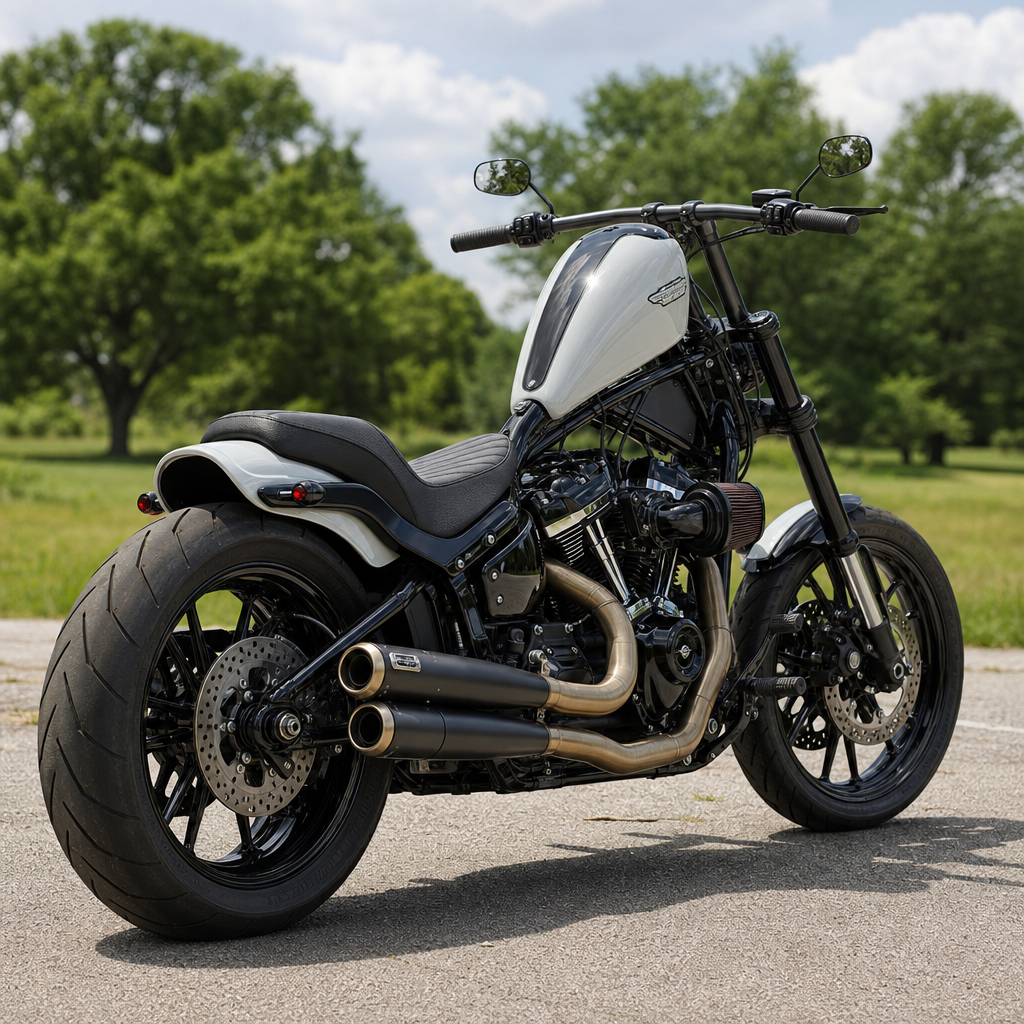
The Frisco look has always been more than a high-mounted gas tank; on the 2027 Softail, it becomes a design language that ties stance, silhouette, fabrication choices, and riding intent into one unmistakable profile. In custom motorcycle culture, “Frisco” usually refers to a narrow tank lifted high on the backbone, with a visible gap underneath, minimal bodywork, and a stripped visual line that draws the eye from neck to seat. For builders working in today’s scene, that classic cue now sits alongside Chicano styling, performance bagger aggression, and a wider mix of digital design, precision welding, and modular aftermarket parts. This matters because the 2027 Softail platform gives builders a modern frame, updated electronics, and stronger performance headroom, yet many riders still want a bike that feels handmade rather than factory-calculated. I have spent enough time around frame jigs, mock-up tables, and late-night tank mount revisions to know that the challenge is never just making a tank sit higher. The challenge is making the whole motorcycle look intentional, ride safely, clear its components, and communicate a point of view. As a hub topic, design theory here means understanding how visual traditions developed, what each style prioritizes, and how to translate those priorities into real decisions on geometry, ergonomics, paint, fabrication, and component selection for a current-generation Softail build.
What the Frisco look means on a modern Softail
On a modern Softail, the Frisco look starts with proportion. The tank is typically narrower than stock, mounted higher and often leveled to sharpen the backbone line. That simple move changes everything around it. The seat usually needs to be reconsidered, because a stock saddle can leave an awkward visual step. Bar height, riser pullback, and even headlight position may need adjustment so the front half of the motorcycle still feels balanced. The goal is not to copy an old chop blindly; it is to reinterpret the visual logic of early stripped customs on a frame designed for hidden rear suspension, ABS, and tighter packaging.
In practical terms, the 2027 Softail is a strong candidate for this treatment because the platform can tolerate cosmetic and ergonomic revision without losing its baseline structural integrity. Builders now use CAD mockups, cardboard templates, laser-cut tabs, and TIG-fabricated mounts to create cleaner outcomes than many vintage garage jobs ever achieved. A well-executed Frisco conversion respects fuel pump placement, vent routing, steering clearance, and rider triangle. It also preserves serviceability. If tank removal turns into a three-hour wiring extraction, the bike may photograph well but it has failed as a usable custom.
The core visual principles are lift, narrowing, exposed structure, and tension between minimalism and mechanical honesty. The open air gap under the tank is not empty space by accident; it is negative space used as a styling tool. That space makes the engine appear larger, the backbone more prominent, and the bike taller and leaner. On a 2027 Softail, where the frame is more visually managed than a rigid or early swingarm chassis, that negative space can restore some of the rawness many riders feel modern cruisers have lost.
Design theory across Chicano, performance bagger, Frisco, and hybrid customs
The reason this topic needs a hub article is that few serious builds stay inside one box. Chicano style emphasizes elegance, extended lines, rich paint, chrome, spoke wheels, molded details, and a lowrider influence rooted in cruising culture. Performance bagger design prioritizes function-driven aggression: tall suspension, large brakes, lightweight wheels, athletic ergonomics, and aerodynamic bodywork that signals speed even at rest. Frisco styling strips away excess, celebrates mechanical visibility, and often centers the tank, bars, and seat line as the bike’s visual spine. Beyond those categories, the current New Guard of builders mixes influences freely, using scan-based design, CNC machining, billet controls, 3D-printed prototypes, and advanced coatings to create bikes that are both culturally literate and technically precise.
What matters is understanding the governing theory behind each style. Chicano is about flow, flourish, and a sense of ceremonial presence. Performance bagger is about capability made visible. Frisco is about reduction, elevation, and an almost architectural use of line. When builders misunderstand that, they end up with mashups that feel crowded instead of layered. A high-mount narrow tank on a bike with oversized stretched bags, low bars, and heavy front valance can look unresolved because the forms are arguing with each other. Good hybrid design means choosing a dominant language and letting supporting elements reinforce it.
On the 2027 Softail, this often translates into one key decision: is the bike being built around visual lightness, long-form elegance, or athletic force? Once that is clear, component selection becomes easier. Wheel diameter, tire profile, fender depth, seat thickness, and finish choice should all answer the same design question. Builders who do this well create customs that can be identified from a distance before any logo or paint detail becomes visible.
How fabrication technology changes the Frisco build process
Fabrication technology has changed the standard for what counts as a clean custom. Ten years ago, many high-mount tank conversions relied on universal bungs, improvised spacers, and finish work that hid uneven planning. Today, even small shops can use digital angle finders, 3D scanners, parametric CAD, fixture plates, and water-jet or laser-cut components to build mounts with repeatable geometry. That matters on the 2027 Softail because modern bikes package wiring, sensors, pumps, and emissions hardware tightly. You cannot simply raise a tank and hope the rest solves itself.
In my own experience, the most successful approach is to mock the bike at full intended ride height first, then establish the tank line relative to neck angle, top motor line, and final seat pan position. Only after those references are locked should tabs be cut. Builders using TIG welding on mild-steel mounts can create elegant structures with minimal finishing, but only if fit-up is exact. Misalignment of even a few millimeters becomes obvious when a narrow tank is centered on the backbone. Precision here is not cosmetic perfectionism; it prevents stress loading, petcock or pump clearance issues, and uneven gap lines that make the whole bike look improvised.
Modern fabrication also expands what “Frisco” can mean. A builder can retain the visual gap while integrating hidden wiring channels, rubber isolation, and service loops. They can 3D print a test mount, verify clearances, then machine or weld the final version. Powder coating, Cerakote, and high-build urethane systems provide more durable finishes for exposed fabricated parts. The result is a motorcycle that nods to old custom language but performs to contemporary reliability expectations.
Choosing the right design direction for a 2027 Softail
The 2027 Softail can support several design paths, but each one demands different priorities. The table below shows how the main styles typically differ when translated into a real build plan.
| Style direction | Primary visual goal | Typical hardware choices | Main risk if misunderstood |
|---|---|---|---|
| Frisco | Lean, elevated, stripped silhouette | Narrow high-mount tank, slim seat, taller bars, minimal fenders | Awkward ergonomics or unfinished-looking gaps |
| Chicano | Long, elegant, lowrider-inspired presence | Deep paint, chrome, spoke wheels, valanced fenders, pullback bars | Decorative excess without line discipline |
| Performance bagger | Speed, capability, and aggressive stance | Tall suspension, radial brakes, fairing, hard bags, forged wheels | Track-focused parts that reduce road comfort or range |
| Hybrid New Guard | Balanced individuality with technical refinement | Mixed materials, custom mounts, digital prototyping, premium controls | Conflicting cues that make the bike feel trend-driven |
For a Frisco-led Softail, start by defining the non-negotiables. If the high-mount tank is the visual anchor, then ask what must support it: a narrower rear section, cleaner side covers, a tighter seat transition, or bars that maintain the upright visual reach. If comfort for long rides is essential, keep the seat foam and peg position realistic, then refine the visual line through upholstery and mount shaping instead of sacrificing usability. If performance is equally important, carry over suspension and braking upgrades from the performance bagger playbook, but avoid letting bulky bodywork dilute the stripped tank treatment.
That is where the New Guard mindset is strongest. Current builders are less interested in purity tests and more interested in coherent outcomes. A modern Softail with a Frisco tank, mid-controls, tuned suspension, and subtle paint can be more honest than a nostalgic clone because it reflects how the bike will actually be ridden.
Line, stance, ergonomics, and paint: the details that make the build work
Most failed customs fail in line before they fail in parts selection. Line means the relationship between tank tunnel, backbone, seat top, rear fender arc, fork angle, and bar rise. On a Frisco-style Softail, the tank should usually establish a clear horizontal or slightly rising datum, not float at a random angle. The seat must either continue that story or intentionally drop away from it. If the tank rises while the seat collapses and the bars are too low, the rider triangle looks confused. This is why mock-up with the actual wheels, tire sizes, and suspension settings matters more than bench speculation.
Stance is just as important. The hidden-shock Softail architecture can sometimes make customs look heavier in the midsection than intended. Raising the visual mass upward with the tank helps, but wheel and tire choice must support it. A very fat rear tire may fight the lean visual character that Frisco styling depends on. Conversely, a moderate rear profile and a front end with enough height can make the bike appear faster and more deliberate. Builders often discover that one inch of bar rise or a slightly shorter rear fender changes the entire reading of the motorcycle.
Ergonomics should never be treated as an afterthought. A high-mounted tank can push the rider rearward or create knee interference depending on tank length and seat placement. Before finish work, sit on the bike repeatedly with the intended bars and pegs installed. Check full-lock steering, stand-up transitions, and whether the rider can grip the bike naturally. These are small tests that prevent expensive disappointment.
Paint and finish then decide the tone. Traditional Frisco builds often look strongest with simpler color strategies because the shape is the hero. Single-stage colors, metallics with restraint, or understated panel work can emphasize form. Chicano influence invites more elaborate graphics, lace, flake, murals, and heavy chrome. Performance bagger influence often favors contrast, satin textures, exposed carbon, and machined surfaces. For a 2027 Softail hub build, the smart rule is this: if the fabrication is intricate, let the finish support it rather than compete with it.
Where custom culture is heading next
The most interesting shift in custom culture is that heritage and technology are no longer treated as opposites. Younger builders study archival bikes, lowrider history, club-style ergonomics, race-derived suspension setups, and regional paint traditions, then use modern tools to combine them with unusual discipline. That is why Frisco, Chicano, and performance bagger aesthetics keep evolving instead of freezing into museum categories. The 2027 Softail is part of that evolution because it offers a contemporary platform that still accepts radical visual reinterpretation.
Expect future builds to become cleaner, not softer. Wiring will disappear more effectively. Mounts will become more compact. Mixed-material fabrication will increase, especially where aluminum, steel, and composites can each do the jobs they suit best. More builders will prototype digitally before cutting metal, which should raise the baseline quality of custom work across small shops. At the same time, the bikes that stand out will still be the ones with a readable point of view. Technology can improve execution, but it cannot invent taste.
The Frisco look remains relevant because it answers a persistent desire in motorcycle design: to make a production machine feel leaner, more personal, and more alive. When applied thoughtfully to the 2027 Softail, it does not compete with Chicano elegance or performance bagger functionality. It helps define a broader design conversation about what builders value now—clarity of line, honesty of purpose, and craftsmanship that holds up both on the road and under close inspection. If you are planning a build in this space, start with the tank line, define your dominant design language, and let every other decision prove that choice. That is how a custom stops being a collection of parts and becomes a motorcycle with presence.
Frequently Asked Questions
What does the “Frisco look” actually mean on a 2027 Softail?
On a 2027 Softail, the Frisco look is best understood as a complete visual and structural theme rather than simply a gas tank mounted higher than stock. Traditionally, “Frisco” refers to a narrow tank lifted up on the backbone, leaving a visible gap beneath it and creating a cleaner, lighter profile through the center of the motorcycle. On the modern Softail platform, that idea carries over, but it also influences the entire silhouette of the bike. The tank height changes how the eye reads the chassis, how the seat line flows, how open the frame appears, and how intentional the bike feels from the neck to the rear fender.
What makes the 2027 Softail especially interesting is that the Frisco treatment becomes a design language. The elevated tank is the anchor, but it only works when matched with the right fabrication choices, proportions, and riding posture. A true Frisco-inspired Softail usually leans into minimal bodywork, visual tension between the backbone and the tank, a stripped center section, and a stance that feels purposeful rather than decorative. Builders often use the tank position to sharpen the bike’s profile, reduce visual bulk, and emphasize the length and line of the frame instead of hiding it.
In other words, the tank is the signature detail, but the overall effect comes from integration. If the tank is high but the rest of the motorcycle still looks heavy, crowded, or mismatched, the Frisco look falls apart. On the 2027 Softail, done correctly, it creates a leaner, more deliberate aesthetic that respects classic custom language while taking advantage of the platform’s modern engineering.
Why is the high-mount tank such an important part of the Frisco style?
The high-mount tank matters because it immediately changes the motorcycle’s visual center of gravity, even if the actual mechanical impact is modest. A stock-mounted tank tends to sit tighter and lower against the frame, which can make the bike look more conventional and compact through the middle. Raising the tank introduces negative space underneath, and that empty space is critical. It highlights the backbone, adds visual lightness, and makes the motorcycle appear more handmade and less factory-contained. That single move gives the entire bike a stronger custom identity.
In Frisco styling, that gap under the tank is not an accident or a byproduct. It is one of the defining cues. It creates a stripped-down line that draws attention to the frame architecture and gives the eye a clear path from the front end to the seat. On the 2027 Softail, where builders are often balancing classic influences with more refined chassis design, the high-mount tank becomes a way to introduce rawness and intent without losing the bike’s core usability. It signals that the motorcycle has been considered as a whole, not just accessorized.
There is also a cultural reason the high-mount tank matters. It is one of the most recognizable elements in traditional custom motorcycle language, especially among riders and builders who appreciate older stripped-down street machines. When applied thoughtfully to a modern Softail, it connects the bike to that lineage while still allowing room for new fabrication methods, cleaner mounting solutions, and more refined finishing. That is why the high-mount tank remains central: it is both a visual tool and a statement of custom direction.
Does a Frisco-style tank setup affect comfort, range, or real-world rideability on the 2027 Softail?
Yes, it can, and that is why a well-executed Frisco build on a 2027 Softail needs more than good styling instincts. Raising and narrowing the tank can influence fuel capacity, rider ergonomics, and the relationship between the tank, bars, and seat. A slimmer tank may reduce range compared with a larger stock-style setup, which matters if the bike is intended for longer rides rather than local cruising or city use. The mounting height can also affect how the rider’s knees meet the tank and how natural the cockpit feels during acceleration, braking, and low-speed maneuvering.
That said, a Frisco-style setup does not automatically make a Softail uncomfortable or impractical. The outcome depends on proportions and execution. If the tank height is balanced with the seat shape, handlebar position, and rider triangle, the bike can remain very usable. In fact, many builders intentionally preserve enough function for regular riding while still delivering the narrow, lifted visual profile associated with the style. The key is understanding that the Frisco look is not just about lifting a tank until it “looks custom.” It requires careful attention to how the rider interacts with the machine.
There are also technical considerations behind the scenes. Builders need to account for fuel delivery, tank tunnel fitment, mount strength, steering clearance, and the way the modified tank line integrates with wiring and surrounding components. On a modern Softail, that can mean more fabrication and planning than on older, simpler platforms. So the short answer is yes, comfort and rideability can change, but a smart build can preserve everyday function while still capturing the lean, elevated character that defines the Frisco aesthetic.
What fabrication choices help make a Frisco-style Softail look authentic instead of forced?
Authenticity in a Frisco-style Softail comes from proportion, restraint, and fabrication quality. The tank should look like it belongs to the backbone rather than hovering awkwardly above it. That means the lift needs to feel intentional, the gap beneath the tank needs to be visually clean, and the transition into the seat area should not feel abrupt or unresolved. The most convincing builds usually pay close attention to tank length, width, and angle so the bike retains a coherent line from the neck to the rear. If the tank is too bulky, too tall, or out of sync with the rest of the motorcycle, the effect can become cartoonish instead of classic.
Mounting details are equally important. Clean, strong mounts, a tidy tunnel, well-routed fuel lines, and controlled wiring all contribute to a finished result. Because the Frisco look exposes more of the frame and center section, poor workmanship is harder to hide. That is why the style rewards precision. The open space under the tank should look deliberate, not unfinished. Likewise, the seat, bars, risers, and fender choices should support the same stripped visual language. Minimal bodywork, a narrow midsection, and a confident stance help the tank feel like the centerpiece of a broader concept rather than an isolated styling move.
Finish also plays a major role. An authentic Frisco-inspired 2027 Softail does not have to be rough, but it should feel honest. Whether the build leans traditional, refined, or performance-influenced, the fabrication should reinforce the idea of a purposeful machine. Builders who understand the style know that the best results come from balancing old-school cues with modern execution. The goal is not to imitate the past blindly, but to interpret it in a way that makes the Softail look sharper, cleaner, and more intentional.
How does the Frisco look fit into modern custom motorcycle culture and current Softail builds?
The Frisco look remains relevant because it offers something many modern customs still chase: a clear identity. In a landscape where bikes can easily become overbuilt, overly accessorized, or visually crowded, the Frisco approach cuts through by simplifying the profile and emphasizing line, stance, and core form. On the 2027 Softail, that makes it especially powerful. Builders are working with a platform that already blends classic cruiser cues with updated engineering, so the Frisco treatment becomes a way to strip away visual excess and reveal a stronger point of view.
In today’s custom scene, the Frisco look also represents a conversation between heritage and reinterpretation. It references traditional custom culture through the narrow high-mounted tank, visible backbone gap, and minimal bodywork, but it does not have to remain locked in a vintage-only formula. Modern Softail builds often mix that old-school centerline with improved chassis performance, cleaner fabrication standards, better component integration, and more thoughtful ergonomics. That combination is exactly why the style continues to resonate. It feels rooted, but not dated.
For many builders and riders, the appeal is that the Frisco look communicates intent immediately. It tells you the bike was shaped around a visual philosophy, not just assembled from parts. On the 2027 Softail, that philosophy can express simplicity, aggression, elegance, or stripped-down street attitude depending on how the rest of the build is executed. That adaptability keeps the style current. It is still unmistakable, still culturally meaningful, and still one of the most effective ways to redefine a Softail’s silhouette with authority.