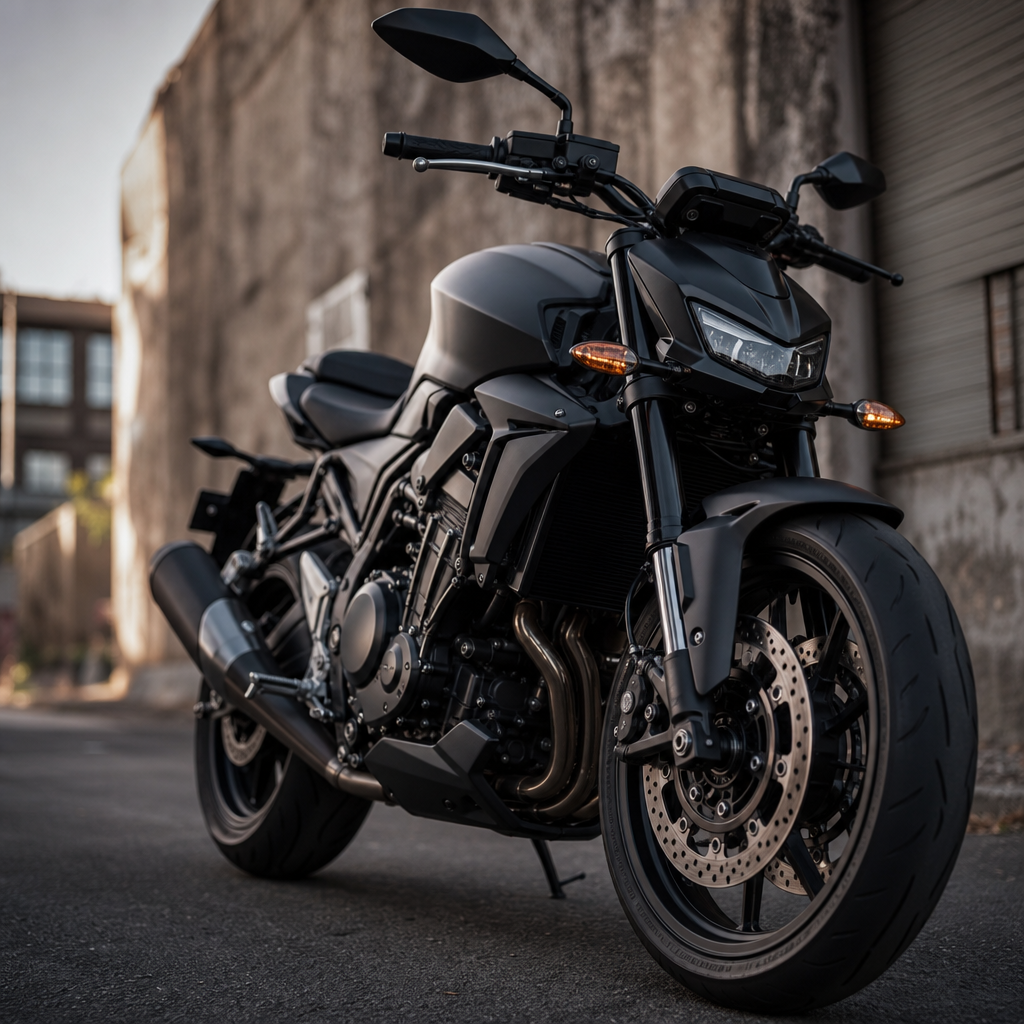
“Stealth” aesthetics have become the defining visual language of custom motorcycles in 2026, and nowhere is that shift clearer than in the rise of matte black paint, smoked indicators, low-gloss metals, and deliberately restrained finishes across Chicano builds, performance baggers, Frisco-inspired customs, and modern hybrids. In practical terms, stealth aesthetics means reducing glare, minimizing visual noise, and creating a bike that looks fast, cohesive, and intentional before the engine even starts. I have watched this trend move from niche garage builds into mainstream custom culture over the last several seasons, especially as builders began pairing advanced fabrication, LED lighting, and CAD-guided parts design with older styling traditions. What makes it matter is not just style. Finish choice now affects brand identity, rider safety, resale value, maintenance routines, and how a build is read within the wider custom scene. For anyone following custom culture and builders, this is the hub topic because design theory sits underneath every choice a fabricator makes: stance, paint, lighting, wheel fitment, bar height, panel shape, and even how a bike photographs for social media, events, and magazines.
To understand why matte black and smoked indicators rule 2026, you have to start with the design traditions they are being applied to. Chicano style prioritizes long lines, rich silhouette, elegance, and often a low-and-slow sense of drama rooted in lowrider influence. Performance bagger design pushes athletic stance, braking capability, wheel control, and visual aggression tied to motorsport cues. Frisco style historically favors narrow tanks, taller bars, stripped profiles, and a raw urban attitude. “Beyond” includes club-style touring builds, FXR and Dyna descendants, precision-machined softail customs, and crossover projects that borrow details from several schools at once. The common thread is that builders in 2026 are less interested in loud contrast for its own sake and more interested in surface control. Matte black absorbs light, smoked lenses hide component clutter, and coordinated dark hardware creates unity across mixed materials. That is why stealth aesthetics are not a fad. They are the current answer to a deeper design question: how do you make a motorcycle look modern, custom, and expensive without over-decorating it?
Why stealth aesthetics fit the 2026 custom landscape
The strongest reason stealth aesthetics dominate 2026 is that they align with how modern custom bikes are built, viewed, and used. Most high-end builds now combine CNC-machined parts, billet controls, integrated lighting, performance suspension, and digital tuning. When the hardware itself becomes more complex, visual simplification becomes more valuable. A matte tank, satin-finished crash bar, and smoked turn signals let the overall form read clearly. On a performance bagger, for example, a big brake kit, adjustable rear suspension, tall risers, and oversized front wheel can easily become visually busy. Dark finishes reduce that clutter and put emphasis back on stance and proportion. That is good design discipline, not trend chasing.
There is also a practical media reason. Bikes today are consumed as much through phone screens as in person. Gloss finishes can blow out under direct sunlight or flash photography, hiding body lines and making panel gaps obvious. Matte and satin surfaces photograph more evenly. Smoked indicators disappear into fairings, fender struts, or saddlebag edges until illuminated, which gives the bike a cleaner profile in still images and walk-around video. Builders know this. Shops that post consistently on Instagram, YouTube, and event coverage channels are designing for real-world riding and digital presentation at the same time. A stealth build reads as premium in both environments.
Another factor is material honesty. The best 2026 stealth bikes are not simply sprayed flat black. They layer textures: matte paint on the tins, satin powder coat on brackets, black anodizing on controls, Cerakote on exhaust shields, and smoked polycarbonate lenses over high-output LEDs. This mix creates depth without relying on bright graphics. I have seen mediocre builds try to copy the look with a single cheap flat finish, and they always fall short because stealth depends on contrast between gloss levels, not absence of detail. The strongest bikes use restraint the way older show bikes used chrome.
Design theory across Chicano, performance bagger, Frisco, and crossover builds
Each custom tradition uses stealth aesthetics differently, and that difference matters if you want a build to feel authentic. Chicano design is about flow, grace, and theatrical presence. Traditionally, that language leaned on deep paint, engraving, chrome, fishtails, spoke wheels, and ornate finishing. In 2026, many builders are not abandoning that heritage; they are editing it. A Chicano-inspired road bike may keep the long skirted fenders, molded bags, custom seat, and elevated bars, but trade mirror-like paint for satin charcoal or matte black with carefully chosen gloss striping. Smoked indicators fit because they preserve uninterrupted lines along stretched fenders and nacelles. The result feels less flashy, but still ceremonial.
Performance bagger design approaches stealth from the opposite direction. Here the goal is speed, mass control, lean angle, braking confidence, and rider input. The visual language comes from function: fork brace, radial calipers, aggressive tire profile, short rear suspension travel tuned for handling, and cockpit ergonomics built around leverage. Matte black works because it amplifies seriousness. It suggests the bike has been optimized rather than decorated. Smoked indicators support aerodynamic cleanliness, especially when integrated into bag lids, fairing wings, or saddlebag fillers. On a performance bagger, stealth is almost a byproduct of engineering discipline.
Frisco style has always embraced reduction, so it naturally accepts stealth finishes. Narrow tanks, exposed mechanicals, and purposeful simplicity look stronger when surfaces are controlled. Matte black on a Frisco-inspired build emphasizes silhouette and negative space. Smoked indicators can modernize the bike without disrupting the stripped-down profile, though this is one area where over-integration can become a mistake. If every component disappears, the bike can lose character. Good Frisco-informed design keeps enough rawness in the metal, welds, or stance to preserve its attitude.
Crossover builds are where the most interesting work is happening. Builders are taking Chicano line discipline, performance bagger wheel and brake packages, and Frisco minimalism, then using fabrication technology to make the mix coherent. That might mean a touring frame with a narrow visual waist, custom side covers, hidden wiring, low-gloss metallic paint, and fully integrated front and rear signals. These bikes succeed when the design hierarchy is clear: silhouette first, function second, detail third. Stealth aesthetics help maintain that hierarchy across mixed influences.
| Style | Core Visual Goal | How Matte Black Works | How Smoked Indicators Work |
|---|---|---|---|
| Chicano | Elegance, long lines, lowrider-inspired drama | Softens ornament and highlights silhouette | Keeps fender and nacelle lines uninterrupted |
| Performance Bagger | Speed, control, aggressive stance | Reinforces functional, race-bred intent | Reduces clutter around fairings and bags |
| Frisco | Minimalism, attitude, stripped profile | Emphasizes shape and negative space | Adds modern lighting with minimal distraction |
| Crossover | Blended heritage and modern fabrication | Creates unity across mixed components | Helps integrate custom bodywork cleanly |
Why matte black keeps winning over gloss, chrome, and bright contrast
Matte black rules 2026 because it solves several design problems at once. First, it flattens minor inconsistencies across hand-built bodywork better than high-gloss finishes do. Any builder who has blocked custom tins knows that gloss paint is unforgiving. Every ripple, weld sink, and filler transition becomes visible under reflected light. Matte and satin finishes still require excellent prep, but they are less theatrical about minor imperfections. On one level that lowers finishing risk. On another, it allows builders to allocate budget toward performance parts, machining, and fabrication hours rather than only paint correction.
Second, matte black creates a stronger relationship between old and new parts. A bike may combine a classic tank shape, modern LED headlight, machined floorboards, radial brakes, and aftermarket bags. In gloss with mixed metals, those parts can look unrelated. In coordinated blackouts, they become a unified system. This is especially useful in sub-pillar topics like fabrication tech, where the point is not preserving stock visual logic but creating a coherent custom identity from disparate components. Manufacturers have noticed this too. OEM trim packages from Harley-Davidson, Indian, and BMW have steadily expanded blacked-out options because customers already understand the visual value.
Third, matte black signals intent. A bright candy finish says celebration. A polished metal bike says craftsmanship on display. A matte black bike says every part is there for a reason. That message resonates in a moment when riders are asking harder questions about geometry, suspension setup, brake bias, wheel offset, and thermal management. The paint no longer carries the whole story. It frames the engineering story. That is why even builders known for rich paintwork are increasingly offering satin clears, selective gloss inserts, and monochrome palettes rather than all-over brilliance.
There are limitations. Matte coatings can be harder to spot-repair than gloss, because blending sheen is difficult. Finger oils show on some low-gloss surfaces. Cheap matte finishes can chalk, stain, or become uneven after harsh washing chemicals. The durable route usually involves high-quality urethane systems, ceramic coating approved for matte surfaces, or powder and Cerakote where heat or abrasion are concerns. In other words, stealth looks simple, but doing it well is not cheap.
The function and controversy of smoked indicators
Smoked indicators are popular because they clean up a motorcycle’s visual profile without eliminating lighting performance, but they have to be specified correctly. The ideal setup uses a high-quality smoked lens over bright LED emitters with proper beam output, diffusion, and legal color compliance when illuminated. On many custom bikes, especially baggers and softails, clear or amber lenses protrude as isolated visual objects. A smoked lens lets the signal housing merge into the bodywork, fork, bar-end, or saddlebag line. The effect is subtle but powerful. It removes small points of interruption that otherwise pull the eye away from the main form.
In practice, builders use smoked indicators in several ways: micro front signals integrated into perch clamps or mirrors, rear indicators built into struts or bag fillers, and combination brake-turn units recessed into custom fenders. The most advanced systems use CAN bus-compatible modules, load equalizers where needed, and purpose-built harnesses to avoid hyperflash or fault codes. Shops working with Harley-Davidson touring models, for instance, often pair smoked lenses with Custom Dynamics or similar LED systems because brightness and reliability are proven. On fully custom builds, motogadget components are common for their compact dimensions and clean integration.
The controversy is visibility. Poor smoked indicators can absolutely reduce conspicuity, especially in daylight or at wide viewing angles. That is not a theoretical concern. Regulations in the United States, Europe, and Australia all focus on minimum photometric performance for signaling, and while enforcement varies, the safety principle is straightforward: if surrounding drivers cannot immediately read your signal, the design has failed. The right answer is not abandoning smoked indicators but choosing certified or demonstrably bright units, testing them in sunlight, and positioning them correctly. Form cannot outrank communication on a street-ridden bike.
How fabrication technology made stealth style more convincing
Stealth aesthetics became truly dominant only when fabrication technology caught up. Ten years ago, many blacked-out builds looked unfinished because wiring remained visible, aftermarket parts did not align, and integrated lighting was bulky. In 2026, builders have better tools. CAD modeling helps resolve fit before cutting metal. Desktop and industrial 3D scanning allow bodywork, brackets, and mounts to match factory geometry with much greater precision. CNC machining produces repeatable controls and housings that can be anodized or coated consistently. Even small shops now outsource laser cutting, waterjetting, and additive prototyping at reasonable cost.
That matters because stealth demands clean transitions. If a smoked signal is molded into a stretched bagger fender, the recess, lens fit, and wire exit all have to be precise or the part looks amateur. If a matte black performance bagger uses hidden brake lines and internal wiring, bar geometry and serviceability must still be right. The best builders are thinking like industrial designers as much as traditional fabricators. They are asking where the eye lands, where a seam should disappear, and how a maintenance item can remain accessible without disturbing the visual field.
Surface technology has advanced too. Cerakote gives builders stable, heat-resistant dark finishes on exhaust parts, engine covers, and brackets that would challenge ordinary paint. Powder suppliers offer refined satin blacks with controlled texture rather than the thick, orange-peel finishes that once cheapened the look. Matte PPF and ceramic products make it easier to protect low-gloss paint from road grime and fuel splash. These improvements are why stealth aesthetics in 2026 look deliberate and premium rather than merely dark.
What builders and riders should consider before committing
If you are planning a stealth build, start with the silhouette and use finish only to support it. That means deciding whether your bike belongs primarily to Chicano, performance bagger, Frisco, or crossover design logic before choosing parts. Then map your gloss levels: matte on large body panels, satin on chassis parts, semi-gloss where durability or cleaning matters, and selective metallic contrast where the eye needs a focal point. Do not black out everything indiscriminately. A completely uniform bike can become visually dead.
Next, prioritize lighting quality. Buy indicators and tail units from established manufacturers, confirm legal brightness, and test the bike outdoors before finalizing placement. If your design hides the signals so effectively that other road users miss them, revise the design. Also think about upkeep. Matte paint needs the right cleaners, quick removal of fuel spills, and careful touch handling around frequent contact points. Finally, document every component choice for future service and resale. The best stealth builds feel clean because the planning behind them is meticulous.
Stealth aesthetics rule 2026 because they give custom motorcycles a disciplined way to express heritage, performance, and fabrication skill without visual excess. Matte black clarifies shape, smoked indicators simplify lines, and modern finishing technology makes the whole package durable enough for real use. Across Chicano elegance, performance bagger aggression, Frisco minimalism, and blended new-guard customs, the principle is the same: reduce distraction so the bike’s true design intent becomes unmistakable.
For builders, this approach creates freedom. You can combine old-school references with current engineering and still deliver a coherent machine. For riders, it offers a bike that looks modern, photographs well, and can age gracefully if the materials are chosen wisely. The strongest builds are not the darkest ones; they are the ones where finish, function, and culture speak the same language. Use this hub as your starting point, then evaluate every paint choice, lens, bracket, and body line against that standard before the first part gets cut.
Frequently Asked Questions
What does “stealth” aesthetics actually mean in motorcycle customization for 2026?
In 2026, “stealth” aesthetics refers to a highly intentional design approach that favors subdued finishes, reduced visual clutter, and a more cohesive overall silhouette. Instead of relying on high-gloss chrome, bright accents, or overly busy surface treatments, builders are choosing matte black paint, satin clears, smoked indicators, low-gloss metals, dark hardware, and toned-down trim to create a motorcycle that looks controlled, modern, and aggressive. The goal is not to make the bike look plain. It is to make every element feel deliberate, integrated, and performance-oriented.
This visual language has spread across multiple styles, including Chicano builds, performance baggers, Frisco-inspired customs, club-style influences, and contemporary hybrid customs. What ties them together is the same philosophy: eliminate distractions and let stance, proportion, wheel choice, lighting, and body flow do the talking. A stealth-themed bike often appears faster and more refined because the eye is not pulled in ten different directions by reflective surfaces or mismatched finishes.
There is also a practical design reason stealth aesthetics resonates so strongly right now. Matte and low-gloss finishes reduce glare, photograph well, and emphasize the sculptural forms of tanks, fairings, fenders, and side covers. Smoked indicators and darker lighting elements help preserve clean lines when the bike is parked, while still supporting a sharper visual identity when integrated properly. In short, stealth styling in 2026 is less about simply making everything black and more about achieving a disciplined, premium look that feels purposeful from every angle.
Why are matte black paint and smoked indicators dominating custom motorcycle trends right now?
Matte black paint and smoked indicators are leading the trend because they instantly communicate restraint, confidence, and modernity. Matte black changes the way a bike is perceived by softening reflections and emphasizing form over surface flash. That matters in custom motorcycle design because a strong build is usually defined by line, proportion, and execution, not just color. When a tank, fairing, bag set, or fender is finished in matte or satin black, the bike tends to look more unified and more muscular, especially when paired with matching low-gloss components.
Smoked indicators support that same visual strategy. Traditional clear or amber turn signals can break up a carefully designed profile, especially on bikes where builders are trying to minimize visual noise. Smoked lenses allow the lighting hardware to blend into the bodywork and trim more effectively when not illuminated. This creates a cleaner parked appearance and contributes to the stealth effect people want in 2026. On performance baggers and modern hybrids in particular, that subtle integration has become a defining detail.
Another major reason these finishes dominate is versatility. Matte black works across radically different custom styles, from long and low Chicano bikes to more aggressive performance-oriented baggers. Smoked indicators do the same because they complement black, charcoal, bronze, gunmetal, and other darkened palette choices without overpowering them. Together, they create a platform that looks premium and adaptable rather than trend-chasing. Builders and riders alike appreciate that these parts help a bike feel current without locking it into a short-lived fad.
Do stealth-style parts and finishes improve function, or are they mostly about appearance?
Stealth aesthetics is primarily a visual design movement, but it absolutely overlaps with function when executed correctly. Matte and satin finishes reduce glare, which can be beneficial in bright environments and contributes to a calmer, less reflective visual experience. On a conceptual level, that supports the same performance-minded design language seen in modern motorsport, tactical product design, and high-end industrial styling. The bike looks more focused because the finish is not competing with the geometry.
Smoked indicators can also serve a practical purpose when they are high-quality units designed with strong LED output and proper lens engineering. The important distinction is that not all smoked lighting performs equally. Well-made smoked indicators remain clearly visible when activated, while cheaper versions may sacrifice brightness or legal compliance for appearance. That is why builders who know what they are doing choose reputable lighting systems instead of treating smoked lenses as a purely cosmetic add-on. The right product preserves the stealth look without compromising signaling performance.
There is also a broader functional benefit in the way stealth builds are often spec’d. Bikes designed around this aesthetic tend to emphasize clean cable routing, hidden hardware, integrated lighting, tighter fitment, and more disciplined component selection. Those choices are visual, but they often lead to a cleaner and more resolved machine overall. So while stealth styling begins as an aesthetic decision, it frequently encourages better design discipline across the entire build. The result is a motorcycle that not only looks intentional but often feels more refined in execution too.
How can riders add stealth aesthetics without making the bike look flat, cheap, or unfinished?
The key is contrast, material quality, and finish balance. A successful stealth build is not just a motorcycle where every part has been turned black. When everything is the same tone and texture, the bike can lose shape and end up looking unfinished rather than sophisticated. The best builds use a layered approach: matte black bodywork, satin powder-coated brackets, low-gloss engine finishes, subtle machine-cut accents, smoked lighting, and occasional contrast in dark bronze, brushed stainless, graphite, or deep charcoal. Those variations create depth without breaking the restrained theme.
Fit and finish matters just as much as color choice. A stealth bike looks premium when the panels align properly, the wiring is hidden, the lighting is integrated cleanly, and the hardware matches the overall design language. Inexpensive add-ons, poorly fitted smoked lenses, random black accessories, and mixed gloss levels can quickly make the bike feel pieced together. That is why experienced builders focus on consistency. If the paint is matte, surrounding components should be chosen to support it rather than accidentally introducing clashing textures or reflective hotspots.
It also helps to let one or two areas carry visual emphasis. That could be wheel design, a precisely shaped fairing, a sculpted tank, performance brake hardware, or a deep metallic accent used sparingly. Stealth aesthetics works best when it is disciplined, not monotonous. The goal is to remove unnecessary noise so the right details stand out. When approached that way, the bike does not look dull at all. It looks expensive, resolved, and unmistakably current.
Will stealth aesthetics still work across different custom styles like Chicano builds, performance baggers, and Frisco-inspired motorcycles?
Yes, and that is one of the biggest reasons stealth styling has become so influential in 2026. It is not limited to one subculture or one type of build. On Chicano-inspired motorcycles, stealth elements can modernize traditional long, elegant lines without erasing their identity. A bike can still have the extended silhouette, flowing bodywork, and strong road presence associated with that scene, but matte finishes, darker trim, and smoked indicators can give it a more contemporary and less ornamental edge.
On performance baggers, stealth aesthetics feels especially natural because the style already emphasizes aggression, speed, and purpose. Matte black bodywork, dark wheels, low-gloss exhaust finishes, and integrated smoked lighting all reinforce the idea that the motorcycle is built to move. The reduced glare and simplified visual profile also help performance parts feel more cohesive instead of visually chaotic. That makes stealth styling one of the most effective ways to make a bagger look serious without overcomplicating it.
Frisco-inspired customs and modern hybrids benefit in a different way. Those bikes often rely on silhouette, stance, and selective detail rather than big decorative gestures. A stealth-oriented palette enhances that approach by focusing attention on shape and execution. It allows the tank line, bar setup, wheel spacing, and overall attitude of the bike to dominate the visual impression. In other words, stealth aesthetics is not replacing established custom styles. It is becoming a shared visual framework that can sharpen and modernize many of them when applied with restraint and good taste.