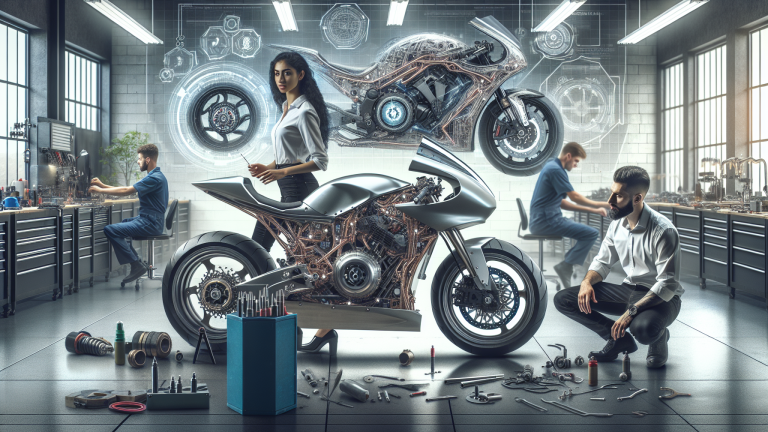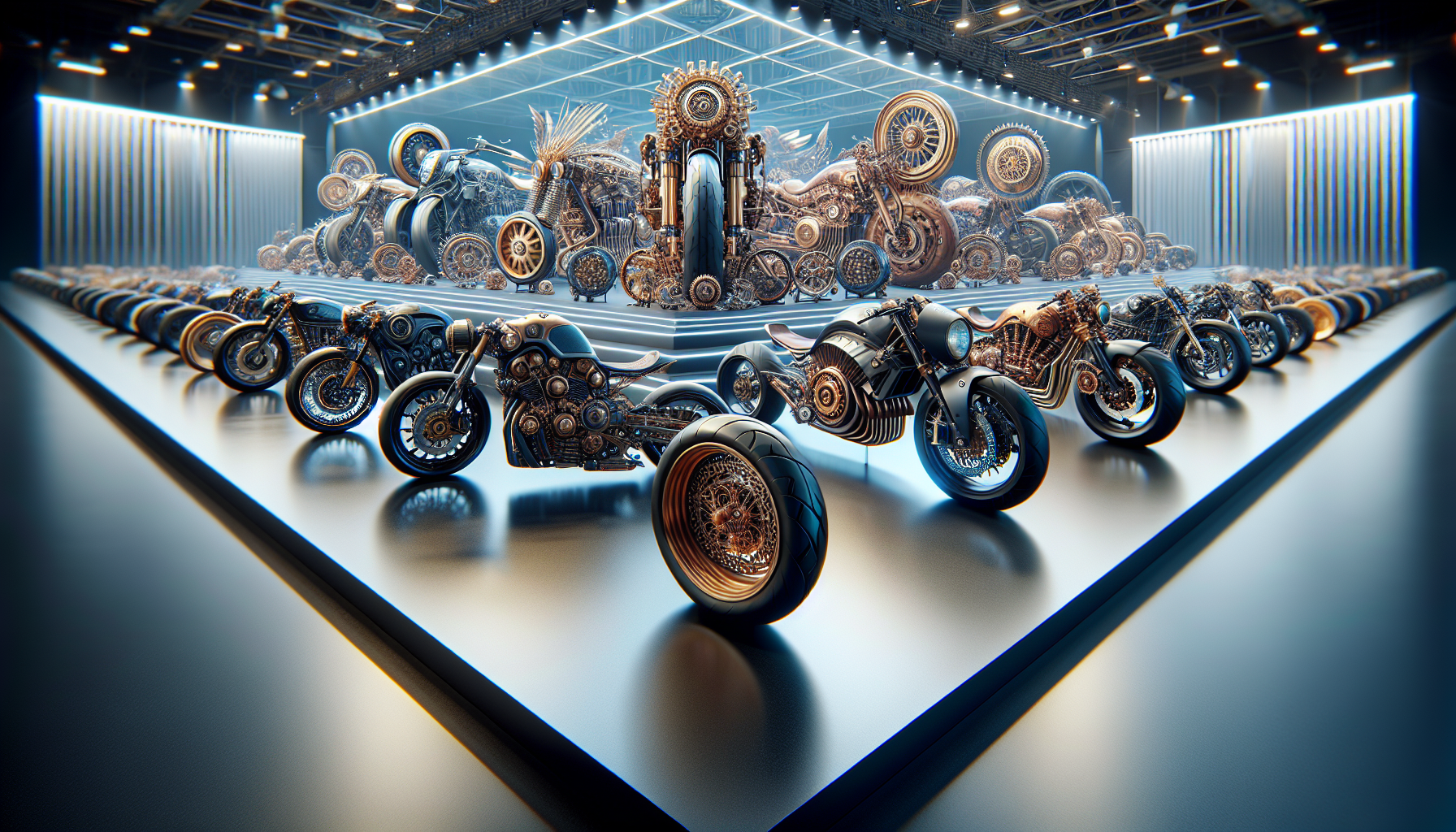
The Handbuilt Show 2026 proved again that custom motorcycle culture thrives where craftsmanship, engineering, and personal vision meet in public view. Held alongside the MotoGP weekend in Austin, the show has become far more than a gallery of polished machines. It is a working index of where custom culture is heading: race-inspired builds with modern electronics, hand-formed aluminum bodywork, electric conversions, desert sled revivals, and radical one-off frames built by shops that still cut, weld, and machine parts in-house. For readers following shows and events across the custom scene, this article serves as a hub for the category, using Handbuilt 2026 as the clearest case study of how major events now shape trends, buyer interest, and builder reputations.
When I walk a show like Handbuilt, I am looking at more than paint and stance. The important questions are practical. What fabrication choices separate a serious build from a cosmetic re-skin? Which bikes push the scene forward instead of repeating established formulas? Which ideas are likely to influence garage builders, pro shops, and future event coverage across the wider custom motorcycle calendar? Those questions matter because shows and events are now discovery engines. A standout debut in Austin can lead to commissioned builds, supplier partnerships, magazine coverage, and international recognition within weeks.
The Handbuilt Show also matters because it attracts a mix few events can match: established builders, first-time exhibitors, major aftermarket brands, racers, collectors, and everyday riders. That blend keeps the judging unofficial but the market feedback immediate. If a bike stops both veteran fabricators and younger riders raised on social video, it has real cultural weight. In that sense, the ten motorcycles below did more than win attention. They captured the themes defining 2026 custom culture and set the agenda for future shows and events coverage.
Why The Handbuilt Show remains the benchmark for custom motorcycle events
Handbuilt has earned benchmark status because it rewards originality without restricting the field to one style tribe. At smaller niche shows, a builder can win by matching local taste: long-fork choppers, vintage motocross restorations, or immaculate cafe racers. Handbuilt is harder. A machine must compete against radically different interpretations of custom work while still feeling coherent. That is why a successful Handbuilt bike usually combines three things: a clear concept, visible workmanship, and mechanical credibility. Visitors can forgive unconventional design, but they rarely forgive poor execution.
Another reason the event matters is timing. Running near a major race weekend pulls in media, industry people, and riders already primed for high-performance machinery. Builders know their work will be examined by people who understand chassis geometry, suspension travel, engine management, and weight distribution. As a result, many bikes shown here are not static sculpture. They are runnable, test-ridden, and often built to survive hard road use. That standard gives Handbuilt stronger influence than a pure concours environment and makes it useful as a hub topic for wider shows and events reporting.
1. Revival Cycles’ titanium-framed V-twin concept
The most discussed machine on the floor was Revival Cycles’ titanium-framed V-twin concept, a motorcycle that looked minimal at first glance and increasingly complex the longer you studied it. The frame used thin-wall titanium tubing with immaculate weld color and a compact triangulated layout designed to reduce visual bulk around the engine. Instead of hiding modern systems, the builders integrated them cleanly: a compact ride-by-wire throttle body setup, discreet ABS routing, and a tucked battery tray beneath the gearbox line. The result was futuristic without becoming sterile.
What made this bike important was not simply its finish level. It demonstrated how premium materials can serve function instead of becoming a checklist exercise. Titanium reduced weight, but just as important, the frame geometry sharpened the whole motorcycle’s proportions. The narrow backbone and carefully placed rear shock opened space around the V-twin, making the engine the visual center. Builders from smaller shops were photographing junction details and mounting tabs because those are the decisions that elevate fabrication. Expect this bike to influence high-end performance customs and future event trend reports.
2. A hand-formed Ducati street tracker that balanced style and speed
One of the smartest builds at Handbuilt 2026 started with a Ducati twin and avoided the common trap of turning an already capable platform into an uncomfortable design exercise. The builder reshaped the bike into a street tracker with hand-formed aluminum number plates, a slim tank, flat saddle, and a shorter tail section, but retained proper suspension quality and sane ergonomics. Brembo hardware remained in place, wheel sizing stayed road-focused, and the exhaust routing delivered both cornering clearance and a deep, crisp note that suited the engine’s character.
This bike stole the spotlight because it answered a common question directly: can a custom motorcycle still perform as well as it looks? Here, the answer was yes. The subframe revision preserved rider support, the bar position encouraged control rather than posing, and the fueling map had clearly been tuned for rideability. In plain terms, it looked show-ready but did not sacrifice what makes a Ducati fun. That combination resonates at modern motorcycle shows, where audiences increasingly value usable engineering over purely decorative customization.
3. A Honda CBX six-cylinder restomod with modern chassis discipline
Few engines draw a crowd like Honda’s CBX inline-six, and one of the largest crowds this year formed around a restomod that treated the legendary powerplant with uncommon restraint. Rather than bury the motor under exaggerated bodywork, the builder focused on chassis discipline. The swingarm was custom braced, the forks upgraded with modern internals, and the braking package brought the bike into contemporary territory without looking out of period. A subtly revised tank and seat line modernized the silhouette while preserving the CBX’s long, mechanical elegance.
As a case study in shows and events coverage, this motorcycle matters because it highlighted a growing trend: respectful modernization. More owners now want vintage icons they can actually ride in traffic, on highways, and through real corners. The best restomods keep original identity while fixing the weaknesses riders feel every mile. This CBX did exactly that. It acknowledged that nostalgia alone is not enough. Better damping, improved braking, and careful weight management are not optional upgrades when you intend to use a classic superbike as a real motorcycle.
4. The electric flat tracker that changed the conversation
Electric customs still divide audiences, but one electric flat tracker at Handbuilt 2026 shifted the discussion from novelty to legitimacy. Built around a compact high-output motor and modular battery architecture, the bike used dirt-track proportions, 19-inch wheels, a narrow seat unit, and a low, central mass that gave it authentic racer posture. More impressive than the styling was the packaging. The battery enclosure looked structural rather than improvised, cooling pathways were clearly considered, and the final-drive setup suggested the bike had been tested, revised, and ridden hard.
Why did it matter? Because shows and events often reveal which technologies are crossing from experimental to culturally accepted. This build showed that electric customs no longer need to imitate gasoline bikes poorly. They can use their own strengths: instant torque, compact driveline packaging, and fewer visual interruptions. It did not convert every skeptic, nor should anyone pretend charging infrastructure and range concerns have disappeared. But it proved that an electric custom can command attention on craftsmanship and performance logic alone, which is a meaningful turning point for the scene.
5. A desert sled-inspired Triumph that felt built for the real world
Among the most approachable motorcycles at the show was a Triumph desert sled-inspired build that looked ready to leave Austin and head straight for caliche roads. Based on a modern twin, it used longer-travel suspension, high-mounted exhausts with proper shielding, spoked wheels, and a reinforced skid plate integrated cleanly into the lower frame lines. The bodywork was restrained, with a small front plate, lean side panels, and paint that favored durability over exhibition gloss. Every visible choice suggested actual use, not costume adventure aesthetics.
That practicality is exactly why the bike stood out. Many event builds borrow off-road cues while remaining too delicate or compromised for rough terrain. This one appeared honest. Peg placement, bar rise, tire selection, and suspension stroke all supported the stated intent. In the current custom market, honesty is a differentiator. Riders notice when a machine has been built by someone who understands heat management, mud clearance, and standing ergonomics. For a hub covering shows and events, this Triumph represents the growing appetite for customs that can survive beyond the display floor.
6. The best show bikes answered clear questions
Across the floor, the strongest builds shared a simple trait: each answered a specific rider question better than average customs do. That pattern is useful for understanding why some motorcycles stop traffic while others blur together.
| Bike type | Question it answered | Why it worked |
|---|---|---|
| Titanium V-twin concept | Can advanced materials improve both design and performance? | Yes, because the frame reduced mass and sharpened proportions simultaneously. |
| Ducati street tracker | Can a custom stay fast and comfortable? | Yes, by preserving braking, geometry, and tuned fueling. |
| CBX restomod | Can a classic feel modern without losing identity? | Yes, through careful chassis and brake upgrades. |
| Electric flat tracker | Can an EV custom feel authentic? | Yes, when packaging and purpose match the platform. |
| Triumph desert sled | Can show style survive real riding? | Yes, if components are chosen for terrain, not just appearance. |
7. A boxer-powered endurance build with impeccable detail control
A boxer-powered endurance-inspired motorcycle from a European builder drew serious attention from fabricators because nearly every detail held up under close inspection. The fairing stay design, oil-cooler placement, rearset brackets, and seat cowl mounts all looked engineered rather than improvised. The bike used a classic endurance racing silhouette, but the execution was current: LED lighting hidden within period-correct shapes, modern switchgear minimized intelligently, and a data display integrated without disrupting the cockpit. It was a masterclass in making technology disappear into the design instead of competing with it.
This kind of build tends to perform well at influential events because it rewards both casual viewers and experts. A newcomer sees a dramatic race bike. An experienced builder sees hours of fixturing, alignment work, and packaging decisions. That dual appeal gives a motorcycle staying power after the event ends. Images circulate online, then close-ups circulate among builders, and finally the techniques begin appearing elsewhere. That is how event influence actually spreads: not through trophies alone, but through details that other craftspeople decide are worth borrowing and refining.
8. A radical mini-bike showed why playful builds still matter
Not every spotlight bike was expensive or solemn. One of the most photographed machines was a radical mini-bike with oversized visual confidence, immaculate paint, and fabrication quality usually reserved for full-scale customs. Its stretched yet tidy proportions, billet controls, and tiny but complete lighting package made it impossible to ignore. More important, it reminded attendees that custom culture has always included humor, irreverence, and creative risk. A scene built only around prestige materials and six-figure invoices becomes predictable fast.
Playful builds matter at shows because they widen the door. They tell younger builders, small-budget tinkerers, and first-time exhibitors that ingenuity still has cultural value. In my experience, these machines often generate longer conversations than obvious trophy contenders because people can imagine building some version of the idea themselves. That accessibility is healthy for the whole ecosystem. The Handbuilt Show works best when it presents not just finished luxury objects, but a full spectrum of what custom motorcycle imagination looks like in practice.
9. What these ten bikes reveal about custom culture in 2026
Looking across the ten standout motorcycles, several clear trends emerged. First, function-led design is back at the center. Builders are still chasing beauty, but fewer are willing to sacrifice rideability for silhouette alone. Second, material choice has become more intentional. Titanium, aluminum, carbon fiber, and additive-manufactured parts appeared not as decoration, but where they solved packaging or weight problems. Third, electrification is entering the scene through purpose-built customs rather than awkward conversions. Finally, audiences are rewarding honesty: if a bike claims race, dirt, distance, or city use, visitors now expect the specification to support that claim.
Those trends matter beyond Austin because major motorcycle shows shape what gets built next year. Shops watch crowd behavior closely. So do parts suppliers, media editors, and private clients. If practical restomods, authentic dual-purpose customs, and technically coherent electric builds keep winning attention, commissions will follow. That ripple effect is why event coverage deserves to be treated as a serious part of custom culture journalism rather than lifestyle filler. The best shows do not merely reflect the scene. They actively redirect it through visibility, credibility, and commercial momentum.
10. Why this article serves as a hub for shows and events coverage
As a sub-pillar within Custom Culture, this page works as a hub because Handbuilt 2026 contains the major themes readers need to understand the wider shows and events landscape. It includes elite fabrication, accessible creativity, vintage preservation, modern performance thinking, and the growing role of alternative powertrains. Those same themes appear across invitational builds, local custom meetups, race-adjacent exhibitions, builder showcases, and manufacturer-backed heritage events. Once you understand why these ten bikes stood out, you have a framework for reading any serious custom motorcycle show.
The key takeaway is simple: the motorcycles that stole the spotlight were not random crowd pleasers. They were the clearest expressions of where custom building is gaining substance in 2026. Builders who combined concept clarity, technical competence, and real-world usability earned the strongest response. For readers tracking custom culture, that is the signal worth following. Use this article as your starting point for deeper shows and events coverage, then compare future exhibitions against the standards these bikes set. When a build answers a real rider need and executes the idea flawlessly, it will always rise above the noise.
Frequently Asked Questions
What made The Handbuilt Show 2026 stand out from previous years?
The Handbuilt Show 2026 felt especially important because it highlighted just how broad and mature the custom motorcycle scene has become. Rather than focusing only on retro styling or polished garage-built customs, the event showcased a much wider spectrum of ideas: race-influenced machines with advanced electronics, hand-shaped aluminum bodywork executed at a world-class level, electric conversions that looked fully resolved rather than experimental, and desert sled-inspired builds that blended nostalgia with genuine performance intent. The show continues to benefit from its timing alongside the Austin MotoGP weekend, which brings in a uniquely informed audience made up of racers, builders, industry insiders, and passionate fans. That mix gives the event a sharper edge than a typical display show. These motorcycles are not simply admired for paint and chrome; they are judged by how convincingly they express engineering, fabrication skill, and the builder’s point of view. In 2026, the standout bikes seemed to carry stronger identities, cleaner execution, and more confidence in combining old-school craftsmanship with modern technology.
What kinds of bikes drew the most attention at The Handbuilt Show 2026?
The bikes that stole the spotlight this year tended to do more than just look dramatic—they told a complete story through design, parts selection, and fabrication. Race-inspired customs were among the biggest crowd favorites, especially builds that took cues from endurance racing, flat track, or vintage Grand Prix machines while incorporating modern suspension, braking, and engine management systems. Handbuilt aluminum-bodied motorcycles also drew serious attention because they represent a level of craftsmanship that is instantly recognizable even to casual visitors. Electric customs emerged as another major category of interest, not simply because they are different, but because builders are now treating them as fully developed design platforms rather than novelty projects. There was also strong enthusiasm for desert sled and scrambler-inspired builds, particularly those that avoided superficial styling and instead delivered authentic chassis changes, suspension upgrades, and purposeful ergonomics. Finally, radical one-off frame builds stood out because they demonstrated the kind of deep structural fabrication that separates true custom engineering from cosmetic modification. In short, the most talked-about bikes were the ones that combined originality, function, and a highly disciplined visual language.
Why is The Handbuilt Show considered so influential in custom motorcycle culture?
The Handbuilt Show has become influential because it functions as a real-time snapshot of where custom motorcycle culture is moving next. Unlike events that reward only one aesthetic—such as pure restoration, old-school chopper style, or boutique cafe racer trends—this show has developed a reputation for celebrating range, experimentation, and technical substance. Builders use it as a place to introduce new concepts, test reactions, and demonstrate what is possible when traditional metalworking, performance engineering, and personal storytelling come together in one machine. Its location during the Austin MotoGP weekend only amplifies that relevance. The audience includes people who understand speed, chassis dynamics, fabrication standards, and the difference between a bike that merely photographs well and one that has been genuinely thought through. That environment pushes the level of work higher. For media, builders, and enthusiasts alike, the show often signals emerging trends before they become widespread—from the renewed interest in competition-based customs to the integration of contemporary electronics into vintage-inspired builds. In that sense, The Handbuilt Show is not just documenting custom culture; it is actively shaping it.
Are the spotlight bikes at The Handbuilt Show built to ride, or are they mainly showpieces?
One of the most compelling things about the best motorcycles at The Handbuilt Show is that many of them are designed as serious, functional machines, even when they appear almost too beautiful to use. The strongest builds usually strike a balance between artistry and rideability. Builders increasingly understand that credibility in the custom world comes from producing motorcycles that can actually perform, whether that means real road use, track capability, off-road utility, or simply dependable operation outside a display setting. At the 2026 show, many of the standout bikes reflected this philosophy. You could see it in practical details such as carefully routed wiring, thoughtfully integrated electronics, proper cooling solutions, structurally sound subframe and frame modifications, and ergonomics that suggested actual miles rather than static exhibition. Even highly stylized customs often revealed a functional core beneath the finish. Of course, some machines are built primarily as design exercises or fabrication showcases, and there is absolutely a place for that within the scene. But the bikes that tend to leave the strongest impression are the ones that prove craftsmanship and usability do not have to compete. When a builder can create a motorcycle that is visually unforgettable and mechanically convincing, that is when the work reaches another level.
What broader trends did the top bikes at The Handbuilt Show 2026 reveal about the future of custom motorcycles?
The top bikes at The Handbuilt Show 2026 pointed to a custom scene that is becoming more technically ambitious, more comfortable with mixed influences, and less interested in rigid categories. One clear trend is the fusion of vintage visual language with modern performance hardware. Builders are no longer hesitant to pair classic silhouettes with sophisticated suspension, data-capable electronics, fuel injection solutions, upgraded braking systems, and lightweight materials if those choices improve the motorcycle as a whole. Another major trend is the return of deep fabrication—particularly hand-formed bodywork, bespoke chassis components, and one-off frame design—which suggests a renewed appreciation for true craftsmanship in an era when bolt-on styling can feel overdone. Electrification is also becoming a legitimate creative direction, with builders showing that electric platforms can support compelling design, strong proportions, and emotional presence rather than appearing sterile or unfinished. At the same time, there is growing interest in purpose-driven customs, including desert sleds, street trackers, and race-derived builds that are shaped by how they are meant to be ridden. Taken together, these trends suggest that the future of custom motorcycles will be defined less by labels and more by clarity of vision. The most important builds are no longer the ones that fit neatly into a known genre; they are the ones that integrate design, engineering, and intent into something unmistakably original.